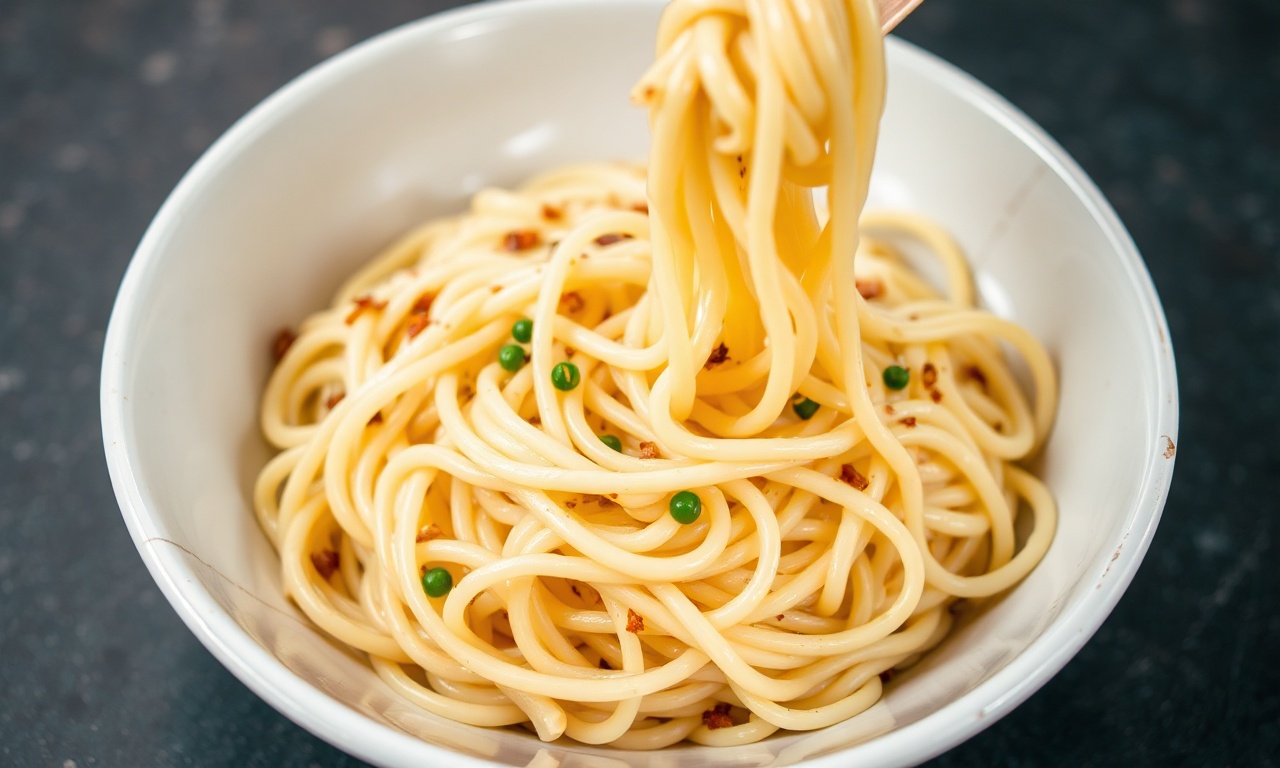
In a world where culinary traditions frequently meet modern dietary needs, the humble noodle has undergone a tasty transformation. Enter the realm of egg-cellent gluten-free noodles-a vibrant fusion where taste meets tradition without compromise. Whether you’re navigating gluten sensitivities or simply seeking a wholesome twist to your favorite dishes, these noodles offer a delightful blend of texture, flavor, and heritage.
Join us as we unravel the story behind these innovative strands, exploring how ancient recipes inspire contemporary creations that honor both health and heritage.
Egg-cellent gluten-free noodles are more than just a substitute-they represent a heartfelt tribute to tradition, fused with modern dietary needs. Bringing together the richness of fresh eggs with thoughtfully selected gluten-free flours, these noodles achieve that coveted tender yet resilient bite, evocative of classic homemade pasta. Crafting the perfect gluten-free egg noodle is an art, balancing texture and flavor so every forkful delights the senses and honors generations-old recipes, reinvented for today’s kitchens.
Prep and Cook Time
- Planning: 20 minutes
- resting Time: 30 minutes
- cooking: 4-6 minutes
- Total Time: Approximately 1 hour
Yield
- Serves: 4 generous portions
Difficulty Level
- Medium – requires patience and attention to dough consistency
Ingredients
- 1 ½ cups gluten-free all-purpose flour blend, sifted (ensure blend contains xanthan gum)
- ½ cup superfine corn starch or tapioca starch
- 3 large fresh eggs, at room temperature
- 1 teaspoon xanthan gum (if not included in your flour blend)
- ½ teaspoon fine sea salt
- 1 tablespoon olive oil or melted unsalted butter
- 2-4 tablespoons cold water, as needed
Instructions
- Combine the Dry Ingredients: In a large mixing bowl, whisk together the gluten-free flour blend, corn starch, xanthan gum (if using), and salt until fully blended.
- Create a Well: Form a crater in the center of the dry mix and gently crack the eggs into it. Add olive oil or butter nearby but not directly into the eggs.
- Incorporate Eggs: Using a fork, gradually beat the eggs and oil, slowly drawing in flour from the edges. Continue until a shaggy dough begins to form.
- Knead the Dough: Lightly flour your work surface with gluten-free flour and transfer the dough. Knead gently for about 5 minutes, adding cold water one tablespoon at a time if the dough feels too crumbly. It should be smooth but slightly sticky.
- Rest the Dough: Wrap tightly in plastic wrap and allow to rest for 30 minutes at room temperature. This lets the flours hydrate fully and improves elasticity.
- Roll and Cut: Divide dough in half. Roll each portion between sheets of parchment paper or dusted with flour to your desired thickness, about 1/8 inch. Slice into thin ribbons-use a sharp knife or pasta cutter-for classic egg noodle shape.
- Cook the Noodles: Bring a large pot of salted water to a rolling boil. Gently drop noodles in batches to avoid clumping. Cook for 4-6 minutes or until tender but firm to the bite. Stir occasionally to prevent sticking.
- Drain and Serve: Scoop noodles gently with a slotted spoon. Optionally toss with a drizzle of olive oil or butter to keep them separated and glossy.
Why Gluten Matters: Tips for Success
- Flour Selection: Use a high-quality gluten-free flour blend designed for baking and pasta. Look for blends containing rice flour, potato starch, and tapioca starch for best texture.
- Egg Quality: Fresh, high-quality eggs intensify flavor and improve dough structure-never substitute with egg whites alone.
- Resting is Key: Don’t skip dough resting; it hydrates flours and boosts pliability for rolling.
- Rolling Thin: Roll dough thinly to ensure noodles cook evenly and remain tender, not gummy.
- Make-Ahead: Roll and cut noodles, then freeze on a parchment-lined tray in a single layer. Transfer to airtight bags and freeze up to 2 months; cook straight from frozen adding an extra minute to boiling time.
- Fixing Sticky Dough: If dough feels too sticky, dust with small amounts of additional starch, but avoid over-flouring which can dry it out.
Serving Suggestions
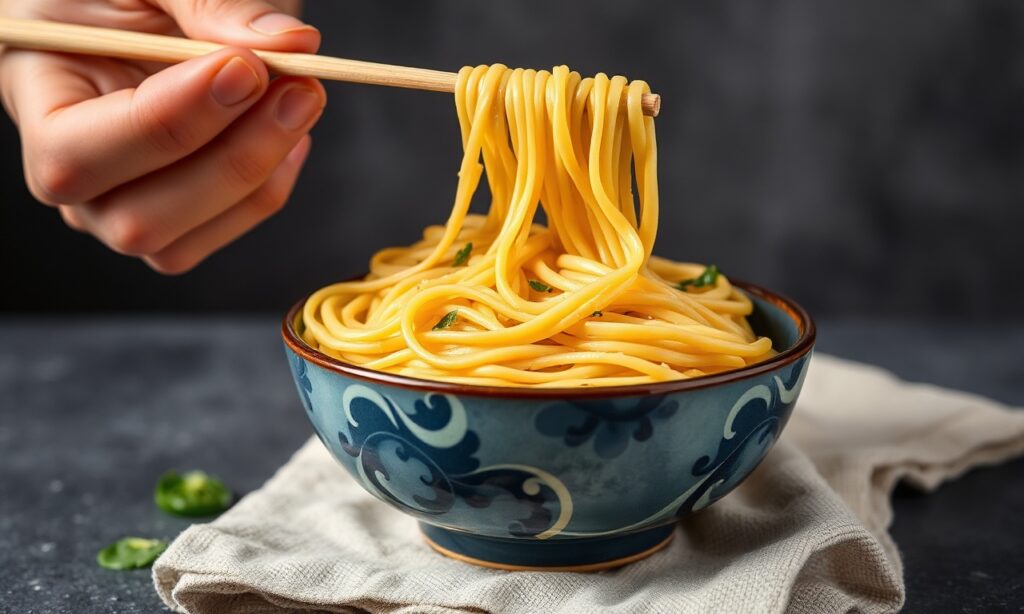
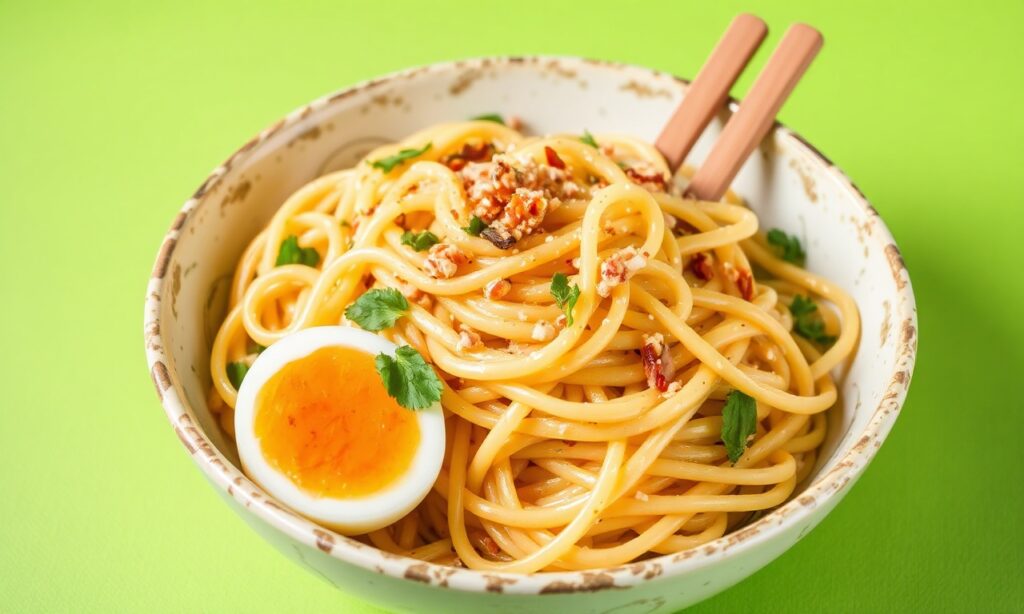
These egg-corn gluten-free noodles pair wonderfully with rustic sauces that highlight their texture. Toss with a fresh basil-butter sauce or a hand-crushed tomato sauce enhanced with garlic and a touch of crushed red pepper. Garnish with shaved Parmesan, chopped fresh herbs like parsley or chives, and a drizzle of high-quality extra virgin olive oil for an elegant finish. For an inviting presentation, serve in a shallow bowl with a sprinkle of toasted pine nuts and a side of garlic-roasted vegetables.
Nutrition Overview
| Nutrient | Per Serving (approx.) |
|---|---|
| Calories | 280 kcal |
| Protein | 10 g |
| Carbohydrates | 45 g |
| Fat | 5 g |
To dive deeper into gluten-free flours and their roles in pasta making, check out our Ultimate Guide to Gluten-Free Flours. For scientific insight into egg chemistry in dough, the Science Daily article on egg proteins offers remarkable detail.
Q&A
Q&A: Egg-cellent Gluten-Free Noodles: taste Meets Tradition
Q1: What makes egg-based gluten-free noodles different from regular noodles?
A1: Egg-based gluten-free noodles combine the rich, velvety texture of customary egg noodles with the added benefit of being gluten-free. Unlike wheat-based noodles that rely on gluten’s elasticity, these noodles use eggs to create structure and moisture, offering a tender bite without compromising taste or tradition.
Q2: Are egg-based gluten-free noodles suitable for people with celiac disease?
A2: Yes! These noodles are crafted from gluten-free ingredients-frequently rice, chickpea, or tapioca flour-paired with eggs to maintain structure. This makes them a safe, delicious option for those with celiac disease or gluten intolerance craving a comforting noodle dish.
Q3: How does the inclusion of eggs affect the nutritional profile of these noodles?
A3: Eggs introduce a boost of high-quality protein, essential vitamins, and minerals, making these noodles not only tasty but also more nutritious. They elevate the simple gluten-free noodle from just carbs to a more balanced meal component, perfect for those seeking wholesome nourishment.
Q4: Can egg-based gluten-free noodles replicate the flavor and texture of traditional wheat noodles?
A4: Absolutely! The eggs lend a natural richness and slight chewiness that closely mimics the familiar bite of traditional egg noodles, preserving the essence of family recipes and cherished dishes-proving that gluten-free doesn’t mean flavor-free.
Q5: What traditional dishes pair well with these egg-cellent gluten-free noodles?
A5: From classic chicken noodle soup and creamy stroganoff to vibrant stir-fries and luscious pasta salads, these noodles soak up sauces and broths beautifully. They’re a versatile canvas that honors culinary heritage while embracing modern dietary needs.
Q6: Are there any cooking tips to get the best out of egg-based gluten-free noodles?
A6: For the fluffiest results, cook them just until al dente-usually a minute or two less than package instructions suggest-since they can become mushy when overcooked. Rinsing under cold water after draining can help prevent sticking, especially if using in cold dishes.
Q7: Where can consumers find egg-based gluten-free noodles?
A7: Many specialty grocery stores and health food markets carry them, and numerous online retailers offer an impressive range. As demand grows, more brands are innovating with flavors and shapes that bring both convenience and culinary delight right to your pantry.
Q8: Why should traditionalists embrace gluten-free egg noodles?
A8: Because they marry the best of both worlds-honoring age-old textures and tastes while accommodating modern health needs. It’s a bridge between past and present, inviting everyone to share in the timeless joy of noodle dishes without compromise.
Q9: Can these noodles be part of an enduring food choice?
A9: Yes, choosing gluten-free flours like chickpea or lentil not only diversifies your diet but can also support sustainable agriculture. Combined with eggs-a highly efficient protein source-these noodles can be part of a conscious, planet-amiable menu.
Q10: What is the future of egg-based gluten-free noodles in culinary traditions?
A10: As global palates evolve and dietary awareness grows, egg-based gluten-free noodles are poised to become staples in kitchens worldwide. They symbolize culinary creativity, blending heritage with innovation-a tasty testament to how tradition can adapt and thrive.
Gluten in To Wrap It Up
As we’ve unraveled the story behind these egg-cellent gluten-free noodles, it’s clear that tradition and innovation can twirl together on the same fork. Whether you’re navigating dietary needs or simply craving a comforting bowl of noodles that honors heritage without compromise, these gluten-free delights prove that taste need never be sacrificed. So next time you’re in the kitchen, let these noodles inspire you to create dishes that celebrate both flavor and well-being-a true testament to how culinary tradition can evolve while keeping every bite deliciously authentic.
See also: Gluten