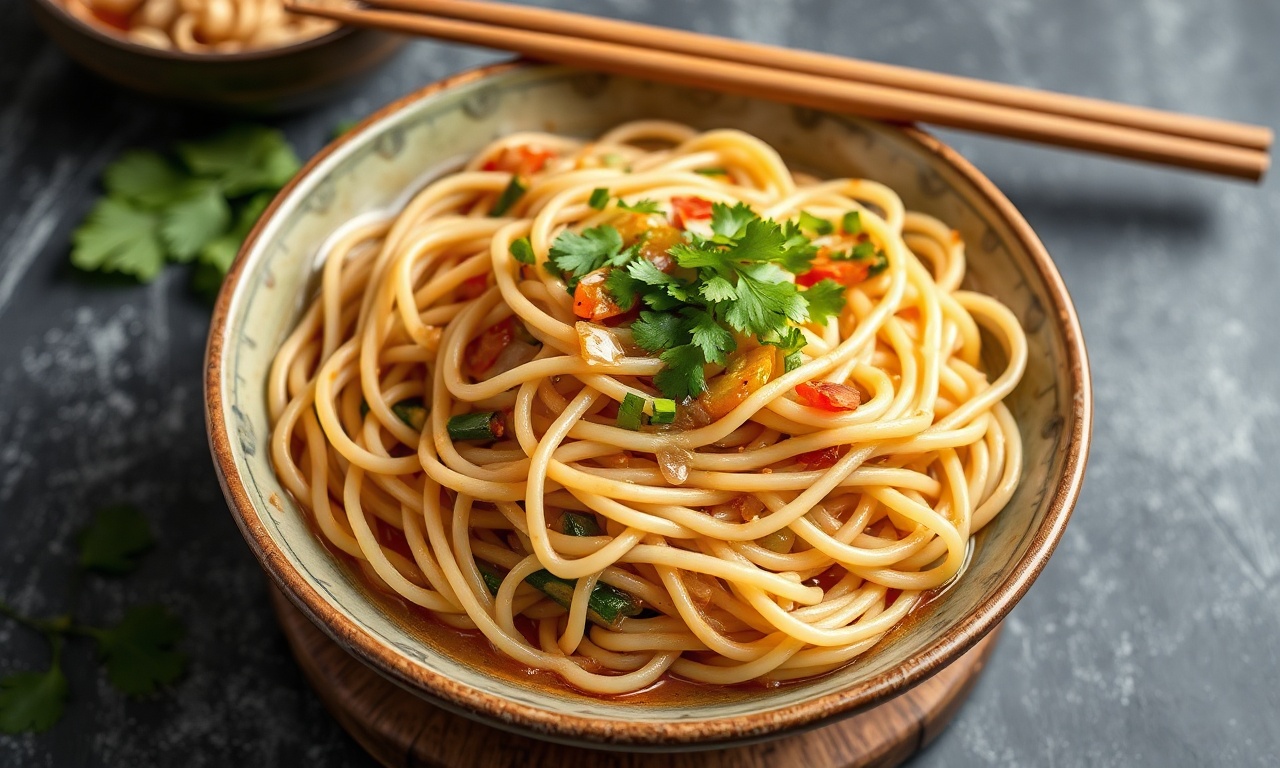
Lo Mein noodles-soft,silky strands tossed in a symphony of savory sauces and vibrant vegetables-are more than just a beloved dish; they are a flavorful ambassador of classic Chinese cuisine. Rooted in centuries-old culinary traditions, lo mein offers a perfect balance of textures and tastes that dance on the palate, inviting both novice foodies and seasoned gourmands alike to embark on an appetizing journey. Whether enjoyed from a bustling street vendor or crafted lovingly in a home kitchen, Authentic Lo mein noodles capture the essence of China’s rich gastronomic heritage, blending simplicity with complexity in every bite.
When it comes to Authentic Lo, we’ll explore the origins, ingredients, and cultural meaning behind lo mein, revealing why this humble noodle dish continues to captivate taste buds around the world.
In the context of Authentic Lo, Lo Mein Noodles have long held a cherished place in Chinese culinary tradition,beloved for their tender strands and rich,savory sauce that melds vibrant flavors in every bite. originating from Northern China, these wheat-based noodles evolved as a humble, yet versatile street food before becoming a staple in home kitchens and restaurants worldwide.Their delicate chew and capacity to absorb bold seasonings make Lo Mein a quintessential dish that balances simplicity with depth-inviting endless creativity from classic pork and vegetable mixes to modern, fusion-infused variations.
Authentic Lo: Prep and Cook Time
- Preparation: 15 minutes
- Cooking: 10 minutes
- Total Time: 25 minutes
Yield
Serves 4 generously, perfect for a hearty lunch or dinner.
Difficulty Level
Around Authentic Lo, Easy – A great recipe for cooks of all levels, with straightforward steps and accessible ingredients.
Essential Ingredients and Techniques for Authentic Lo Mein Flavor
- 9 oz fresh or dried egg noodles (preferably medium thickness)
- 2 tbsp vegetable oil (neutral oil like canola or peanut)
- 3 cloves garlic, minced
- 1-inch piece ginger, finely grated
- 1 cup mixed vegetables (sliced bell peppers, carrots, snow peas, and baby corn)
- 1/2 lb protein of choice (thinly sliced chicken, beef, shrimp, or tofu)
- 3 tbsp soy sauce (light soy for saltiness)
- 1 tbsp oyster sauce
- 1 tsp toasted sesame oil
- 1 tsp sugar (balances saltiness)
- 1/4 cup chicken or vegetable broth
- 2 green onions, chopped (for garnish)
Instructions
- Cook the noodles: Bring a large pot of water to a boil. Add the noodles and cook according to the package instructions until just tender-usually 3-5 minutes for fresh, 7-8 minutes for dried. Drain and drizzle with a little oil to prevent sticking. Set aside.
- Prepare the sauce: in a small bowl, whisk together soy sauce, oyster sauce, sesame oil, sugar, and chicken broth.Set aside.
- Sauté aromatics: Heat 1 tablespoon of vegetable oil in a large wok or skillet over medium-high heat. Add the minced garlic and grated ginger, stirring constantly until fragrant, about 30 seconds.
- Cook protein: Add your choice of protein and stir-fry until cooked through and lightly browned, usually 3-5 minutes. Remove from the wok and set aside.
- Vegetable medley: Add remaining oil to the wok. Stir-fry the mixed vegetables until just tender-crisp, about 2-3 minutes, preserving their vivid colors and crunch.
- Combine & toss: Return the protein to the wok, then add the cooked noodles and pour in the prepared sauce. Using tongs or chopsticks, carefully toss everything together over medium heat, ensuring the sauce coats every strand evenly. Heat through for 1-2 minutes, stirring constantly to prevent sticking.
- Garnish and serve: Transfer to a serving platter and sprinkle with freshly chopped green onions. For an extra touch, add a sprinkle of toasted sesame seeds or a drizzle of chili oil if you like a hint of spice.
Why Authentic Lo Matters: Creative Variations and Pairings to elevate Your Lo Mein Experience
Regarding Authentic Lo, While classic Lo Mein thrives on its simple blend of soy and oyster sauces, creative adaptability makes it endlessly inspiring. Swap proteins for juicy duck breast or plump scallops for a special occasion. incorporate crunchy water chestnuts or earthy shiitake mushrooms to deepen the textural play. For a vegetarian twist, use a colorful palette of bell peppers, bok choy, and marinated tofu complemented by a splash of chili-garlic paste.
When it comes to Authentic Lo, Pair with lighter dishes such as a crisp Hot and Sour Soup or a vibrant cucumber salad to balance the rich, umami-packed lo mein noodles.A chilled jasmine tea or a radiant, citrusy Asian lager makes for refreshing beverage companions.
Expert Tips for Perfectly Tossed Lo Mein Every Time
- Don’t overcook noodles: Slightly undercooked noodles absorb sauce better and maintain a perfect chewy bite.
- Use high heat: A hot wok ensures ingredients cook quickly and flavors meld without becoming soggy.
- Oil the noodles: Toss noodles lightly in oil after draining to keep strands separate.
- Prepare all ingredients before starting: Lo mein comes together rapidly, so have your veggies, protein, and sauce ready to go.
- Customize your sauce: Adjust soy and oyster sauce ratios to suit your salt preference; adding a teaspoon of Shaoxing wine or a splash of rice vinegar adds an extra layer of authenticity.
serving Suggestions
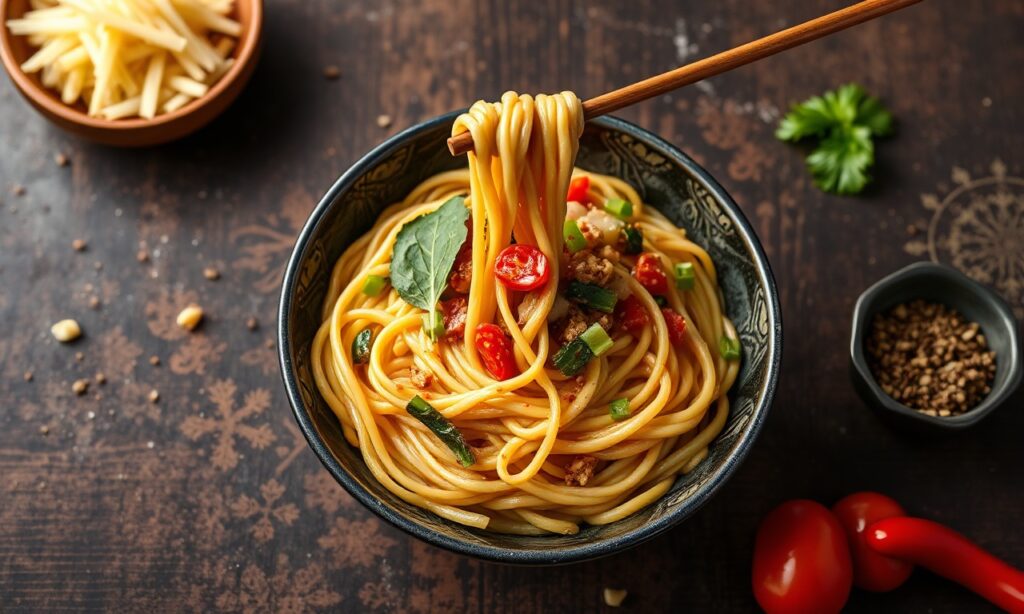
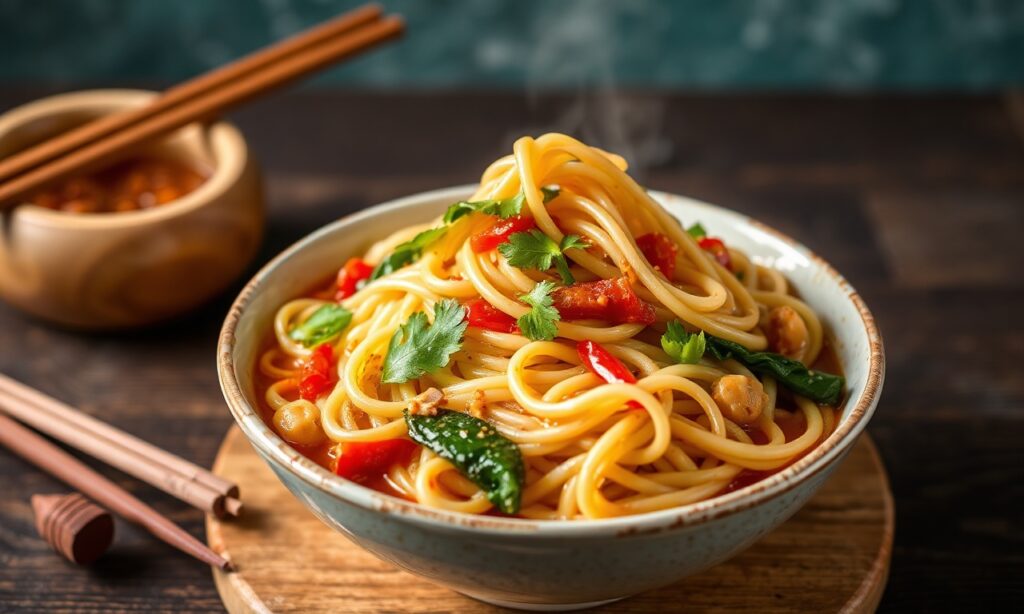
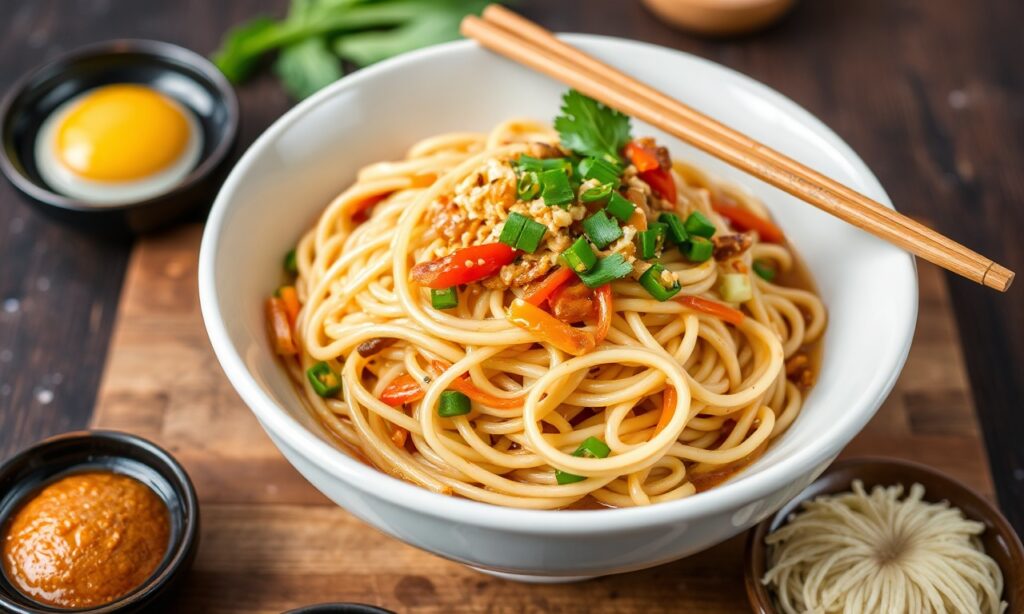
In the context of Authentic Lo, Present your lo mein noodles in a large, shallow bowl to showcase noodles twirled elegantly with vibrant vegetables and glistening sauce.Garnish with fresh chopped green onions, a sprinkle of toasted sesame seeds, or thin slivers of red chili for a pop of color and subtle heat. Serve alongside steamed dumplings or potstickers, and provide chopsticks to complete the authentic experience.
| Nutrient | Per Serving |
|---|---|
| Calories | 420 kcal |
| Protein | 22 g |
| Carbohydrates | 52 g |
| Fat | 12 g |
Around Authentic Lo, For more insights on mastering conventional Chinese noodle dishes, explore our thorough guide on Chinese noodles.
Q&A
Q&A: Lo Mein Noodles – A Flavorful Dive into Classic Chinese Cuisine
Regarding Authentic Lo, Q1: What exactly are Lo Mein noodles, and how do they differ from other Chinese noodles?
Lo Mein noodles are soft, chewy wheat noodles that are typically boiled until tender and then tossed with a savory sauce and a medley of vegetables, proteins, and aromatics. Unlike their stir-fried cousin, Chow Mein, which often boasts crispy, pan-fried noodles, Lo Mein focuses on the rich, saucy coating that soaks into each strand, delivering a luscious, flavorful bite every time.
When it comes to Authentic Lo, Q2: Where does Lo Mein originate from, and how has it evolved?
Lo Mein has its roots in Northern China, where hand-pulled noodles have long been a staple. Traditionally, “lo mein” means “tossed noodles,” referring to the cooking method of tossing boiled noodles with various ingredients. over time, this dish made its way across regions and continents, evolving to include local ingredients and tastes, yet still honoring its original, comforting simplicity.
In the context of Authentic Lo, Q3: what are the key ingredients that define a classic Lo Mein dish?
At its core, Lo Mein features tender wheat noodles, soy sauce, garlic, ginger, and a selection of fresh vegetables like bok choy, carrots, and bell peppers. Proteins such as chicken, beef, shrimp, or tofu are common additions. The magic lies in the sauce-a harmonious blend of soy, oyster sauce, sesame oil, and sometimes a hint of sweetness from sugar or hoisin that coats every noodle perfectly.
Q4: How do you make authentic Lo Mein at home?
Start by boiling fresh or dried egg noodles until just tender. Stir-fry your choice of protein and vegetables in a hot wok or skillet, infusing them with garlic and ginger. toss the cooked noodles into the mix, pour over the savory sauce, and stir vigorously to ensure every noodle absorbs the flavor. The key is fast, high-heat cooking to preserve the vibrant textures and bring the dish alive.
Around Authentic Lo, Q5: What makes Lo Mein such a beloved dish worldwide?
Lo Mein strikes a perfect balance-it’s quick to prepare, endlessly customizable, and incredibly satisfying. Whether you crave a vegetarian delight or a protein-packed meal, this dish can adapt to any palate. Plus, its rich, umami-infused sauce paired with tender noodles creates comfort food that resonates with generations, bridging cultures and tastes.
Regarding Authentic Lo, Q6: Are there any captivating variations of lo Mein to explore?
Definitely! Regional twists abound-from spicy Sichuan styles with chili oil and peppercorns, to Cantonese versions featuring delicate seafood, or American-Chinese takes loaded with sweet soy-based sauces. You can also experiment by swapping noodles for zucchini ribbons or shirataki noodles for a low-carb option, making Lo Mein a canvas for culinary creativity.
Q7: How can Lo Mein noodles be incorporated into a healthy diet?
Lo Mein can easily be nutritious when balanced with lean proteins and an abundance of colorful vegetables.Opt for whole wheat or egg noodles for an extra nutrient boost. Lighten up the sauce by reducing sodium or avoiding excessive oil. The vibrant mix of veggies brings fiber and vitamins, turning this comfort dish into a wholesome choice without sacrificing flavor.
Q8: What cultural significance does Lo Mein hold in Chinese cuisine?
In chinese culture, noodles symbolize longevity and good fortune, making Lo Mein a popular choice during celebrations and family gatherings. Its name-“tossed noodles”-emphasizes communal sharing and harmony as loved ones partake in a meal where flavors and fortunes blend together, reflecting the heartwarming spirit of Chinese culinary tradition.
Whether you’re a seasoned foodie or a curious newcomer, Lo mein offers a delicious gateway into the richness of classic Chinese cuisine-a perfect harmony of taste, texture, and tradition waiting in every twirl.
To Wrap It Up
As the final strands of lo mein noodles twirl on your fork, it’s clear that this humble dish is more than just a meal-it’s a vibrant thread woven into the diverse mix of Chinese cuisine. From its chewy texture to the savory medley of vegetables, sauces, and proteins, lo mein offers a flavorful journey that celebrates tradition and versatility alike. Whether enjoyed at a bustling street market or recreated in your own kitchen, lo mein noodles invite you to savor a timeless taste that continues to delight palates around the world. So next time hunger calls, let lo mein be your flavorful passport to the heart of Chinese culinary heritage.
See also: Authentic Lo