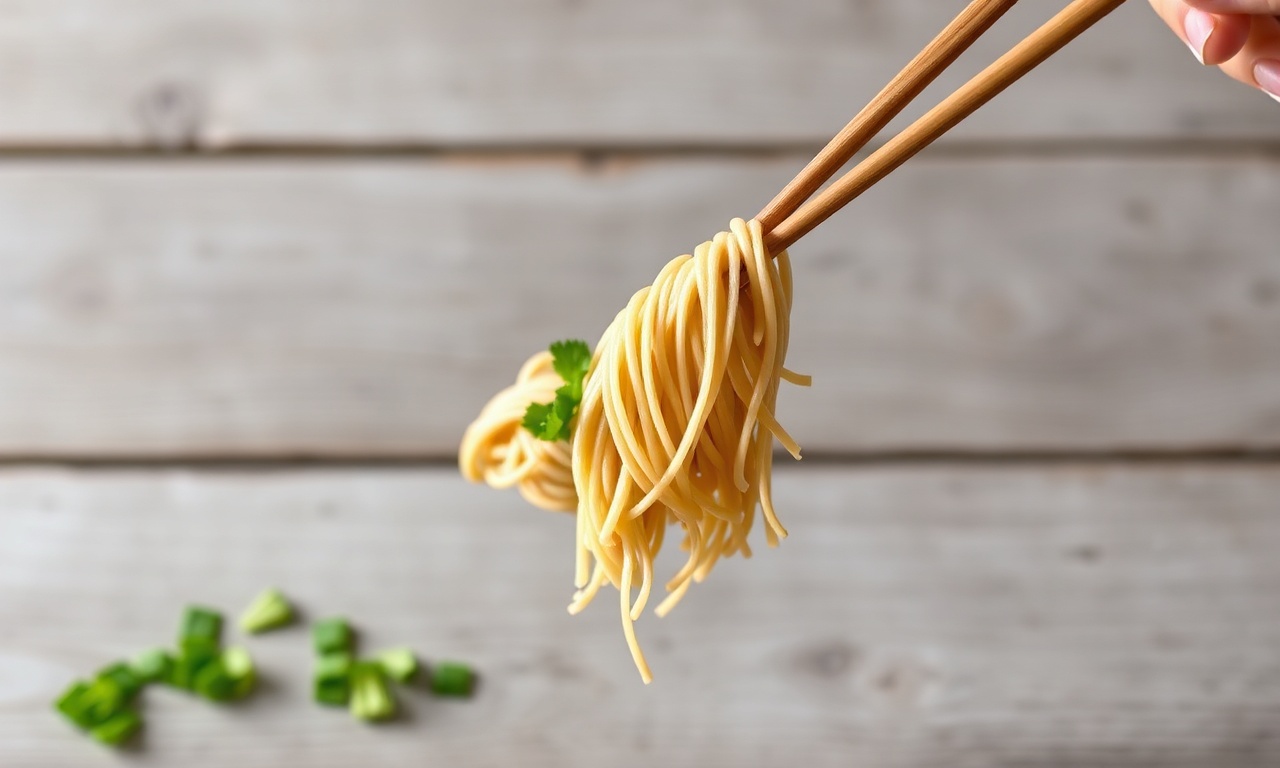
As the sun climbs higher and the summer heat intensifies, our cravings shift toward meals that soothe and invigorate rather than weigh us down. Enter chilled soba and tsuyu-a dynamic duo that’s not just a dish, but an experience of refreshing simplicity. These slender buckwheat noodles, cooled to perfection, paired with a savory, umami-packed dipping sauce, create a harmony that dances on the palate and cools the body.
More than just a seasonal favorite, chilled soba with tsuyu embodies a balance of flavors and textures that have delighted taste buds for centuries. Join us as we unravel the story, technique, and charm behind this quintessentially Japanese refreshment-where every dip is a moment of pure, revitalizing bliss.
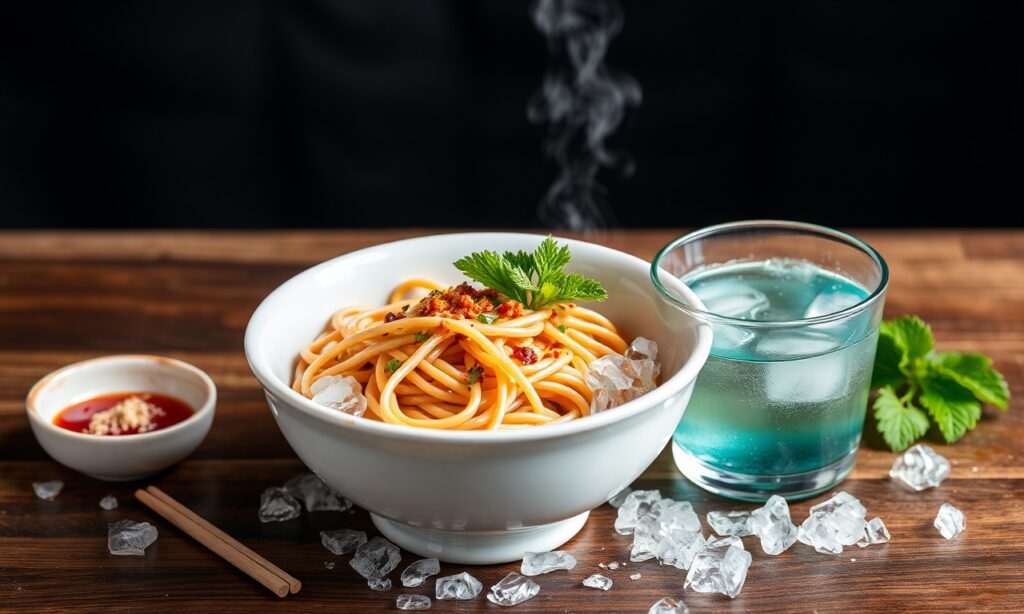
Chilled soba & tsuyu offer an unparalleled taste of Japan’s culinary elegance-refreshing, simple, and deeply satisfying. Originating from the Edo period, this duo has transcended time, bringing cool comfort in summer and a light, wholesome dining option anytime.
The interplay of smooth buckwheat noodles with umami-rich tsuyu dipping sauce creates a harmony that delights the senses and nurtures the soul.We examine mastering this iconic dish, turning your kitchen into a peaceful soba haven.
Prep and Cook Time for Chilled Soba
- Preparation: 15 minutes
- Cooking: 10 minutes
- Total: 25 minutes
Yield
Serves 4 generous portions
Difficulty Level
Easy to Medium; perfect for cooks eager to refine classic techniques
Ingredients
- For the Chilled Soba Noodles:
- 400g dried soba noodles (100% buckwheat or blend)
- Ice cubes and cold water for rinsing
- For the Authentic Tsuyu Dipping Sauce:
- 1 cup dashi broth, chilled
- 1/4 cup soy sauce (preferably Japanese shoyu)
- 1/4 cup mirin
- 1 tablespoon sugar
- Accompaniments & Garnishes:
- Chopped green onions (scallions)
- Grated daikon radish
- Shredded nori (seaweed)
- Wasabi paste (optional)
- Toasted sesame seeds
Instructions
- Prepare the Tsuyu Sauce: In a small saucepan, combine the dashi broth, soy sauce, mirin, and sugar. Warm over low heat, stirring gently to dissolve the sugar, then remove from heat and let cool completely. Chill in the refrigerator for at least 1 hour to develop layers of flavor.
- Cook the Soba: Bring a large pot of water to a rolling boil. Add the soba noodles and gently stir to separate. Boil according to package instructions (typically 4-5 minutes), stirring occasionally to keep noodles loose and prevent clumping.
- Rinse and Chill: Drain the noodles in a colander and immediately rinse under cold running water.Gently rub the noodles with your fingers to wash away excess starch. Transfer to a large bowl of ice water to cool thoroughly, giving the dish its signature chill and bounce.
- Drain and Serve: Lift the noodles from the ice bath and allow them to drain completely on a clean kitchen towel or bamboo tray lined with paper towels. Proper draining prevents dilution of the dipping sauce and retains texture.
- Plate the Dish: Artfully arrange the chilled soba noodles into neat nests on individual plates or a shared platter. Pour the chilled tsuyu sauce into small dipping bowls.
- Add Garnishes: sprinkle chopped green onions, sesame seeds, and shredded nori around or on top of the noodles. Offer grated daikon and a dab of wasabi on the side for customizable flavor bursts.
- Enjoy: Dip the noodles into the tsuyu sauce one bite at a time.This interactive style enhances the flavors and textures, encouraging slow, mindful eating perfect for warm days.
Tips for Success with Chilled Soba & tsuyu
- Maximize Noodle Texture: Avoid overcooking; the ideal soba should be firm with a slight chewiness. Rinsing thoroughly in cold water is essential to halt cooking and remove starch for that glossy finish.
- Dashi Quality Is Key: Use fresh, homemade dashi if possible, or a high-quality instant granule as a shortcut. The tsuyu’s depth depends heavily on this umami foundation.
- Adjust Sweetness & Saltiness: After chilling, taste your tsuyu and tweak sugar or soy sauce to suit your palate.
- Make-Ahead Amiable: Both noodles and tsuyu can be prepared a few hours in advance and refrigerated separately. Bring noodles back to room temperature by briefly submerging in cold water before serving.
- Creative Variations: Try adding a splash of yuzu juice or zest to tsuyu for a citrusy brightness. For extra texture, sprinkle toasted crushed sansho pepper or finely toasted almonds with the sesame seeds.
Serving Suggestions to Elevate Your Chilled Soba Experience
Present your chilled soba noodles with the tsuyu dipping sauce in beautifully coordinated tableware-think rustic lacquer bowls for warmth or minimalist ceramic dishes that celebrate simplicity. Add a side of steamed edamame brushed lightly with sea salt or a small salad of pickled cucumber and carrot for contrast.
For a lush twist, serve alongside tempura vegetables or shrimp, allowing guests to alternate bites between crisp batter and delicate noodles. Experiment with garnishes such as thin shiso leaves or finely julienned cucumber ribbons, wich bring a refreshing herbal edge.
| Nutrient | Per Serving (approx.) |
|---|---|
| Calories | 350 kcal |
| Protein | 10 g |
| Carbohydrates | 70 g |
| Fat | 1.5 g |
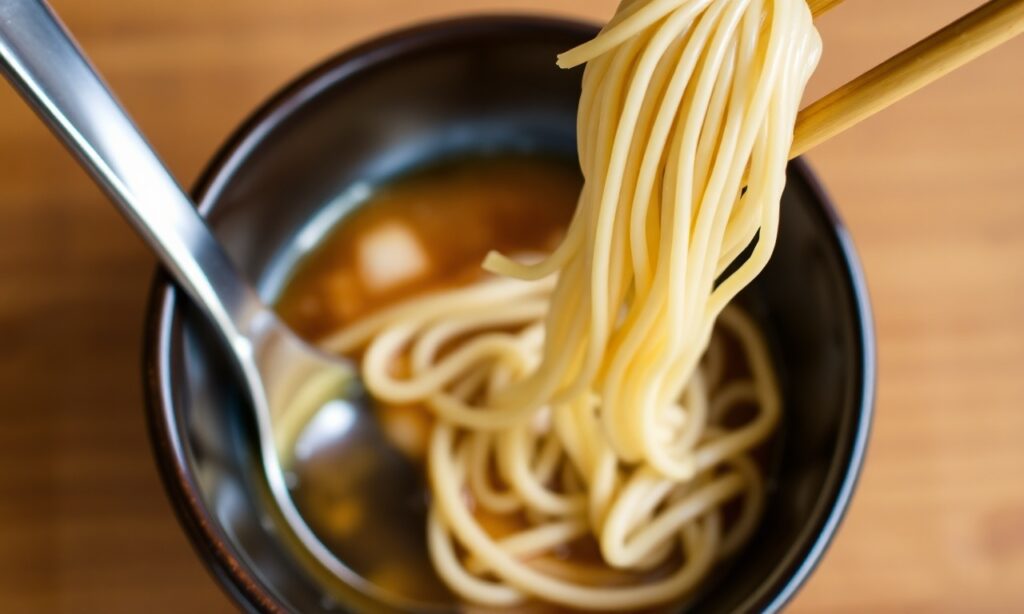
For a deeper dive into authentic Japanese noodle dishes, explore our Extensive Guide to Japanese Noodles. Elevate your knowledge and skills to become a true soba connoisseur.
Q&A
Q&A: Chilled Soba & Tsuyu – The Perfect Refreshing Dip Duo
Q1: What makes chilled soba noodles a standout summer dish?
A1: Chilled soba noodles are the quintessence of refreshing simplicity. Made from buckwheat flour, these thin, nutty noodles serve as a cool, light base that is both satisfying and easy to digest.Their slightly chewy texture offers a delightful contrast to hot summer days, making them an ideal meal to cool down and recharge without feeling heavy.
Q2: How is tsuyu sauce traditionally prepared,and why is it essential?
A2: Tsuyu is a versatile dipping sauce usually crafted from a harmonious blend of dashi (a savory broth made from kombu seaweed and dried bonito flakes),soy sauce,and mirin-a sweet rice wine seasoning. Its umami-rich, slightly sweet-savory profile elevates the subtle flavor of soba noodles and awakens the palate. Without tsuyu, soba would feel incomplete, as the dipping sauce adds depth and complexity.
Q3: Can tsuyu be customized to suit different tastes?
A3: Absolutely! While the base flavors of tsuyu are delicate yet pronounced, slight tweaks can personalize the experience. For instance,adding freshly grated ginger or a sprinkle of wasabi brings gentle heat,while a touch of yuzu zest or juice introduces a fragrant citrus brightness. Some also enjoy infusing their tsuyu with a dash of toasted sesame oil or chopped green onions for additional layers of flavor.
Q4: What are some traditional garnishes that enhance the chilled soba and tsuyu combo?
A4: Classic garnishes include finely sliced nori (seaweed strips), chopped scallions, and a sprinkle of sesame seeds. These add both texture and visual appeal.A small dab of grated daikon radish or a few shreds of shiso leaf can bring a refreshing, slightly peppery note that complements the earthy soba and savory tsuyu.
Q5: How should chilled soba be served for the best dipping experience?
A5: The key is in presentation and temperature. Once cooked, soba noodles are quickly rinsed under cold water to halt cooking and remove excess starch, then chilled thoroughly. They’re served in neat bundles or arranged artfully on a bamboo sieve or plate.Tsuyu is placed in small bowls beside each serving,inviting diners to pick up a bundle of noodles and dip generously before savoring.
Q6: Is chilled soba with tsuyu suitable for a quick meal or more of a leisurely dining experience?
A6: It works beautifully for both! Its quick preparation makes it an excellent choice for a refreshing, nutritious lunch or light dinner when time is short.Yet, it also lends itself to a more relaxed dining ritual, encouraging mindful eating as you savor each bite and the satisfying interplay between the cool noodles and flavorful dip.
Q7: Can this dish accommodate dietary preferences or restrictions?
A7: Certainly! Chilled soba with tsuyu is naturally vegan and gluten-free when using 100% buckwheat soba noodles and a tsuyu made without wheat-based soy sauce (tamari is a great gluten-free alternative). It’s a fantastic option for those seeking plant-based or allergy-friendly meals that don’t compromise on taste or texture.
Q8: What makes the chilled soba and tsuyu pairing timeless and globally appreciated?
A8: The beauty lies in the balance – simplicity meeting sophistication. The soba noodles offer a clean, subtly nutty canvas, while the tsuyu brings layers of umami and gentle sweetness. this harmony creates a sensory experience that refreshes, nourishes, and delights, transcending cultural boundaries and seasons alike.it’s a dish that invites everyone to appreciate the elegance of minimalism in cuisine.
Closing Remarks
As the warmth of the day lingers, nothing quite soothes the senses like the crisp harmony of chilled soba noodles paired with the savory embrace of tsuyu. This dynamic duo not only refreshes the palate but also offers a delightful glimpse into Japan’s culinary artistry-where simplicity meets depth in every bite.
Whether you’re seeking a light meal or a flavorful escape, the dance between soba and tsuyu invites you to savor serenity in a bowl, proving that sometimes, the most perfect refreshment is found in the simplest combinations. So next time the heat calls for relief, let this elegant pairing be your cool and comforting companion.
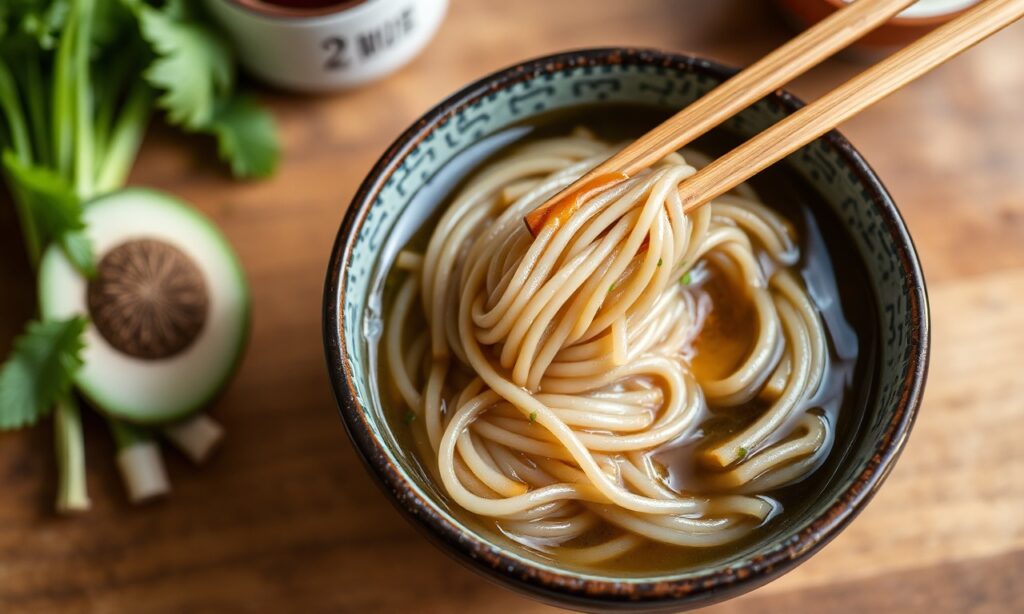
See also: Chilled Soba