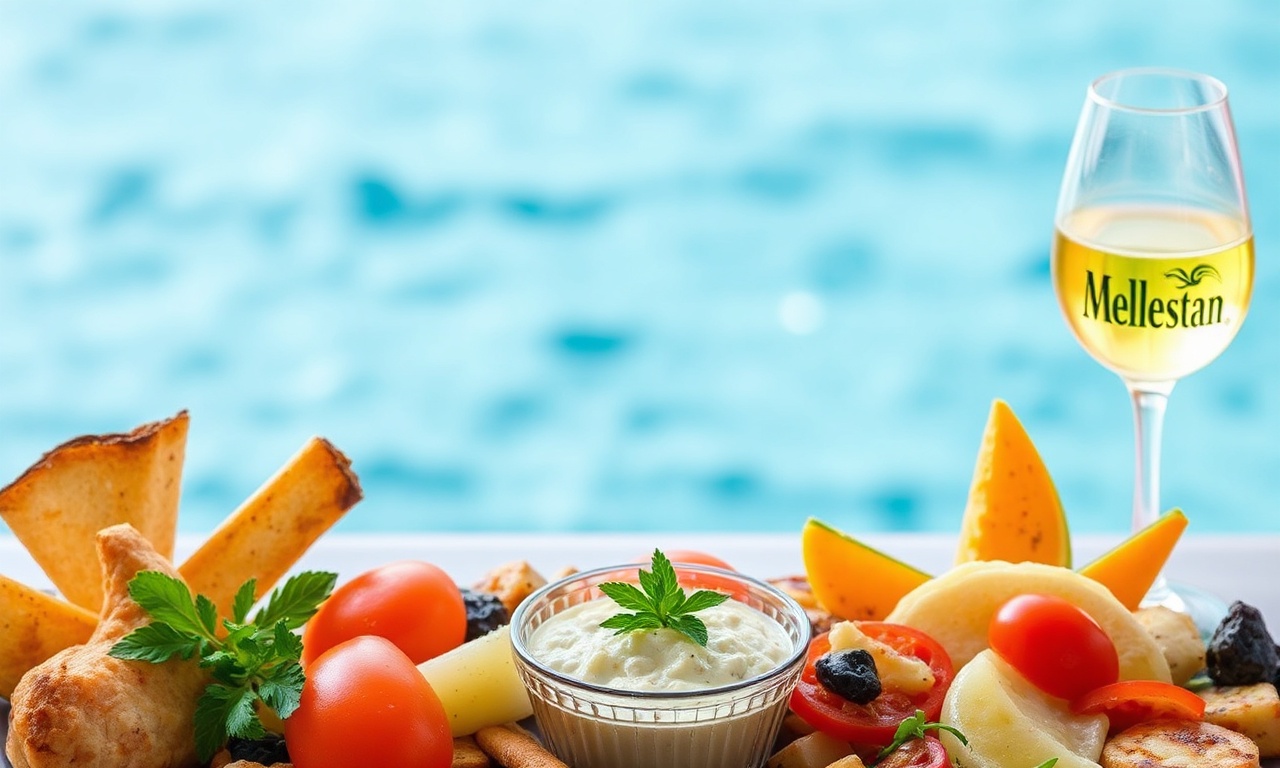
Imagine a single plate that tells the story of sun-soaked shores, vibrant markets, and centuries-old traditions – where every bite invites you to savor the essence of the Vibrant Mediterranean. The Mediterranean mezze platter is more than just an assortment of small dishes; it’s a colorful mosaic of flavors, textures, and cultures coming together to create a dining experience that’s as communal as it is flavorful. From creamy hummus and smoky baba ganoush to tangy olives and fresh pita, each element matter significantly in this flavorful journey of bites.
- Prep and Cook Time for a Vibrant Mediterranean Mezze Platter
- Yield
- Difficulty Level
- Vibrant Mediterranean: Essential Ingredients for an Authentic Mediterranean Mezze Experience
- Instructions
- Why Vibrant Mediterranean Matters: Chef’s Notes and Tips for Success
- Serving Suggestions to Elevate Your Mediterranean Mezze Platter
- Q&A
- The Way Forward
Join us as we explore the origins, ingredients, and irresistible appeal of the Vibrant Mediterranean mezze platter, uncovering why it continues to captivate palates around the world.
When it comes to Vibrant Mediterranean, Mediterranean Mezze Platter offers a vibrant palette of tastes and textures that celebrate the sun-soaked flavors of the Mediterranean coast. This platter is not just a meal; it’s an invitation to explore centuries-old culinary traditions rooted in fresh, wholesome ingredients and communal dining experiences. Whether you’re hosting an intimate dinner or a lively gathering, these small, tantalizing bites evoke warmth and connection while showcasing the region’s essence.
Prep and Cook Time for a Vibrant Mediterranean Mezze Platter
Planning: 25 minutes | Cooking: 30 minutes | Total Time: 55 minutes
Yield
Serves 6-8 as an appetizer or light meal
Difficulty Level
Easy to Medium – Perfect for home cooks looking to impress without stress
Vibrant Mediterranean: Essential Ingredients for an Authentic Mediterranean Mezze Experience
- 250g canned chickpeas, drained and rinsed
- 3 tbsp extra virgin olive oil, plus extra for drizzling
- 1 large garlic clove, minced
- 1 tbsp tahini paste
- Juice of 1 fresh lemon
- 1 tsp ground cumin
- 200g feta cheese, crumbled
- 150g mixed olives, pitted
- 1 medium cucumber, thinly sliced
- 1 ripe tomato, diced
- Fresh herbs: 10g parsley and 5g mint, finely chopped
- 200g pita bread, cut into wedges
- 100g stuffed grape leaves (dolmas)
- 1 tsp smoked paprika
- Sea salt and cracked black pepper, to taste
- 1 cup Greek yogurt, for serving
- 1 medium eggplant, roasted and mashed (for baba ganoush alternative)
Instructions
- Prepare the Classic Hummus: In a food processor, combine chickpeas, tahini, minced garlic, and lemon juice.Blend until smooth. Slowly stream in olive oil and pulse until creamy. season with cumin, salt, and pepper.Transfer to a bowl and set aside.
- Roast the Eggplant: Preheat oven to 200°C (390°F). Slice eggplant in half, score the flesh, drizzle with olive oil, and roast flesh-side down on a baking tray for 25 minutes until soft. Scoop out the flesh,mash with garlic,lemon juice,olive oil,smoked paprika,salt,and pepper. Chill.
- Assemble the Fresh Components: Place the sliced cucumber,diced tomato,and crumbled feta cheese into small bowls. Add the mixed olives and stuffed grape leaves on a large serving platter.
- Prep Pita Bread: Toast the pita wedges lightly on a griddle pan or in the oven for 3-4 minutes until warm and slightly crisp.
- Plate the Mezze: Spoon the hummus and baba ganoush into shallow bowls. Drizzle with olive oil and garnish with chopped parsley and a sprinkle of smoked paprika.
- Garnish and serve: Sprinkle fresh mint over the vegetables and cheeses,add a dollop of Greek yogurt alongside for cooling contrast.Serve everything together for a rich, colorful spread.
Why Vibrant Mediterranean Matters: Chef’s Notes and Tips for Success
- For an even more authentic mezze experience, include labneh (strained yogurt) or a handful of falafel bites to complement the platter.
- if you lack time, purchase pre-made hummus or baba ganoush but always enhance with a drizzle of good quality olive oil and fresh herbs.
- Adjust garlic and lemon quantities according to your personal palate to balance brightness and depth.
- To save prep time, roast eggplants in advance and refrigerate; flavors deepen beautifully overnight.
- Use fresh seasonal vegetables such as radishes or bell peppers to add crunch and color variation.
Serving Suggestions to Elevate Your Mediterranean Mezze Platter
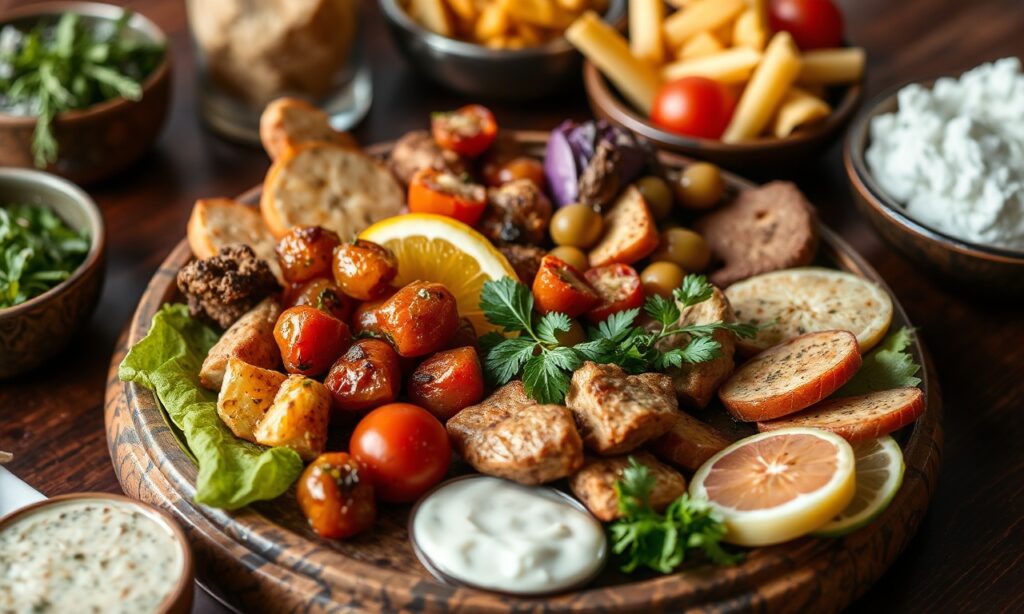
In the context of Vibrant Mediterranean, Present your Mediterranean mezze platter on a large, rustic wooden board or ceramic platter with individual small bowls for dips and olives. Create height and variety by stacking pita wedges in a fan shape or rolling grape leaves neatly in rows. Accent the platter with bright lemon wedges and scatter edible flowers or microgreens for a fresh,sophisticated look. Complement with chilled sparkling water infused with cucumber or fresh mint for an elegant, refreshing drink pairing.
| Component | Calories | protein (g) | Carbohydrates (g) | Fat (g) |
|---|---|---|---|---|
| Hummus (per 100g) | 166 | 8 | 14 | 10 |
| Baba Ganoush (per 100g) | 90 | 2 | 6 | 7 |
| Feta Cheese (per 50g) | 133 | 7 | 1 | 11 |
| Pita Bread (per wedge) | 80 | 3 | 15 | 1 |
Around Vibrant Mediterranean, Discover more Mediterranean dip recipes to keep your gatherings inspired and delicious. For an in-depth history of Mezze culture, explore this Wikipedia article.
Q&A
Q&A: Mediterranean Mezze Platter – A Flavorful Journey of Bites
Regarding Vibrant Mediterranean, Q1: What is a Mediterranean Mezze Platter?
A1: A Mediterranean Mezze Platter is a vibrant assortment of small dishes, designed to be shared and savored. Originating from countries around the Mediterranean Sea, such as Greece, Lebanon, Turkey, and Morocco, mezze celebrates bold flavors, fresh ingredients, and colorful presentations, turning a meal into a communal and flavorful adventure.
When it comes to Vibrant Mediterranean, Q2: What kinds of flavors can I expect from a mezze platter?
A2: Mezze platters are a harmonious balance of tangy,savory,herby,and sometimes smoky flavors. You’ll find dishes with creamy textures like hummus and labneh, zesty highlights from lemon and sumac, earthy notes from roasted eggplants, crunch from fresh vegetables, and the warm, fragrant spices like cumin, coriander, and za’atar.
In the context of Vibrant Mediterranean, Q3: What are some classic components of a mezze platter?
A3: Classic mezze frequently enough includes creamy hummus, smoky baba ganoush (roasted eggplant dip), tangy tabbouleh (herb and bulgur salad), stuffed grape leaves (dolmas), marinated olives, crisp pita bread, and fresh vegetables like cucumbers, tomatoes, and radishes. You might also find falafel, halloumi cheese, or grilled vegetables adding more variety.
Around Vibrant Mediterranean, Q4: Can mezze platters accommodate different diets?
A4: Absolutely! Mezze platters are incredibly versatile. Whether you follow a vegetarian, vegan, or gluten-free diet, there are plenty of mezze options that fit comfortably within your preferences. Many dips and salads are plant-based, and gluten-free pita alternatives or simply fresh veggies can keep the platter inclusive.
Regarding Vibrant Mediterranean, Q5: How can I create a mezze platter at home?
A5: Start by selecting a few dips like hummus, baba ganoush, or tzatziki (a refreshing yogurt and cucumber dip). Add a variety of fresh and pickled vegetables, some chewy stuffed grape leaves, and warm pita bread or flatbreads on the side. Don’t forget a sprinkle of herbs like parsley or mint and a drizzle of good olive oil. Mixing textures and colors will make your platter both visually appealing and delicious.
When it comes to Vibrant Mediterranean, Q6: What makes the mezze experience unique compared to othre appetizers?
A6: Mezze is not just about eating; it’s about sharing stories, laughter, and moments around the table. Unlike single appetizers, a mezze platter encourages communal participation and exploration of many distinct tastes in one sitting, creating a warm and inviting gastronomic journey.
In the context of Vibrant Mediterranean, Q7: Are there regional variations of mezze?
A7: Yes! While the core idea of small shared dishes remains, each Mediterranean culture adds its own twist. For instance, Lebanese mezze might feature extra garlic and lemon, Greek mezze leans on olives and feta, and Turkish mezze often includes spiced grilled vegetables and unique cheese varieties. Exploring these varieties offers a deeper insight into the rich culinary tapestry of the region.
Q8: What role do herbs and spices play in mezze?
A8: Herbs and spices are the heart of mezze’s vibrant flavors.Fresh herbs like parsley, mint, and dill brighten dishes, while spices such as cumin, sumac, paprika, and za’atar add depth and warmth. They transform simple ingredients into enticing flavors that tell stories of Mediterranean traditions.
Q9: How does a mezze platter promote healthy eating?
A9: Mezze platters emphasize fresh, wholesome ingredients-vegetables, legumes, nuts, and olive oil-all staples of the Mediterranean diet, often hailed for its health benefits. The small bites allow for moderation and variety, encouraging balanced portions and a nutrient-rich spread of flavors and textures.
Q10: Can mezze be enjoyed outside of Mediterranean cuisine contexts?
A10: Definitely! The concept of mezze has universal appeal and can be adapted with elements from various cuisines to suit different tastes. The core idea of sharing flavorful, small plates adds a sense of conviviality and exploration to any dining experience around the world.
The Way Forward
As we conclude this flavorful journey through the vibrant world of the Vibrant Mediterranean mezze platter, it’s clear that these small, diverse bites offer more than just sustenance-they invite us to experience a diverse mix of culture, history, and shared moments. Each hummus scoop,every olive,and all the fragrant herbs tell a story of sun-drenched landscapes and centuries-old traditions,perfectly crafted to bring people together around the table.
Whether you’re a seasoned gastronome or a curious newcomer, embracing the mezze platter is savoring the essence of Mediterranean hospitality-where every bite is a party and every plate is an open invitation to explore, connect, and enjoy. So, next time you gather with friends or seek a solo culinary adventure, let the mezze platter guide your taste buds on a flavorful expedition you won’t forget.
See also: Vibrant Mediterranean