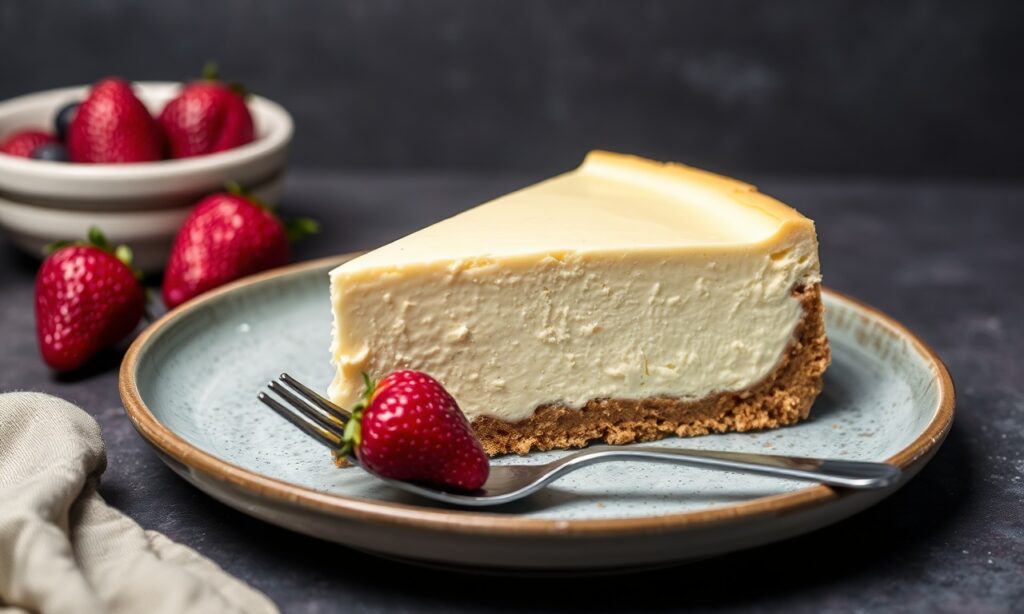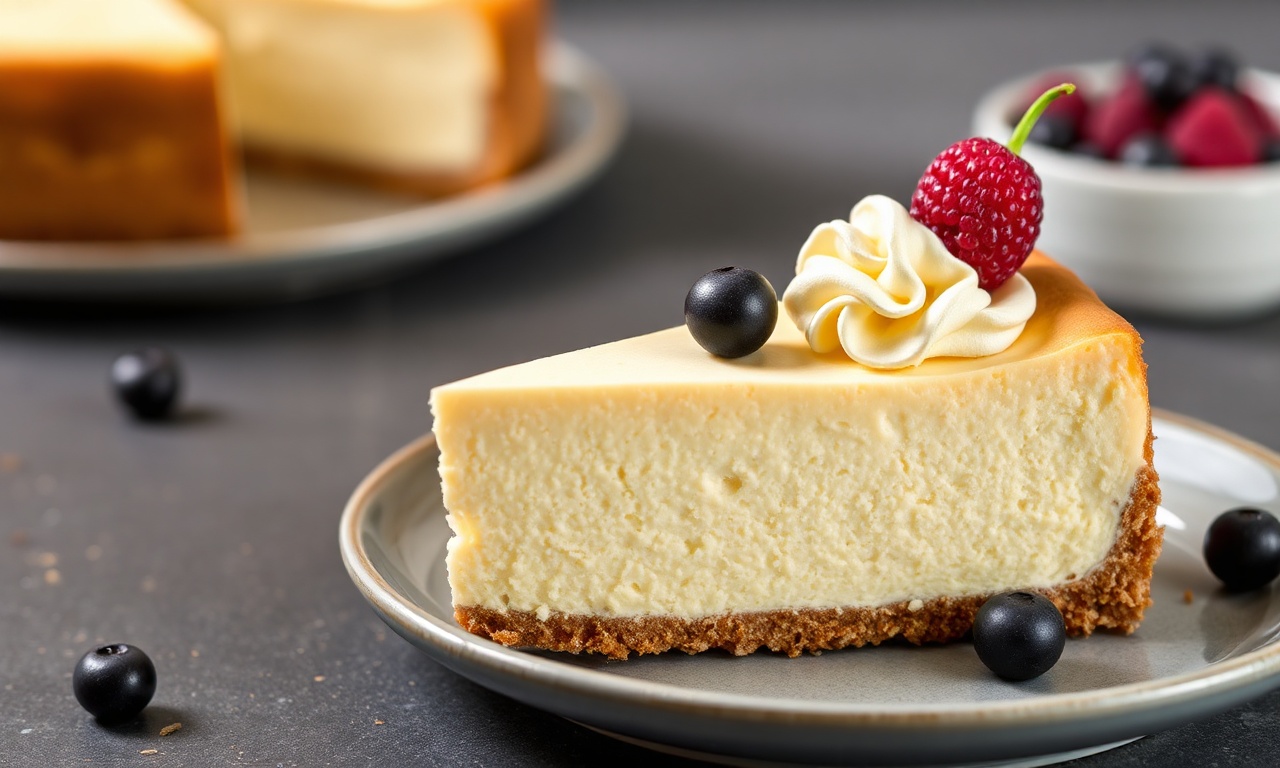
There’s something undeniably enchanting about the rich, velvety texture of a perfectly baked cheesecake-a luscious indulgence that has won hearts across generations.But what if that creamy delight could be savored without the gluten? Enter the decadent gluten-free cheesecake: a harmonious blend of luxurious flavor and thoughtful ingredient choices that ensure everyone, nonetheless of dietary restrictions, can enjoy a flawless slice.
Whether you’re a seasoned baker or a curious kitchen adventurer, this guide will unveil the essential tips and tricks to crafting a cheesecake that’s not only gluten-free but irresistibly smooth, satisfying, and truly unforgettable. Get ready to transform yoru dessert repertoire and delight your guests with a slice of pure,gluten-free bliss.
Choosing the Perfect Gluten-Free Crust for Creamy Texture
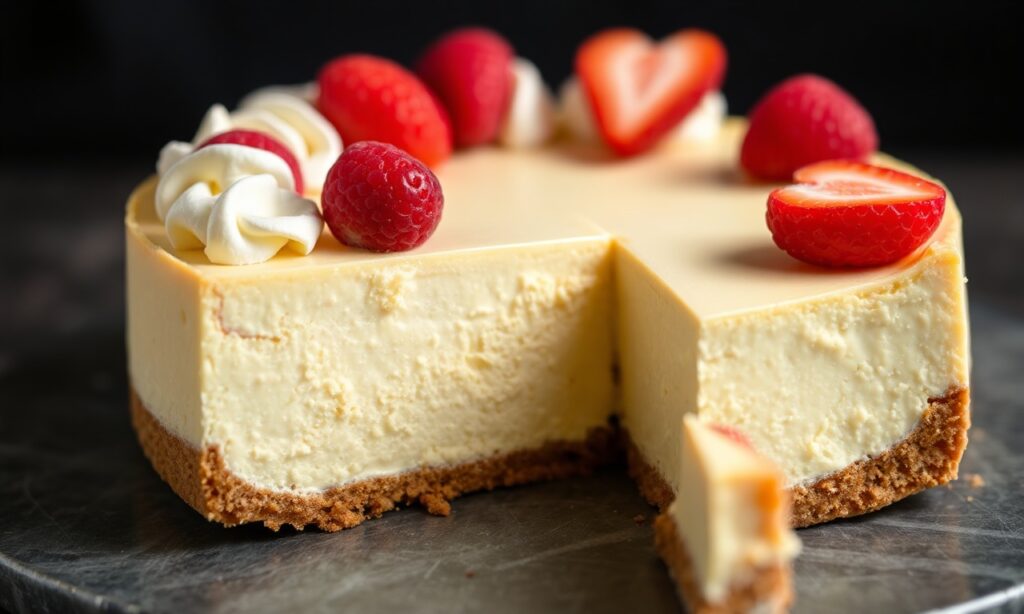
Decadent gluten-free cheesecake begins its journey with the foundation: the crust. Choosing the perfect gluten-free crust is essential to achieve that coveted creamy texture throughout your slice. Unlike traditional graham cracker crusts, gluten-free versions require thoughtful ingredient pairing to balance crunch and tenderness without crumbling under the creamy filling.
For a rich, buttery base that complements the smooth cheesecake, finely ground almond flour or gluten-free oat flour combined with a bit of melted butter and natural sweetener works wonders. These flours give a subtle nuttiness that enhances the cheesecake’s depth, while still yielding a firm bite. Press the mixture evenly into a springform pan, firmly packing it into the edges to create a sturdy shell capable of supporting the luscious filling.
Mastering the Art of Smooth and Velvety Cheesecake Filling
The heart of any decadent gluten-free cheesecake is its filling-luxuriously smooth, radiant, and velvety. To master this, start by bringing all dairy ingredients, such as cream cheese and sour cream, to room temperature. This simple step prevents lumps and ensures a seamless blend. Beat cream cheese gently, gradually incorporating sugar and eggs one at a time to maintain a silky texture without overmixing, which can trap unwanted air bubbles.
Adding a splash of pure vanilla extract or a hint of fresh lemon zest intensifies the flavor while keeping the texture luscious and rich. For added creaminess,fold in a dense yet light mixture of sour cream or mascarpone,which melts into the filling during baking,providing that classic cheesecake silkiness.
Baking Techniques to Achieve the Ideal Rise and Creaminess
Baking a decadent gluten-free cheesecake is a delicate process that balances rise with moisture. To create that perfect cloud-like top, bake the cheesecake in a water bath (bain-marie). This slow,even heat distribution prevents the edges from drying out while helping the filling cook gently,producing a luscious interior with a subtly puffed surface.
Oven temperature matters: bake at a low 325°F (163°C) to allow the cheesecake to set gradually. Keep a close eye during the last 10 minutes – the edges should be firm while the center remains just slightly wobbly, signaling optimal creaminess once cooled.
Avoid opening the oven door during baking to prevent temperature fluctuations that might cause cracks. Once baked,let the cheesecake cool gradually by first resting it inside the switched-off oven with the door ajar for an hour. This prevents sudden cooling and preserves its smooth consistency.
Expert Tips for Cooling and Serving the perfect Slice
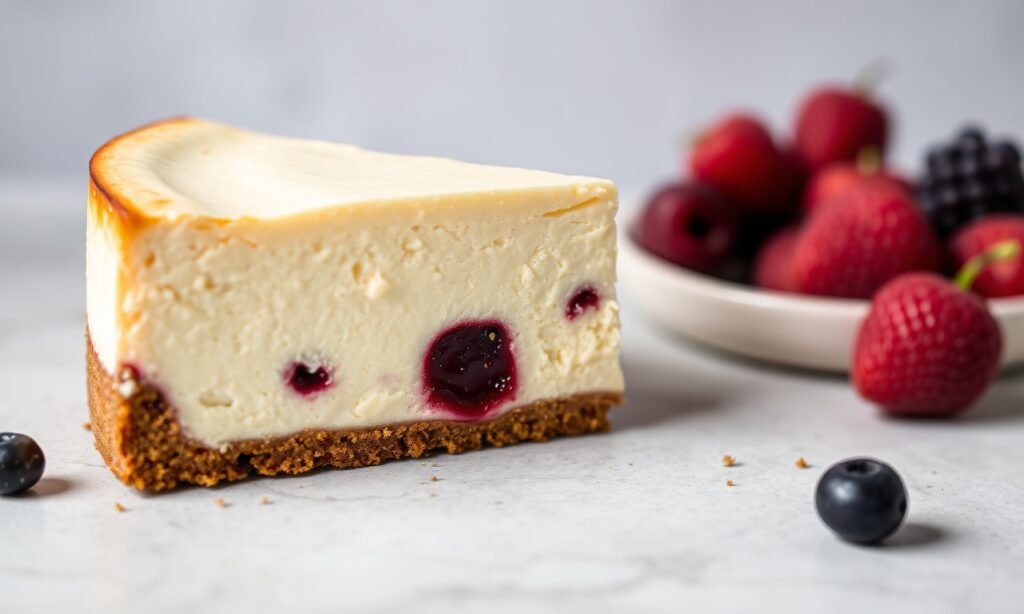
Patience transforms a decadent gluten-free cheesecake from good to sublime. Allow the cheesecake to cool completely at room temperature before refrigerating it overnight or for at least 8 hours. This slow chill enhances the creamy texture and firms the crust, ensuring clean, elegant slices.
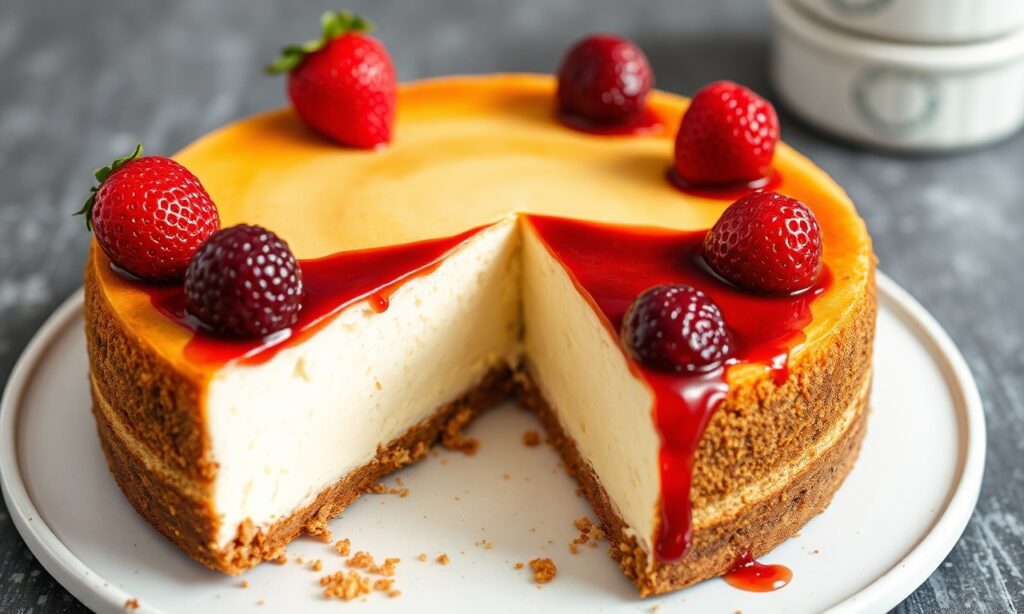
When ready to serve, run a thin knife blade around the pan’s edge before releasing the springform.This helps maintain sharp slice edges. For an irresistible presentation, top each slice with fresh berries, a drizzle of homemade fruit compote, or a silky ganache.
serving chilled with a dollop of whipped coconut cream or lightly toasted almond flakes adds contrast in both flavor and texture, elevating each bite into a decadent dessert experience.
Prep and Cook Time
- Preparation: 25 minutes
- Bake Time: 1 hour 10 minutes
- Cooling & Chilling: 8-12 hours
Yield
8 to 10 elegant servings
Difficulty Level
Medium – Perfect for intermediate bakers eager to impress with gluten-free finesse
Ingredients
- For the gluten-free crust:
- 1 ½ cups almond flour
- 2 tablespoons coconut sugar
- 4 tablespoons unsalted butter, melted
- ½ teaspoon gluten-free baking powder
- Pinch of sea salt
- For the cheesecake filling:
- 24 oz (675g) cream cheese, room temperature
- ¾ cup granulated sugar
- 3 large eggs, room temperature
- 1 cup sour cream, room temperature
- 1 teaspoon pure vanilla extract
- 1 tablespoon fresh lemon zest
Instructions
- Preheat the oven to 325°F (163°C).Grease a 9-inch springform pan and line the bottom with parchment paper for easy release.
- Prepare the crust: In a bowl, combine almond flour, coconut sugar, melted butter, baking powder, and salt. Stir until the mixture resembles wet sand. Press evenly into the bottom (and slightly up the sides) of the pan. Set aside.
- Make the filling: Beat the cream cheese on medium speed until smooth and creamy, about 2-3 minutes. Gradually add sugar and mix until fluffy.
- Add eggs one at a time, beating on low speed after each addition until just combined. Avoid overmixing to prevent cracks.
- Fold in sour cream, vanilla, and lemon zest gently using a spatula until fully incorporated.
- Pour the filling over the crust, smoothing the top with a spatula.
- Prepare a water bath: Wrap the bottom of the springform pan securely with aluminum foil.Place the pan into a larger baking dish filled with about 1 inch of hot water.
- Bake for 1 hour 10 minutes, until the edges are set and the center slightly jiggles.
- Turn off the oven and leave the cheesecake inside with the door cracked open for 1 hour.
- Remove from the oven and water bath, let cool to room temperature. Refrigerate uncovered for 4 hours, then cover and chill overnight.
- Before serving, run a thin knife around the edges, remove the springform, and slice carefully.
Tips for Success
- Use room temperature ingredients to help the filling blend smoothly, creating that signature creamy texture.
- If almond flour isn’t available, finely ground gluten-free oat flour or a pre-mixed gluten-free all-purpose flour blend can substitute in the crust.
- Do not overbeat the eggs to prevent cracking and ensure a dense yet creamy filling.
- A water bath is crucial in maintaining gentle moisture during baking and avoids overly dry cheesecake edges.
- Leftover cheesecake keeps beautifully for up to 5 days refrigerated or can be frozen for up to 1 month.
Serving Suggestions
Serve sliced chilled, adorned with fresh raspberries, a dusting of powdered sugar, or a vibrant berry compote for a pop of color and brightness. A swirl of dairy-free whipped cream paired with toasted sliced almonds offers a delightful texture contrast, making each forkful divine.
| Nutrient | Per Serving |
|---|---|
| Calories | 380 kcal |
| Protein | 8 g |
| Carbohydrates | 14 g |
| Fat | 32 g |
For additional gluten-free dessert inspiration, visit our Gluten-Free Dessert Collection. To learn more about the science behind baking techniques, explore this comprehensive guide by King Arthur baking.
Q&A
Q&A: Decadent Gluten-Free Cheesecake: tips for a perfect Slice
Q1: What makes a gluten-free cheesecake different from a traditional cheesecake?
A1: The primary difference lies in the crust. While traditional cheesecakes often use graham crackers with gluten-containing flour, gluten-free versions rely on alternatives like gluten-free cookies, nuts, or even almond meal. The filling, if free from flour thickeners or carefully selected, typically remains just as luscious and rich.
Q2: How can I ensure the crust stays firm and doesn’t crumble when slicing?
A2: Binding is key. Use melted butter or coconut oil to help the gluten-free crumbs bind together firmly.Press the crust mixture evenly and compactly into the pan. Chilling the crust before adding the filling also helps it set, resulting in cleaner slices.
Q3: What’s the secret to a creamy, crack-free cheesecake filling?
A3: Start with room temperature cream cheese and eggs-this prevents lumps and promotes even mixing. Avoid over-beating, which incorporates too much air and causes cracking. Baking the cheesecake in a water bath or wrapping the pan with foil to retain moisture helps regulate temperature and humidity, minimizing cracks.
Q4: Can I use choice flours or binders in the filling without affecting the texture?
A4: Absolutely! Gluten-free flours like almond flour or cornstarch can stabilize the filling. Just use sparingly-too much can alter the creamy texture. A small amount of tapioca starch or arrowroot powder works wonders as a thickener without overpowering flavor.
Q5: How do I get perfectly smooth, clean slices every time?
A5: Use a sharp, warm knife. Run it under hot water and wipe dry before each cut to glide smoothly through the cheesecake. Clean the blade between slices to avoid dragging crumbs or filling chunks. For best results, chill the cheesecake for several hours or overnight before slicing-it firms up and slices beautifully.
Q6: What flavor combos complement a gluten-free cheesecake?
A6: The rich, creamy base pairs wonderfully with shining, fresh flavors like berries, citrus zest, or passion fruit. You can also infuse the batter with vanilla, almond extract, or spices like cinnamon and cardamom for added depth. Topping ideas include fresh fruit compotes, chocolate ganache, or a sprinkle of toasted nuts for crunch.
Q7: How should I store leftover gluten-free cheesecake?
A7: Keep it refrigerated, tightly covered, for up to 5 days. For longer storage, freeze cheesecake slices wrapped individually in plastic wrap and stored in an airtight container. Thaw overnight in the fridge for best texture.
Q8: Is it possible to make a dairy-free and gluten-free cheesecake?
A8: Yes! Use dairy-free cream cheese and plant-based milks or coconut cream. Follow gluten-free crust tips to keep the base crisp. While the flavor will differ slightly, this option remains decadently satisfying and inclusive for varying diets.
With these tips, crafting a gluten-free cheesecake that’s every bit as indulgent as its classic counterpart becomes a appetizing, confident adventure. Happy baking!
Key Takeaways
In the world of desserts, a decadent gluten-free cheesecake proves that indulgence and dietary mindfulness can coexist beautifully. With the right ingredients,a touch of patience,and these expert tips in your baker’s toolkit,every slice can be a flawless celebration of creamy richness and satisfying texture.
Whether you’re catering to gluten sensitivities or simply seeking a luscious treat, this cheesecake invites you to savor each bite confidently-because perfection isn’t just a goal, it’s a delicious destination. Here’s to mastering the art of the perfect gluten-free slice, one heavenly forkful at a time.