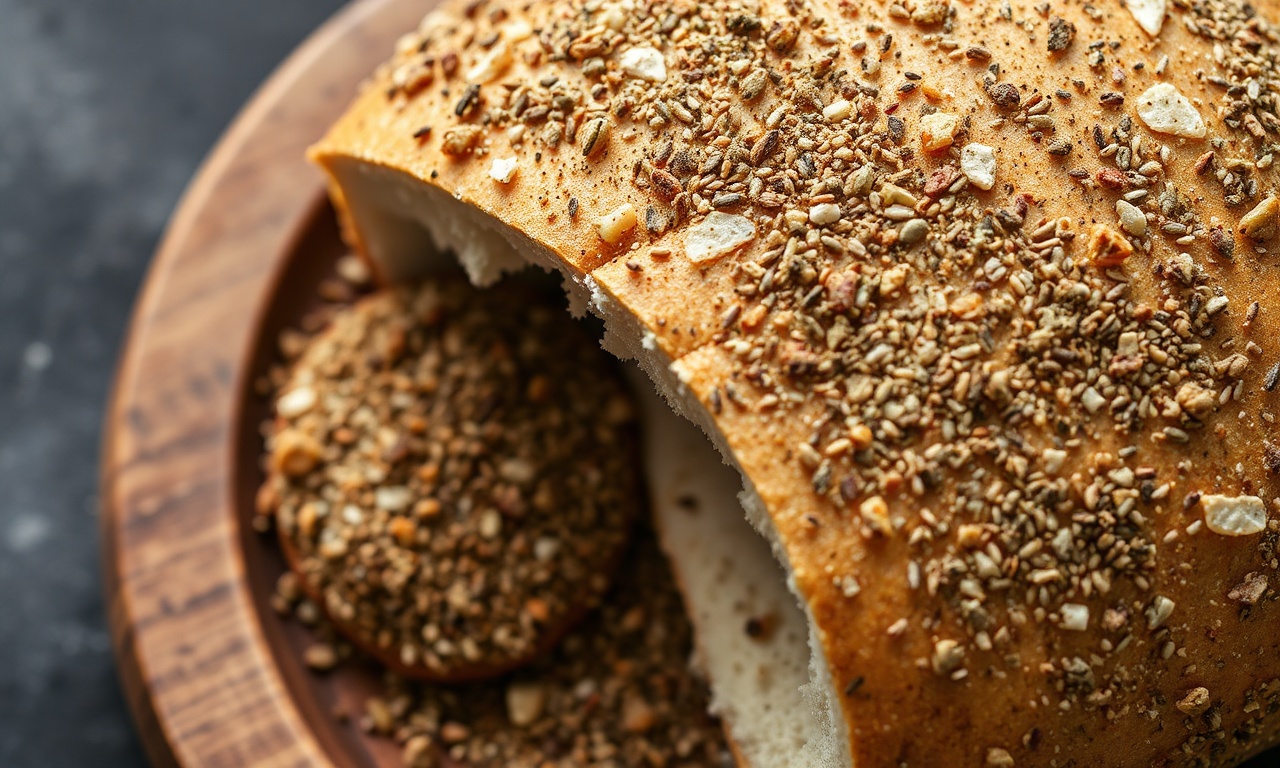
in the bustling markets and sun-drenched streets of the Middle East, a timeless aroma weaves through the air, inviting locals and visitors alike to pause and savor a simple yet profoundly flavorful tradition. Manakish Za’atar, often hailed as the aromatic heart of Middle Eastern bread, is much more than just a meal-it’s a sensory journey steeped in history, culture, and communal spirit. This humble flatbread, generously adorned with a vibrant blend of za’atar herbs, olive oil, and sesame seeds, captures the essence of the region’s culinary heritage in every bite. Join us as we explore the origins, importance, and irresistible allure of Manakish Za’atar, a dish that continues to warm hearts and tables across generations.
- The Rich History and Cultural Significance of Manakish Za’atar
- Manakish Za: Crafting the Perfect Za’atar Blend for Authentic Flavor
- Prep and Cook Time
- Yield
- Difficulty Level
- Ingredients
- Step-by-Step Guide to Baking Conventional Manakish at Home
- Tips for Success
- Pairing Manakish Za’atar with Complementary Middle Eastern Dishes
- Q&A
- In Conclusion
The Rich History and Cultural Significance of Manakish Za’atar
Manakish Za’atar is more than just a beloved Middle Eastern flatbread; it’s a fragrant emblem of home, hospitality, and heritage. Originating from the Levant region, this simple yet soulful bread melds the earthy aroma of za’atar – a vibrant blend of wild thyme, sumac, sesame seeds, and other herbs – with warm, tender dough. It has been a staple breakfast and street food across Lebanon, Syria, Jordan, and Palestine for centuries, often enjoyed around family tables or bustling markets.
The dish’s cultural significance extends beyond its taste. Za’atar itself is steeped in tradition, believed to have medicinal properties and symbolic meaning. Historically, shepherds carried za’atar mixtures on their travels as a nourishing and restorative spice. Today, Manakish Za’atar remains a symbol of connection, resilience, and the aromatic heart of Middle Eastern cuisine – a food that transcends generations and borders.
Manakish Za: Crafting the Perfect Za’atar Blend for Authentic Flavor
Creating the perfect Manakish Za’atar starts with mastering the za’atar blend, where balance is everything. The blend typically combines dried thyme, oregano or savory, sumac’s tart brightness, toasted white sesame seeds, and a pinch of salt. The key to authenticity lies in the quality and freshness of each ingredient.
For an aromatic and authentic za’atar blend, toast sesame seeds lightly until golden to unlock their nuttiness. Use freshly ground sumac to bring a lively, citrusy dimension. You can also tailor the herb ratio according to your palate for more herbal or tangy notes. This DIY za’atar mix elevates manakish from simple bread to a sensory experience filled with deep flavor and rustic charm.
Prep and Cook Time
- Preparation: 20 minutes
- Rising time: 1 hour
- Baking time: 10 minutes
- Total: Approximately 1 hour 30 minutes
Yield
Makes about 6 medium-sized manakish flatbreads
Difficulty Level
Easy to Medium – Perfect for beginners willing to explore Middle Eastern baking
Ingredients
- For the dough:
- 3 cups all-purpose flour, sifted
- 1 cup warm water (110°F/45°C)
- 2 teaspoons instant dry yeast
- 1 teaspoon sugar
- 1 teaspoon salt
- 3 tablespoons olive oil
- For the za’atar topping:
- 3 tablespoons dried thyme
- 2 tablespoons toasted sesame seeds
- 1 tablespoon sumac powder
- 1 teaspoon dried oregano or savory
- 1/2 teaspoon fine sea salt
- 1/4 cup extra virgin olive oil
Step-by-Step Guide to Baking Conventional Manakish at Home
- Activate the yeast: In a small bowl, combine warm water, sugar, and yeast. Stir gently and let it sit for 5-7 minutes until frothy.
- Mix the dough: In a large bowl, sift the flour and salt. Make a well in the center and pour in the activated yeast mixture and olive oil. Stir using a wooden spoon until the dough begins to come together.
- Knead the dough: Transfer to a floured surface and knead vigorously for 8-10 minutes until the dough becomes smooth and elastic. Add flour as needed to prevent sticking without making the dough dry.
- First rise: Lightly oil a clean bowl, place the dough inside, cover with a damp cloth, and let it rise in a warm spot for about 1 hour or until doubled in size.
- Prepare the za’atar mix: In a small bowl, combine dried thyme, toasted sesame seeds, sumac, oregano, and salt. Stir in the olive oil to create a spreadable paste. Adjust olive oil quantity as needed to achieve a thick, spreadable consistency.
- Shape the dough: Punch down the risen dough and divide it into 6 equal pieces. Roll each piece onto a floured surface into a 7-inch circle, about 1/4-inch thick.
- Top the manakish: Spread a generous tablespoon of the za’atar mixture evenly over each dough circle with the back of a spoon, reaching close to the edges but leaving a slight border.
- Bake: Preheat your oven to 475°F (245°C) with a baking stone or baking sheet inside. Transfer the prepared manakish onto the hot surface and bake for 8-10 minutes until the edges are golden and the topping bubbles aromatically.
- Serve immediately: Remove from the oven, let cool for a minute, then slice and serve warm for the best flavor experience.
Tips for Success
- Dough hydration: If you live in a dry climate, slightly increase the water by a tablespoon at a time for softer dough.
- Za’atar variations: Experiment by adding a pinch of sumac or crushed mint for a unique twist.
- Make ahead: The dough can be prepared and refrigerated overnight, just bring it to room temperature before shaping.
- Oven alternatives: If you don’t have a very hot oven, bake at the highest temperature possible and monitor closely to avoid over-baking.
- Storage: Store leftover manakish in an airtight container at room temperature for up to 2 days or freeze for later enjoyment.
Pairing Manakish Za’atar with Complementary Middle Eastern Dishes
The rustic herbaceous aroma of Manakish Za’atar pairs beautifully with an array of traditional Middle Eastern accompaniments. Serve alongside labneh drizzled with olive oil and sprinkled with fresh mint for a refreshing contrast. A plate of sliced cucumbers, tomatoes, and olives can complement the earthiness of the za’atar perfectly.
For a heartier meal, offer it with warm bowls of silky hummus or muhamarra – a spicy walnut and red pepper dip. Manakish Za’atar also pairs wonderfully with za’atar-spiced roasted vegetables or grilled halloumi cheese, enhancing the meal’s overall fragrance and flavor profile.
Accompany your Manakish Za’atar feast with freshly brewed mint tea or a tangy lemon and pomegranate juice for an authentic Middle Eastern experience that transports your senses.
| Nutrient | Per Serving (1 piece) |
|---|---|
| Calories | 220 kcal |
| Protein | 6 g |
| Carbohydrates | 32 g |
| Fat | 7 g |
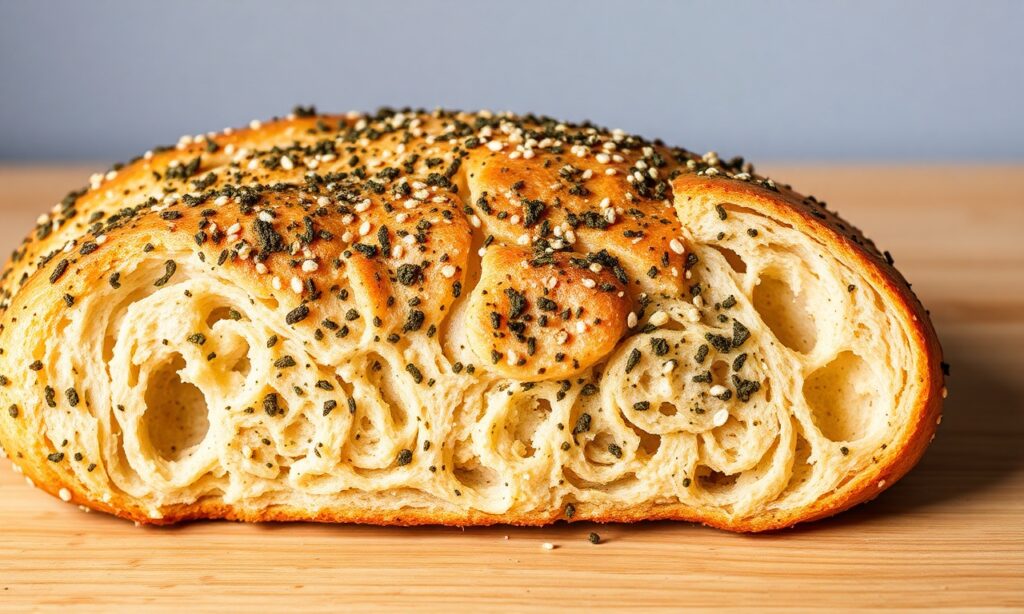
Discover more about traditional Middle Eastern breads in our extensive guide to Middle Eastern bread varieties. For further insights into the historical and medicinal uses of za’atar, Britannica offers an excellent resource.
Q&A
Q&A: Manakish Za’atar: The Aromatic Heart of Middle Eastern Bread
Q1: What exactly is Manakish Za’atar?
A1: Manakish Za’atar is a beloved Middle Eastern flatbread adorned with a fragrant blend known as za’atar-a mix of wild thyme, sumac, and toasted sesame seeds. It’s more than just bread; it’s a cultural emblem, combining simple ingredients into a warm, savory delight that has been enjoyed for centuries.
Q2: Where did Manakish Za’atar originate?
A2: While flatbreads with za’atar have ancient roots throughout the Levant region-including Lebanon, Syria, Jordan, and Palestine-Manakish za’atar became especially popular as a street food staple and breakfast favorite. Its origins reflect the region’s rich agricultural traditions and culinary ingenuity.
Q3: What makes za’atar such a special spice blend?
A3: Za’atar is a harmonious blend of herbs and spices, often including wild thyme, marjoram or oregano, sumac (which adds a tangy citrus note), and toasted sesame seeds. The result is earthy, tangy, nutty, and deeply aromatic-a flavor profile that evokes the sun-drenched hills and ancient markets of the Middle East.
Q4: How is Manakish Za’atar traditionally prepared?
A4: A soft dough is rolled out into a flat circle and generously brushed with olive oil, then sprinkled with the za’atar mixture. It’s quickly baked until the edges are golden and crisp, and the za’atar topping releases its irresistible aroma. The simplicity of ingredients allows the natural flavors to shine.
Q5: Why is olive oil critically important in Manakish Za’atar?
A5: Olive oil is essential-it not only binds the za’atar to the dough but enriches every bite with a fruity, peppery undertone. In Middle Eastern cuisine, olive oil is revered for its health benefits and symbolic connection to the land, making it the perfect partner to za’atar’s vibrant flavors.
Q6: How is Manakish Za’atar typically enjoyed?
A6: It’s perfect for breakfast or a light snack and is often paired with fresh vegetables, labneh (a strained yogurt), olives, and pickled turnips. Many enjoy folding the Manakish like a sandwich, making it portable fuel infused with heritage and zest.
Q7: Can Manakish Za’atar be customized or varied?
A7: Absolutely! While the classic za’atar topping is iconic, bakers sometimes add ingredients such as sliced tomatoes, onions, or za’atar mixed with a touch of honey for sweetness. Though, the heart of Manakish remains its original aromatic blend that captivates taste buds.
Q8: Is Manakish Za’atar available outside the Middle East?
A8: Yes! Thanks to the global popularity of Middle Eastern cuisine, Manakish Za’atar can be found in many artisanal bakeries and specialty restaurants worldwide. Whether enjoyed fresh from a wood-fired oven or baked at home, it continues to win hearts far beyond its traditional homeland.
Q9: What can someone new to za’atar expect when tasting Manakish for the first time?
A9: First bites often surprise with their lively tang from sumac, the herbal depth of thyme, and a subtle nutty crunch from sesame seeds-all harmonized by the rich olive oil and warm bread. It’s a humble dish that carries layers of flavor and history, inviting eaters to savor a slice of Middle Eastern culture.
Q10: How can I make Manakish Za’atar at home?
A10: Making Manakish at home is a rewarding adventure. Start with a simple dough of flour, water, yeast, salt, and olive oil. After letting it rise, roll it into circles, brush generously with olive oil, sprinkle with your za’atar blend, and bake in a hot oven until golden. Serve warm and enjoy the aromatic warmth of this classic bread any time you crave a connection to Middle Eastern flavors.
In Conclusion
As the warm, herb-scented aroma of Manakish Za’atar lingers in the air, it becomes clear that this humble flatbread is far more than just a simple dish. It is a fragrant thread weaving together generations of Middle Eastern culture, history, and tradition-each bite a savory story told through the earthy blend of wild thyme, sumac, and sesame seeds. Whether savored as a rapid breakfast or shared around a bustling family table, Manakish Za’atar invites us to experience the aromatic heart of a region where bread is not merely food, but a cherished symbol of heritage and hospitality.
In every crispy, golden slice, the essence of the Middle East rises, reminding us that sometimes, the most profound cultural connections are baked right into the simplest of ingredients.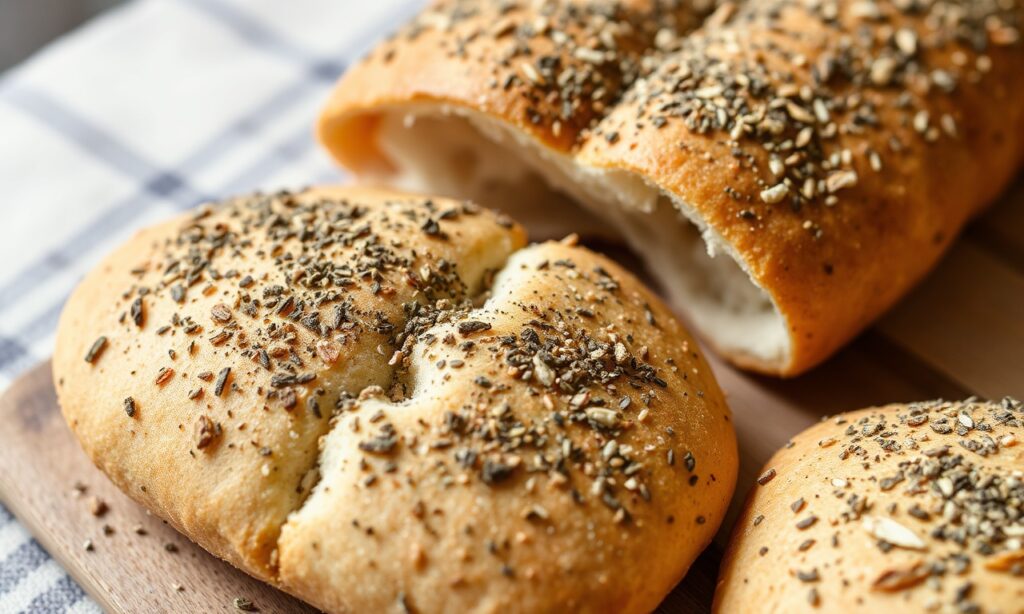
See also: Manakish Za