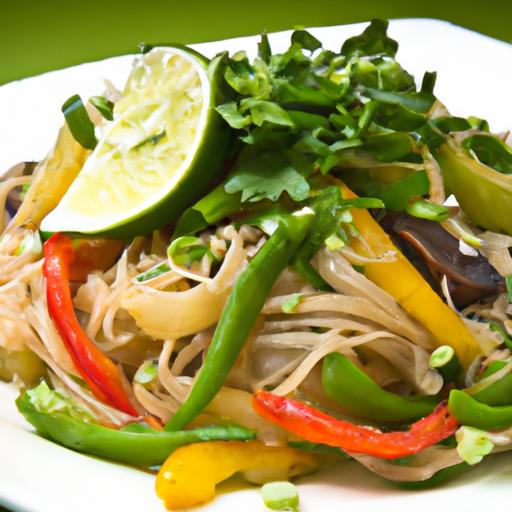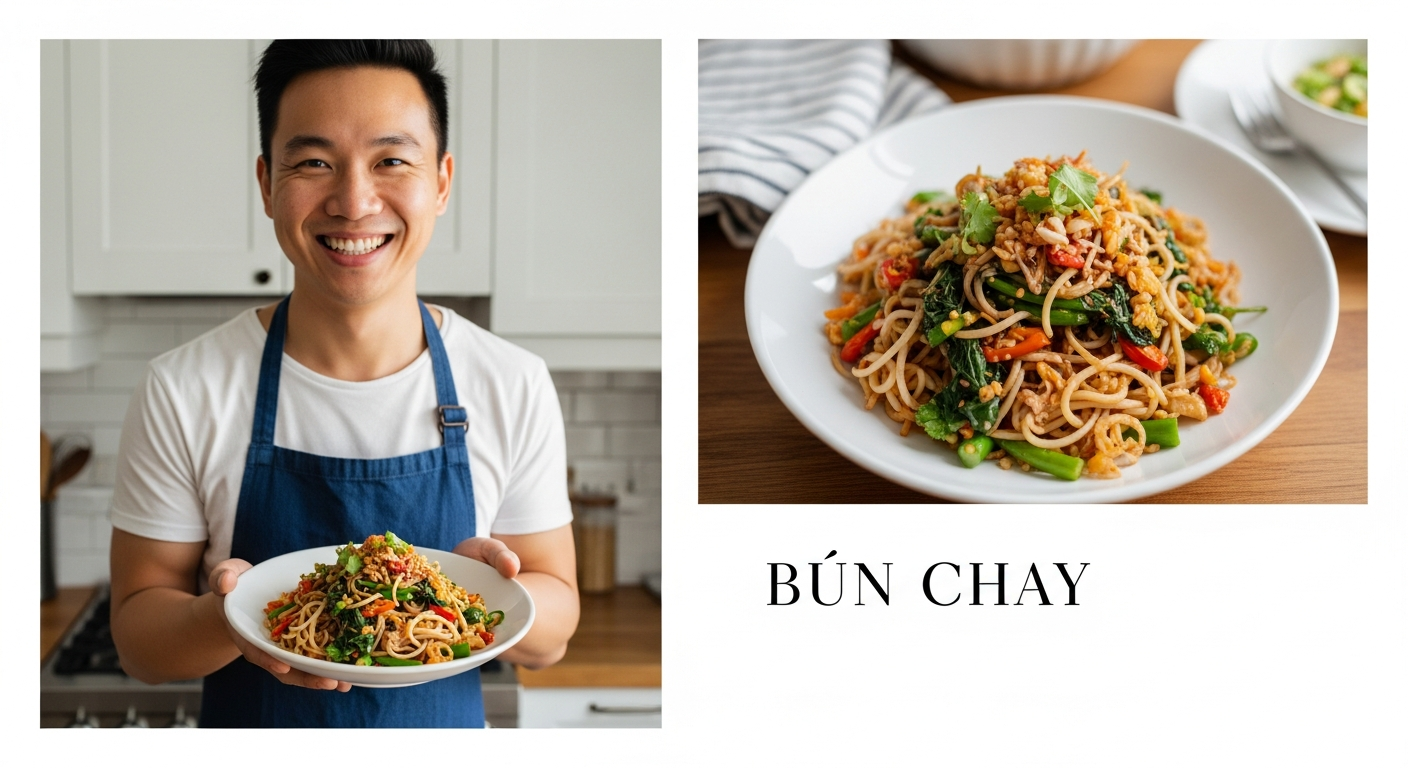
In the vibrant tapestry of Vietnamese cuisine, where fragrant herbs and bold flavors dance in harmonious balance, one dish stands out as a refreshing ode to plant-based perfection: Bun Chay. This fresh vegan noodle salad delights the senses with its crisp textures, vibrant colors, and a symphony of subtle, tangy notes that capture the essence of Vietnam’s culinary heritage.
More than just a meal, Bun Chay embodies the country’s tradition of celebrating nature’s bounty through simple, thoughtful ingredients. Join us as we explore the origins, ingredients, and cultural significance of this delectable vegan gem, uncovering why Bun Chay has become a beloved staple for both locals and food enthusiasts worldwide.
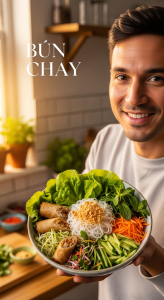
Bun Chay,a refreshing gem from Vietnam’s bustling street food scene,captivates with its vibrant medley of textures and bright,herbal flavors. This fresh vegan noodle salad delight brings together fragrant rice vermicelli, crisp fresh vegetables, and aromatic herbs, harmonized with a tangy, umami-rich dressing that excites the palate.
Its uplifting combination of colors and tastes makes it an indispensable dish during the warmer months and a favorite for plant-based enthusiasts seeking authentic Vietnamese cuisine.
The Vibrant Ingredients That Bring Bun chay to Life
the soul of Bun Chay lies in its fresh, vivid ingredients that not only offer texture but also embody the balance of flavors Vietnam is known for. You’ll find slender rice vermicelli noodles forming a delicate base, paired with crisp cucumber ribbons, sweet carrot strips, and cool bean sprouts. The salad bursts with herbal notes from fresh mint, cilantro, and thai basil. to amplify the depth, crunchy roasted peanuts add a subtle, smoky sweetness, while fried shallots provide a savory crunch.
The essential dressing, a vegan version of classic nước chấm, blends lime juice, jaggery syrup, soy sauce, garlic, and fresh chili, lending a perfect balance of sour, sweet, salty, and spicy flavors.
Mastering the Perfect Balance of Flavors and Textures
Achieving Bun Chay’s iconic harmony is all about interplay. The softness of the noodles contrasts beautifully with crisp veggies and fresh herbs.The dressing should be freshly mixed, tasting bright and lively, coating each strand lightly without overwhelming the dish. Toasting peanuts brings smokiness that cuts through the tanginess. When assembling, layering ingredients so each bite captures those shifting textures makes the eating experience truly vibrant. Remember to keep the vegetables crunchy-overly soft veggies can weigh the salad down.
Prep and Cook Time
- Readiness: 20 minutes
- Cooking: 10 minutes
- Total Time: 30 minutes
Yield
serves 4 as a light main or side dish
Difficulty Level
Easy
Ingredients
- 200g rice vermicelli noodles
- 1 medium cucumber, julienned or sliced into ribbons
- 2 medium carrots, peeled and julienned
- 1 cup fresh bean sprouts, rinsed
- 1/2 cup fresh mint leaves, roughly chopped
- 1/2 cup fresh cilantro leaves, roughly chopped
- 1/2 cup fresh Thai basil leaves
- 1/4 cup roasted peanuts, crushed
- 2 tbsp fried shallots
- 2 cloves garlic, minced
- 1 small red chili, thinly sliced (optional, adjust to taste)
- 3 tbsp freshly squeezed lime juice
- 2 tbsp soy sauce (or tamari for gluten-free)
- 1 tbsp jaggery or brown sugar
- 2 tbsp warm water
- 2 tbsp neutral oil (such as sunflower or avocado oil)
Instructions
- Prepare the rice vermicelli: Soak noodles in hot water for about 5-7 minutes until tender but firm to the bite. Drain and rinse under cold water to stop cooking. Set aside.
- Make the dressing: in a small bowl, whisk lime juice, soy sauce, jaggery, and warm water until the jaggery dissolves. Add minced garlic, sliced chili, and neutral oil. Whisk again to combine. Taste and adjust for balance if needed-more lime for acidity, jaggery for sweetness, or chili for heat.
- Prepare the vegetables and herbs: Julienne the cucumber and carrots. Rinse the bean sprouts and roughly chop herbs (mint, cilantro, Thai basil).
- Assemble the salad: In a large bowl, toss the cooled vermicelli noodles with the dressing until evenly coated. Gently fold in the cucumber, carrots, bean sprouts, and herbs.
- Finish with texture and garnish: sprinkle the crushed roasted peanuts and fried shallots over the top just before serving for a satisfying crunch.
- serve instantly for the freshest bite, or refrigerate up to 1 hour before serving, stirring gently before plating.
Tips for Crafting Your Own Fresh Vegan Noodle Salad at Home
To capture the vibrant spirit of Bun Chay in your kitchen, always start with the freshest herbs and crispest vegetables for that unmistakable flavor burst. if rice vermicelli is unavailable, thin glass noodles can be a delicate substitute. When making the dressing, warm jaggery helps it dissolve smoothly but can be swapped for organic brown sugar if necessary.
Take care not to overdress the noodles to avoid sogginess. To elevate the dish, try adding thinly sliced ripe mango or pickled daikon for a fruity or tangy twist. This salad is best enjoyed fresh - leftover noodles might clump, so store components separately if prepping ahead.
Serving Suggestions
Bun Chay shines plated in a shallow bowl, showcasing the colorful layering of vegetables and herbs atop vermicelli. Garnish with a wedge of lime for an extra citrus zing and a scattering of freshly chopped chilies for heat lovers. Pair with a light side such as vietnamese summer rolls or a bowl of clear vegetable broth to complete an authentic dining experience. For festive occasions, serve alongside fresh tofu skewers grilled with lemongrass and chili for a harmonious protein addition.

| Nutrient | Per Serving (approx.) |
|---|---|
| Calories | 280 kcal |
| Protein | 7 g |
| Carbohydrates | 45 g |
| fat | 7 g |
Discover more about vietnamese plant-based dishes in our Vegan Vietnamese Recipes Collection. For further reading about Vietnamese culinary traditions,visit Vietnam Online, a trusted resource on authentic cuisine.
Q&A
Q&A: Bun Chay – Exploring Vietnam’s Fresh Vegan Noodle Salad Delight
Q1: What exactly is Bun Chay?
A1: Bun Chay is a vibrant Vietnamese vegan noodle salad that’s as refreshing as it is flavorful.The name “Bun” refers to the delicate rice vermicelli noodles, and “Chay” means vegetarian or vegan. Together, they create a light, herbaceous dish that’s beloved for its harmony of textures and bright, fresh ingredients.
Q2: What makes Bun Chay distinct from other Vietnamese noodle dishes?
A2: Unlike heavier or meat-based noodle bowls, Bun Chay shines with its garden-fresh ingredients and emphasis on plant-based flavors. It’s typically served cold or at room temperature, combining crisp vegetables, fresh herbs, and crunchy peanuts, all tossed with noodles and a tangy, umami-rich dressing. The focus is on pure, clean tastes rather than rich sauces or meat broths.
Q3: What are the typical ingredients in Bun Chay?
A3: At the heart of bun Chay are rice vermicelli noodles, crisp lettuce, shredded carrots, cucumber slices, bean sprouts, fresh mint, cilantro, and basil. The dish is often garnished with chopped roasted peanuts and fried shallots for crunch. the dressing, traditionally a vegan version of nuoc cham, balances lime juice, sugar, garlic, chili, and soy or mushroom sauce to deepen the umami punch.
Q4: how does the dressing in Bun Chay differ from traditional Vietnamese sauces?
A4: Traditional Vietnamese sauces often rely on fish sauce,but since Bun Chay is vegan,the dressing replaces it with mushroom soy sauce or fermented soybean paste. This swap maintains the savory depth without compromising on the dish’s plant-based integrity, making it flavorful and accessible for vegan diners.
Q5: is Bun chay considered a meal or a side dish in Vietnamese cuisine?
A5: Bun Chay can serve as both. Its light yet satisfying nature means it’s perfect for a wholesome lunch or dinner on its own, especially during warm weather. It can also be part of a larger, shared feast alongside other vegan Vietnamese dishes, offering a burst of freshness amid richer flavors.
Q6: Can Bun Chay be customized or adapted easily?
A6: Absolutely! One of the joys of Bun Chay is its versatility. You can add tofu-fresh, fried, or marinated-or incorporate other plant-based proteins like tempeh or seitan. Vegetables may vary by season or region, and herbs can be swapped or added depending on preference, making each bowl a personal expression of flavor.
Q7: How does Bun Chay fit into contemporary eating trends?
A7: Bun Chay aligns perfectly with the rising interest in plant-based, clean-eating, and global cuisine exploration.Its balance of fresh ingredients, healthful qualities, and tasty complexity appeals to vegans, vegetarians, and anyone seeking a refreshing option to heavier meals. It’s also a wonderful gateway dish for those new to vegan Vietnamese cuisine.
Q8: Where can someone experience authentic Bun Chay outside Vietnam?
A8: Many Vietnamese restaurants worldwide now include vegan options on their menus, and some specialize entirely in plant-based Vietnamese fare. Seeking out restaurants with a focus on authentic herbs, fresh ingredients, and traditional techniques will often lead you to a delicious Bun Chay experience. Additionally, home cooks can recreate this dish with easily accessible ingredients.
Q9: What’s the best way to enjoy Bun Chay?
A9: Because it’s all about freshness and balance, Bun Chay is best eaten immediately after assembling or lightly chilled. Pair the crunchy veggies and herbs with the soft noodles and nutty toppings in every bite.The burst of citrusy, spicy dressing gives it an invigorating kick that makes each mouthful a celebration of vibrant flavors.
Q10: Why should food lovers explore Bun Chay?
A10: Exploring Bun chay invites you into the heart of Vietnamese culinary philosophy-honoring the natural tastes of fresh ingredients,the art of balance,and mindful eating. It’s a dish that delights the senses, nourishes the body, and reflects the joyous simplicity of plant-based cooking, making it a must-try for curious and health-conscious diners alike.
the Conclusion
As we’ve uncovered, Bún chay is more than just a vegan noodle salad-it’s a vibrant tapestry of flavors and textures that tells the story of Vietnam’s rich culinary heritage and its embrace of plant-based nourishment.
Whether you’re a seasoned vegan or simply curious about fresh,wholesome dishes,this fragrant medley of herbs,crunchy vegetables,and silky rice noodles offers a refreshing glimpse into the artistry of Vietnamese cuisine. So next time you crave something light yet satisfying, remember Bún chay-a delightful dance of freshness and flavor that invites you to savor the essence of Vietnam, one bowl at a time.