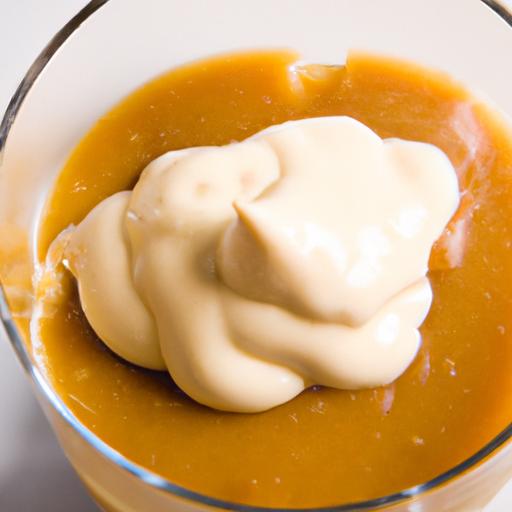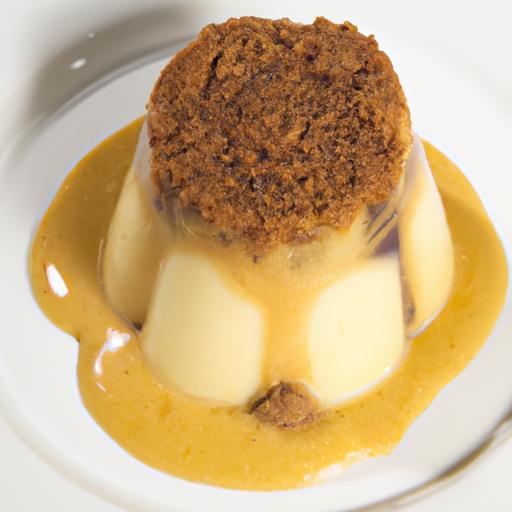
There’s a magic in the simple pleasure of butterscotch pudding-a velvety, golden-hued delight that melts seamlessly on the tongue, evoking memories of cozy kitchens and cherished family recipes. But beneath its luscious surface lies a fascinating interplay of chemistry and craft, where sugar, butter, and cream unite in a delicate dance to create that irresistible creaminess we crave.
Welcome to the sweet science of butterscotch bliss, where tradition meets technique, and every spoonful tells a story of flavor transformed by the artful balance of ingredients and temperature. Join us as we unravel the secrets behind this timeless dessert, exploring how science shapes its luscious texture and rich taste into the perfect pudding paradise.
butterscotch Bliss delights the senses with its warm, buttery caramel notes perfectly entwined in a velvety pudding that epitomizes creamy indulgence. This luscious dessert traces its charm back to the late 19th century, when sugar and butter mingled slowly over heat, gifting us the hallmark flavor that defines butterscotch today.Crafting a homemade butterscotch pudding is an artful balance between chemistry and creativity-where the richness of brown sugar, the depth of vanilla, and the creaminess of dairy converge into heavenly silkiness.
Whether it’s a nostalgic throwback or an elegant finale, this recipe unlocks the secrets to capturing that flawless texture and profound sweetness in every spoonful.
Prep and cook Time
Planning: 15 minutes
Cooking: 20 minutes
Total: 35 minutes
Yield
serves 6 generous portions
Difficulty Level
Medium – Requires attention to timing and temperature but rewarding with practice
Ingredients
- 3/4 cup dark brown sugar, packed
- 1/4 cup unsalted butter (1/2 stick), cubed
- 2 1/2 cups whole milk
- 1 cup heavy cream
- 1/4 teaspoon fine sea salt
- 3 large egg yolks
- 1/4 cup cornstarch
- 1 tablespoon pure vanilla extract
- Optional garnish: flaky sea salt, toasted pecans, or vanilla bean pods
Instructions
- Start with browning the butter and sugar: In a heavy-bottomed saucepan, melt the unsalted butter over medium heat. Stir continuously until it turns golden and fragrant (3-4 minutes). Add the dark brown sugar and continue stirring until fully dissolved and bubbling slightly, being careful not to burn. This caramelization is the essence of your butterscotch flavor.
- Add milk and cream gradually: Slowly whisk in the whole milk and heavy cream, mixing until smooth. Bring the mixture to a gentle simmer. The slow integration prevents curdling and prepares the base for thickening.
- Mix egg yolks and cornstarch: in a seperate bowl, vigorously whisk the egg yolks with the cornstarch until perfectly combined and pale in color. This blend acts as a natural thickener and silkifier for the pudding.
- Temper the egg mixture: Carefully ladle about a cup of the hot butterscotch mixture into the yolks while whisking briskly. This gradual warming avoids scrambling the eggs.
- combine and thicken: Pour the tempered egg mixture back into the saucepan. Continue cooking over medium heat, stirring constantly with a heat-resistant spatula, until the pudding thickens to a custard-like coat on the back of a spoon (about 5-7 minutes). Remove from heat promptly to prevent overcooking.
- Finish with vanilla and salt: Stir in the pure vanilla extract and sea salt to deepen the complexity of flavor, enhancing the signature butterscotch richness.
- Chill for silky perfection: Pour pudding into individual serving dishes or a large bowl. Press plastic wrap directly onto the surface to avoid skin formation. Refrigerate for at least 4 hours or overnight to fully set to a luxuriously smooth texture.
Tips for Success
- Choosing sugars: Opt for dark brown sugar with a high molasses content for authentic depth, and avoid substitutes with added flavors.
- Dairy matters: whole milk and heavy cream provide the fat necessary for that silky mouthfeel. Do not use skim or low-fat milk.
- Watch your heat: Use medium or medium-low heat to prevent burning the butter and sugar base, which can yield bitterness.
- Pudding texture troubleshooting: If your pudding appears grainy, reheating gently with a whisk often smooths it out.
- Make-ahead magic: This pudding improves overnight; flavors deepen and the texture becomes more luscious. Prepare a day ahead for best results.
- Vegan variation: For dairy-free options, use coconut cream and plant-based milk, and replace egg yolks with a cornstarch slurry and a vegan egg replacer.
Serving Suggestions
Serve your butterscotch pudding chilled, elegantly layered in clear glass cups to showcase its glossy, golden hue.Top with a sprinkle of flaky sea salt or crushed toasted pecans for contrast in texture. A delicate vanilla bean pod or a dollop of lightly whipped cream crowned with a drizzle of warm caramel sauce elevates presentation to visually stunning.
For a textural play, layer with thin slices of baked apples or seasonal berries. Pair your butterscotch bliss with a strong espresso or a light herbal tea to cleanse the palate.

| Nutrient | Per Serving |
|---|---|
| Calories | 280 kcal |
| Protein | 5 g |
| Carbohydrates | 38 g |
| Fat | 12 g |
Elevate your dessert repertoire by exploring this classic caramel pudding, a close cousin to butterscotch, offering a fantastic comparison in texture and flavor. For an in-depth understanding of the chemistry behind sugar caramelization that shapes your pudding’s flavor,visit the Serious Eats science guide.
Q&A
Q&A: Butterscotch Bliss – The Sweet Science of Creamy Pudding
Q1: What exactly is butterscotch pudding, and how does it differ from other puddings?
A1: Butterscotch pudding is a luscious, creamy dessert infused with the warm, caramelized flavors of brown sugar and butter. Unlike chocolate or vanilla puddings that rely on cocoa or plain sweeteners, butterscotch pudding achieves its signature taste through the Maillard reaction-where sugar and butter meld into a golden, deeply flavored syrup before incorporation. This process gives it that velvety texture and rich, buttery sweetness that sets it apart.
Q2: What’s the science behind that irresistibly creamy texture?
A2: the magic lies in starch gelatinization. When you heat the pudding mixture, the starch granules (often from cornstarch or flour) absorb liquid and swell, thickening the pudding as they reach a precise temperature-usually around 180°F (82°C). The egg yolks, often added for richness, coagulate gently, enriching the texture and providing that silky mouthfeel. Proper timing and constant stirring prevent lumps and ensure a smooth, creamy finish.
Q3: Why is brown sugar essential in butterscotch pudding? Can white sugar be used instead?
A3: Brown sugar is key because it contains molasses, which brings depth, moisture, and that characteristic butterscotch flavor. The molasses intensifies caramel notes and gives a touch of complexity you won’t get from pure sucrose alone.While white sugar can be substituted, the flavor will be noticeably lighter and less complex-more of a sweet vanilla than the rich, buttery hug that butterscotch offers.
Q4: What role does butter play beyond just flavor?
A4: Butter is both a flavor partner and a texture enhancer.When melted and combined with sugar, it forms the base of the butterscotch sauce-helping to distribute fat particles evenly throughout the pudding. This fat content smooths out the texture, enhances creaminess, and creates that melt-in-your-mouth sensation. Moreover, butter carries subtle milk solids that add a toasty, nutty note to the overall flavor profile.
Q5: Can butterscotch pudding be made without eggs? Would it affect the texture?
A5: Absolutely! While customary recipes often use egg yolks to thicken and enrich, many modern versions rely solely on starch to create a creamy texture. Without eggs, the pudding might be slightly less custardy and a tad less rich but can still be decadently smooth.Plant-based thickeners and dairy alternatives can also be used to craft an egg-free version while maintaining that signature butterscotch flavor.
Q6: How can one elevate the butterscotch pudding experience?
A6: Pairing pudding with textures is the secret to sublime satisfaction. Try topping your butterscotch bliss with toasted pecans or a sprinkle of flaky sea salt to contrast the creaminess and amplify flavors. A dollop of whipped cream adds lightness, while infusing the base with a splash of vanilla bean or a hint of cinnamon can deepen the aromatic complexity. The key is balancing smooth richness with subtle crunchy or aromatic accents.
Q7: Is homemade butterscotch pudding vastly different from store-bought versions?
A7: Homemade always shines! Store-bought puddings often rely on stabilizers and artificial flavors to extend shelf life. Making it at home allows control over ingredient quality and freshness, resulting in a pudding bursting with authentic caramelized butterscotch character and a silkier, fresher texture. Plus, the satisfaction of mastering the sweet science adds an intangible layer of enjoyment.
Q8: What is the best way to store butterscotch pudding to preserve its flavor and texture?
A8: After cooling, cover the pudding with plastic wrap pressed directly onto the surface to prevent a skin from forming. Store it in the refrigerator for up to 3 days. Before serving, gently whisk it to restore uniform creaminess. Avoid freezing, as the delicate texture might suffer from ice crystal formation, leading to separation or graininess upon thawing.
This Q&A unlocks the secrets behind butterscotch pudding’s charm, blending culinary chemistry with mouthwatering indulgence-perfect for anyone eager to savor the sweet science in every spoonful.
To Wrap It Up
As the last spoonful of Butterscotch Bliss melts away,we’re reminded that this creamy pudding is more than just a dessert-it’s a harmonious dance of science and sweetness. From the careful alchemy of caramelizing sugar to the delicate balance of dairy and starch, every silky bite is a testament to the chemistry that transforms simple ingredients into a luscious indulgence.
So next time you savor that golden-hued delight, take a moment to appreciate the sweet science behind the bliss-where flavor and texture blend perfectly to create a timeless treat that continues to captivate taste buds and curiosity alike.