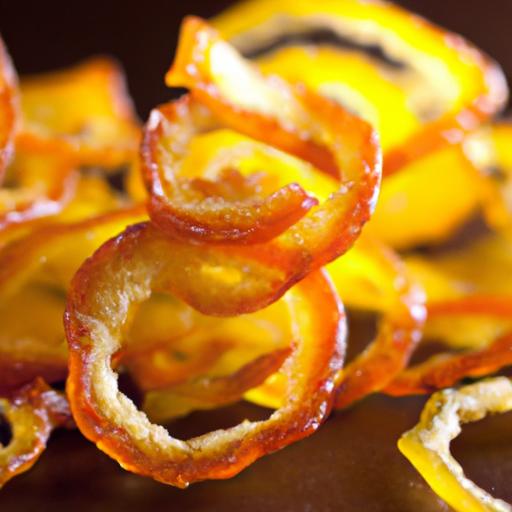
Beneath the vibrant zest of an orange lies a world of culinary enchantment-where bitter meets sweet, and ordinary peels transform into dazzling morsels of flavor and texture. Welcome to the sweet art of candied orange peel, a timeless delicacy that has captivated palates across cultures and centuries. In “Zesty Delights,” we peel back the layers of this exquisite treat’s history, technique, and irresistible charm, inviting you to discover how a humble citrus rind can become a shimmering jewel in the confectionery crown.
Whether enjoyed on its own,dipped in chocolate,or infused into desserts,candied orange peel offers a burst of sunshine and zest that elevates any table.Let’s embark on a flavorful journey that celebrates the alchemy and artistry behind this sweet, tangy wonder.
Choosing the Perfect Oranges for Maximum Zest and Flavor
Zesty Delights: The Sweet Art of Candied Orange Peel begins with selecting oranges that burst with vibrant aroma and bold flavor.Choosing the right oranges is essential-think glossy,firm-skinned oranges that feel heavy for their size. Navel oranges, with their shining color and less bitter pith, are perfect for beginners seeking sweet zest. However, for more complex candied peel with an ideal balance of sweetness and bittersweet notes, Seville or bitter oranges are culinary treasures cherished by professionals.
Look for fruit free from blemishes and soft spots; the zest should be richly hued and slightly loose on the peel, indicating freshness and oils ready to be transformed. Freshness directly influences the intensity of your zest and the final depth of your candying. avoid waxed or overly shiny oranges-organic or unwaxed fruit often ensures the purest zest extraction.
Mastering the Candying Process for a Balanced Sweet and Bitter Bite
The heart of this sweet art lies in gently coaxing the innate oils and bitterness of the orange peel into harmony with sugar’s mellow sweetness. Begin by cutting the peel into uniform strips, removing excess pith to prevent overpowering bitterness. Blanch the peels multiple times in boiling water; this step mellows the pith and helps unlock the peel’s natural zing without harshness.
Simmer the blanched strips in a simple sugar syrup, allowing slow absorption of sweetness while retaining a subtle, lingering bitterness that gives each candied peel its signature edge. Don’t rush this step-patience pays off with a glossy, tender peel that holds shape without becoming mushy.
Drain the candied peels and roll them in superfine sugar or let them dry slightly for a delicate crystal sheen. When done right, the result is perfectly balanced: the sweet and bitter notes dance on the palate, elevating any dessert it touches.
Creative Ways to Incorporate Candied Orange Peel into Your Desserts
Candied orange peel invites endless creativity. Chop it finely to mix into cookie dough or sprinkle atop rich chocolate ganache for bursts of citrus surprise. Use long peels as elegant garnishes curled atop cakes or mousses, lending a jewel-like, sun-kissed finish that dazzles both visually and in flavor.
Enhance homemade granola or ice cream with scattered bits of texture and tang, or fold candied peel into muffins and fast breads for zesty intrigue. For festive occasions, dip strips in dark chocolate to create luxurious party favors or edible decorations.
Its versatility transforms ordinary desserts into memorable expressions of flavor, making it an indispensable ingredient in your zesty delights repertoire.
Storing and Preserving Candied Peels to Maintain Freshness and Texture
Proper storage ensures your handiwork retains its luscious texture and intense flavor over time. Once fully dried, store candied orange peel in an airtight container lined with parchment paper to prevent sticking.Keep them in a cool, dry place away from direct sunlight for up to one month.
For longer preservation,refrigerate them in sealed glass jars to maintain their moisture balance while preventing crystallization. Avoid plastic bags for extended storage as they can cause condensation and sticky clumps.
If you notice slight dryness, simply refresh peels by warming briefly in a low oven (about 200°F/90°C) for a few minutes, restoring pliability and shine before use.
Prep and Cook Time
- Readiness: 20 minutes
- Blanching & candying: 2 hours 30 minutes
- Drying: 2-4 hours (or overnight for best texture)
Yield
Approximately 1 cup of candied orange peel strips
Difficulty Level
Medium – requires patience and attention to detail but rewarding for all skill levels
Ingredients
- 4 large organic oranges (preferably Seville or navel, unwaxed)
- 2 cups granulated sugar
- 2 cups water
- Extra superfine sugar (for rolling)
Instructions
- Prepare the oranges: Using a sharp paring knife, carefully remove the orange peel in wide strips, avoiding as much white pith as possible. Slice the peels into ¼-inch wide strips for even cooking.
- Blanch the peels: Place the strips in a saucepan and cover with cold water. Bring to a boil and let simmer for 2 minutes. Drain and repeat this blanching step two more times, changing the water each time to reduce bitterness.
- Make the syrup: in the same saucepan, combine water and granulated sugar. Heat over medium until sugar dissolves, creating a clear syrup.
- Candy the peels: Add the blanched peels to the syrup. Simmer gently over low heat for 45-60 minutes, stirring occasionally until the peels become translucent and tender but maintain their shape.
- Drain and dry: Using a slotted spoon, transfer peels to a wire rack placed over parchment paper. Allow excess syrup to drip off and dry for 2-4 hours, or overnight if possible.
- Coat with sugar: Toss the slightly tacky peels in superfine sugar until fully coated. Spread them out on parchment paper to set and dry for an additional hour before storing.
Tips for Success
- Remove excess pith: Use a spoon or paring knife to scrape white pith off the inside of peel strips before blanching to reduce bitterness.
- Slow simmering: Keep the heat low during candying to prevent caramelization or burning of the syrup.
- Uniform slicing: Thick or irregular strips can lead to uneven cooking-aim for consistent sizes for best results.
- Make ahead: Candied orange peel keeps well and tastes better after resting a day or two, allowing flavors to meld.
Serving Suggestions
Present your candied orange peel twisted elegantly alongside vanilla panna cotta or sprinkled over dark chocolate tarts for an inviting contrast. Garnish cocktails or hot teas with a peel strip to elevate them into complex sips.For a festive touch, dip ends into tempered chocolate and let harden for an irresistible sugared candy stick that’s both décor and delight.
| Nutrient | Amount per 1 tbsp |
|---|---|
| Calories | 30 kcal |
| Protein | 0.1 g |
| Carbohydrates | 8 g |
| Fat | 0 g |
For deeper insight into citrus varieties and zesting techniques, visit Citrus Research International. To explore related zesty homemade ingredients, check out our Homemade Lemon Curd Recipe.

Q&A
Q&A: Zesty Delights – The Sweet Art of Candied Orange Peel
Q1: What exactly is candied orange peel?
A1: Candied orange peel is the luscious, translucent treat created by simmering orange rinds in sugar syrup until tender and glossy.The process transforms the naturally bitter peel into a sweet, tangy delicacy that’s chewy with a subtle citrus zing.
Q2: Why make candied orange peel at home rather of buying it?
A2: Homemade candied orange peel offers unparalleled freshness and flavor. You can control the sweetness level, select organic or preferred orange varieties, and enjoy the magical aroma that fills your kitchen during the candying process. Plus, it’s a rewarding culinary craft that connects you with customary sweet-making.
Q3: Which orange varieties work best for candying their peel?
A3: Navel oranges and Valencia oranges are popular choices due to their relatively thick, aromatic peels and balanced bitterness.For a more exotic twist, try blood oranges-their vibrant hue adds stunning color to your candies-and smooth, sweet taste that brightens every bite.
Q4: What is the key to achieving the perfect texture in candied orange peel?
A4: Patience and technique! Slowly simmering the peel in sugar syrup, allowing it to absorb sweetness without becoming mushy, ensures a tender yet slightly chewy texture. Multiple rinses and soaking stages remove bitterness while preserving the peel’s natural structure.
Q5: Can the leftover syrup from candying be used for anything?
A5: Absolutely! The fragrant citrus-infused syrup is a versatile ingredient. Drizzle it over pancakes, stir it into teas or cocktails, or glaze baked goods for an extra zesty twist. It beautifully captures the essence of orange in a sweet, sticky liquid.
Q6: How can candied orange peel elevate everyday recipes?
A6: These golden shards of flavor add bursts of citrusy brightness to baked goods like cakes, muffins, and cookies. They bring depth to granola, enrich chocolate desserts, and even provide a delightful garnish to creamy yogurts and ice creams.
Q7: Is candied orange peel suitable for gifting?
A7: Definitely! Packaged in pretty jars or wrapped in parchment,homemade candied orange peel makes a charming,thoughtful gift. It’s a wonderful way to share a slice of traditional sweetness with friends and family, inviting them to savor a taste of handcrafted delight.
Q8: How should candied orange peel be stored to maintain its quality?
A8: Keep candied orange peel in an airtight container, ideally in a cool, dry place. Properly stored, it can stay fresh and chewy for several weeks-perfect for enjoying over time or saving for special occasions.
Q9: Are there any creative variations to candied orange peel?
A9: Certainly! Try dipping the ends or whole strips in dark or white chocolate for a decadent treat. You can also experiment by adding spices like cinnamon, star anise, or ginger to the syrup, infusing your peel with warm, aromatic notes.
Q10: What’s the moast rewarding part of making candied orange peel?
A10: Beyond the sweet taste, it’s the alchemy of transforming humble fruit peel into jewel-like treats that sparkle in the light. Each bite is a reminder of patience, tradition, and the joyful art of turning simple ingredients into moments of delight.
Wrapping Up
As the final zest is crystallized and the last peel savored, it becomes clear that candied orange peel is much more than a simple treat-it’s a delicate balance of nature’s sweetness and a touch of culinary artistry. From its origins in ancient kitchens to its place in modern confections, this vibrant delight offers a sensory journey that’s as bright and bold as the citrus itself.
Whether sprinkled atop cakes, stirred into cocktails, or enjoyed on its own, candied orange peel invites us to appreciate the sweet potential hidden in every humble rind.So next time you reach for a slice of this zesty treasure, remember: you’re partaking in a timeless tradition where flavor and craft dance in perfect harmony.