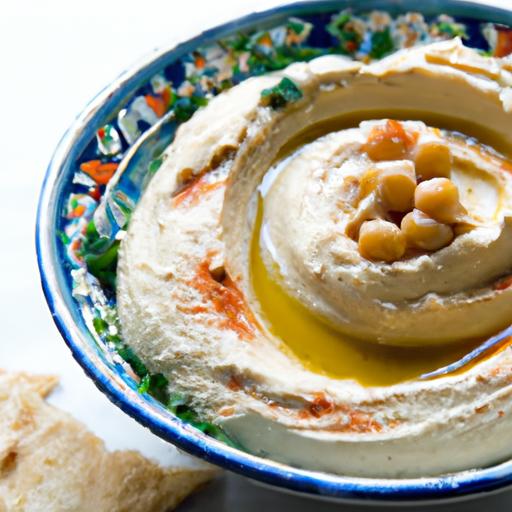
Imagine diving into a bowl of velvety, perfectly creamy hummus that melts on your tongue with every bite-no gritty texture, no bitterness, just pure, luscious flavor.Whether you’re a seasoned kitchen pro or a curious newbie, unlocking the secret to making effortless, smooth hummus at home is easier than you think.
In this article,we’ll uncover the tips,tricks,and little-known techniques that transform simple chickpeas into a silky dip worthy of any gathering. get ready to elevate your hummus game and impress your taste buds with a recipe that’s as easy to make as it is flavorful!
Unlock the secret to Perfectly Creamy, Easy Hummus! begins with selecting the right chickpeas-a crucial step in crafting that famously smooth, velvety dip loved worldwide. Whether you’re eyeing those plump, golden legumes or canned convenience, understanding their nuances will transform your hummus from ordinary to unusual.
Prep and Cook Time
Preparation: 10 minutes (plus soaking time if using dried chickpeas)
Cooking: 1 hour 30 minutes (for dried chickpeas)
Total Time: Approximately 1 hour 40 minutes
Yield
Approximately 2 cups (serves 6-8 as appetizer)
Difficulty Level
easy
Ingredients
- 1 ½ cups dried chickpeas (or 2 cans, 15 oz each, chickpeas, drained and rinsed)
- ½ teaspoon baking soda (for soaking)
- ½ cup tahini (well-stirred, high-quality sesame paste)
- ¼ cup fresh lemon juice (about 2 lemons)
- 2-3 cloves garlic (minced or crushed)
- ½ teaspoon fine sea salt
- ½ cup extra virgin olive oil (plus more for drizzling)
- ¼ to ½ cup cold water (to adjust consistency)
- 1 teaspoon ground cumin (optional, for warmth and depth)
Instructions
- Soak the chickpeas: Rinse dried chickpeas and soak with ½ teaspoon baking soda in 6 cups water overnight. This softens the skins, contributing to a silkier hummus texture.
- Cook until tender: Drain soaking water, rinse chickpeas, then simmer in fresh water for 1 to 1 ½ hours until the chickpeas are very soft and can be easily mashed between fingers.
- Peel the chickpeas (optional but recommended): For ultimate creaminess,gently pinch chickpeas to slip off the skins-this extra step elevates texture dramatically.
- Blend tahini and lemon juice: in a food processor,combine tahini and fresh lemon juice,blending for about 1 minute until whipped and pale. This aeration unlocks the tahini’s rich, nutty flavor and keeps your hummus light.
- add garlic and salt: Add minced garlic and salt to the tahini-lemon mixture, pulse a few times to incorporate flavors.
- Process chickpeas: Add chickpeas in batches, pulsing to combine. Slowly drizzle in olive oil while processing, allowing the oils to emulsify the mixture.
- Adjust texture: With the processor running, add cold water little by little until the hummus reaches your desired creamy, silky consistency.
- Final seasonings: Taste and adjust salt, lemon juice, or garlic for balanced brightness and depth. Optionally mix in ground cumin for warm undertones.
- Serve and garnish: Transfer hummus to a bowl. Create a shallow well with a spoon, drizzle extra virgin olive oil generously, and garnish with a sprinkle of smoked paprika, chopped parsley, or toasted pine nuts.
Tips for Success
- Choosing chickpeas: Dried chickpeas yield the creamiest texture and the best flavor depth,but canned chickpeas make for a convenient shortcut. If using canned, try to rinse thoroughly and simmer for 10-15 minutes to soften even further.
- Blending balance: Whipping tahini with lemon juice before adding anything else captures its rich oils and prevents bitterness, a subtle trick professional chefs swear by.
- Tahini quality: Opt for a smooth,creamy tahini with a pale colour-these tend to have a more delicate,buttery flavor. Stir well before measuring, as natural oil separation occurs.
- Texture matters: Adding ice-cold water gradually while blending helps achieve that whisper-light,velvety mouthfeel that distinguishes exceptional hummus.
- Make ahead: Hummus flavors deepen when refrigerated overnight. Store in an airtight container and bring to room temperature before serving.
Serving Suggestions
Bright, creamy hummus is a versatile companion:
- As a dip with warm, fluffy pita bread or crisp vegetable sticks like carrots and cucumbers
- Spread generously on sandwiches or wraps for a luscious layer of flavor and creaminess
- Topped with za’atar, roasted chickpeas, or pomegranate seeds to add color, crunch, and visual appeal
- Paired alongside grilled vegetables or falafel for a Middle Eastern mezze platter experience

| Nutrient | Per Serving (2 tbsp) |
|---|---|
| Calories | 70 |
| protein | 2.5g |
| Carbohydrates | 6g |
| Fat | 5g |
For a deeper dive into Middle Eastern flavors and complementary dishes, check out our magic of Middle Eastern Spices guide. To learn more about the nutritional benefits of chickpeas,visit Healthline’s Chickpeas Benefits.
Q&A
Q&A: Unlock the Secret to Perfectly Creamy, Easy Hummus!
Q1: What’s the key to getting that ultra-creamy texture in homemade hummus?
A1: The magic lies in a few simple tricks: first, use well-cooked chickpeas-either canned or soaked and simmered until soft. Then, peel the chickpeas by gently rubbing them between your fingers or a kitchen towel. Removing those tiny skins transforms your hummus from rustic to velvety smooth. don’t skimp on the ice-cold water or olive oil when blending-these help achieve that luscious, creamy consistency.
Q2: Why is peeling chickpeas so important, and is it really necessary?
A2: Peeling isn’t mandatory, but it’s a game-changer if you want silky hummus. The skins can make your dip a bit gritty or grainy. removing them takes extra time but results in a wonderfully smooth texture that feels indulgent on the palate. it’s a little labor of love that pays off beautifully!
Q3: Can I use canned chickpeas directly, or should I cook dried ones every time?
A3: Both options work! Canned chickpeas are a fantastic shortcut: just rinse them well to remove the canning liquid’s slight bitterness. If you prefer cooking dried chickpeas, soaking overnight and simmering until soft can give you more control over texture and flavor. For the creamiest results, cooking your own allows the chickpeas to absorb more water, making them softer and easier to blend.
Q4: How does adding ice-cold water affect the texture of hummus?
A4: Adding ice-cold water while blending is a secret tip from hummus enthusiasts! the chilled water emulsifies the tahini and chickpeas, creating a lighter, fluffier, and creamier blend. It also helps prevent the hummus from becoming too thick or pasty-think of it as a silky bridge between flavors and textures.
Q5: what role does tahini play, and can I substitute it?
A5: Tahini, a rich sesame seed paste, adds depth and a nutty creaminess that’s quintessential to customary hummus. While you can experiment with alternatives like sunflower seed butter or almond butter,pure tahini provides a unique flavor and smoothness that’s hard to replicate. Using high-quality, fresh tahini elevates your dip to a whole new level!
Q6: How can I customize the flavor of my hummus without sacrificing creaminess?
A6: Keep the base creamy and smooth by perfecting the texture first, then get playful! Fresh garlic, a squeeze of lemon juice, ground cumin, or a pinch of smoked paprika can add vibrant layers of flavor. Roasted red peppers, caramelized onions, or even a dollop of harissa stirred in can transform your hummus into a gourmet delight.Just blend these ingredients thoroughly to maintain that luscious creaminess.
Q7: What common mistakes should I avoid when making hummus?
A7: Key pitfalls include skimping on garlic or lemon (which can lead to a bland dip), blending too briefly (resulting in a coarse texture), and forgetting to adjust seasoning at the end. Also, using chickpeas that aren’t soft enough can create a gritty hummus. Lastly, don’t add too much tahini early on-tahini can overpower the dip, so start small and taste as you go.
Q8: Can I make hummus ahead of time, and how should I store it?
A8: Absolutely! Hummus often tastes even better after a few hours in the fridge as the flavors meld. Store it in an airtight container for up to 4-5 days. Before serving, give it a quick stir and drizzle with fresh olive oil to restore that inviting sheen.For longer storage, hummus freezes well-just thaw slowly in the fridge and stir before enjoying.
Unlocking the secret to perfectly creamy, easy hummus is all about patience, quality ingredients, and a few clever techniques. With these tips,you’ll be scooping silky,dreamy hummus that dazzles every time-ready to spread,dip,and savor!
In Summary
Now that you’ve uncovered the secret to crafting perfectly creamy,effortlessly smooth hummus,the world of flavorful dips is yours to explore. Whether you’re dipping, spreading, or dolloping, this simple masterpiece transforms any snack or meal into a celebration of wholesome goodness.
So grab your blender, embrace the magic of well-soaked chickpeas, and let your kitchen become a haven of delicious possibilities. Remember, the perfect hummus isn’t just a recipe-it’s a gateway to creativity and comfort in every bite. Happy blending!