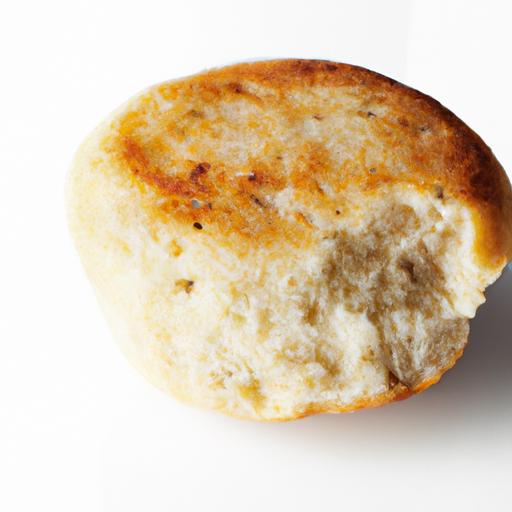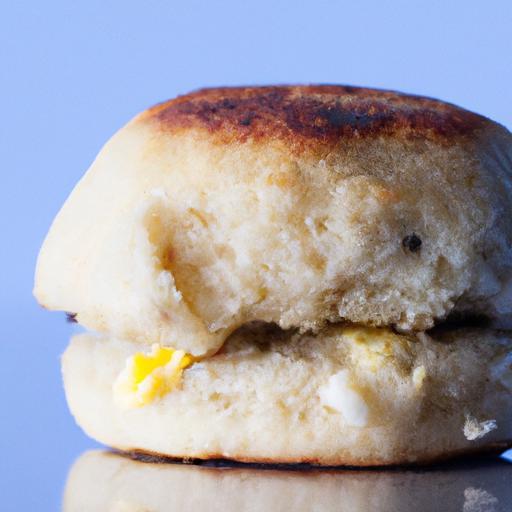
There’s something irresistibly cozy about the humble English muffin-a golden, nubby treasure that has quietly earned its place on breakfast tables around the world. With its signature nooks and crannies just waiting to cradle melted butter or jam, the English muffin offers more than just sustenance; it connects us to a rich tradition of baking that dates back centuries. In this article, we’ll unwrap the story behind this beloved bread, explore its unique texture and flavor, and discover how unlocking the charm of English muffins can turn an ordinary morning into a delicious ritual.
Whether your a longtime fan or a curious newcomer, prepare to savor the tasty tradition that’s as comforting as it is delightful.
Unlocking the Charm of English Muffins: A Tasty Tradition
Unlocking the charm of English muffins begins with a journey into their historic roots and distinctive texture-a delightful marvel of breakfast breads. These golden discs, famed for their nooks and crannies, owe their unique crumb to traditional methods that have been lovingly preserved through generations.
Imagine gently toasting one to reveal a crisp exterior with a soft, airy interior ready to cradle melting butter or your favorite topping.Inspired by countless breakfasts shared with family and friends, this recipe will empower you to recreate authentic English muffins in your own kitchen and savor that unmistakable homemade charm.
Prep and Cook Time
- Readiness: 25 minutes
- Rising: 1 hour 30 minutes (two rises)
- cooking: 15-20 minutes
- total Time: Approximately 2 hours 15 minutes
Yield
8 Classic English Muffins (about 3.5 inches diameter each)
Difficulty Level
Medium – Best for cooks pleasant with yeast dough and mindful of texture development
Ingredients
- 3/4 cup warm milk (110°F/43°C), not too hot to avoid killing the yeast
- 1 tablespoon granulated sugar
- 1 packet active dry yeast (2 1/4 teaspoons)
- 2 cups all-purpose flour, sifted
- 1/2 teaspoon salt
- 2 tablespoons unsalted butter, melted and slightly cooled
- Semolina flour or cornmeal, for dusting
Step by Step Guide to Baking Authentic English Muffins at Home
- Proof the yeast: In a small bowl, combine the warm milk, sugar, and yeast. Let it rest for 5-10 minutes until frothy and active, signaling the yeast is alive and ready.
- Mix the dough: In a large bowl, whisk together the flour and salt. Add the melted butter and the yeast mixture. Stir with a wooden spoon or dough hook until a soft, slightly sticky dough forms.
- Knead and rise: Turn dough onto a floured surface and knead for 7-8 minutes until smooth and elastic. Place in a lightly oiled bowl, cover with a damp towel or plastic wrap, and let rise in a warm place until doubled, about 1 hour.
- Shape the muffins: Gently deflate the dough and roll out to approximately 1/2 inch thickness. Using a 3.5-inch round cutter, cut out circles and place them on a baking sheet dusted generously with semolina or cornmeal to prevent sticking and enhance texture.
- Second rise: Cover the muffins loosely and allow them to rise for another 30 minutes until puffy but not doubled.
- Cook the muffins: Heat a cast-iron skillet or heavy nonstick pan over medium-low heat. Cook the muffins for 7-8 minutes on the first side until golden brown and the edges set. Flip carefully and cook the other side for another 7-8 minutes. Avoid raising heat too high to ensure internal cooking without burning.
- Cool and split: Let muffins cool on a wire rack. For the classic “nooks and crannies” texture, split them open with a fork rather than slicing straight down, creating jagged edges perfect for holding butter and spreads.
Tips for Storing and reviving Muffins to Keep Freshness Intact
Freshly baked muffins are best enjoyed within 24 hours. To store, place them in an airtight container or zip-top bag at room temperature for up to 2 days. For longer storage, freeze individually wrapped muffins- thaw overnight in the fridge or toast directly to retain that fresh-baked texture. To revive day-old muffins, split and toast them gently until crisp and warm, bringing back the delightful contrast of crunchy exterior and tender crumb.
Perfect Pairings and Creative Toppings to Elevate your Muffin Experience
English muffins are a versatile base, perfect for sweet or savory elevations. Classic combinations include butter and homemade jam, luscious creamy avocado with a sprinkle of chili flakes, or a hearty poached egg and smoked salmon.
For adventurous palates, try layering ricotta, honey, and crushed pistachios or pepper jack cheese with sliced jalapeños and a drizzle of honey. Their signature nooks wonderfully cradle melted cheese, jam, or savory spreads, enhancing every bite.
Chef’s Notes
- Flour options: For nuttier flavor, substitute half the all-purpose flour with whole wheat flour but be sure to increase hydration slightly.
- Milk alternatives: Almond or oat milk may be used without compromising texture considerably.
- Consistency tip: Dough should be tacky but manageable; if too sticky, add flour in small increments.
- Make ahead: After shaping, muffins can be frozen before the second rise and cooked straight from frozen-add a minute or two to cooking time.
Nutrition per Muffin
| Calories | Protein | Carbohydrates | Fat |
|---|---|---|---|
| 140 | 4g | 24g | 3g |

For an inspiring dive into other traditional breads that pair beautifully with your English muffins, explore our homemade sourdough bread recipe. To learn more about yeast fermentation’s impact on bread texture,check out this detailed guide on King Arthur Baking’s yeast primer.
Q&A
Q&A: Unlocking the Charm of English Muffins: A Tasty Tradition
Q1: What exactly is an English muffin, and how does it differ from a regular muffin?
A1: While both share the word “muffin,” an English muffin is quite distinct from its sweeter, cake-like cousin. English muffins are small, round, and flat breads, typically toasted and split open to reveal a soft, nooks-and-crannies interior perfect for butter and jam. Unlike regular muffins, which are baked as batter in a tin, English muffins are cooked on a griddle or stovetop, giving them a unique texture and flavor.
Q2: Where did English muffins originate, and how did they become a staple breakfast item?
A2: The journey of the English muffin begins in Victorian England, where hearty breads were a breakfast tradition. They were originally called “muffins” and gained popularity among the working class for their portability and substance. The name ”English muffin” took hold mainly in America to distinguish them from american-style muffins. Over time, their versatility and comforting warmth helped them become a beloved breakfast classic worldwide.
Q3: what gives English muffins their signature nooks and crannies?
A3: The magic lies in the fermentation process and the cooking method. English muffin dough is allowed to rise slowly, encouraging air bubbles to form. When cooked gently on a griddle, these bubbles create the iconic texture – the nooks and crannies – perfect for catching melting butter, honey, or cream cheese. It’s this signature texture that makes every bite a delightful experience.
Q4: How can you best enjoy an English muffin?
A4: The possibilities are endless! Traditionally, English muffins are sliced open, toasted to a golden crisp, and topped with butter or jam. But for the adventurous palate, they serve as the perfect base for eggs Benedict, sandwiches, or even mini pizzas. their neutral yet slightly tangy flavor invites creativity, so don’t hesitate to pair them with sweet or savory toppings alike.
Q5: Can you make English muffins at home, and is it challenging?
A5: Absolutely! Making English muffins at home is a rewarding culinary adventure that’s not as intimidating as it sounds. The dough requires some time to rise and rest, but the ingredients are simple-flour, yeast, milk, and a pinch of sugar and salt. With a bit of patience and a skillet, you can achieve that lovely crust and fluffy interior that define the perfect English muffin. Plus, homemade always tastes better!
Q6: Why have english muffins endured through centuries as a breakfast favorite?
A6: English muffins strike a perfect balance of convenience, flavor, and texture. They’re easy to prepare, versatile in use, and offer a comforting, slightly tangy taste that pairs well with countless toppings.More than that, they carry a sense of tradition and nostalgia, connecting generations through a simple yet satisfying start to the day. Their timeless appeal is a tasty tradition worth savoring.
Unlocking the charm of English muffins is about celebrating more than just a bread-it’s embracing a heritage of flavor, texture, and culinary versatility that continues to toast breakfast tables around the world.
In Conclusion
As we’ve journeyed through the warm, golden layers of English muffins, it’s clear that their charm lies not just in their taste, but in the stories they carry with every crumb. From humble breakfast tables to gourmet creations, these versatile delights invite us to savor tradition while exploring new flavors. So next time you hear that distinctive pop from the toaster, remember-you’re about to unlock a little piece of culinary history, one delicious, nooks-and-crannies-filled bite at a time.