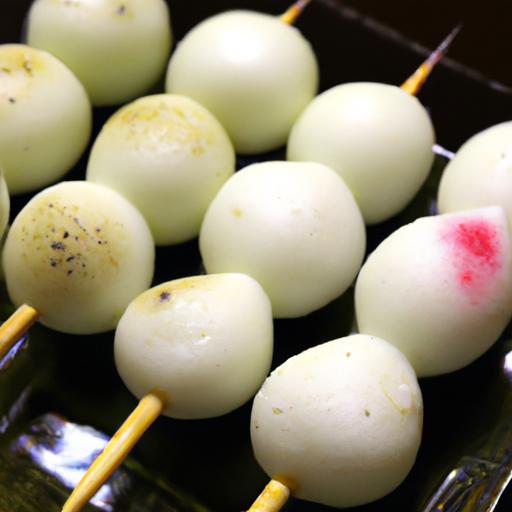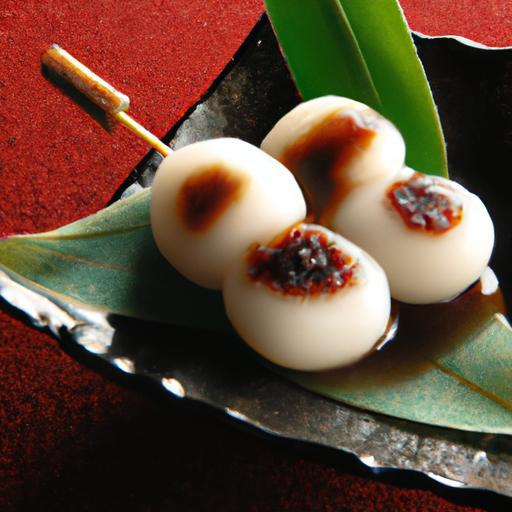
Nestled within the rich tapestry of Japan’s culinary heritage lies a humble yet enchanting treat that has delighted taste buds for centuries: dango. These charming sweet rice dumplings, often skewered and glazed with a variety of flavors, offer more then just a delightful snack-they embody tradition, seasonality, and celebration.
From the pastel hues of hanami dango enjoyed under cherry blossoms to the earthy sweetness of mitarashi glazed dumplings, dango invites both locals and travelers on a flavorful journey through Japan’s cultural and culinary landscape. In this article, we explore the origins, varieties, and enduring appeal of this beloved sweet, uncovering what makes dango a timeless symbol of Japanese confectionery artistry.
Dango Delights are more than just sweet rice dumplings; they carry centuries of tradition woven into the vibrant fabrics of Japan’s cultural festivities. Originating from simple rice flour mixtures, these chewy spheres have become symbolic treats that bring communities together, especially during seasonal celebrations like Hanami (cherry blossom viewing) and Tsukimi (moon festival). My first encounter with dango was at a bustling Kyoto street festival, where the aroma of grilled dumplings glazed with rich sauces mingled with the joyful chatter of families and friends. That taste of subtly sweet, slightly smoky dango forever engraved a sense of harmony and festivity in my culinary heart.
Prep and Cook Time
- Readiness: 20 minutes
- Cooking: 15 minutes
- Total: 35 minutes
Yield
Approximately 24 bite-sized dango (serves 6)
Difficulty Level
Medium – Ideal for home cooks eager to master customary Japanese sweets with a few contemporary twists.
Ingredients
- 1 cup glutinous rice flour (shiratamako)
- 2/3 cup warm water
- 12 bamboo skewers, soaked in water
- 1/4 cup sugar (adjust to preference)
- 2 tbsp soy sauce (for savory sauce)
- 2 tbsp mirin (sweet rice wine substitute: use extra sugar for alcohol-free version)
- 2 tbsp kuromitsu (black sugar syrup) or homemade sweet syrup
- Optional: matcha powder, sesame seeds, azuki (red bean paste), kinako (roasted soybean flour)
Instructions
- Mix the Dough: In a bowl, gradually combine glutinous rice flour with warm water, stirring with a wooden spoon or hands until it forms a smooth, pliable dough. It should be soft but not sticky.
- Shape the Dango: Divide the dough into 24 equal pieces. Roll each into a smooth ball about 1-inch in diameter. If the dough sticks, lightly dust your hands with rice flour.
- Boil the Dango: Bring a large pot of water to boil. Drop the balls gently into the water. Once they float to the surface, continue cooking for an additional 2 minutes to ensure a chewy texture.
- Cool and Skewer: remove dango with a slotted spoon, then plunge into cold water to retain chewiness. Drain well. Thread 4 balls per bamboo skewer gently but firmly.
- Prepare the Sauce: In a small saucepan, combine soy sauce, mirin, sugar, and kuromitsu. Heat on medium, stirring until the sugar dissolves and the sauce thickens slightly-about 5 minutes.
- Grill the Dango: Using a grill pan or charcoal grill, lightly brush skewers with oil and cook until light char marks appear, turning frequently (about 2 minutes each side).
- Glaze and Serve: Generously brush or drizzle the sauce over the grilled dango. For extra flair, sprinkle with toasted sesame seeds or dust with kinako powder.
Tips for Success
- For a colorful presentation, incorporate natural powders into the dough such as matcha for green or sweet potato purée for yellow-tinted dango balls.
- Use shiratamako rice flour instead of mochiko for a softer and more elastic texture.
- If the dough feels too dry, add water a teaspoon at a time; if too wet, sprinkle rice flour gradually.
- Make dango ahead of time and refrigerate them. Reheat gently by steaming or grilling to restore chewiness.
- Experiment with toppings like kinako or thickened azuki paste for unique flavor profiles.
Serving Suggestions
Dango delight shines when served warm and fresh off the grill, paired with a steaming cup of green tea.Present skewers on a lacquered tray lined with fresh sakura petals or bamboo leaves for an authentic Japanese festival ambiance. For visual drama, alternate colors or flavors on each skewer-try layering sweet red bean paste between balls or rolling dango in toasted sesame seeds before grilling.

| Nutrient | Per Serving (4 pieces) |
|---|---|
| Calories | 150 |
| Protein | 2g |
| Carbohydrates | 35g |
| Fat | 0.5g |
Exploring Regional Varieties and Unique Flavor Combinations in Dango Delights
Dango traditions vary widely across Japan’s regions,reflecting local ingredients and cultural preferences. The Kansai area delights in mitarashi dango, where dumplings are grilled and bathed in a sticky, soy-based glaze rich in umami. Northern Japan often features dango served with a sweet red bean paste, while the southern regions might favor hanami dango-triplets of pastel-colored dumplings symbolizing seasonal blooms.
Modern chefs and home cooks alike incorporate innovative flavors inspired by global palates, such as black sesame, yuzu citrus zest, and even chocolate-coated versions, giving new life to these traditional treats. Whether savored at a bustling Tokyo street stall or in a quiet kyoto teahouse, these rice dumpling delights remain a beloved expression of communal joy and culinary heritage.
For an in-depth look at Japanese sweets pairing, be sure to explore our related guide on Japanese desserts to Savor After Dango.
For original ancient context and cultural insights about dango and thier place in Japanese festivals, visit the Japan National Tourism Organization’s official page: Japan Festivals and Customs.
Q&A
Q&A: Dango Delights – Exploring Japan’s Sweet Rice Dumpling Tradition
Q1: What exactly is dango?
A: Dango are small, chewy rice flour dumplings, traditionally served on a skewer. These sweet or savory treats have been a beloved staple in Japanese culture for centuries, often enjoyed during festivals, tea ceremonies, or as a simple everyday snack.
Q2: How is dango made?
A: The basic dango dough is made from shiratamako or joshinko-types of glutinous rice flour-mixed with water and sometimes a touch of sugar. The dough is rolled into small balls,boiled until they float,then cooled before being skewered and topped with various sauces or coatings.
Q3: What are some popular varieties of dango?
A: There’s a delightful spectrum:
- Mitarashi dango: glazed with a sweet soy sauce syrup, perfectly balancing salty and sweet.
- Anko dango: coated with a generous layer of sweet red bean paste.
- Hanami dango: tri-colored dumplings (pink, white, and green) enjoyed during cherry blossom season, each color holding symbolic meaning.
- Kinako dango: dusted with roasted soybean flour, lending a nutty flavor.
Q4: What cultural meaning do dango hold in Japan?
A: Beyond their taste,dango symbolize unity and celebration. Tri-colored hanami dango are synonymous with welcoming spring and enjoying nature’s fleeting beauty. They also appear in folklore and festivals, marking communal joy and seasonal transitions.
Q5: How does dango differ from mochi?
A: While both are made from glutinous rice, dango is typically smaller, firmer, and served on skewers, often with coatings or sauces. Mochi is softer, chewier, and more versatile, used in both sweet and savory dishes, including as fillings or as standalone treats.
Q6: Can dango be enjoyed year-round, or are they seasonal?
A: dango is enjoyed all year, but certain types peak with the seasons. Hanami dango shines in spring, while chestnut or pumpkin-flavored varieties appear in autumn. This cyclical enjoyment highlights Japan’s deep gratitude for seasonal ingredients and aesthetics.
Q7: Are there regional variations of dango?
A: Absolutely! Different areas of Japan have their own special takes. Such as, in some regions, dango are grilled and brushed with miso-based sauces, creating a savory twist. elsewhere, colorful sweet toppings made from local ingredients add a unique flair.
Q8: How can someone outside Japan enjoy authentic dango?
A: Manny Japanese confectionery shops worldwide carry dango, especially in areas with vibrant Japanese communities. For those who love cooking, dango can be made at home with simple ingredients and a bit of patience, unlocking a appetizing snippet of Japan’s sweet heritage.
Q9: What drinks pair well with dango?
A: Traditionally, dango pairs beautifully with Japanese green tea. The tea’s subtle bitterness and earthy notes complement the sweetness and varied textures of dango, creating a harmonious tasting experience.
Q10: Are there any engaging fun facts about dango?
A: Yes! Legend has it that dango once played a role in Japanese ghost stories, where offerings of dango appeased spirits.Also, the word “dango” can sometimes mean “group” or “clump” in Japanese, fitting for these clustered treats.
Embarking on a dango journey isn’t just about tasting rice dumplings-it’s a bite into Japan’s history, culture, and seasonal beauty. Whether paired with tea under cherry blossoms or enjoyed as an everyday delight,dango continues to charm hearts around the world.
Key Takeaways
As the last bite of dango melts on your tongue, you’re reminded that this humble rice dumpling is far more than a sweet treat-it’s a thread woven deeply into the tapestry of Japanese culture and history. From vibrant festival stalls to tranquil tea ceremonies,dango carries stories of tradition,community,and seasonal celebration.
Whether coated in savory soy glaze or dusted with nutty kinako, each delectable sphere invites you to savor not only its flavor but also the rich heritage it embodies. So next time you encounter these charming dumplings, take a moment to appreciate the sweet legacy nestled within their chewy embrace-a delicious gateway into Japan’s timeless culinary artistry.