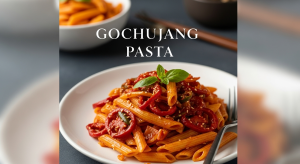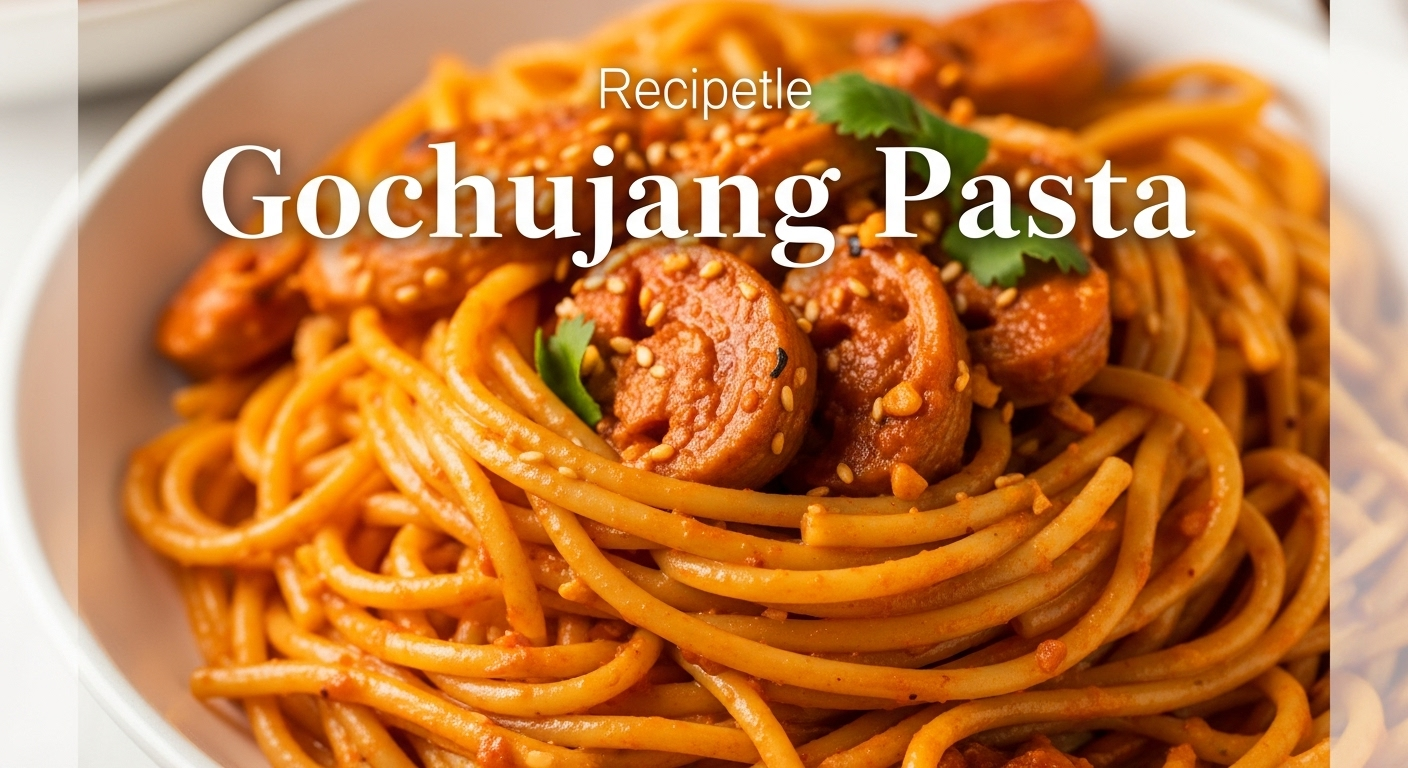
In the vibrant world of culinary innovation, where tradition meets bold creativity, a new star is rising: Korean Gochujang pasta. This spicy fusion dish takes the rich, umami-packed heat of Korea’s iconic gochujang chili paste and twirls it effortlessly into the comforting, familiar embrace of italian pasta. The result? A harmonious blend that excites the palate and invites adventurous food lovers to discover a captivating balance of fiery zest and savory depth.join us as we explore the charm of this tantalizing trend-where East meets West in a flavorful dance that’s as flavorful as it is unforgettable.
Spicy Fusion begins with the vibrant and addictive essence of gochujang, a staple Korean chili paste that has swept across global kitchens for its unique balance of heat, umami, and subtle sweetness. Rooted deeply in Korean culinary tradition, gochujang was originally crafted through fermenting glutinous rice with red chili powder, fermented soybeans, and malt barley, creating a complex flavor profile that awakens every palate. Transforming this iconic ingredient into a pasta sauce sparks an exciting fusion, marrying Italian comfort with Korean boldness. After experimenting in my own kitchen, I’ve discovered how this combination elevates humble pasta into an unforgettable experience, perfect for those craving a spicy yet sweet adventure.
Prep and Cook Time
- Readiness: 15 minutes
- Cooking: 20 minutes
- Total Time: 35 minutes
Yield
Serves 4 generously
Difficulty Level
Medium – perfect for home cooks who enjoy experimenting with bold flavors and balancing spices.
Essential Ingredients for Gochujang pasta
- 300g (10 oz) spaghetti or linguine, cook in salted water until al dente
- 3 tbsp gochujang (Korean fermented chili paste)
- 2 tbsp soy sauce (low sodium for balance)
- 1 tbsp honey or pure maple syrup to add natural sweetness
- 2 cloves garlic, minced
- 1 tbsp toasted sesame oil for nutty aroma
- 1 medium onion, finely diced
- 1 red bell pepper, thinly sliced
- 1 tbsp rice vinegar to brighten the dish
- 2 spring onions, sliced thinly for garnish
- 1 tsp toasted sesame seeds for texture and visual contrast
- Fresh basil or cilantro leaves (optional) for herbal fresh notes
- 1 tbsp vegetable oil for sautéing
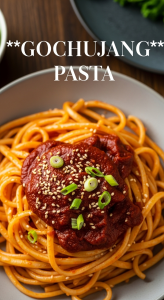
Mastering the Art of Balancing Heat and Sweetness: Instructions
- Bring a large pot of salted water to a boil, then cook the pasta according to package instructions until al dente. Reserve ½ cup of pasta water before draining.
- While the pasta cooks, heat vegetable oil in a large skillet over medium heat.Add diced onion and sauté until soft and translucent, about 4 minutes.
- Add minced garlic and sliced red bell pepper to the skillet, cooking until fragrant and slightly softened, about 3 minutes. Stir frequently to prevent burning.
- In a small bowl, whisk together gochujang, soy sauce, honey, rice vinegar, and toasted sesame oil. Adjust sweetness or heat by adding more honey or gochujang as preferred.
- Pour the sauce mixture into the skillet, stirring to coat the vegetables evenly. Cook for 2-3 minutes to allow the sauce to thicken slightly.
- Toss in the drained pasta into the skillet, gently combining with the sauce. Use reserved pasta water a little at a time to loosen the sauce,enhancing its silky texture and helping it cling to the noodles.
- Remove from heat and let the flavors meld for a minute.
- Transfer to serving plates and garnish generously with sliced spring onions, toasted sesame seeds, and fresh basil or cilantro leaves for a burst of color and fresh aroma.
Tips for Success
- Adjusting heat: Gochujang has a natural spiciness balanced by sweetness – for milder tastes, add more honey; for bolder heat, sprinkle in red chili flakes or extra gochujang.
- Choosing pasta: Flat noodles like linguine or fettuccine work wonderfully to hold the creamy sauce, but feel free to use spaghetti as a classic option.
- Make it gluten-free: Swap regular soy sauce with tamari and use rice noodles or gluten-free pasta for a compliant dish.
- make-ahead strategy: Prepare gochujang sauce in advance and store it refrigerated up to 3 days; toss fresh pasta just before serving for best texture.
- Textural contrast: For crunch, add toasted crushed peanuts or fried shallots on top.
Pairing Suggestions and Serving tips
This spicy fusion dish pairs beautifully with crisp and refreshing sides that can tame the palate. Serve alongside a simple cucumber salad dressed in rice vinegar and a sprinkle of toasted sesame seeds. A chilled korean barley tea (bori-cha) or cold sparkling water with lemon wedges refreshes the senses between bites.
For plating, swirl the pasta elegantly in shallow bowls, letting the vibrant red sauce shine, and sprinkle the garnishes generously for a colorful finish. Using a mix of fresh herbs adds visual depth and a fragrant lift. consider adding a few thin radish slices for crunch and color contrast.
| Nutrition | Per Serving |
|---|---|
| Calories | 420 kcal |
| Protein | 12 g |
| Carbs | 65 g |
| Fat | 10 g |

For a deeper dive into Korean flavors, don’t miss our authentic Bibimbap recipe. To learn more about the fascinating fermentation process behind gochujang, visit the Serious Eats guide on gochujang.
Q&A
Q&A: spicy Fusion – Discover the Charm of Korean Gochujang Pasta
Q1: What exactly is gochujang, and why is it perfect for pasta dishes?
A1: Gochujang is a vibrant Korean chili paste made from fermented red chili peppers, glutinous rice, and fermented soybeans. It boasts a unique blend of spicy, sweet, and umami flavors that create a deep, complex taste.When paired with pasta, gochujang adds a bold kick and a silky texture to the sauce, transforming a simple noodle dish into an exciting fusion experience.
Q2: How does gochujang pasta differ from traditional Italian pasta sauces?
A2: Unlike classic Italian tomato- or cream-based sauces, gochujang pasta incorporates Korean spice and fermentation. This gives the dish a dynamic heat and subtle tanginess that’s uncommon in Western cuisine. It’s a playful marriage of East and West, balancing the familiar comfort of pasta with the adventurous punch of Korean flavors.
Q3: What are some ideal ingredients to pair with gochujang in a pasta dish?
A3: Ingredients that complement gochujang’s spicy-sweet profile include sautéed mushrooms, bell peppers, zucchini, and fresh greens like spinach or arugula. Protein-wise, tender grilled chicken, shrimp, or tofu work beautifully, soaking up the sauce’s vibrant essence without overpowering it. A sprinkle of toasted sesame seeds or chopped scallions adds a delightful finishing touch.
Q4: Can gochujang pasta be made creamy without dairy?
A4: Absolutely! Using coconut milk or blended silken tofu can create a luscious, creamy texture that enhances the sauce’s depth while keeping it dairy-free. These alternatives help mellow the heat just enough to create a balanced, silky sauce that clings perfectly to every strand of pasta.
Q5: How can someone adjust the spice level in gochujang pasta to suit their taste?
A5: Gochujang’s heat can be tempered by adding touch of sweetness-like a drizzle of honey or maple syrup-or balancing it with acidic ingredients such as a splash of rice vinegar or a squeeze of fresh lime. For less heat,start with a smaller amount of gochujang and gradually build up,tasting as you go. Remember,the charm lies in the harmony of flavors rather than overpowering spice.
Q6: Is gochujang pasta suitable for weeknight dinners or special occasions?
A6: Definitely! Its quick cooking time and simple ingredients make gochujang pasta a fantastic choice for cozy weeknight dinners. At the same time,its bold flavors and unique fusion appeal make it notable enough to serve at gatherings,sparking curiosity and conversation around the dinner table.
Q7: What pasta shapes work best with gochujang sauce?
A7: Noodles that hold sauce well are ideal. Think spaghetti,linguine,or even fettuccine-their flat or slightly rounded surfaces catch the rich sauce beautifully. For a twist, try penne or rigatoni, whose hollow centers trap the sauce, delivering flavor-packed bites every time.
Q8: How did the idea of merging Korean gochujang with Italian pasta originate?
A8: the fusion of gochujang with pasta is a culinary reflection of the global food landscape-a creative crossroads where tradition meets innovation. Chefs and home cooks alike have explored blending the deep, fermented heat of Korean cuisine with the comforting familiarity of Italian pasta, crafting something entirely new that celebrates boldness and creativity.
Ready to spice up your pasta nights? Gochujang pasta invites you to savor a deliciously unexpected journey where cultures meet on your plate-fiery, flavorful, and unforgettable.
Closing Remarks
As the vibrant heat of gochujang mingles with the comforting embrace of pasta, a new culinary adventure unfolds-one that bridges continents and flavors with every bite. Whether you’re a spice seeker or a curious foodie, Korean gochujang pasta invites you to savor a bold fusion where tradition meets innovation.So next time you’re craving something both familiar and exciting, let this fiery, umami-rich dish transport your taste buds to a place where East meets West in perfect harmony. Embrace the charm of spicy fusion, and discover how a simple twist can transform your pasta experience forever.