
In the sweltering heat of an Indian summer, there’s one timeless treat that has captivated taste buds for centuries-kulfi. Often described as India’s answer to ice cream, this frozen dessert is far more than just a sweet indulgence; it is a rich tapestry of culture, history, and tradition wrapped up in creamy, fragrant bliss. “Kulfi Unwrapped: India’s Timeless Frozen Dessert delight” peels back the layers of this beloved delicacy, exploring its origins, unique preparation methods, and the flavors that have made it a cherished staple from bustling street corners to royal kitchens.
Join us as we journey into the heart of India’s culinary heritage, discovering how kulfi continues to enchant new generations with its cool charm and timeless appeal.
Kulfi Unwrapped reveals much more than just a frozen dessert; it opens a gateway to centuries of Indian culinary heritage and regional artistry. Originating during the Mughal era, this dense, creamy treat celebrates customary methods of slow-cooking milk infused with aromatic spices.Every bite offers an intimate taste of royal kitchens and humble street vendors alike, capturing the heart of India’s diverse food culture.
Prep and Cook Time
- Preparation: 15 minutes
- Cooking: 1 hour 30 minutes (including milk reduction)
- Freezing: Minimum 6 hours (preferably overnight)
Yield
Approximately 8 traditional kulfis (serving size: 4 ounces each)
Difficulty level
Medium – requires patience and attention to detail but accessible for home cooks
Ingredients
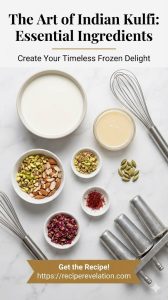
- 1 liter full-fat whole milk
- 1/2 cup sweetened condensed milk
- 1/2 cup heavy cream
- 1/4 cup sugar (adjust to taste)
- 1/4 teaspoon ground cardamom
- 10-12 crushed pistachios (for texture and garnish)
- 10-12 sliced almonds
- 1 teaspoon rose water (optional, for floral aroma)
- Pinch of saffron strands (soaked in 2 tablespoons warm milk)
Instructions
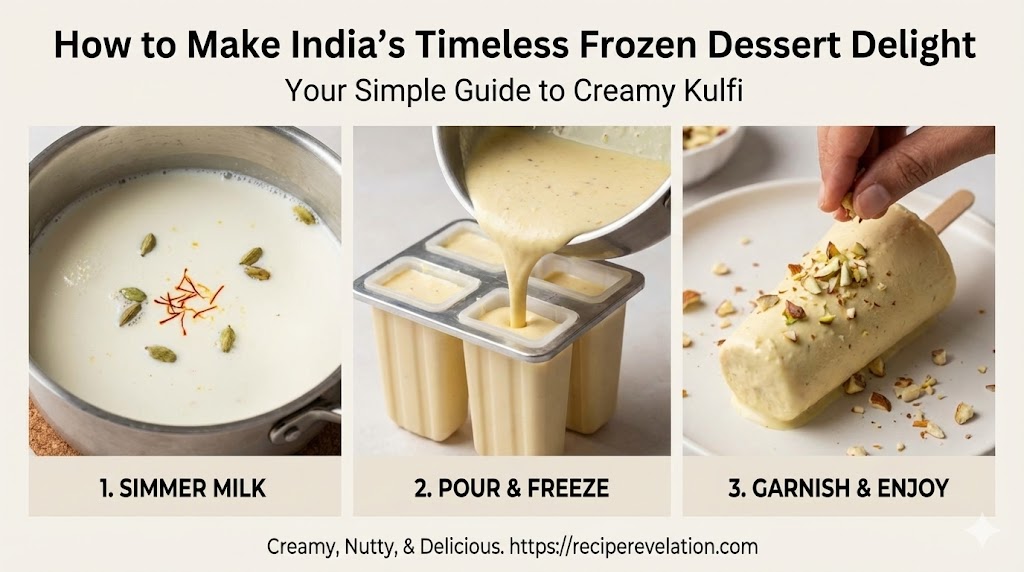
- Begin by boiling the milk: Pour the whole milk into a heavy-bottomed pan and bring to a gentle boil over medium heat.
- Simmer and reduce: Lower the heat to maintain a slow simmer, stirring frequently to prevent scorching. Cook until the milk reduces to about half its starting volume and becomes creamy and thick (approximately 45-60 minutes).
- Add sweetness and richness: Stir in the sweetened condensed milk, heavy cream, and sugar. Continue to cook for another 10 minutes, mixing well.
- Infuse flavors: Incorporate ground cardamom, saffron milk, and rose water while stirring gently. This layering of flavors is the heart of an authentic kulfi.
- Cool the mixture: Remove from heat and allow to cool to room temperature. Stir in crushed pistachios and almonds at this stage for delightful bursts of texture.
- Pour into molds: Transfer the kulfi base into traditional kulfi molds or small popsicle molds. Cover with lids or aluminum foil.
- Freeze thoroughly: Place molds in the freezer for at least 6 hours, preferably overnight, to achieve the signature dense and creamy texture.
- Serving: To unmold, briefly dip the molds in warm water to loosen and slide the kulfi out gently onto serving plates.
Expert Tips for Crafting Perfect Kulfi at Home
- Slow reduction is key: Patience while simmering milk develops the essential creaminess and depth of flavour. Avoid rushing this step or cooking on high heat.
- Use full-fat dairy: Whole milk and cream are vital; they provide the dense texture that distinguishes kulfi from lighter ice creams.
- Spices matter: Cardamom and saffron bring classic warmth and color, but these can be adjusted for your palette-try adding fennel seeds or a pinch of nutmeg for regional twists.
- Incorporate nuts thoughtfully: Toast almonds and pistachios briefly to amplify their crunch and aroma before blending them into the base or sprinkling on top.
- Freeze with care: Freeze the kulfi slowly to maintain its signature dense texture; rapid freezing can cause iciness.
- Make ahead: Kulfi can be frozen up to one week in advance, making it a perfect make-ahead dessert for celebrations.
Serving Suggestions
Present kulfi on decorative plates garnished with a sprinkle of chopped pistachios and a few rose petals for visual elegance. Accompany with a drizzle of chilled saffron syrup or a dusting of edible silver leaf (varak) for an authentic touch. This dessert pairs beautifully with warm cardamom-spiced chai or a refreshing mint lemonade to balance its rich creaminess.

| Nutrient | Per Serving (1 kulfi) |
|---|---|
| Calories | 220 kcal |
| Protein | 6 g |
| Carbohydrates | 18 g |
| Fat | 14 g |
To enrich your journey with Kulfi Unwrapped, explore our related guide on Indian Spices Essentials that can elevate your kulfi with bold flavors. For ancient context and the Mughal influence on indian desserts, visit Britannica’s Mughal empire overview.
Q&A
Q&A: Kulfi Unwrapped – India’s Timeless Frozen Dessert Delight
Q1: What exactly is kulfi and how does it differ from regular ice cream?
A1: Kulfi is a traditional Indian frozen dessert known for its rich, creamy texture and dense consistency. Unlike regular ice cream, which is churned to incorporate air and lighten its texture, kulfi is slow-cooked and frozen without churning, resulting in a naturally thick, fudge-like treat that melts slowly on the tongue.
Q2: How did kulfi originate and become a beloved dessert in india?
A2: Kulfi traces its roots back over 500 years to the Mughal era, when royal kitchens experimented with cooling sweets in the hot Indian climate. The technique of slow-cooking condensed milk infused with aromatic spices was perfected over generations, turning kulfi into an iconic street food that evokes nostalgia and party across India.
Q3: What are the characteristic flavors and ingredients of traditional kulfi?
A3: Traditional kulfi boasts a harmonious blend of sweetened condensed milk, cream, and often fragrant cardamom pods, saffron strands, and pistachios or almonds. These ingredients combine to create a dessert that’s sweet but balanced, with floral and nutty undertones that transport you to Indian spice markets and festive gatherings.
Q4: Are there different regional variations of kulfi across India?
A4: Absolutely! While the core method remains similar, kulfi varies widely from region to region. In northern India, the flavors tend to lean into saffron and rich nuts, while in western parts like Gujarat and Maharashtra, you might find fruity twists with mango or rose essence. Each variation tells a story of local tastes and seasonal harvests.
Q5: How is kulfi traditionally served and enjoyed?
A5: Kulfi is typically molded into small cones or cylindrical shapes, served on sticks or in small cups. Street vendors often sprinkle chopped nuts and rose petals on top or dip it lightly in falooda – thin vermicelli noodles soaked in rose syrup – for a refreshing combo. It’s enjoyed slowly, savoring each bite as it melts, providing a cooling respite on a warm day.
Q6: Can kulfi be made at home and what tips ensure a perfect homemade batch?
A6: Making kulfi at home can be a delightful culinary adventure! The key is patience: simmering milk for hours until it thickens and caramelizes slightly, then infusing it with your choice of spices before freezing. Using metal molds and freezing for at least 6-8 hours ensures the ideal dense texture. For a creative twist, try blending in fresh mango puree or rose water.
Q7: How has kulfi evolved in contemporary Indian cuisine?
A7: While traditional kulfi reigns supreme, modern chefs and home cooks alike have embraced innovation – incorporating chocolate, coffee, pistachio saffron fusion, or even vegan ingredients like coconut milk. Kulfi now bridges the gap between nostalgia and novelty, appearing in fusion desserts and gourmet menus worldwide.
Q8: What cultural significance does kulfi hold in Indian festivals and celebrations?
A8: Kulfi is more than a dessert; it’s a symbol of celebration, joy, and warmth. Frequently enough served during weddings, religious festivals like Diwali, and summer gatherings, kulfi embodies hospitality.Sharing it is indeed an invitation to slow down, savor sweetness, and connect with loved ones under the radiant Indian sun.
Q9: Why has kulfi remained a beloved dessert across generations despite the advent of modern frozen treats?
A9: Kulfi’s timeless appeal lies in its authenticity, rich heritage, and nuanced flavors rooted in centuries of tradition. Unlike many mass-produced frozen treats, kulfi delivers both comfort and complexity. It’s not just a dessert-it’s a flavorful story, a piece of history that continues to tickle taste buds and warm hearts.
This Q&A presents kulfi as both a culinary masterpiece and cultural treasure, inspiring readers to appreciate its rich past and delicious present.
Wrapping Up
As the final sip of cardamom-kissed kulfi melts on the tongue and the last crunch of pistachio lingers, it’s clear that this frozen delight is far more than just a dessert. Kulfi, with its rich heritage and timeless appeal, continues to bridge generations, offering a sweet taste of India’s cultural tapestry.
Whether savored on the bustling streets or crafted in modern kitchens worldwide, kulfi remains an enduring symbol of tradition, flavor, and the simple joy found in every creamy bite. In unwrapping kulfi, we unwrap a story – one that celebrates history, craftsmanship, and the worldwide love for a truly unforgettable frozen treat.