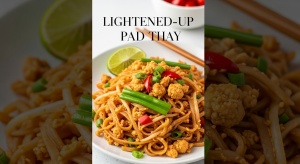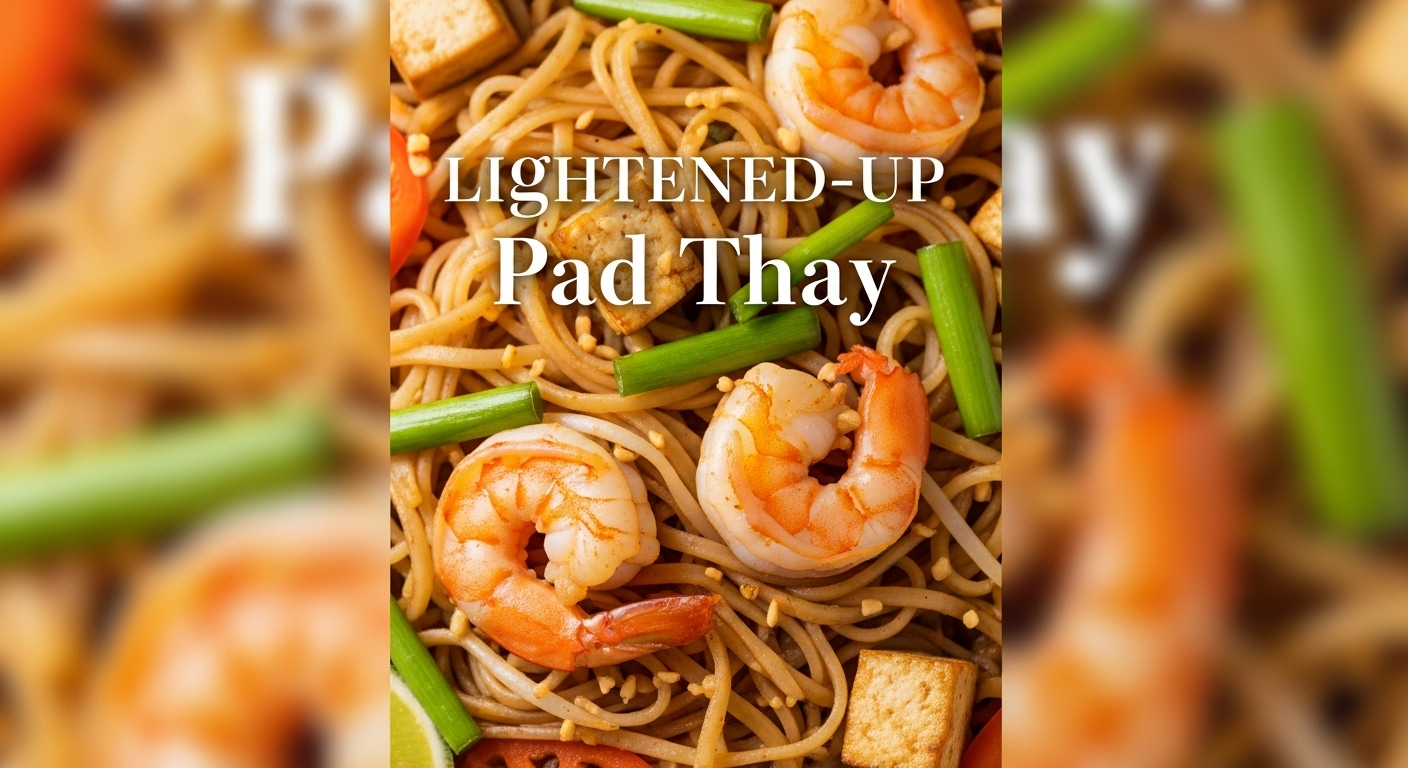
Vibrant, tangy, and irresistibly satisfying, Pad Thai has long been a beloved staple of Southeast Asian cuisine-and for good reason. Yet, its rich flavors often come paired with hefty portions of oil, sugar, and calories that make it feel more indulgent than everyday. What if you could savor all the zesty charm of this iconic dish while keeping things light and nourishing? Welcome to your guide to lightened-up pad Thai: a fresh,health-conscious take that doesn’t skimp on flavor.
Weather you’re a devoted foodie or a wellness seeker, this article will show you how to transform traditional ingredients into a vibrant, guilt-free feast that’s as kind to your body as it is to your palate. Get ready to unlock the secrets of healthy Pad Thai that tastes like the real deal-only better.
healthy & Flavorful: Your Guide to lightened-Up Pad Thai invites you on a vibrant culinary journey, reinventing a beloved Thai classic with nourishing swaps that delight both the palate and the body. Originating from bustling bangkok street carts,Pad Thai captivates with its luscious balance of sour,sweet,salty,and umami elements. Through smart ingredient choices, this version channels that iconic depth of flavor while embracing wholesome, lighter alternatives that celebrate fresh herbs, lean proteins, and crunchy vegetables.
Prep and Cook Time
- Readiness: 15 minutes
- Cooking: 10 minutes
- Total: 25 minutes
Yield
Serves 4 hearty portions
Difficulty Level
Easy to Medium – perfect for weeknight meals or impressing weekend guests
Ingredients
- 7 oz (200g) brown rice noodles, soaked in warm water for 20 minutes, then drained
- 1 tbsp avocado oil or neutral-flavored olive oil
- 2 large eggs, lightly beaten
- 8 oz (225g) skinless chicken breast, thinly sliced
- 1 cup firm tofu, cubed and pressed
- 3 garlic cloves, minced
- 1/2 cup shredded carrots
- 1/2 cup snap peas, halved
- 1/3 cup green onions, sliced thin
- 1/4 cup fresh cilantro, roughly chopped
- 1/4 cup fresh Thai basil leaves, torn
- 2 tbsp unsalted roasted peanuts, crushed
- 2 tbsp low-sodium tamari (gluten-free soy sauce)
- 1 tbsp pure maple syrup or coconut sugar
- 1 tbsp freshly squeezed lime juice
- 1 tsp chili garlic sauce (adjust to taste)
- Optional garnish: lime wedges, extra crushed peanuts, fresh bean sprouts
Instructions
- Prepare the noodles: Soak the brown rice noodles in warm water for about 20 minutes until pliable but still firm. Drain well and set aside.
- Cook the eggs: Heat 1 tsp avocado oil in a large non-stick skillet or wok over medium heat. Pour in the beaten eggs and scramble gently until just set. Remove from pan and keep warm.
- Sauté proteins: add the remaining oil and sauté the chicken breast slices until they turn white and start browning, approximately 6 minutes. Remove and set aside. In the same pan, lightly pan-fry tofu cubes until golden on all sides, about 4-5 minutes.
- Build the base flavors: Using the same pan, add minced garlic and sauté until fragrant, about 30 seconds. Add shredded carrots and snap peas; stir-fry 2 to 3 minutes to maintain crunch and brightness.
- Combine noodles and sauce: Toss the drained noodles into the pan with veggies. Pour in tamari,maple syrup,lime juice,and chili garlic sauce. Stir continuously to evenly coat the noodles and heat through.
- Reintroduce proteins and eggs: Return the cooked chicken, tofu, and scrambled eggs back to the skillet. Toss gently to combine and warm everything together, roughly 2 minutes.
- Finish with fresh herbs: Remove from heat and stir in sliced green onions, torn Thai basil, and cilantro, infusing the dish with vibrant herbal aromatics.
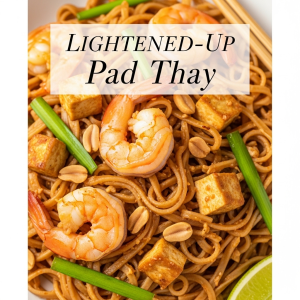
- Serve: Plate immediately, garnishing with crushed roasted peanuts, optional bean sprouts, and lime wedges for an extra zing.
Tips for Success
- Control noodle texture: Avoid over-soaking the noodles-they should remain slightly firm to provide ideal chewiness after stir-frying.
- Tofu preparation: Press tofu for at least 20 minutes to expel excess moisture, ensuring it crisps beautifully instead of steaming.
- Balancing brightness: Adjust lime juice and chili garlic sauce incrementally to suit your preferred tang and heat level.
- Make it vegetarian: Skip the chicken and add extra tofu or shelled edamame for added protein.
- advance prep: You can prepare and chop all veggies and slice proteins ahead to reduce cooking time on busy days.
Serving Suggestions
This healthy and flavorful version of Pad Thai shines when served with fresh lime wedges for an extra burst of citrus. Sprinkle additional crushed peanuts for texture contrast, and consider adding a side of lightly pickled cucumber salad to complement the dish’s tangy, savory notes. A cup of jasmine green tea or a chilled sparkling water with a hint of lemongrass makes a refreshing pairing.
| Nutrient | Per Serving |
|---|---|
| Calories | 350 kcal |
| Protein | 28 g |
| Carbohydrates | 38 g |
| Fat | 10 g |

For more inspiration on balanced Asian dishes, check out our healthy Thai Stir Fry Recipes. To deepen your understanding of traditional Thai ingredients and their nutritional benefits, visit Serious Eats’ Ultimate Guide to Thai Ingredients.
Q&A
Q&A: Healthy & Flavorful – Your Guide to Lightened-Up Pad thai
Q1: What makes traditional Pad Thai less healthy, and how can it be lightened up?
A1: Traditional Pad Thai often relies on ingredients like deep-fried tofu, sugar-heavy sauces, and generous amounts of oil. To lighten it up, you can use less oil or swap in heart-healthy oils, reduce the sugar content by opting for natural sweeteners like honey or maple syrup, and incorporate plenty of fresh vegetables and lean proteins such as chicken breast or shrimp. Spiralized vegetables or brown rice noodles also add fiber and nutrients without sacrificing flavor.
Q2: Can I still get that authentic Pad Thai flavor when making it healthier?
A2: Absolutely! Authentic flavor hinges on the perfect balance of sweet, sour, salty, and umami. Use fresh lime juice, tamarind paste, garlic, and a touch of natural sweetener to mimic traditional sauce flavors. Toasted peanuts, green onions, and fresh herbs like cilantro add layers of texture and taste, giving your dish that classic, vibrant character without the heaviness.
Q3: What are some great plant-based protein options for a lighter Pad Thai?
A3: Tofu is a fantastic plant-based protein that works well in Pad Thai, especially when baked or lightly pan-seared rather of deep-fried. Tempeh and edamame add variety and texture, too. For an extra boost, toss in chickpeas or a sprinkle of hemp seeds. These options keep the dish satisfying while maintaining a healthy profile.
Q4: How can I control the sodium content in Pad Thai without losing flavor?
A4: Managing sodium is key to a heart-healthy Pad Thai. Opt for low-sodium soy sauce or tamari and dilute it slightly with water or fresh lime juice. Incorporate aromatics like garlic, ginger, and chili flakes to elevate taste naturally. Fresh herbs and a splash of citrus can brighten the dish, making saltiness less critical for satisfaction.
Q5: Are there healthier noodle alternatives to use in Pad Thai?
A5: Yes! swap traditional rice noodles with whole-grain or brown rice noodles for added fiber, or try spiralized zucchini or sweet potatoes for a veggie-packed twist. Shirataki noodles are another low-calorie, low-carb option for those watching their intake. These alternatives maintain the dish’s texture and chew while boosting nutritional value.
Q6: What’s a smart way to incorporate vegetables into lightened-up Pad Thai?
A6: colorful veggies not only lighten the meal but add crunch and nutrients. Consider julienned carrots, bell peppers, snap peas, and bean sprouts. Stir-fry them lightly to maintain crispness,ensuring the dish stays fresh and vibrant. Greens like spinach or kale can be stirred in at the end for a mild-flavored nutrient boost.
Q7: How can I enjoy this dish regularly without feeling guilty?
A7: Moderation and mindful ingredient choices make regular enjoyment possible. Prepare batches with controlled portions of oil, sugar, and sodium, and bulk up on lean proteins and veggies. Portion out servings to avoid overeating and pair your meal with a fresh side salad or broth-based soup for added nourishment and satiety.
Q8: Can I prepare lightened-up Pad Thai in advance?
A8: Yes! Cook your noodles and protein separately, and prep the sauce in advance. Store vegetables separately to maintain freshness. When ready to serve, stir-fry everything quickly to bring it all together. This approach keeps the textures crisp and flavors fresh, perfect for a swift, healthy meal any day of the week.
With these tips and tweaks, your lightened-up Pad Thai can be just as tasty and satisfying as the classic, but better for your body and lifestyle. Enjoy every vibrant bite!
The Way Forward
Whether you’re a longtime Pad Thai aficionado or a curious newcomer, lightening up this beloved dish doesn’t mean sacrificing the vibrant flavors that make it a staple of Thai cuisine. By embracing fresh ingredients, clever swaps, and mindful cooking techniques, you can savor a plate that’s as nourishing as it is indeed delicious. So the next time cravings strike, remember: a healthier, more flavorful Pad Thai is just a few simple steps away-ready to delight your taste buds and fuel your day with balanced goodness. Happy cooking and even happier eating!