In the vibrant tapestry of Thai cuisine,few desserts capture the essence of the tropics quite like mango sticky rice. This beloved treat, known locally as khao niao mamuang, is a harmonious blend of velvety coconut-infused sticky rice paired with slices of sun-ripened mango, crowned with a drizzle of sweet coconut cream. More than just a simple dessert, mango sticky rice is a celebration of Thailand’s rich agricultural heritage, its seasonal rhythms, and a testament to the country’s mastery in marrying flavors and textures. Join us as we unwrap the story behind this sweet tropical delight-exploring its origins, cultural significance, and the art of crafting the perfect bite that has enchanted taste buds around the world.
Mango Sticky Rice: Thailand’s Sweet Tropical Delight Unwrapped invites you on a sensory journey through one of Thailand’s most beloved desserts. This harmonious pairing of luscious mango and creamy coconut-infused sticky rice is more than just a dish; it’s a cultural emblem that has graced Thai tables for centuries. Originating in the rural regions of northern Thailand, mango sticky rice encapsulates the seasonal bounty of Thailand’s fertile lands and the artistry of customary cooking methods passed down through generations. Its popularity spans far beyond borders, but unraveling the roots of this dessert reveals its deep ties to Thai festivals, celebrations, and the joyous welcoming of mango season.
the Art of Perfecting Sticky Rice for the Ideal Tropical Texture
at the heart of mango sticky rice lies sticky rice (also known as glutinous rice), which provides that signature chewy yet tender texture that beautifully complements juicy mango slices. Perfecting this component is a delicate art,requiring patience and technique.The rice must be soaked for at least 4 hours or overnight to soften, then steamed-not boiled-to preserve its glossy, sticky integrity. This steaming process ensures each grain retains a slight bite while melding into a cohesive, luscious mass that melts in your mouth. The rice is gently folded with sweetened coconut milk,which infuses it with a rich,creamy finish that sings of tropical indulgence.
Selecting the Best Mango Varieties to Elevate Your Dessert Experience
Choosing the right mango can elevate your mango sticky rice from delightful to sublime. In Thailand, the revered Nam Dok Mai mango-the choice for centuries-is celebrated for its fragrant aroma, golden flesh, and perfect balance of sweetness with a slight hint of tartness. Alternatively,the Keo savoy mango is prized for its creamy texture and sweet flavour. When selecting mangoes, look for fruit that yields slightly to gentle pressure and emits a tropical, floral scent. Avoid underripe hard mangoes or overly mushy fruits to maintain the ideal fresh contrast against the rich sticky rice.
Tips and Tricks for Serving Mango Sticky Rice Like a Local Expert
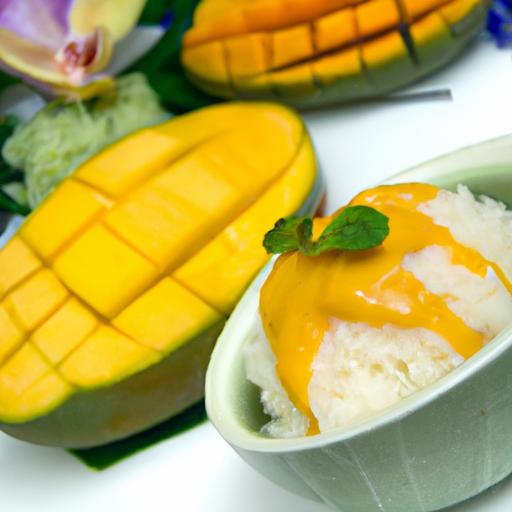
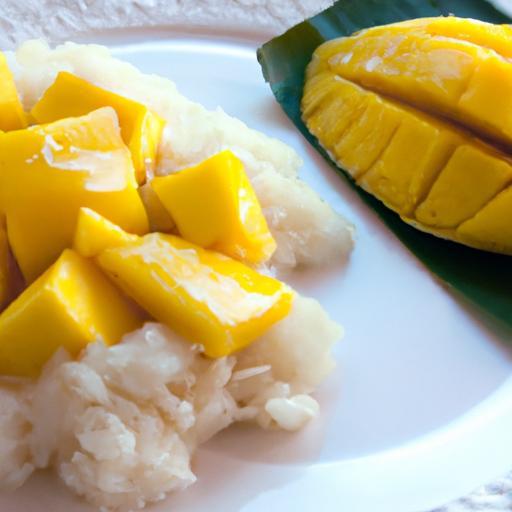
Serving mango sticky rice the Thai way is all about celebration and sensory appeal. Presentation is key-mound the sticky rice neatly on an artisanal plate or banana leaf, arrange vibrant mango slices fanned beside it, and drizzle with warm coconut cream. For authentic flair, sprinkle toasted mung beans or sesame seeds on top for a subtle crunch. Serve this dessert slightly warm or at room temperature to unlock the fullest coconut aroma.
Whether enjoyed during a sunset street food crawl or a festive family gathering, mango sticky rice is best savored fresh and shared with enthusiasm. Pair it with a refreshing Thai iced tea or jasmine tea to balance the sweetness. Embrace the tropical colors and textures to create an Instagram-worthy dessert that tastes just as heavenly as it looks.
Prep and Cook Time
- Preparation: 12 hours (including soaking time)
- Active Cooking: 30 minutes
Yield
- Serves 4 generously
Difficulty Level
- Medium – requires attention to soaking and steaming technique
Ingredients
- 1 cup glutinous sticky rice, rinsed and soaked overnight
- 1 ¼ cups coconut milk, full-fat for creaminess
- ½ cup granulated sugar
- ½ teaspoon salt
- 2 ripe Nam Dok Mai or Keo Savoy mangoes, peeled and sliced
- 2 tablespoons toasted mung beans or sesame seeds (optional garnish)
Instructions
- Prepare the sticky rice: Drain the soaked rice. Line a steamer basket with cheesecloth or a clean kitchen towel, then add rice evenly. Steam over boiling water for 20-25 minutes, gently fluffing halfway through to ensure even cooking.
- Mix the coconut sauce: While rice steams, combine coconut milk, sugar, and salt in a saucepan over low heat. Stir until sugar dissolves and mixture is warm but not boiling. Remove from heat.
- Combine rice and coconut milk: Transfer the steamed rice to a large bowl. Pour about 1 cup of the warm coconut sauce over the rice and gently fold to combine. Cover and let absorb for 20 minutes, allowing the rice to soak up the creamy goodness.
- Prepare mangoes: Peel and thinly slice mangoes lengthwise into tender wedges,aiming for uniform thickness to create a pleasing visual contrast with the sticky rice.
- Serve: Spoon sticky rice onto plates, fan mango slices beside it, and drizzle reserved coconut sauce over the top. Garnish with toasted mung beans or sesame seeds for texture.
chef’s Notes
- Soaking Tip: For best texture, never skip or shorten the soaking time. This is critical for perfect stickiness.
- Substitution: If glutinous rice is not available,do not substitute with jasmine rice; the texture will be wrong.
- Make-Ahead: you can prepare the sticky rice a few hours in advance but avoid refrigerating as it hardens.Rather, keep warm in a covered container.
- flavor Variations: Add pandan leaf to the steaming water or coconut milk mixture for an herbal, fragrant twist.
- Allergy Note: Use toasted coconut flakes instead of mung beans or sesame seeds for nut-free garnish options.
Serving Suggestions
For an authentically beautiful presentation, serve mango sticky rice on a rustic wooden plate or traditional banana leaf.Accompany with a small bowl of warm coconut cream for optional extra drizzle. A fresh mint leaf or edible flower adds a pop of colour and freshness. Pair the dessert with a chilled Thai iced tea or lemongrass-infused green tea to cut through the richness and refresh the palate, balancing sweet and savory notes.

Nutritional Information per Serving
| calories | Protein | Carbohydrates | Fat |
|---|---|---|---|
| 350 kcal | 4 g | 60 g | 8 g |
For more on Thai desserts and techniques, explore our Comprehensive Thai Desserts Guide. To understand the cultural nuances behind glutinous rice dishes,visit this expert overview of Thai cuisine.
Q&A
Q&A: Mango Sticky Rice – Thailand’s Sweet Tropical Delight Unwrapped
Q1: What is Mango Sticky rice, and why is it so beloved in Thailand?
A: Mango Sticky Rice, or Khao Niew Mamuang, is a heavenly Thai dessert that perfectly marries the creamy richness of coconut-infused sticky rice with the vibrant sweetness of ripe mangoes. It’s beloved for its balance of textures and flavors-a luscious blend of soft, chewy rice and juicy, fragrant mango that captures the essence of Thailand’s tropical bounty.
Q2: How is the sticky rice prepared to achieve its signature texture?
A: The magic lies in soaking glutinous rice overnight before steaming it gently until tender and sticky. Then, warm coconut milk mixed with sugar and a pinch of salt is slowly folded into the rice, creating a luscious, fragrant base that melts in your mouth with every bite.
Q3: What type of mango works best for this dessert?
A: The ideal mango is perfectly ripe-sweet, fragrant, and slightly firm. In Thailand, the Nam Dok Mai variety is preferred for its floral aroma and smooth texture, but any juicy, sweet mango with vibrant golden flesh makes a delightful choice.
Q4: Are ther variations of Mango Sticky Rice across Thailand?
A: Absolutely! While the classic recipe remains a favorite, some regions add toasted mung beans or crunchy sesame seeds on top for an extra layer of texture. Others drizzle a little coconut cream or sprinkle shredded coconut for enhanced richness and aroma.Q5: When is Mango Sticky Rice typically enjoyed?
A: This dessert shines brightest during mango season,generally from April to june,making it a refreshing treat to beat the tropical heat.It’s also a staple at festivals and celebrations, embodying the sweetness of Thai culture and the generosity of nature.
Q6: Can Mango Sticky Rice be made in a vegan-friendly way?
A: Yes! Traditional Mango Sticky Rice is already vegan, as it uses coconut milk as the creamy base and no animal products. Just ensure the coconut milk is pure and naturally sweetened for an authentic experience.
Q7: What’s the best way to serve Mango Sticky Rice?
A: Serve it slightly warm or at room temperature so the coconut-infused rice remains soft and fragrant. Arrange ripe mango slices artfully beside a mound of sticky rice and drizzle with extra coconut cream if desired. It’s a simple,elegant plate that invites you to pause and savor.
Q8: How does Mango Sticky Rice reflect thai culture and culinary philosophy?
A: This dessert embodies Thailand’s love for harmony-balancing sweet, salty, creamy, and fresh flavors. It’s a testament to the country’s reverence for natural ingredients and the skillful but uncomplicated kitchen traditions that celebrate seasonal bounty without overcomplication.Q9: Can Mango Sticky Rice be enjoyed outside of Thailand?
A: Definitely! Thanks to its universal appeal, many Thai restaurants worldwide serve it, and adventurous home cooks are embracing it too. With a good sticky rice and a grate mango, you can bring a slice of Thai sunshine to any table.
Q10: What makes Mango Sticky Rice stand out compared to other tropical desserts?
A: Unlike many tropical sweets that focus on heavy creams or pastries, Mango Sticky Rice captivates with its subtle elegance and simplicity-a delicious dance between the chewy, creamy rice and the juicy mango’s natural sweetness. It’s comfort and celebration rolled into one bite, making it a timeless tropical treasure.
Insights and Conclusions
as the fragrant aroma of coconut milk mingles with sun-ripened mangoes and the gentle chew of sticky rice lingers on your palate, Mango Sticky Rice reveals itself as more than just a dessert-it’s a sensory journey through Thailand’s rich cultural tapestry. This harmonious blend of textures and flavors not only satisfies the sweet tooth but also tells a story of tradition, community, and tropical abundance. Whether you savor it under the shade of a bustling bangkok street market or recreate it in your own kitchen, Mango Sticky Rice invites you to embrace a little taste of thailand’s heart and heritage, one delicious bite at a time.