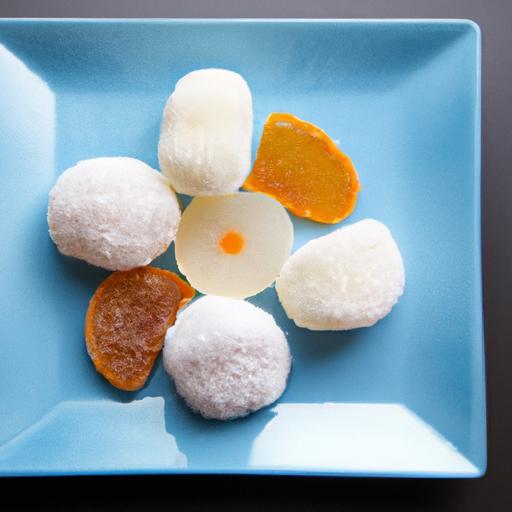
Nestled at the delightful crossroads of ancient tradition and modern dessert innovation, mochi ice cream has swiftly captured the hearts and palates of sweet lovers worldwide. This enchanting treat, with its chewy, pliant mochi exterior encasing a luscious core of ice cream, offers a truly unique sensory experience-a marriage of textures and flavors that is as captivating as it is delicious. Originating from Japan’s rich culinary heritage, mochi ice cream embodies a cultural fusion where time-honored craftsmanship meets contemporary tastes. In this article, we’ll explore the fascinating journey of mochi ice cream, uncovering how this humble delight has transformed into a global phenomenon, blending history and flavor in every bite.
Origins of Mochi Ice Cream and Its Cultural Significance
Mochi Ice Cream has captivated taste buds worldwide by elegantly marrying the chewy, glutinous texture of conventional Japanese mochi with the creamy indulgence of ice cream.This delightful fusion dessert originated in the 1990s when soft mochi wrapped around flavorful frozen ice cream balls was popularized in the United States by food innovator Frances Hashimoto. Rooted deeply in Japanese culture-where mochi is traditionally enjoyed during celebrations such as New Year’s and harvest festivals-mochi ice cream captures the spirit of innovation while honoring age-old culinary traditions. its cultural significance lies not only in its embodiment of Japanese craftsmanship but in its global appeal as a symbol of cross-cultural sweetness that harmonizes texture and flavor in every bite.
Exploring Unique Flavor Combinations That Delight the Palate
while the classic matcha green tea and red bean remain beloved staples, mochi ice cream continually evolves with exciting and unique flavor combinations designed to surprise and delight. Imagine the delicate butternut squash ice cream enveloped in subtly sweet mochi or the vibrant fusion of yuzu citrus paired with coconut cream, offering a refreshing twist. For adventurous palates, smoky sesame black ice cream wrapped in vanilla mochi creates a fragrant, nutty profile, whereas tropical mango with lychee mochi evokes sunny island breezes. These innovative flavor collaborations showcase how the versatile nature of mochi ice cream invites endless experimentation while maintaining balance between silky creaminess and tender chewiness.
Tips for Choosing the Perfect Mochi Ice Cream for Every Occasion
Selecting the ideal mochi ice cream requires attuned attention to both flavor preference and occasion.For casual summer gatherings or kids’ parties, vibrant fruit-forward flavors like strawberry, mango, or passion fruit deliver refreshing bursts suited to warm weather. More refined events or dinner parties might call for elegant,mildly sweet varieties such as hojicha (roasted green tea) or coconut with a hint of toasted almond. Consider dietary needs too-there are dairy-free and vegan mochi ice cream options made with coconut or almond milk bases that maintain rich texture without compromising on indulgence. When serving at festive occasions, choose a mix of colors and flavors to create a playful and visually stunning dessert platter that delights guests at first sight and last bite.
How to Store and Serve Mochi Ice Cream to Preserve its Texture and Taste
To relish mochi ice cream at its peak texture and flavor, proper storage and serving are essential. Store mochi ice cream in an airtight container at -18°C (0°F) to avoid freezer burn, which can dry out the delicate mochi exterior. When ready to serve, allow the mochi ice cream to thaw slightly at room temperature for 3 to 5 minutes-this softens the outer mochi just enough to reveal its unique chewy texture, while the ice cream inside remains beautifully firm and creamy. Serve on a chilled plate to maintain temperature longer,and garnish with fresh fruit slices,edible flowers,or a light drizzle of black sesame syrup to elevate presentation.Avoid reheating or microwaving, as this compromises both texture and flavor integrity.
Prep and Cook Time
- Prep Time: 20 minutes
- Freeze time: Minimum 4 hours
- Total Time: 4 hours 20 minutes
Yield
12 Mochi Ice Cream Balls (approximately 1.5-inch diameter each)
Difficulty Level
Medium
Ingredients
- 1 cup mochiko (sweet rice flour)
- 1/4 cup granulated sugar
- 1 cup water
- 1/2 cup cornstarch or potato starch (for dusting)
- 1 quart ice cream of choice, slightly softened
- Optional: matcha powder, red bean paste, or fruit purees for flavoring mochi dough
Instructions
- Prepare Ice Cream Balls: Scoop ice cream into small balls (about 1.5 inches) using a cookie scoop. Place on a parchment-lined tray and freeze for at least 2 hours until very firm.
- Make Mochi Dough: Whisk together mochiko, sugar, and water in a microwave-safe bowl until smooth.Optionally mix in matcha powder or fruit puree for flavored dough.
- Cook Mochi: Microwave the mixture in 1-minute intervals, stirring between each for 3 minutes total, until the dough becomes thick, sticky, and slightly translucent.
- Dust Work Surface: Generously sprinkle cornstarch or potato starch on a clean surface to prevent sticking.
- Knead and Roll Mochi: Transfer hot mochi dough onto the dusted surface, dust your hands, and knead gently.Roll it out evenly to a 1/4-inch thickness.
- Cut Mochi Circles: Using a round cutter (about 3 inches in diameter), cut circles from the mochi sheet.
- Assemble Mochi ice Cream: Remove ice cream balls from freezer.Place one ice cream ball onto the center of a mochi circle. Quickly but gently wrap mochi around ice cream, pinching edges to seal well.
- Freeze Final Mochi ice Cream: Place sealed mochi balls seam side down in muffin liners or parchment sheets. Freeze for at least 2 more hours before serving.
Chef’s Notes
- Flavor Variations: Try adding citrus zest,black sesame,or coconut flakes to the mochi dough for fascinating textures.
- Prevent Sticking: Keep hands and work surfaces well dusted with starch to handle the sticky mochi dough easily.
- Make-Ahead: Mochi ice cream can be prepared and frozen for up to 2 weeks; ensure they are airtight to avoid freezer burn.
- Dairy Alternatives: Use coconut or almond milk-based ice creams for dairy-free versions that still pair beautifully with mochi.
- Thawing: Do not thaw mochi ice cream too long at room temperature; 3-5 minutes is perfect to enjoy soft texture without melting.
Serving Suggestions
Plate your mochi ice cream balls on a chilled ceramic dish. Garnish with fresh mint leaves, edible flower petals, or a sprinkle of toasted sesame seeds.A side of matcha drizzle or a small scoop of azuki (red bean) paste adds an authentic touch. For parties, create a colorful assortment arranged in a wooden tray or bamboo boat to amplify the delicate, traditional aesthetic. Pair with green tea or jasmine jasmine tea for a harmonious balance of sweetness and freshness.
| Nutrition | Per Serving (1 Mochi Ice Cream Ball) |
|---|---|
| Calories | 120 kcal |
| Protein | 1 g |
| Carbohydrates | 20 g |
| Fat | 3 g |
Internal link: Discover more delightful Asian desserts with our Japanese desserts guide.
External link: Learn about the science behind mochi from the Tsukiyama Mochi Research Institute.

Q&A
Q&A: Mochi Ice Cream – A Sweet Fusion of Tradition and Flavor
Q1: What exactly is mochi ice cream?
A1: Mochi ice cream is a delightful Japanese dessert that combines the chewy, glutinous texture of mochi (pounded sweet rice dough) with the creamy coolness of ice cream. each bite offers a playful contrast between the soft, stretchy outer layer and the rich, frozen center-a perfect harmony of textures and flavors.
Q2: How did mochi ice cream come to be?
A2: mochi has been a beloved Japanese treat for centuries, traditionally enjoyed during festivals and special occasions. The idea to wrap ice cream inside mochi was a modern twist, popularized in the 1990s by innovative confectioners who wanted to blend old-world tradition with new-world flavors. This fusion quickly captivated both eastern and western palates,making mochi ice cream an international sensation.
Q3: What flavors of ice cream are commonly used inside mochi?
A3: While classic mochi ice cream often features traditional Japanese flavors such as matcha (green tea), red bean, and sesame, the possibilities are endless! From creamy vanilla, chocolate, and strawberry to tropical mango and coconut, mochi ice cream has evolved into a canvas for imaginative flavor pairings that suit every taste bud.
Q4: How is mochi ice cream made?
A4: The process starts with preparing mochi dough by steaming glutinous rice flour and then pounding it into a smooth, elastic sheet. This dough is cooled and rolled out, then cut into small circles. A scoop of ice cream is placed on each circle, and the mochi is wrapped around it to form a neat little ball. The assembled mochi ice cream balls are frozen quickly to keep the ice cream perfectly chilled inside the chewy shell.
Q5: what makes mochi ice cream different from regular ice cream treats?
A5: Unlike regular ice cream cones or bars, mochi ice cream offers a unique sensory experience. The outer mochi layer is subtly sweet and has an irresistible chewiness, which complements the cold, silky ice cream inside. It’s an elegant balance of texture and temperature that transforms a simple dessert into a culinary adventure.
Q6: Can mochi ice cream be made at home?
A6: Absolutely! While it requires some patience and careful handling-especially when working with sticky mochi dough and frozen ice cream-you can make mochi ice cream at home. Numerous recipes guide you through steaming the dough, shaping the mochi, and sealing in your favorite ice cream flavors. homemade mochi ice cream also allows for fun experimentation with flavors and shapes.Q7: Is mochi ice cream gluten-free?
A7: Yes! mochi is traditionally made from glutinous rice flour, which contains no gluten despite the name “glutinous.” this makes mochi ice cream a delicious gluten-free dessert option. however, it’s always wise to check ingredient labels, especially for packaged versions, to ensure no cross-contamination or added gluten-containing ingredients.Q8: How should mochi ice cream be stored and served?
A8: To maintain its perfect chewy texture and creamy center,mochi ice cream should be stored in the freezer. When ready to enjoy,it’s best to let it sit at room temperature for a few minutes after removing it from the freezer. This softens the mochi slightly, enhancing the melt-in-your-mouth experience without losing the delightfully chilled sensation of the ice cream.
Q9: Why is mochi ice cream gaining popularity worldwide?
A9: Mochi ice cream represents an exciting blend of cultural heritage and contemporary culinary creativity. Its bite-sized format makes it ideal for sharing and snacking,while the unexpected combination of textures intrigues adventurous eaters. Plus, with endless flavor possibilities and its naturally gluten-free profile, mochi ice cream has worldwide appeal that transcends borders.
Q10: Can mochi be paired with other desserts or drinks?
A10: While mochi ice cream typically stands out on its own, it pairs beautifully with delicate green teas like sencha or jasmine to create a refreshing balance. It can also be served alongside fresh fruit or drizzled with a light honey or coconut syrup for an extra touch of sweetness. Just remember to keep those pairings complementary to preserve the subtle magic of the mochi and ice cream fusion.
Wrapping Up
As we savor the last bite of mochi ice cream, we’re reminded that this delightful treat is more than just a dessert-it’s a harmonious blend of history and innovation, East meeting West in every chewy, creamy mouthful. Mochi ice cream embodies a beautiful fusion where ancient tradition embraces modern flavor,inviting us all to experience a sweet journey across cultures.Whether you’re a longtime fan or a curious newcomer, this humble confection continues to capture hearts and taste buds alike, proving that sometimes, the most delicious stories are those that unite the past with the present.