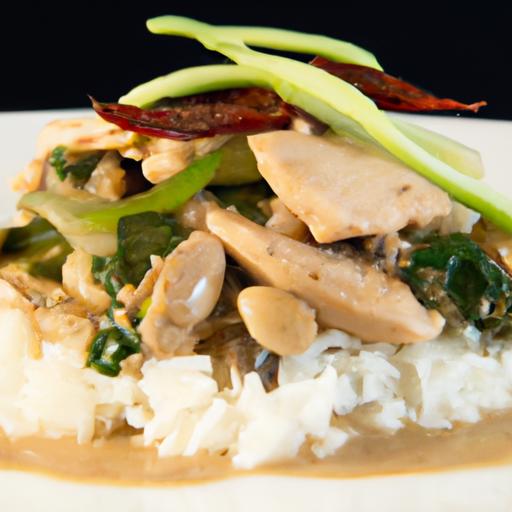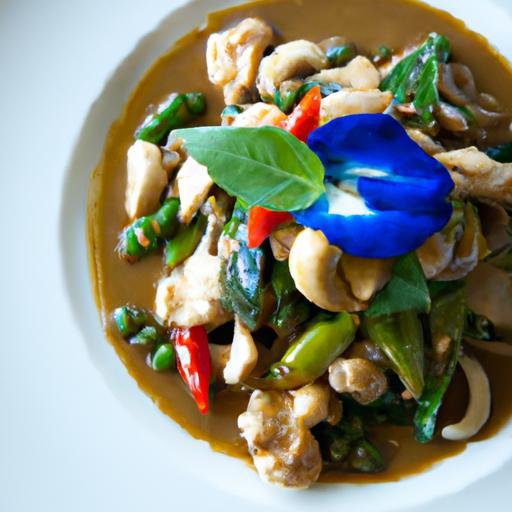
In teh vast and vibrant tapestry of Thai cuisine, few dishes capture the bold spirit and aromatic allure quite like Pad Kra Pao Gai. This beloved stir-fry, brimming with fragrant holy basil, fiery chilies, and tender chicken, is more than just a meal-it’s a symphony of flavors that dances on the palate and transports diners straight to the bustling streets of Bangkok.
Unlocking the essence of Pad Kra Pao Gai is a journey into the heart of Thailand’s culinary artistry, where each ingredient tells a story, and every bite delivers a harmonious balance of heat, savoriness, and freshness. Join us as we delve into the secrets behind this iconic dish, revealing what makes it an unforgettable delight for food lovers around the world.
Unlocking Flavors: the essence of Pad Kra Pao Gai Delight invites you to immerse yourself in one of Thailand’s most exhilarating street food sensations – the vibrant Pad Kra Pao Gai. This iconic stir-fry showcases an intoxicating blend of bold aromatics and fiery heat, where fresh holy basil leaves, garlic, and chilies come together in perfect harmony.
Growing up, this fiery dish was a staple in my family kitchen, its sizzling fragrance always signaling an explosion of savory satisfaction. now, with a few expert tips and carefully chosen ingredients, you can recreate this authentic experience right at home, bringing the essence of bustling Thai markets to your dining table.
Prep and Cook Time
- Preparation: 10 minutes
- Cooking: 10 minutes
- Total time: 20 minutes
Yield
Serves 3-4 hungry food lovers
Difficulty Level
Easy to Medium – Perfect for weeknight dinners or casual gatherings
Ingredients
- 400g (14 oz) boneless, skinless chicken thighs, finely chopped
- 5 cloves garlic, minced
- 4-6 Thai bird’s eye chilies, finely chopped (adjust to spice preference)
- 2 tbsp vegetable oil (for stir-frying)
- 1 tbsp soy sauce
- 1 tbsp oyster sauce (ensure no pork derivatives)
- 1 tsp dark soy sauce (for color and depth)
- 1 tsp fish sauce (adds umami)
- 2 tsp palm sugar or brown sugar, packed
- 1 cup fresh holy basil leaves, loosely packed (substitute Thai basil if unavailable)
- Cooked jasmine rice, for serving
- Optional: Fried eggs (sunny side up) for topping
Instructions
- Prepare Your Aromatics: In a mortar and pestle or small bowl, gently pound or mix the minced garlic and bird’s eye chilies until fragrant but not a paste.This awakens their oils, lending a fragrant punch to your stir-fry.
- Heat the Oil: In a large skillet or wok, heat 2 tablespoons of vegetable oil over medium-high heat until shimmering but not smoking. A properly heated pan ensures the chicken retains juiciness and forms little crispy edges.
- Sauté Garlic and Chilies: Quickly toss in the garlic and chili mix, stirring constantly until golden and aromatic (about 30 seconds). Be mindful not to burn the garlic-it should be fragrant, not bitter.
- Cook the Chicken: Add the finely chopped chicken thighs, spreading evenly in the pan. let them sear without stirring for about 1-2 minutes, then stir-fry until the meat is cooked through and lightly browned (roughly 4-5 minutes).
- Add Sauces and Sugar: Lower the heat to medium. Stir in the soy sauce, oyster sauce, dark soy sauce, fish sauce, and palm sugar. Toss well to coat every morsel, creating a luscious, savory-sweet glaze. Cook for another 1-2 minutes to let the flavors meld.
- Fold in Holy Basil: Just before finishing, add the cup of fresh holy basil leaves. stir instantly for 30 seconds to 1 minute until wilted but still vibrant green-this final step releases the signature herbaceous aroma central to this flavorful dish.
- Final Touch and Serve: Remove from heat. Serve piping hot over steamed jasmine rice, topped with a crispy sunny-side-up egg if desired. The runny yolk adds luscious creaminess, balancing the spice beautifully.
tips for Success
- Choosing chicken thighs over breast keeps the texture tender and juicy, essential for absorbing bold flavors.
- Don’t skip the holy basil; it’s the soul of Pad Kra Pao Gai.If unavailable, use a fresh herb like Thai basil, but expect a slightly milder aroma.
- Adjust chilies based on your heat tolerance-bird’s eye chilies add authentic fire but can be replaced with milder fresnos or serranos.
- Use freshly prepared sauces or reputable brands to avoid artificial aftertastes and maintain an authentic signature flavor.
- Sauté quickly over high heat for the best texture and to keep the chicken tender.
- For make-ahead convenience, cook the chicken mixture without basil, refrigerate, then quickly wilt basil in a microwave or hot pan just before serving.
- Pair with a simple cucumber salad to cool the palate amidst the heat and enhance the culinary experience.
Serving Suggestions
Serve your vibrant Pad Kra Pao Gai steaming over a bed of fragrant jasmine rice. Crown each plate with a perfectly fried egg-letting the golden yolk drizzle over the saucy chicken adds amazing richness. Garnish with a few extra fresh holy basil leaves or a wedge of lime for a bright accent.
For an added layer of texture, sprinkle lightly toasted cashews or crushed peanuts on top. A side of speedy pickled vegetables or a cooling papaya salad pairs beautifully, cutting through the spicy richness and rounding out the meal.

| Nutrient | Amount per Serving |
|---|---|
| Calories | 350 kcal |
| Protein | 32 g |
| Carbohydrates | 18 g |
| Fat | 15 g |
Elevate your journey unlocking flavors by exploring similar refreshing Thai dishes like Thai Green Curry Chicken. For a deeper dive into the aromatic holy basil, visit Britannica’s Holy Basil Guide.
Q&A
Q&A: Unlocking Flavors: The Essence of Pad Kra pao Gai Delight
Q1: What makes Pad Kra Pao gai such a beloved dish in Thai cuisine?
A1: Pad Kra Pao gai is treasured for its bold, vibrant flavors that strike a perfect balance between spicy, savory, and aromatic. At its heart lies the holy basil-kra pao-which imparts a peppery, slightly sweet fragrance that elevates the simple stir-fry of tender chicken. This dish encapsulates the soul of street food: quick,punchy,and deeply satisfying.
Q2: How does holy basil influence the overall flavor profile of Pad Kra Pao Gai?
A2: Holy basil is the aromatic hero. Unlike sweet basil, holy basil has a distinct spicy, clove-like kick that adds complexity. when stir-fried, its leaves release intense herbal oils that mingle with garlic and chili, creating an alluring fragrance and a uniquely fresh yet fiery bite that awakens the palate.
Q3: Are there particular techniques that bring out the best flavors in Pad Kra Pao Gai?
A3: Absolutely! Mastering Pad Kra Pao Gai is about timing and heat. Using high heat and a quick stir-fry method ensures the chicken stays juicy while the garlic and chilies toast just enough to release their essence.Adding holy basil at the very end preserves its bright aroma and slightly crisp texture. This quick dance over heat seals in the authentic flavors.
Q4: Can Pad Kra Pao Gai be customized without losing its signature taste?
A4: Yes! While the core ingredients remain consistent-chicken, holy basil, garlic, chili, and a savory sauce-adjusting spice levels or adding vegetables like bell peppers or green beans can personalize the dish. Just remember, the holy basil and the garlicky, chili-spiked sauce are non-negotiable pillars that hold the flavor together.
Q5: What role does the sauce play in enhancing Pad Kra Pao Gai?
A5: The sauce is the savory backbone. Typically, it’s a blend of soy sauce, oyster sauce, and a touch of sugar. This combination creates a harmonious umami sweetness that balances the chili’s heat and the herbaceous punch of basil. The sauce ties each bite together-rich but never overpowering.
Q6: How is Pad Kra Pao Gai traditionally served to maximize its enjoyment?
A6: Traditionally, Pad Kra Pao Gai is served piping hot over steamed jasmine rice, creating a fragrant bed that absorbs every drop of sauce. Often, it’s crowned with a crispy fried egg, whose runny yolk adds luscious creaminess that mellows the spiciness and creates a comforting harmony.
Q7: What distinguishes Pad Kra Pao Gai from other Thai stir-fries?
A7: The presence of holy basil and the fiery simplicity set Pad Kra Pao Gai apart. While many Thai stir-fries use a variety of vegetables or sweeter profiles, Pad Kra Pao Gai focuses on purity of flavor: quick, intense heat, punchy garlic and chili, and that unmistakable holy basil aroma. it’s instantly recognizable and deeply iconic.
Q8: For those new to Thai cuisine, why should Pad Kra Pao Gai be a must-try dish?
A8: Pad Kra Pao Gai is a gateway into the bold and dynamic world of Thai flavors. It showcases how a handful of humble ingredients can come together to create something exciting, comforting, and unforgettable. It’s spicy yet accessible, aromatic, and deeply satisfying-a perfect introduction to the culinary artistry of Thailand.
This Q&A hopes to illuminate the essence of Pad Kra Pao Gai, inspiring readers to appreciate and perhaps try crafting this delightful dish themselves-an invitation to savor a bit of authentic Thai magic in every bite.
Insights and Conclusions
In the vibrant tapestry of Thai cuisine, Pad Kra Pao Gai stands out as a flavorful masterpiece-an exquisite dance of sizzling garlic, fiery chilies, and fragrant holy basil that awakens the senses with every bite. Unlocking its essence is more than just mastering a recipe; it’s about embracing a culinary tradition that balances boldness with harmony, simplicity with depth.
Whether you’re a seasoned cook or an adventurous foodie,delving into the world of Pad Kra Pao Gai invites you to experience a dish that’s as rich in cultural heritage as it is indeed in irresistible flavor. So, next time you crave a meal that’s both comforting and electrifying, remember: the secret to this Thai delight lies not just in the ingredients, but in the passion and precision that bring them together on your plate.