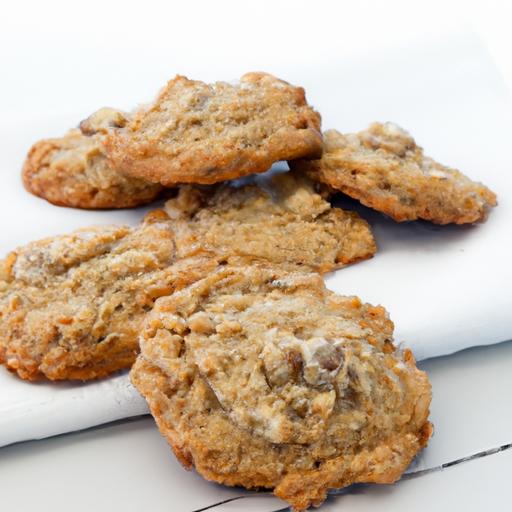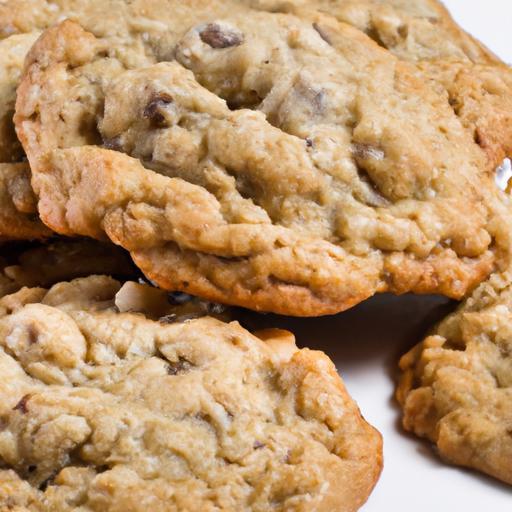
There’s something undeniably comforting about biting into a warm oatmeal cookie-the perfect balance between soft chewiness and a touch of hearty texture that makes each mouthful an experience to savor. Yet, achieving that ideal chewiness can often feel elusive, leaving many home bakers puzzled and reaching for extra molasses or extra baking time.
What if the secret wasn’t just in the ingredients, but in a subtle harmony of technique and timing? In this article, we pull back the curtain on the science and art behind the perfectly chewy oatmeal cookie, revealing tips and tricks that will elevate your baking from good to unforgettable.Get ready to transform your cookie game and impress with every batch you bake.
The secret to perfectly chewy oatmeal cookies begins with understanding how every element in your recipe works together to create that luscious, tender bite. From selecting the right oats to balancing moisture and sweetness, and mastering baking times – each step is a small but essential dance in texture mastery that transforms an everyday treat into an irresistible classic. These cookies are not just about sweetness; they tell a story of golden edges, gentle chewiness, and a subtle, comforting aroma that fills your kitchen.
Prep and Cook Time
- Prep Time: 15 minutes
- Cook Time: 12 minutes
- Total Time: 27 minutes
Yield
Makes 24 classic oatmeal cookies
Difficulty Level
Easy to Medium – perfect for bakers ready to elevate their cookie game
Ingredients
- 1 cup unsalted butter, softened
- 1 cup light brown sugar, packed
- ½ cup granulated sugar
- 2 large eggs
- 1 tsp pure vanilla extract
- 1½ cups all-purpose flour, sifted
- 1 tsp baking soda
- ½ tsp salt
- 3 cups old-fashioned rolled oats
- 1 cup raisins or chopped nuts (optional)
Instructions
- Preheat your oven to 350°F (175°C) and line two baking sheets with parchment paper to ensure even baking and easy cleanup.
- in a large mixing bowl, cream together the softened butter, brown sugar, and granulated sugar until fluffy and light, about 3-4 minutes. This step is key for a soft,moist cookie.
- Beat in the eggs and vanilla extract one at a time, mixing well after each addition to fully incorporate air and moisture.
- In a separate bowl, whisk together the flour, baking soda, and salt. Gradually add this dry mixture to your wet ingredients, stirring just until combined to avoid overworking the dough.
- Fold in the rolled oats gently, preserving their texture, and add raisins or nuts if desired, for added chew and flavor depth.
- Using a cookie scoop or tablespoon, drop dough balls spaced evenly on your prepared sheets – about 2 inches apart to leave room for spreading.
- Bake for 10-12 minutes, paying close attention in the final minutes. Look for edges that are lightly golden but centers that still appear soft; this ensures chewiness once cooled.
- Allow cookies to cool for 5 minutes on the baking sheet before transferring them to a wire rack. This helps them set perfectly while retaining moisture and softness.
The Role of Ingredients That Keep Cookies Soft Longer
Using brown sugar instead of all white sugar isn’t just about subtle molasses flavor-it’s a moisture magnet that helps cookies stay soft longer. Additionally, butter’s water content combined with slightly underbaked centers forms a tender crumb that keeps the cookies chewy day after day. Incorporating rolled oats adds chewiness while absorbing moisture,creating a balanced texture that feels both hearty and indulgent.
chef’s Notes & Tips for Success
- Choosing the Right Oats: old-fashioned rolled oats are ideal for that signature chewiness.Quick oats tend to create a more cakey texture, while steel-cut oats are to hard for cookies.
- Balancing moisture and Sweetness: Adjust sugar ratios slightly depending on your taste – increasing brown sugar intensifies softness but sweetness too much can mask the oats’ nutty flavor.
- Mastering Baking Time and Temperature: Oven calibration varies; start checking at 9 minutes. Cookies will look underbaked but firm at edges when ready.
- Substitutions: For dairy-free, use a plant-based butter choice. Coconut sugar can replace brown sugar but will slightly alter chewiness.
- Make-ahead Tip: Dough can be refrigerated up to 3 days or frozen for 1 month; thaw before baking for optimal texture.
Serving Suggestions
Serve your chewy oatmeal cookies warm, paired with a glass of cold milk or creamy vanilla ice cream. For an elevated presentation, dust with a light sprinkle of cinnamon or pair with a dollop of whipped honey butter. Add seasonal fresh fruit on the side or sandwich two cookies with a smear of nut butter for a delightful twist.

| Nutrient | Amount per Cookie |
|---|---|
| Calories | 140 kcal |
| Protein | 2 g |
| Carbohydrates | 20 g |
| Fat | 6 g |
For more insights on baking perfect cookies, check out our guide to chewy chocolate chip cookies.To deepen your understanding of oat varieties, visit the USDA oat variety report for trusted sourcing.
Q&A
Q&A: The Secret to Perfectly Chewy Oatmeal Cookies Unveiled
Q1: What exactly makes an oatmeal cookie chewy rather than cakey or crunchy?
A1: The secret lies in the balance of moisture and fat. Chewiness comes from using a combination of brown sugar and a bit of molasses, which adds moisture and a deep, caramelized flavor. Also, incorporating melted butter instead of cold solid butter helps create a denser, fudgier texture. the right amount of oats, not too many or too few, holds everything together with just the right bite.
Q2: Can the type of oats influence chewiness?
A2: Absolutely! Rolled oats are ideal for chewy cookies as they absorb moisture slowly, offering a satisfying texture.Steel-cut oats are too tough, while instant oats yield a softer, almost cake-like bite. Opting for old-fashioned rolled oats strikes that perfect chewy goldilocks zone.
Q3: How crucial is the chilling time of the cookie dough?
A3: Crucial! Chilling the dough allows the fats to solidify, preventing the cookies from spreading too thin during baking.This means thicker, chewier cookies with a tender inside. A minimum of 30 minutes in the fridge is recommended, but overnight chilling can elevate chewiness even more.
Q4: Dose the oven temperature affect chewiness?
A4: Yes,it does. Baking oatmeal cookies at a slightly lower temperature (around 325°F/160°C) ensures even cooking without crisping the edges too much. This gentle baking process lets the centers stay soft and chewy while the edges get just a hint of toastiness.
Q5: Is there a particular ingredient that acts as a “chew booster”?
A5: Brown sugar is the hero here, thanks to its molasses content.It retains moisture better than granulated sugar, resulting in softer, chewier cookies. Adding a teaspoon of honey or maple syrup can also subtly enhance chewiness and add a natural sweetness that complements oats beautifully.
Q6: Can adding eggs affect the texture of oatmeal cookies?
A6: Yes! Using an extra egg yolk (without the white) can increase chewiness as yolks add richness and moisture without making the dough too cakey. Egg whites tend to firm up the cookie and can lead to a drier texture if overused.
Q7: What role does flour play in achieving chewiness?
A7: the type and amount of flour matters. All-purpose flour provides structure but too much makes cookies dry and crumbly. Some bakers sprinkle in a bit of bread flour, which has more protein and boosts chewiness. Additionally, avoiding overmixing once flour is added keeps the gluten under control, fostering softer cookies.
Q8: Are there any clever mix-ins that enhance chewiness?
A8: Yes! Soft dried fruits like plump raisins or chopped dates invite extra moisture, naturally enhancing chewiness. Toasted nuts add crunch, balancing the texture, but if chewiness is your goal, the fruits steal the spotlight.For a surprise twist, a sprinkle of shredded coconut can lend a tender, chewy note too.
Q9: How can I store my oatmeal cookies to keep them chewy?
A9: Store them in an airtight container at room temperature with a slice of bread or a few apple slices. The cookies will absorb moisture from these, keeping them soft and chewy for days. avoid refrigeration, which can dry out cookies quickly.
Q10: Any final pro tips for baking the ultimate chewy oatmeal cookie?
A10: Don’t rush the process! Measuring ingredients precisely, chilling your dough, and trusting a slightly lower baking temperature are your golden rules. Remember to remove cookies from the oven just as the edges turn golden but the centers still look a bit underbaked-they’ll finish cooking on the pan and remain gorgeously chewy. Happy baking!
Concluding Remarks
As the crumbs settle and the sweet aroma lingers, you now hold the key to oatmeal cookie perfection. With this newfound wisdom, every batch becomes a little masterpiece-chewy, comforting, and irresistibly satisfying.
so go ahead, mix up that dough, embrace the secrets unveiled, and let your kitchen be filled with the warm, nostalgic joy of cookies baked just right. Because once you’ve unlocked the secret to perfectly chewy oatmeal cookies,ordinary treats simply won’t do anymore. Happy baking!