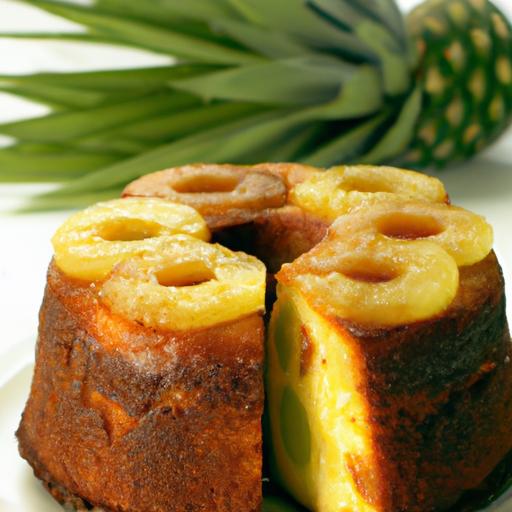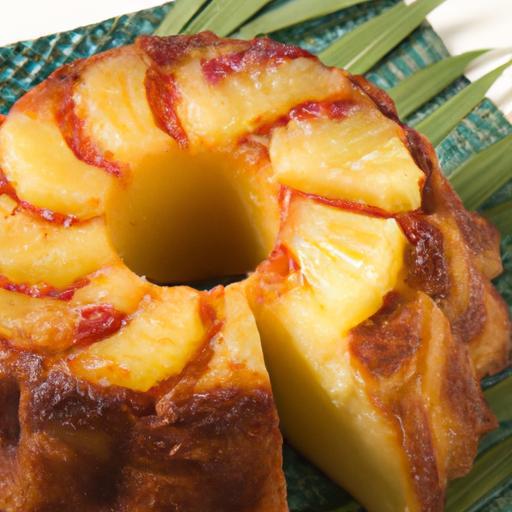
ThereS something enchanting about the golden caramel glisten of a perfectly baked pineapple upside-down cake-a dessert that captivates not just the palate but the creativity. More than just a nostalgic treat adorned with rings of bright pineapple and cherries, this cake tells a rich story woven through centuries of culinary creativity and cultural exchange. from its humble roots as a resourceful way to showcase tropical fruit to its rise as a beloved icon of mid-century america, the pineapple upside-down cake is as much an edible work of art as it is a symbol of sweetness and festivity.
Join us as we peel back the layers of history, technique, and artistry behind this timeless classic that continues to charm generations of dessert lovers worldwide.
The Sweet History and Art of Pineapple Upside-Down Cake finds its roots deeply embedded in mid-century American baking traditions, beautifully reflecting an era when canned pineapple emerged as a pantry staple. This beloved dessert tells a story of innovative home cooks who embraced tropical flavors fused with classic caramelized delights, resulting in a cake that is both nostalgic and timeless. Imagine golden pineapple rings glossy with buttery caramel atop a tender, buttery cake-a stunning centerpiece with a story as rich as its flavors.
Prep and Cook Time
Preparation: 15 minutes | Cooking: 40 minutes | Total: 55 minutes
Yield
8 generous servings
Difficulty Level
Medium - requiring precision in caramelization and layering
Ingredients
- 1/4 cup unsalted butter, softened, divided
- 3/4 cup packed light brown sugar
- 9-10 pineapple rings, fresh or canned, drained
- 10 maraschino cherries, drained
- 1 1/2 cups all-purpose flour, sifted
- 2 teaspoons baking powder
- 1/4 teaspoon salt
- 2 large eggs, room temperature
- 3/4 cup granulated sugar
- 1/2 cup whole milk, room temperature
- 1 teaspoon pure vanilla extract
Instructions
- preheat your oven to 350°F (175°C). Generously butter a 9-inch round cake pan to ensure the topping releases perfectly after baking.
- Prepare the caramel base: In a small saucepan, gently melt 2 tablespoons of butter over medium-low heat. Add the brown sugar and whisk until dissolved and glossy, about 3 minutes. Promptly pour this mixture evenly into the prepared pan.
- Arrange the pineapple rings over the caramel layer with maraschino cherries nestled in the centers and in between rings for bursts of color and flavor. Set aside.
- Whisk together dry ingredients: In a medium bowl, sift the flour, baking powder, and salt. This ensures an even rise and a light crumb.
- Cream the butter and sugar: Using a stand mixer or hand mixer, beat the remaining softened butter with granulated sugar until fluffy and pale, approximately 4 minutes.
- Add eggs one at a time, beating well after each addition to create a smooth, airy batter.
- Combine wet ingredients: Mix milk and vanilla extract in a small jug.
- Alternate adding dry ingredients and milk to the butter mixture, starting and ending with the dry, mixing just until combined. Avoid overmixing to keep the texture tender.
- Spread the batter gently over the pineapple and caramel in the pan, smoothing the top carefully to avoid disturbing the arrangement underneath.
- Bake for 40 minutes or until a toothpick inserted in the center comes out clean and the edges pull slightly away from the pan.
- Allow the cake to rest for 10 minutes on a wire rack. then carefully invert a serving plate over the pan and flip to reveal the glossy pineapple topping. Lift the pan off gently.
- Let the cake cool slightly before slicing so the caramel can set perfectly, maintaining that luscious glaze.
Tips for Success
- Use fresh or high-quality canned pineapple for optimal sweetness and texture-fresh pineapples caramelize beautifully when baked.
- Fully soften your butter to ensure smooth batter incorporation and a tender crumb.
- For a deeper caramel flavor, consider heating the brown sugar mixture just long enough to melt without scorching-watch it closely!
- Don’t rush flipping the cake; a warm but cooled cake guarantees the topping releases cleanly, preserving the design.
- Experiment with spices: A pinch of cinnamon or nutmeg in the batter adds a warm twist that complements pineapple superbly.
- Make ahead: Bake the cake a day in advance, wrap tightly, and warm slightly before serving for perfect moisture and flavor infusion.
Serving Suggestions
Present your Pineapple Upside-Down Cake warm, topped with a dollop of freshly whipped cream or smooth vanilla bean ice cream. Garnish with a sprig of fresh mint or a light dusting of toasted coconut flakes to evoke island vibes. To elevate the visual appeal, drizzle a delicate caramel sauce over each slice for extra shine and richness.
| Nutritional Facts (per serving) | Amount |
|---|---|
| Calories | 320 kcal |
| Protein | 4 g |
| carbohydrates | 50 g |
| Fat | 10 g |
for further inspiration surrounding classic American desserts and their mid-century roots, explore our thorough guide to heritage sweets. Also, learn more about pineapple’s global culinary journey on Britannica’s authoritative pineapple article.

Q&A
Q&A: the Sweet History and Art of Pineapple Upside-Down Cake
Q1: Where did pineapple upside-down cake originate?
A1: Pineapple upside-down cake traces its roots back to the early 20th century, emerging from American kitchens where the art of “upside-down” cakes was already popular. These cakes, originally made with fruits like apples and peaches, evolved when canned pineapple became widely available. The tropical fruit’s vibrant color and sweetness made it the perfect star topping to transform the classic dessert into a sunny tropical treat.
Q2: Why is it called an “upside-down” cake?
A2: The name comes from the unique baking method. The fruit and syrup are arranged in the bottom of the pan first, frequently enough with a glossy layer of brown sugar and butter. The cake batter is poured over this “base,” and after baking, the entire cake is flipped “upside-down” onto a serving plate. This reveals a stunning layer of caramelized fruit on top, giving the cake its signature look and flavor.
Q3: How did canned pineapple influence the popularity of this cake?
A3: The invention and mass production of canned pineapple in the early 1900s made this tropical fruit affordable and accessible far beyond its native regions. This convenience sparked new baking innovations, allowing home cooks across the country to experiment with pineapple in desserts. Canned pineapple’s moisture and sweetness complemented the caramel glaze perfectly, making pineapple upside-down cake a household favourite by mid-century.
Q4: What makes pineapple upside-down cake different from other fruit cakes?
A4: Its distinctive feature is the caramelized fruit topping created by brown sugar and butter,wich fuses with the pineapple as it bakes. Unlike many fruit cakes that fold fruit into the batter, pineapple upside-down cake showcases the fruit prominently on the surface, delivering both visual appeal and intense fruity flavor in every bite. The contrast between the buttery cake and tangy pineapple creates a delightful balance.
Q5: Are there different variations of pineapple upside-down cake around the world?
A5: Absolutely! While the classic American version dominates, international bakers have added their own twists. Some add maraschino cherries nestled between pineapple rings for a pop of color and sweetness. Others incorporate spices like cinnamon or nutmeg into the batter to evoke warm, cozy notes. In tropical regions, fresh pineapple or even mango swaps bring a fresh, exotic vibe, honoring local tastes without losing the cake’s signature essence.
Q6: What tips can help perfect the caramel layer on a pineapple upside-down cake?
A6: Achieving that glossy, sticky caramel topping is an art.Use good-quality brown sugar and real butter,melting them together until bubbling and fragrant. Be mindful not to burn the sugar; medium heat works best to develop rich caramel flavors without bitterness.Pressing pineapple rings gently into the caramel helps them stay put as the cake bakes, ensuring they maintain their shape and create that stunning, mouth-watering top.
Q7: How can pineapple upside-down cake be served to highlight its tropical charm?
A7: This cake truly shines when served slightly warm, right after it’s flipped out of the pan, allowing the caramel to remain luscious and soft. A dollop of freshly whipped cream or a scoop of vanilla ice cream adds creamy contrast to the sweet,tangy pineapple. For a tropical flair, garnish with toasted coconut flakes or a sprig of fresh mint, inviting all senses into a mini-vacation on a plate.
Q8: Why does pineapple upside-down cake continue to capture hearts today?
A8: Its nostalgic charm combined with an irresistible blend of textures and flavors keeps it timeless. The cake is more than just dessert-it’s a celebration of warmth, creativity, and wholesome indulgence. It invites bakers and eaters alike to gather around, sharing a slice of joy that perfectly balances tradition with tropical brightness. Each caramelized bite tells a story of culinary innovation, sweet memories, and the simple pleasure of turning something upside-down for appetizing results.
In Summary
From its humble beginnings as an inventive way to showcase the tropical pineapple to its rise as a beloved classic in bakeries and family kitchens worldwide, the pineapple upside-down cake is more than just a dessert-it’s a sweet slice of history glazed with creativity and tradition.
Whether you’re drawn to its caramelized crown or the nostalgic warmth it brings to the table,this cake continues to remind us that food is not only nourishment but also a storytelling art form. So next time you flip a pineapple upside down into a pan,remember: you’re not just baking a cake-you’re flipping centuries of culinary culture,one golden slice at a time.