In the heart of swedish cuisine lies a beloved classic: the humble meatball. For generations, these savory spheres have graced family tables, embodying warmth, comfort, and tradition. Today, as culinary horizons expand and palates evolve, a fresh chapter is being written-one where plant-based ingredients reimagine this iconic dish without sacrificing its soul. “Savor Plant-Based Swedish Meatballs:
A Modern Twist on Tradition” invites you to explore how innovation meets heritage, blending wholesome plants with timeless flavors to craft a dish that honors the past while embracing the future. Whether you’re a devoted carnivore or a curious foodie,this modern take promises a delicious journey into the heart of Sweden’s culinary landscape.
Exploring the roots of Swedish Meatballs and Their Cultural Significance
Savor Plant-Based Swedish Meatballs: a modern twist on tradition that honors the rich legacy of this beloved Scandinavian dish.Swedish meatballs, or “köttbullar,” have long been a symbol of family gatherings, hearty home cooking, and cultural pride. Originating in Sweden but influenced by Turkish and Middle Eastern cuisines brought by King Charles XII in the early 18th century, meatballs epitomize comfort food with a storied history.
Today, the dish remains a culinary icon, frequently enough paired with creamy gravy, lingonberry jam, and buttery mashed potatoes-flavors that evoke the warmth of Nordic winters and timeless Scandinavian hospitality. By embracing a plant-based approach, we pay tribute to tradition while championing sustainability and modern dietary preferences, making these meatballs accessible and vibrant for contemporary palates.
Crafting the Perfect Plant-Based Blend for Authentic Flavor and Texture
Creating plant-based Swedish meatballs that truly replicate the texture and umami-rich flavor of the original requires a thoughtful balance of ingredients and technique. The foundation centers around blended legumes and mushrooms,which provide the meaty chew and moisture retention necessary for succulent bites.
Combining cooked brown lentils with finely chopped cremini mushrooms harnesses deep earthy flavors,while adding cooked quinoa contributes lightness and structure. A mix of vital wheat gluten or oat flour helps bind the mixture, and warming spices such as allspice and white pepper impart that classic Scandinavian aroma.
Use sautéed onion and garlic along with a splash of soy sauce or tamari to layer in savoriness, mimicking the caramelized richness of conventional meat. This well-thought blend transforms humble ingredients into a luscious, resilient dough perfect for shaping and browning.
innovative Cooking Techniques to Elevate Your Plant-Based Swedish Meatballs
To perfect your plant-based Swedish meatballs, it’s essential to marry texture with color and flavor.Begin by chilling the mixture-this firms it up, making shaping easier and preventing crumbling during cooking.
Form small, even spheres and pan-fry them in a mix of oil and vegan butter until golden brown, ensuring a caramelized crust that contrasts beautifully with the tender interior. then, briefly bake the meatballs in the oven to cook through evenly, maintaining juiciness.
For the luscious sauce, a vegan béchamel enriched with nutmeg and vegan cream creates a velvety gravy that’s quintessential to the experiance. Gently finishing the meatballs in the sauce infuses them with moisture and flavor, completing the dish.
Serving Suggestions and Pairings to Complete the Modern Scandinavian Experience
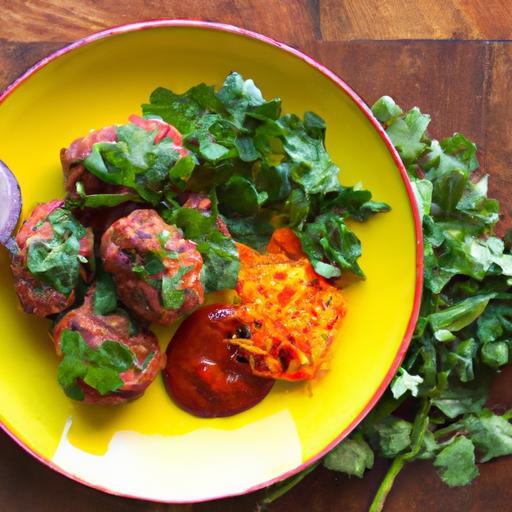
Present these plant-based Swedish meatballs nestled atop creamy mashed potatoes or buttery root vegetable purée. A dollop of tart lingonberry jam provides a sweet counterpoint, while steamed green beans or pickled cucumbers add crisp freshness.
Garnish with finely chopped fresh parsley for a pop of color and herbaceous brightness. For a fully authentic Scandinavian vibe,accompany with a side of rustic rye bread and a light cucumber salad dressed in dill and lemon.
This intentional plating not only showcases visual diversity but also balances rich, sweet, and tangy flavors for a truly immersive culinary journey.
Prep and Cook Time
- Preparation: 25 minutes
- Cooking: 30 minutes
- Total: 55 minutes
Yield
Serves 4 to 6 people as a main course
difficulty Level
Medium – ideal for confident home cooks eager to impress
Ingredients
- 1 cup cooked brown lentils, well-drained and cooled
- 1 cup finely chopped cremini mushrooms
- 1/2 cup cooked quinoa
- 1 small yellow onion, minced
- 2 cloves garlic, minced
- 1/2 cup vital wheat gluten or oat flour
- 2 tbsp ground flaxseed mixed with 6 tbsp water (flax egg)
- 2 tbsp soy sauce or tamari
- 1 tsp ground allspice
- 1/2 tsp white pepper
- 1/2 tsp smoked paprika
- 1/4 tsp ground nutmeg
- 2 tbsp olive oil
- 2 tbsp vegan butter
- Salt, to taste
- Fresh parsley, chopped (for garnish)
- For the sauce:
- 3 tbsp vegan butter
- 3 tbsp all-purpose flour
- 2 cups unsweetened plant milk (oat or almond preferred)
- 1 tbsp soy sauce or tamari
- 1/2 tsp ground nutmeg
- Salt and white pepper, to taste
Instructions
- Prepare the flax egg: In a small bowl, combine ground flaxseed with water; set aside for 5 minutes until gel-like.
- Sauté onion and garlic: heat 1 tbsp olive oil in a skillet over medium heat. Add minced onion and garlic, cooking until translucent and fragrant, about 5 minutes. Add chopped mushrooms and cook until moisture evaporates and mushrooms are tender, about 7 minutes.
- Mix base ingredients: In a large bowl, mash lentils lightly with a fork or potato masher. Add sautéed vegetables, cooked quinoa, flax egg, soy sauce, allspice, white pepper, paprika, nutmeg, and salt. Stir to combine thoroughly.
- Add vital wheat gluten: Sprinkle gluten or oat flour over the mixture and mix gently but thoroughly to form a cohesive dough.If texture feels too wet, add additional gluten/flour 1 tbsp at a time. Chill for 20 minutes to firm up.
- Shape the meatballs: Using damp hands, roll mixture into 1-inch balls and place on a parchment-lined tray.
- Cook the meatballs: Heat remaining olive oil and vegan butter in a large skillet over medium heat. Brown the meatballs in batches,turning frequently to get an even golden crust,about 7-9 minutes total.Transfer browned meatballs to an oven-safe dish.
- Bake for even cooking: Preheat oven to 375°F (190°C). Bake the meatballs for 12-15 minutes to cook through and meld flavors.
- Prepare the sauce: in the same skillet, melt vegan butter over medium heat. Whisk in flour and cook 1-2 minutes until lightly golden. Slowly add plant milk while whisking to avoid lumps. Simmer and stir until thickened, about 5 minutes. Season with soy sauce, nutmeg, salt, and white pepper.
- Finish the meatballs: Add meatballs back to the skillet with sauce, gently stirring to coat and warm the bites for 3-5 minutes.
- Serve: Plate meatballs with sauce, garnish with fresh parsley, and enjoy alongside mashed potatoes or root vegetable purée.
Tips for Success
- Chilling the dough is key to shaping firm, non-crumbling meatballs.
- For gluten-free options, replace vital wheat gluten with additional oat flour or almond flour; expect a softer texture.
- Don’t skip sautéing mushrooms and onions-this step deepens the umami foundation.
- Use a cast-iron skillet if possible for superior browning and crust.
- Make the meatball mixture a day ahead to let flavors fully develop.
- Lingonberry jam’s tart sweetness is traditional but can be replaced with cranberry sauce or a spiced berry chutney.
Serving Suggestions
Present your plant-based Swedish meatballs on a bed of creamy mashed potatoes or mashed parsnip for a subtle twist.Accompany with a side of steamed green beans tossed in lemon zest and toasted almonds for crunch. A small dollop of lingonberry preserves or tart berry compote boosts both authenticity and color contrast. Finish with a sprinkling of fresh chopped parsley or dill to invigorate the plate with fresh herbal notes. For a modern Scandinavian feast, serve alongside dense rye bread and a crisp cucumber salad dressed with white vinegar, fresh dill, and a pinch of sugar.

| Nutrient | Per Serving (4 servings) |
|---|---|
| Calories | 280 kcal |
| Protein | 14 g |
| Carbohydrates | 32 g |
| fat | 8 g |
For more inspiring plant-based recipes that embrace cultural heritage, check out our Plant-Based Scandinavian Dishes collection here.
Discover more on the history of Swedish cuisine from authoritative insights at sweden.se.
Q&A
Q&A: Savor Plant-Based Swedish Meatballs: A Modern Twist on Tradition
Q1: What inspired the creation of plant-based Swedish meatballs?
A1: The idea sprang from a desire to honor classic Swedish flavors while adapting to modern, health-conscious and environmentally pleasant eating habits. By reinventing this beloved dish using plant-powered ingredients, chefs can offer a delicious, cruelty-free alternative that respects tradition but embraces innovation.
Q2: How do plant-based swedish meatballs capture the essence of the original recipe?
A2: The key lies in carefully balancing texture and flavor. Ingredients like mushrooms, lentils, and oats mimic the hearty, satisfying bite of classic meatballs, while traditional spices such as allspice and white pepper bring forward that unmistakable Swedish warmth. A creamy, savory gravy ties everything together, ensuring the soul of the dish is perfectly preserved.
Q3: What are some common ingredients used in plant-based versions of these meatballs?
A3: Typical components include cooked lentils or chickpeas for body, finely chopped mushrooms or walnuts to add depth and umami, and breadcrumbs or oats to bind. Nutritional yeast can add a subtle cheesy undertone, and aromatics like onion and garlic boost layers of flavor.The secret often lies in slow-cooking or gently pan-frying to develop a golden crust and rich taste.
Q4: Can these meatballs be served with traditional accompaniments?
A4: Absolutely! plant-based Swedish meatballs pair beautifully with creamy mashed potatoes or buttered noodles, accompanied by lingonberry jam and pickled cucumbers. This combination delivers a harmonious balance of savory, sweet, and tangy elements, preserving the comforting experience that makes the dish a Scandinavian favorite.
Q5: How does switching to plant-based Swedish meatballs benefit the environment?
A5: Choosing plant-forward ingredients considerably reduces greenhouse gas emissions, water usage, and land depletion compared to traditional meat production. Additionally, plant-based meals support biodiversity and foster a more sustainable food system-making every bite both delicious and conscientious.
Q6: Are plant-based Swedish meatballs suitable for people with dietary restrictions?
A6: Yes, they are highly adaptable! They can be made gluten-free by swapping conventional breadcrumbs for gluten-free alternatives, and dairy-free by using plant-based creams for the sauce. This versatility makes them a welcoming choice for various dietary preferences and needs.
Q7: What tips can help home cooks perfect their plant-based Swedish meatballs?
A7: To achieve the best flavor and texture, experiment with moisture balance-too wet, they’ll fall apart; too dry, they’ll be crumbly.Toasting spices beforehand intensifies their fragrance. Also, letting the mixture rest before shaping allows flavors to meld. And remember, a hot pan and patience pay off with that signature golden crust!
Q8: Could plant-based Swedish meatballs become a new classic?
A8: With their rich heritage and versatile reinvention, plant-based Swedish meatballs have all the ingredients to win hearts worldwide. As palates evolve and plant-based cuisine blossoms, these meatballs stand as a delicious bridge between cherished culinary traditions and a forward-thinking future.
Insights and Conclusions
As we’ve discovered, savoring plant-based Swedish meatballs is more than just a culinary choice-it’s a celebration of tradition reimagined for today’s palate and values. By blending classic flavors with innovative, plant-forward ingredients, this modern twist invites everyone to enjoy a beloved dish in a way that’s both delicious and conscious.
Whether you’re a longtime fan of Swedish cuisine or simply curious about new food horizons, these meatballs offer a flavorful bridge between heritage and sustainability. So next time you crave that comforting, hearty bite, consider reaching for the plant-based version-a contemporary homage that honors the past while nourishing our future.