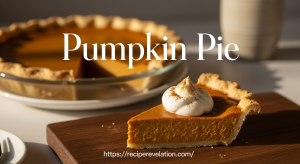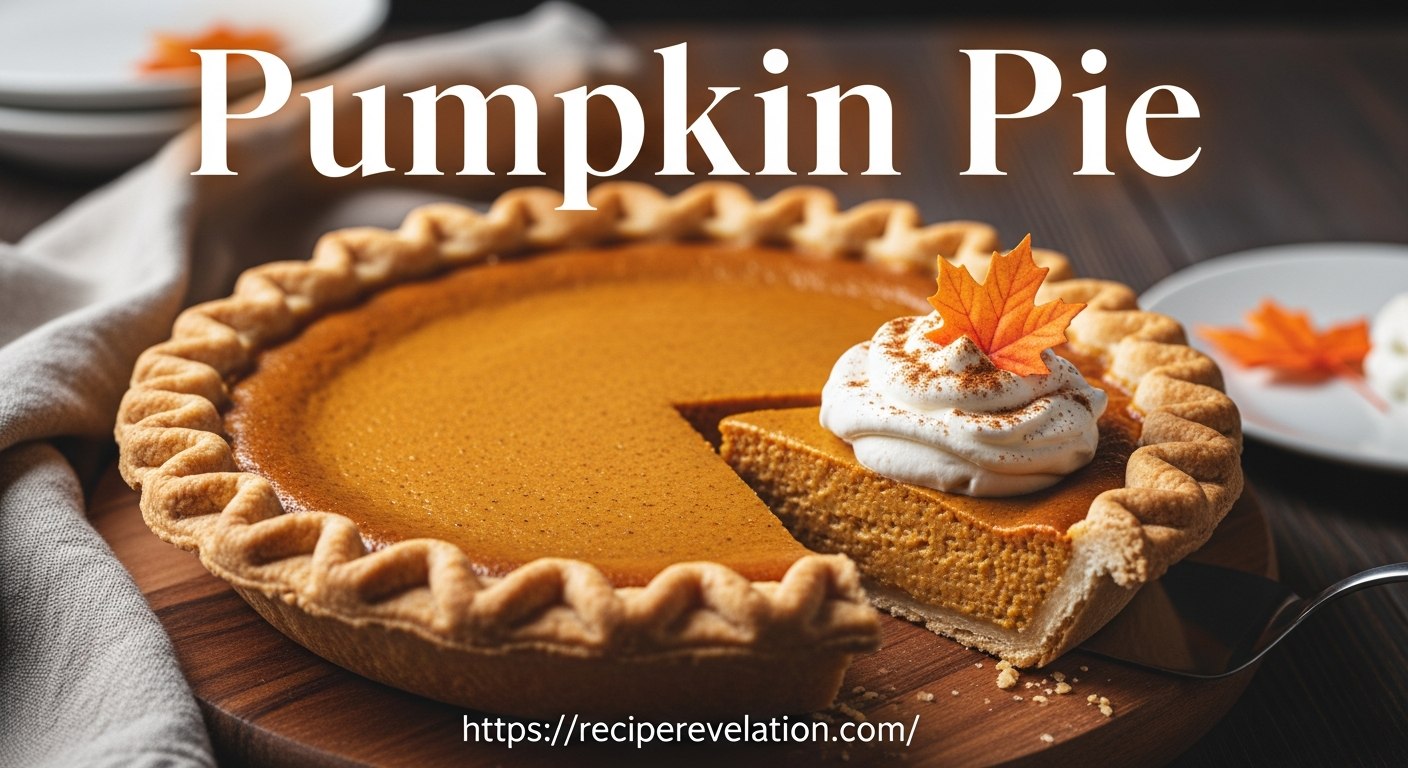
There’s something serenely magical about a slice of pumpkin pie-a harmonious blend of rustic warmth and silky sweetness that evokes cozy autumn evenings and festive gatherings. But behind that perfect pumpkin pie, with its golden crust and velvety filling, lies a fascinating interplay of art and science.
From selecting the ideal pumpkin varieties to mastering the delicate balance of spices and the chemistry of baking,creating this quintessential dessert is both an inspired craft and a precise science.In this article, we’ll delve into the secrets that transform humble ingredients into a luscious pumpkin pie delight, revealing how culinary intuition and scientific principles join forces to achieve that impeccable slice every time.
The art and science behind perfect pumpkin pie delights begins with appreciating how each ingredient contributes to that iconic silky, custardy filling. The pumpkin’s natural moisture and starch must harmonize with eggs, dairy, and sweeteners to bake into a slice that wobbles just right yet holds firm. this delicate balance of chemistry transforms simple pantry staples into an unforgettable autumnal dessert loved across generations.
prep and Cook Time
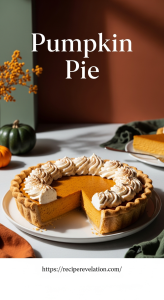
- Readiness Time: 30 minutes
- Cook Time: 55 minutes
- Cooling Time: 2 hours (recommended for best texture)
yield
One 9-inch pumpkin pie, serving 8 generous slices
Difficulty Level
Medium – Perfect for confident home bakers ready to elevate their pie game
Ingredients
- For the Filling:
- 1 ¾ cups fresh pumpkin purée (preferably from a Pie Pumpkin)
- ¾ cup packed light brown sugar
- ½ teaspoon fine sea salt
- 2 large eggs, lightly beaten
- 1 cup heavy cream
- ½ cup whole milk
- 1 teaspoon ground cinnamon
- ½ teaspoon ground ginger
- ¼ teaspoon ground nutmeg
- ⅛ teaspoon ground cloves
- For the Crust:
- 1 ¼ cups all-purpose flour, sifted
- ½ teaspoon fine salt
- ½ cup (1 stick) unsalted butter, cold and cubed
- 3-4 tablespoons ice water
Instructions
- Prepare the Crust: In a large bowl, whisk together the flour and salt.using a pastry blender or your fingers, cut in the cold butter until the mixture resembles coarse crumbs with some pea-sized pieces. Gradually add ice water,1 tablespoon at a time,tossing gently until dough just holds together when pinched.
- Chill the Dough: Form the dough into a flat disk, wrap in plastic wrap, and refrigerate for at least 1 hour to relax the gluten and firm up the butter, which is key for a flaky crust.
- Roll Out the Dough: Lightly flour your surface and rolling pin. Roll the chilled dough into a 12-inch circle, about 1/8 inch thick. Gently transfer it to a 9-inch pie pan, easing it in without stretching to prevent shrinkage. Trim excess dough to 1-inch overhang,fold under,and crimp edges elegantly.
- blind Bake the Crust: Chill the crust-lined pan for 20 minutes.Then, line with parchment paper and fill with pie weights or dried beans. Bake at 375°F (190°C) for 15 minutes. Remove weights and parchment,then bake another 5 minutes until the crust sets and begins to golden slightly. This step prevents soggy bottoms.
- Make the Filling: In a medium bowl, whisk pumpkin purée, brown sugar, salt, and spices until smooth. Whisk in eggs until fully incorporated. Gradually pour in the heavy cream and milk, mixing just until combined-overmixing can trap air bubbles that cause cracks.
- Fill and Bake: Reduce oven temperature to 350°F (175°C). pour filling into the pre-baked crust. Bake for 50-55 minutes, or until the filling is mostly set but still slightly jiggly in the center-carryover heat will finish the job as it cools.
- Cool Completely: Let the pie cool on a wire rack for 2 hours to fully develop its texture and flavor. Refrigerate for up to 3 days, wrapped loosely with foil.
Tips for Success
- Selecting and Preparing Pumpkins for Maximum flavor Depth: Use small “sugar” or “pie” pumpkins rather than large jack-o’-lantern types. Thes have better flesh density and sweetness. Roast halves cut side down on parchment; scrape out the flesh when tender for deeper flavor than canned purée.
- Mastering the Crust Craftsmanship: Keep butter and water ice-cold to create pockets of fat that steam in the oven, producing flakes. Rest dough overnight for an even more tender crust.
- Balance Spices and Sweetness: Adjust spices slightly to match your preferences; don’t underestimate the salt-it amplifies sweetness and rounds flavors.
- Avoid Cracking: Gently mix filling ingredients and bake at a slightly lower temperature. If cracks appear after cooling, cover with whipped cream to disguise and add luscious contrast.
Serving Suggestions
Serve each slice of this pumpkin pie with a generous dollop of freshly whipped cream lightly dusted with cinnamon. For an inviting presentation, garnish with toasted pecan halves or a sprinkle of finely chopped crystallized ginger for subtle warmth. Pair with a spiced chai latte or smooth black coffee to elevate the cozy ambiance. A dusting of powdered sugar over the crust edges adds a touch of visual magic.

| Nutrient | Per Serving |
|---|---|
| Calories | 320 kcal |
| Protein | 5 g |
| Carbohydrates | 38 g |
| Fat | 15 g |
For a deeper dive into [pie crust mastery](/pie-crust-best-practices), explore our complete guide packed with techniques and troubleshooting tips.
Learn more about the science behind pumpkin’s unique starches and sugars on ScienceDaily’s food chemistry section to enhance your baking understanding and results.
Q&A
Q&A: the Art and Science Behind Perfect Pumpkin Pie Delights
Q1: What makes a pumpkin pie truly extraordinary?
A1: A truly exceptional pumpkin pie balances vibrant spices, creamy texture, and a flaky crust. It’s a harmonious blend where the sweetness of pumpkin meets the warmth of cinnamon,nutmeg,and cloves,all nestled within a buttery,golden crust that’s just tender enough to support-but not overpower-the filling.
Q2: How does the choice of pumpkin impact the flavor and texture?
A2: The type of pumpkin used is crucial. Sugar pumpkins or Cinderella pumpkins have dense, sweet flesh ideal for pie, delivering a smoother and richer filling. Unlike large carving pumpkins, which tend to be watery and bland, pie pumpkins provide a more concentrated flavor and a custard-like consistency when cooked and pureed.
Q3: what role do spices play beyond just adding flavor?
A3: Spices in pumpkin pie are more than just aromatics-they stimulate our senses and evoke emotion, creating a comforting experience. Scientifically, spices like cinnamon and nutmeg contain compounds that complement the natural sugars in pumpkin, enhancing perceived sweetness and depth without added sugar.
Q4: Why is achieving the right texture so critically important, and how is it done?
A4: Texture breathes life into pumpkin pie. The filling should be silky and smooth, without weeping or cracking on the surface. this is achieved by carefully combining eggs, sugar, and pumpkin puree and baking at the right temperature, allowing the custard to set just enough-firm but tender, like a perfectly set pudding.
Q5: Can you explain the science behind the crust’s flakiness?
A5: Flakiness comes from layering solid fats, like butter or shortening, within the dough. As the pie bakes, water in the fat turns to steam, creating tiny pockets that separate the dough layers. The key is to keep ingredients cold and handle the dough minimally to prevent gluten overdevelopment, which would make it tough.
Q6: How do you prevent common issues like cracked filling or soggy crust?
A6: Cracks often occur when the pie is overbaked or cooled too quickly; slow, gentle baking and gradual cooling help maintain a smooth surface. To avoid soggy crusts, blind baking the crust partially before adding the filling seals it against moisture. Some bakers also brush the crust with beaten egg white or sprinkle ground nuts to create a moisture barrier.
Q7: What innovations or twists can be added without losing the soul of pumpkin pie?
A7: Creative variations might include incorporating roasted chestnut puree for earthiness or a hint of orange zest for brightness, but the essence remains the warm, spiced pumpkin custard. The art is in subtlety: enhancing rather than overwhelming, respecting tradition while inviting fresh flavor dialogues.
Q8: How important is ingredient quality in crafting the perfect pumpkin pie?
A8: Ingredient quality is the foundation. Freshly ground spices offer vibrant flavor bursts; real pumpkin puree brings authentic sweetness and texture; and high-quality dairy enriches the custard. When ingredients shine, the pie doesn’t mask but highlights their natural brilliance.Q9: Is there a preferred technique to mix the filling for best results?
A9: Gently folding ingredients helps maintain a creamy texture without incorporating too much air that can cause cracks. Over-whisking eggs introduces bubbles that expand and burst during baking, so slow, intentional mixing yields a velvety, stable custard.
Q10: What temperature and time considerations should bakers keep in mind?
A10: baking pumpkin pie at a moderate temperature-usually around 350°F (175°C)-allows the custard to cook evenly without drying. Baking for 50 to 60 minutes, checking for a slight jiggle in the center, signals it’s perfectly set. Cooling gradually on a rack ensures the filling finishes setting without cracking.
This Q&A blends culinary craft and food science to unravel the secrets behind pumpkin pie perfection-turning your seasonal favorite into a masterpiece of flavor, texture, and warmth.
The Conclusion
As the aroma of a perfectly baked pumpkin pie wafts through the kitchen,it’s easy to forget the intricate dance of art and science behind each slice. From selecting the ideal pumpkin to mastering the delicate balance of spices and the precise baking temperature, every step is a testament to both creativity and careful calculation. Whether you’re a seasoned baker or a curious novice,understanding these nuances transforms pumpkin pie from a simple dessert into a culinary masterpiece.
So next time you savor that golden, velvety slice, remember-the perfect pumpkin pie is more than tradition; it’s a harmonious blend of passion and precision, a tasty celebration of both art and science.