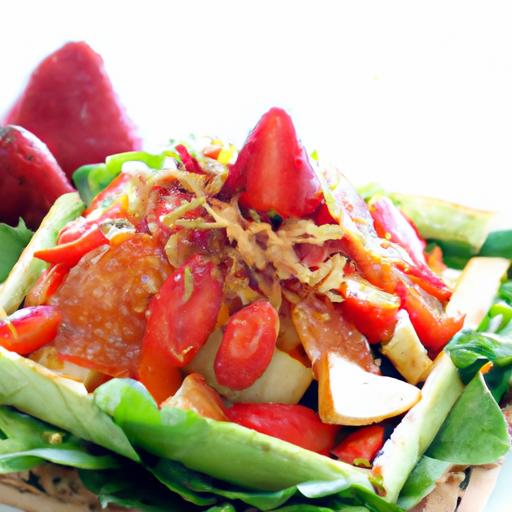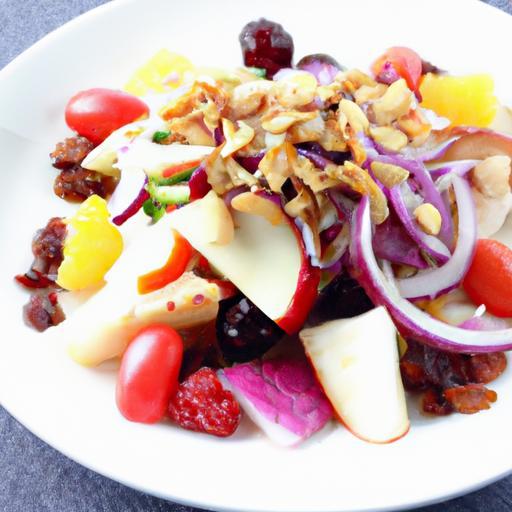
In the vibrant tapestry of Southeast Asian cuisine, few dishes capture the essence of cultural fusion quite like rojak. This colorful medley of fruits and vegetables, kissed by a symphony of tangy, sweet, and savory flavors, offers more than just a salad-it’s a party of tradition and taste. ”
Rojak Unveiled: The Tangy Twist of Fruit and Veggie Salad” invites you on a flavorful journey to explore the origins, variations, and the irresistible charm of this beloved dish. Prepare to discover how humble ingredients come together in a delightful dance of textures and tastes, revealing why rojak holds a special place in the hearts (and plates) of food lovers across the region.
Origins and Cultural Significance of Rojak in Southeast Asia
rojak Unveiled: The Tangy Twist of Fruit and veggie Salad is an exploration into one of Southeast Asia’s most vibrant and beloved dishes. This eclectic salad perfectly embodies the multicultural mosaic of the region, melding Chinese, Malay, and Indian culinary influences.Traditionally, rojak means “mixture” or “eclectic mix” in Malay, and this dish lives up to it’s name by bringing together a medley of fresh fruits, crunchy vegetables, and bold sauces in perfect harmony.
Originating centuries ago as a simple street food snack,rojak has evolved into a social dish that fosters communal sharing.It’s often enjoyed during family gatherings and festive occasions, symbolizing the unity and diversity at the heart of Southeast Asian culture. Each region adds its unique twist, but the essence remains the same: a celebration of contrasting textures and layers of tangy, sweet, and savory flavors.
Exploring the Unique Ingredients That Define Rojak’s Flavor Profile
The magic of rojak lies in its masterful blend of ingredients that awaken the palate. The foundation consists of crisp tropical fruits like pineapple, jicama, and green mango, paired with crunchy cucumbers and sometimes fried tofu or youtiao (Chinese fried dough sticks) for added texture.The key is balancing freshness with the umami-packed sauce that defines its character.
This signature dressing is a bold fusion: made from fermented shrimp paste (belacan), tamarind juice, palm sugar, and chili.The shrimp paste introduces a deep, savory undertone that contrasts beautifully with the sweet acidity of tamarind and sugar, while chili adds a lively kick. The resulting flavor profile is tangy, sweet, salty, and spicy – a rollercoaster in every bite that’s both refreshing and addictive.
Step-by-Step Guide to Crafting the Perfect Tangy Rojak dressing
Mastering the rojak dressing is the key to unlocking the dish’s full potential. Here’s an approachable method to blend these flavors flawlessly:
- Toast 2 tablespoons of dried shrimp paste in a dry pan over medium heat for 2 minutes until fragrant, stirring constantly to prevent burning.
- Transfer the shrimp paste to a mortar and pestle or blender. Add 2 tablespoons palm sugar,3 tablespoons tamarind juice (strained for smoothness),and 1-2 fresh red chilies (adjust to taste).
- Pound or blend until the mixture forms a smooth,glossy sauce. Add a splash of water as needed to reach a pourable consistency.
- Taste and adjust: add more palm sugar for sweetness,tamarind for tartness,or chili for heat. The balance is personal but should be tangy, rich, and slightly sweet.
- Set aside to let the flavors marry while you prepare the fruits and vegetables.
Tips for Customizing Your Rojak with Seasonal Fruits and Vegetables
One of the joys of rojak is its versatility. Depending on season and availability, you can customize the salad to highlight local freshness and your preference.
- Fruits: Substitute or add in slices of starfruit, guava, or apple for varying textures and sweetness.
- Vegetables: Add sliced jicama, heart of palm, or even blanched bean sprouts for crunch.
- Crunch factor: Incorporate crispy fried shallots or toasted crushed peanuts for extra layers of texture.
- If you prefer a milder flavor, reduce or omit the shrimp paste and replace with miso paste for a vegetarian-friendly alternative.
- For an extra tangy twist, squeeze fresh lime juice over the salad just before serving.
Recipe Details
Prep and Cook Time
prep Time: 20 minutes
Cook Time: 5 minutes (for toasting shrimp paste)
Yield
Serves 4 as a refreshing appetizer or side dish
Difficulty Level
Easy to Medium – perfect for adventurous home cooks looking to explore Southeast Asian flavors
Ingredients
- 1 cup pineapple, peeled and cut into bite-sized chunks
- 1 cup cucumber, thinly sliced
- 1 cup green mango, peeled and julienned
- 1/2 cup jicama, peeled and sliced into matchsticks
- 1/2 cup fried tofu, cut into cubes (optional)
- 2 tablespoons dried shrimp paste (belacan)
- 2 tablespoons palm sugar
- 3 tablespoons tamarind juice, strained
- 1-2 red chilies, finely chopped (adjust to taste)
- 1 tablespoon roasted peanuts, crushed (for garnish)
- Fresh lime wedges, for serving
- Optional: fried shallots, crushed peanuts, or youtiao pieces for extra crunch
Instructions
- Toast the shrimp paste: Heat a dry skillet over medium and toast the shrimp paste until you smell its fragrant aroma, about 2 minutes, stirring constantly.
- Prepare the dressing: In a mortar and pestle or blender, combine the toasted shrimp paste, palm sugar, tamarind juice, and chopped chilies. Grind or blend until smooth, adjusting water for desired consistency.
- Prepare the fruits and vegetables: Arrange pineapple,cucumber,mango,jicama,and tofu in a large mixing bowl.
- Toss the salad: Pour the dressing over the mixed fruits and vegetables. Toss gently but thoroughly to ensure everything is coated evenly with the tangy sauce.
- Garnish and serve: Sprinkle crushed peanuts and optional fried shallots on top. Serve immediately with lime wedges on the side.
Chef’s Notes
- Make-ahead tip: Prepare the dressing a day ahead to deepen the flavors. Store in an airtight container in the fridge.
- texture balance: Ensure proteins like tofu are fried until just golden to maintain texture contrast.
- Heat level: If you’re sensitive to spice, start with one chili or substitute with mild chili flakes.
- ingredient swap: Ash gourd or breadfruit can substitute for jicama during off-season periods.
- Vegetarian option: Replace shrimp paste with fermented soy or miso paste and omit fried tofu if desired.
Serving Suggestions
This salad shines as a vibrant starter or side dish alongside grilled seafood or satay. For an Instagram-worthy presentation, serve rojak tossed in a rustic wooden bowl, garnished with crushed peanuts and wedges of lime. The vivid colors and glossy dressing entice the eye as much as the palate. Pair with an iced lemongrass tea or coconut water for a refreshing complete meal.
| Nutrient | Per Serving |
|---|---|
| Calories | 180 kcal |
| Protein | 5 g |
| Carbohydrates | 28 g |
| Fat | 6 g |

For those eager to further explore Southeast Asian flavors,check out our singapore Style Kaya Toast Recipe for another iconic taste. Also, dive deeper into the history of fermented shrimp paste on Encyclopedia Britannica.
Q&A
Q&A: Rojak Unveiled – The Tangy Twist of Fruit and Veggie Salad
Q1: What exactly is Rojak?
A1: Rojak is a vibrant, tangy salad originating from Southeast Asia, especially popular in Malaysia, Singapore, and Indonesia. It’s a delightful medley of fresh fruits and vegetables tossed together with a uniquely bold dressing that balances sweet, sour, and spicy flavors. Think of it as a fusion of crunchy textures and zesty tastes, all in one bowl.
Q2: What ingredients typically go into traditional Rojak?
A2: Traditional Rojak features a colorful mix of crisp vegetables like cucumber and jicama, juicy fruits such as pineapple and mango, and sometimes tofu or fried dough fritters. The magic lies in its dressing, wich often includes tamarind paste, lime juice, palm sugar, chili, and crushed peanuts to add depth and crunch.
Q3: How does rojak’s dressing make it so special?
A3: The dressing is the beating heart of Rojak. It’s a lively balance of tangy tamarind, sweet palm sugar, fiery chili, and a pinch of salt-all combined to create a complex flavor profile. Adding crushed peanuts introduces a nutty texture that perfectly complements the fresh produce, making every bite a symphony of flavors.
Q4: Can Rojak be made using only fruits?
A4: Absolutely! Fruit-based Rojak, often known as “Rojak Buah,” highlights tropical fruits like green mangoes, guava, pineapple, and starfruit. The dressing remains the same, lending a zesty and spicy kick that brightens the natural sweetness and tartness of the fruits.
Q5: Is rojak suitable for vegetarians and vegans?
A5: yes, Rojak can easily be vegetarian or vegan-friendly. Its core ingredients-fruits, vegetables, peanuts, and spices-are plant-based. Traditional recipes sometimes include shrimp paste for an umami punch, but this can be replaced with fermented soybean paste or omitted entirely without losing the dish’s characteristic zing.
Q6: How is Rojak typically served?
A6: Rojak is served fresh and chilled,making it a refreshing appetizer or side dish in warm climates.It’s often enjoyed at hawker centers and street markets, presented in a simple bowl where diners can appreciate the contrasting textures and lively dressing.
Q7: What makes Rojak a beloved cultural symbol?
A7: Beyond its flavor, Rojak symbolizes unity in diversity-bringing together ingredients from different culinary traditions to create a harmonious dish. Its blend of sweet, spicy, sour, and crunchy elements mirrors the multicultural tapestry of Southeast Asia, making it a flavorful depiction of community and shared heritage.
Q8: Can I experiment with Rojak at home?
A8: Definitely! The best part about Rojak is its versatility. Feel free to mix and match your favorite fruits and veggies,adjust the chili level to your heat tolerance,and even try different nuts for crunch. Just remember, the key is balancing the tangy, sweet, and spicy notes in the dressing to create that signature Rojak punch!
Concluding Remarks
As we’ve journeyed through the vibrant medley that is rojak, it’s clear that this tangy twist of fruit and veggie salad is far more than just a dish-it’s a celebration of cultural harmony and flavor fusion. whether you savor the crisp bite of cucumber mingling with the sweetness of pineapple or delight in the bold punch of tamarind dressing, rojak invites every palate to experience a refreshing dance of tastes and textures.
So next time you crave something both familiar and exciting, remember that rojak isn’t just a salad-it’s a appetizing reminder that sometimes, the best flavors emerge when we mix things up.