Rojak Unveiled: A Colorful Mix of Fruits and Veggies Delight
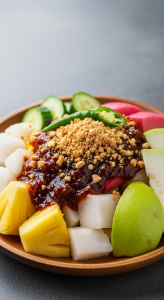
Step into the vibrant world of rojak-a tantalizing fusion of flavors that dances on the palate and celebrates the bounty of fresh fruits and vegetables. This iconic southeast Asian salad is far more than just a dish; it’s a cultural mosaic, blending sweet, tangy, spicy, and crunchy elements into one unforgettable bite. From the crispness of cucumber and jicama to the lusciousness of pineapple and mango, all coated in a rich, savory dressing, rojak invites food lovers on a colorful culinary journey. Join us as we peel back the layers of this beloved treat, uncovering its history, diverse variations, and the secret to making yoru own rojak masterpiece at home.
Rojak Unveiled: A Colorful Mix of Fruits and Veggies Delight is not just a salad-it’s a vibrant celebration of Southeast Asia’s diverse culinary heritage. This iconic dish blends the crunch of fresh fruits and vegetables with a luscious, aromatic dressing that awakens the senses. Rooted in a multicultural tapestry spanning Malaysia, Singapore, and indonesia, rojak captures the essence of communal meals, market flavors, and street-food culture.
Prep and Cook Time
- Preparation: 20 minutes
- Cooking (optional frying): 10 minutes
- Total Time: 30 minutes
Yield
Serves 4 as a refreshing appetizer or side dish.
Difficulty Level
Easy – perfect for home cooks eager to experiment with bold flavors and textures.
Ingredients
- 2 cups pineapple, peeled and cut into small chunks
- 1 cup cucumber, sliced thinly
- 1 cup jicama (or turnip), julienned
- 1 cup bean sprouts, washed and drained
- 4-5 firm tofu pieces, cut into bite-sized pieces and fried until golden
- 1 small handful roasted peanuts, coarsely crushed
- 1 tbsp dried shrimp powder (optional, for authentic umami depth)
For the Dressing:
- 3 tbsp palm sugar (or brown sugar)
- 2 tbsp tamarind paste
- 3 tbsp water
- 2 tbsp shrimp paste (belacan), toasted lightly
- 1 tsp chili flakes (adjust to taste)
- 1 tbsp lime juice (for brightness)
Instructions
- Prepare the dressing: In a small saucepan over medium heat, combine palm sugar, tamarind paste, water, and toasted shrimp paste. Stir until sugar fully dissolves and the mixture thickens slightly, about 5 minutes. Remove from heat.
- Add chili flakes and lime juice: Stir in chili flakes and lime juice while the dressing is still warm. taste and adjust sweetness, tang, or spice according to preference.
- assemble the rojak: In a large mixing bowl, combine pineapple, cucumber, jicama, bean sprouts, and fried tofu. Gently toss to mix the textures evenly.
- Pour dressing over the mixture: Pour the warm dressing onto the ingredients and toss sparingly to coat without wilting the fresh vegetables.
- Finish with toppings: Sprinkle crushed roasted peanuts and dried shrimp powder on top for an irresistible crunch and umami lift.
Tips for Success
- Ingredient swaps: Substitute jicama with crisp apples or firm Asian pears for a sweeter twist.
- Make-ahead note: Prepare the dressing a day ahead and refrigerate. Warm gently before tossing to refresh flavors.
- Balancing flavors: Rojak’s charm lies in its harmony of sweet, sour, salty, and spicy. Always taste your dressing and tweak lime juice or chili to get the perfect balance.
- Textural contrast: Maintain fresh vegetables’ crunch by adding dressing just before serving, preserving the invigorating bite.
- For vegan rojak: Omit shrimp paste and dried shrimp powder; replace with miso paste for a similar depth.
Serving Suggestions to Elevate Your Rojak Experience
Serve this colorful mix on a large platter with extra crushed peanuts for guests to sprinkle. Garnish with fresh mint leaves or fragrant Thai basil to enhance aroma and provide an herbaceous contrast. Pair with warm, crispy prawn fritters or satay skewers for a complete street-food feast at home. For an inventive twist, try adding grated young coconut or a dash of toasted sesame oil into the dressing for added layers.
| Nutrient | amount per Serving |
|---|---|
| Calories | 180 kcal |
| protein | 6 g |
| Carbohydrates | 32 g |
| Fat | 5 g |
| Fiber | 4 g |
Explore more traditional Southeast Asian dishes in our Malaysian Street Food Guide and deepen your culinary adventure. For authentic tamarind and shrimp paste sourcing tips, visit the authoritative The Spruce Eats.

Q&A
Q&A: Rojak unveiled – A Colorful Mix of Fruits and Veggies Delight
Q1: What exactly is Rojak?
A1: Rojak is a vibrant, mouthwatering salad that blends a medley of fresh fruits and vegetables with a tantalizingly tangy and sweet dressing. Originating from Southeast Asia, particularly Malaysia and Indonesia, it’s more than just a salad-it’s a harmonious dance of textures and flavors that awaken your palate.
Q2: What ingredients make Rojak so unique?
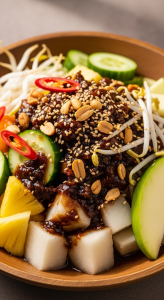
A2: At its heart,Rojak combines crunchy cucumber slices,succulent pineapple chunks,crisp jicama,and sometimes even youtiao (fried dough sticks) or tofu. But the magic happens in the dressing-a rich, thick concoction made from palm sugar, tamarind, shrimp paste, and crushed peanuts, delivering a perfect balance of sweet, sour, savory, and nutty notes.
Q3: how does Rojak represent the culture it comes from?
A3: Rojak is a colorful metaphor for the cultural melting pot of Southeast Asia. Much like the diverse communities and traditions of the region, Rojak unites a variety of ingredients into one appetizing whole. It embodies harmony, diversity, and the joyous celebration of flavors that coexist beautifully.
Q4: Can Rojak be customized to suit different tastes or dietary preferences?
A4: Absolutely! While the traditional Rojak includes shrimp paste and fried dough, many modern variations cater to vegetarians or those wary of seafood. You might find versions with tamarind and soy-based sauces or additional crunchy nuts and fresh herbs. The essence of Rojak is its adaptability while maintaining its characteristic bold flavors.
Q5: when and how is Rojak typically enjoyed?
A5: Rojak is frequently enough enjoyed as a refreshing snack or appetizer, especially in the afternoon when a sweet and tangy bite can perk you up. It’s a common street food treat, served from bustling hawker stalls or family gatherings, inviting friends and strangers alike to share a colorful bowl of delight.
Q6: What’s the best way to experience Rojak for the first time?
A6: Approach Rojak with an open mind and eager taste buds! Don’t hesitate to mix all the ingredients with the luscious dressing thoroughly to get every bite bursting with flavor. Pair it with a cold beverage to contrast the savory-sweet zing. And most importantly, savor the experience of a dish that’s as culturally rich as it is indeed delicious.
To Conclude
As we close the chapter on this vibrant exploration of rojak, it’s clear that this humble dish is far more than just a medley of fruits and vegetables. rojak is a celebration of culture, texture, and taste-an edible mosaic where sweet, sour, crunchy, and spicy harmonize in every bite. Whether enjoyed as a refreshing snack or a flavorful side, rojak invites us to appreciate the beauty of diversity on a plate. So next time you encounter this colorful mix, take a moment to savor not just its flavors, but the rich stories and traditions it carries within. in the world of culinary delights, rojak stands proudly as a true feast for the senses.