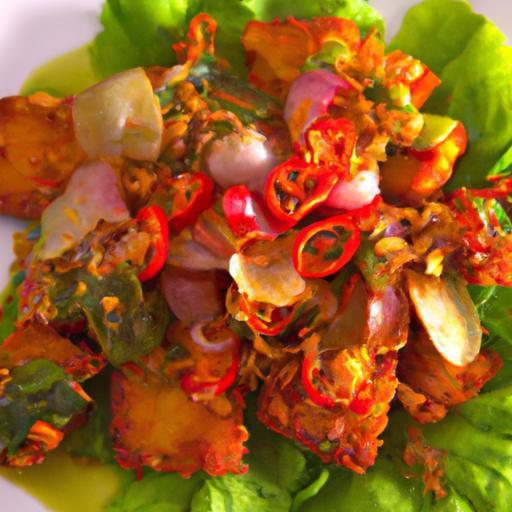
In the vibrant tapestry of Indonesian cuisine, few flavors capture the essence of Bali quite like Sambal Matah-a zesty, aromatic raw chili relish bursting with fresh shallots, lemongrass, and kaffir lime leaves.
Now imagine this lively salsa paired with the golden, crackling texture of crispy fried tempeh, creating a harmonious dance of heat, crunch, and savory depth. “Sambal Matah Meets Crispy Fried Tempeh: A Balinese Delight” invites you to explore this iconic combination that not only teases the palate but also tells a story of tradition,local ingredients,and culinary creativity. Join us as we unravel the origins, the preparation, and the irresistible charm of this beloved Balinese pairing that continues to captivate food lovers around the world.
Prep and Cook Time
Preparation: 15 minutes | Cooking: 20 minutes | Total Time: 35 minutes
Yield
Serves 4 as a delightful appetizer or side dish
Difficulty Level
Medium – Perfect for home cooks eager to explore authentic Balinese flavors with approachable techniques
Ingredients
- tempeh: 300 grams, cut into 1-inch cubes
- Vegetable oil: 2 cups for deep frying
- Shallots: 5 medium, thinly sliced
- Fresh red chilies: 4, finely sliced (adjust to taste)
- Lemongrass stalk: 1, white part finely sliced
- Kaffir lime leaves: 3, thinly sliced into ribbons
- Bird’s eye chilies: 2, finely chopped (optional for extra heat)
- Grated coconut (optional): 2 tablespoons, toasted
- Small tomatoes: 2, diced
- Fresh lime juice: 2 tablespoons
- Salt: 1 teaspoon
- Brown sugar: 1 teaspoon
- Vegetable oil: 3 tablespoons for sautéing sambal ingredients
Instructions
- Prepare the Tempeh: Begin by cutting the tempeh into uniform 1-inch cubes. Pat dry with paper towels to remove excess moisture-this step is crucial for achieving ultimate crunch.
- Heat the oil: Pour 2 cups of vegetable oil into a deep pan or wok and heat over medium-high heat until it reaches about 350°F (175°C). Test by dropping a small piece of tempeh; it should sizzle instantly.
- Deep Fry Tempeh: Fry the tempeh cubes in batches, avoiding overcrowding. Fry for 5-6 minutes, turning occasionally, until they become golden and crispy. Remove with a slotted spoon and drain on paper towels.
- prepare Sambal Matah: While the tempeh fries, combine the thinly sliced shallots, red chilies, bird’s eye chilies, lemongrass, kaffir lime leaves, and diced tomatoes in a bowl.
- Sauté Aromatics: Heat 3 tablespoons of oil in a small pan until shimmering. Pour the hot oil over the sambal mixture-this step releases the fragrant Balinese aromas and softens the shallots just enough without losing their crunch.
- Season Sambal: Add the lime juice, salt, and brown sugar to the sambal. Mix well to balance the spicy, sour, and sweet notes. If you’re using toasted grated coconut, fold it in now to add rich texture and nutty flavors.
- Combine and Serve: transfer the crispy fried tempeh to a serving dish and generously spoon sambal matah over the top or serve it on the side for dipping.
Tips for Success
- Crunch Matters: Thoroughly pat dry the tempeh before frying to prevent oil splatter and to ensure it crisps perfectly.
- The Hot Oil Technique: Pouring hot oil over the sambal mixture is a traditional Balinese method that softens raw shallots and peppers just enough without losing their shining texture.
- Mild Variation: Adjust the number of chilies or remove seeds for a gentler heat suitable for sensitive palates.
- Make-Ahead: Prepare the sambal matah a few hours in advance. Refrigerated sambal improves in flavor but bring to room temperature before serving for the best taste.
- Tempeh Swaps: If tempeh is unavailable, firm tofu is a reasonable substitute but the classic nutty tempeh aroma makes this dish unforgettable.
Serving Suggestions
This vibrant Balinese pairing is best enjoyed with warm steamed jasmine rice or alongside a crisp cucumber salad to refresh the palate. garnish with a few extra kaffir lime leaf ribbons and a wedge of lime on the side to brighten each bite.
For an elegant presentation,serve the sambal matah atop the fried tempeh on a banana leaf – infusing an earthy aroma and traditional flair. add a sprinkle of toasted shredded coconut or freshly chopped coriander to amplify the layers of flavor and color.
| Nutritional Info (per serving) | Calories | Protein | Carbs | Fat |
|---|---|---|---|---|
| Crispy fried Tempeh with Sambal Matah | 280 kcal | 18 g | 12 g | 18 g |

Discover More Indonesian Recipes
Expand your tropical culinary journey with our authentic Nasi Uduk, a fragrant coconut rice dish complementing sambal matah perfectly. For more on traditional sambals, visit the Encyclopedia Britannica’s guide to sambal.
Q&A
Q&A: Sambal Matah Meets Crispy Fried Tempeh – A Balinese Delight
Q1: What makes Sambal Matah such a unique condiment in Balinese cuisine?
A1: Sambal Matah is a vibrant, raw chili relish bursting with freshness from finely chopped shallots, lemongrass, bird’s eye chilies, kaffir lime leaves, and a generous drizzle of coconut oil. Unlike cooked sambals,it retains its crisp textures and bright flavors that awaken the palate. Its balance of spicy, citrusy, and aromatic notes makes it a lively companion to many dishes, especially when paired with crispy fried foods.
Q2: Why is crispy fried tempeh the perfect match for Sambal matah?
A2: Crispy fried tempeh offers a golden, crunchy exterior with a hearty, nutty interior. The mild earthiness of tempeh complements the sharp zing and heat of sambal Matah perfectly. When these two come together, each bite delivers a delightful contrast – the tempeh’s satisfying crunch and subtle flavor underscored by sambal’s fresh, fiery kick, creating a harmonious and addictive Balinese experience.
Q3: Can you describe the typical ingredients in crispy fried tempeh?
A3: Crispy fried tempeh usually involves thin slices of fermented soybean cake, lightly seasoned with salt and sometimes a touch of turmeric or garlic powder, then fried to a perfect crispness in hot oil. The simplicity of ingredients allows the tempeh’s natural savory flavors to shine through, making it an ideal base for bold condiments like Sambal Matah.
Q4: how is Sambal Matah traditionally prepared at home?
A4: Traditionally, Sambal Matah is prepared by finely slicing fresh shallots, lemongrass, red chilies, and kaffir lime leaves. These ingredients are then mixed with coconut oil, lime juice, and a pinch of salt. The key is to keep everything raw and fresh, allowing the aromatic herbs and fiery chilies to stand out. The result is a sambal with vibrant texture and layers of flavor that awaken every dish it touches.
Q5: Is this dish suitable for vegetarians and vegans?
A5: Absolutely! Both Sambal Matah and crispy fried tempeh are plant-based and naturally free from animal products. The tempeh is made from soybeans, and the sambal relies on fresh herbs, chilies, and coconut oil. This makes the dish a flavorful, protein-rich option for vegetarians and vegans alike eager to explore authentic Indonesian flavors.
Q6: What occasions or meals are ideal for enjoying Sambal Matah with crispy fried tempeh?
A6: This balinese delight suits anytime snacks, appetizers, or a vibrant side dish for lunch and dinner. It’s perfect for warm tropical days when something fresh and light yet satisfying is desired. It also shines in communal meals where sharing is part of the joy, bringing a burst of authentic Indonesian taste to the table.
Q7: Can Sambal Matah be used beyond pairing with tempeh?
A7: Definitely! Sambal Matah’s fresh, bright profile pairs wonderfully with grilled fish, tofu, steamed vegetables, and even rice. Its versatility is one reason it’s beloved across Bali – it can transform simple dishes into fragrant, flavor-packed experiences without overpowering them.
Q8: Any tips for achieving the crispiest fried tempeh?
A8: To get the crispiest tempeh,slice it thinly and pat dry to remove excess moisture before frying.Use hot oil at the right temperature (around 350°F or 175°C) to prevent sogginess and cook quickly until golden brown. Avoid overcrowding the pan, which can lower the oil temperature and lead to less crispiness. Drain on paper towels to absorb excess oil and enjoy immediately for the best texture.
Q9: How dose this dish reflect Balinese culture and culinary traditions?
A9: Sambal Matah with crispy fried tempeh is a party of Bali’s love for fresh, aromatic ingredients balanced with hearty local staples like tempeh. It embodies the island’s emphasis on harmony – between spice and freshness, crunch and softness, simplicity and depth. This dish showcases the vibrant produce, handcrafted techniques, and communal spirit that lie at the heart of Balinese food culture.
Q10: Where can one experience authentic Sambal Matah and crispy fried tempeh outside of Bali?
A10: Authentic Sambal Matah and crispy fried tempeh are increasingly featured in Indonesian restaurants worldwide, especially those focusing on traditional Balinese cuisine. For the adventurous cook, sourcing fresh herbs like lemongrass and kaffir lime leaves from Asian markets and following a traditional recipe can bring the flavors of Bali to your own kitchen, capturing the essence of this appetizing and vibrant island dish.
Wrapping Up
In the vibrant tapestry of Balinese cuisine, the marriage of sambal matah and crispy fried tempeh stands out as a celebration of texture, flavor, and tradition. This simple yet irresistibly fresh combination not only honors the island’s rich culinary heritage but also invites adventurous palates to experience a harmony of zest and crunch in every bite.
Whether you’re a seasoned foodie or a curious traveler,diving into this Balinese delight promises more than just a meal – it offers a sensory journey into the heart of Indonesia’s culinary soul. So next time you crave something both familiar and exotic, let sambal matah and crispy fried tempeh transport you straight to the sun-kissed shores of Bali.