There’s a certain kind of magic that simmers slowly in a pot along the Southern coast-a rich, hearty warmth that brings together the bounty of the sea with the soulful flavors of the South. Savory Seafood Gumbo is more than just a dish; it’s a culinary tradition steeped in history, culture, adn community.
This beloved stew captures the essence of Southern coastal living, blending fresh shrimp, crab, and oysters with dark roux, aromatic spices, and a medley of vegetables. As you dive into a steaming bowl of gumbo, you’re not just tasting a meal-you’re experiencing a story centuries in the making, one spoonful at a time. Join us as we explore the roots and recipes behind this iconic dish, unraveling the secrets of Southern coastal magic.
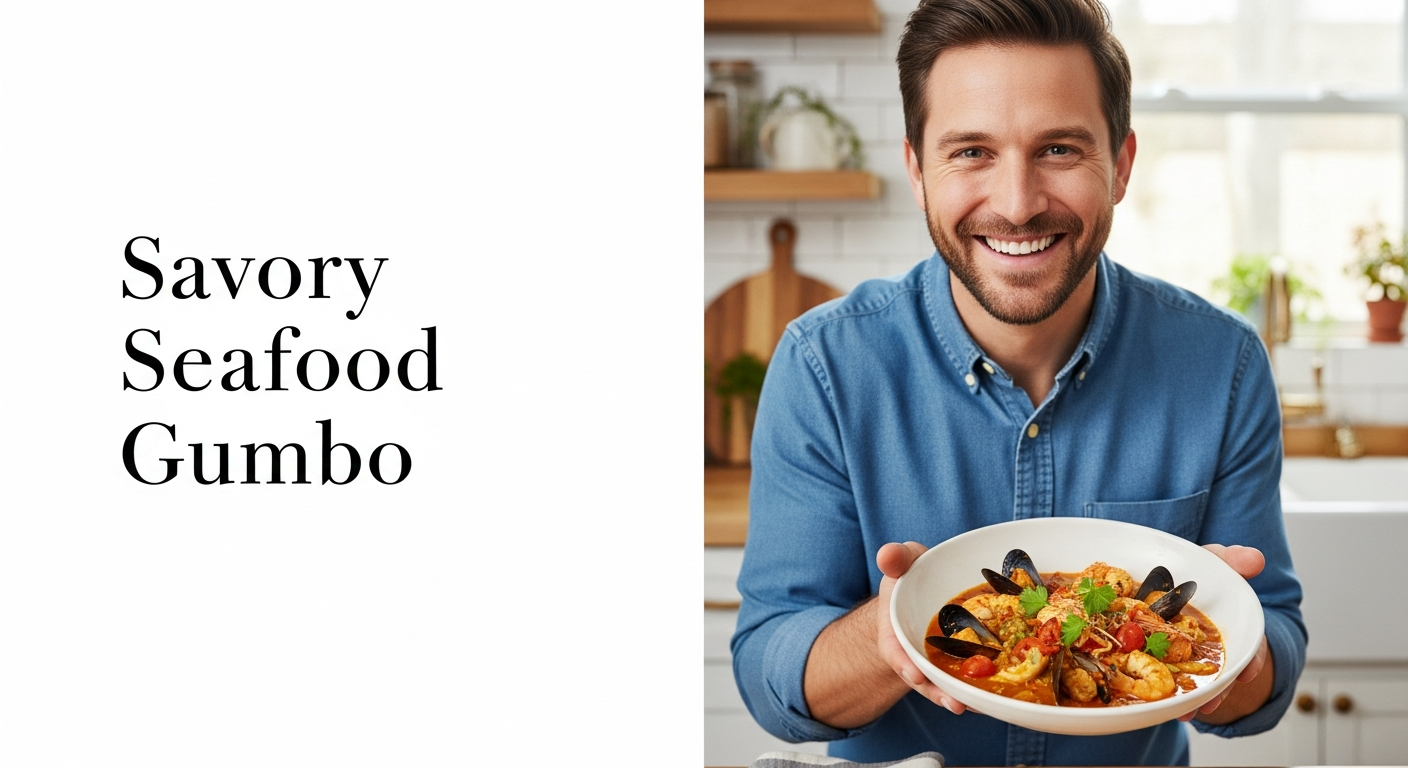
Savory seafood Gumbo offers a vibrant journey into the soulful cuisine of the Southern coast, where rich cultural influences from French, African, and native American traditions blend into one irresistible dish. This beloved stew is more than just comfort food-it’s a festivity of coastal bounty and community, often served at gatherings where stories and flavors mingle. Whether simmering in a bustling kitchen or enjoyed on a breezy porch, this gumbo captures the essence of Southern hospitality with every spoonful.
Prep and Cook Time
- Prep: 25 minutes
- Cook: 1 hour 30 minutes
- Total Time: 1 hour 55 minutes
Yield
Serves 6 generous portions
Difficulty level
Medium – Ideal for cooks ready to explore layered flavors and classic techniques
Essential Ingredients for Crafting an Authentic Gumbo
- ½ cup vegetable oil
- ½ cup all-purpose flour,sifted
- 1 large onion,finely chopped
- 1 green bell pepper,diced
- 3 celery stalks,diced
- 4 cloves garlic,minced
- 4 cups seafood stock or low-sodium fish broth
- 2 cups crushed tomatoes (optional for a subtle tang)
- 2 bay leaves
- 1 tsp dried thyme
- 1 tsp smoked paprika
- 1 tsp cayenne pepper (adjust to taste)
- 1 lb peeled and deveined shrimp
- 1 lb fresh crab meat,picked over for shells
- 1 lb firm white fish fillets (e.g., catfish, snapper), cut into chunks
- ½ cup chopped fresh parsley
- 1 bunch green onions, chopped (white and green parts)
- 1 tbsp Worcestershire sauce (check ingredients for no pork products)
- Salt and freshly ground black pepper, to taste
- cooked white rice, for serving
Step-by-Step Guide to Building Deep, Layered Flavors
- Prepare the roux: In a heavy-bottomed pot, whisk together vegetable oil and flour over medium heat. Stir constantly to create a smooth paste that gradually turns a deep, rich brown-this process takes about 20-25 minutes. Aim for a color similar to milk chocolate; this is the flavor backbone of your gumbo.
- Sauté the mirepoix: Add onion, bell pepper, and celery to the roux, stirring to coat the veggies well. Cook for about 8-10 minutes until soft and fragrant. Add minced garlic and cook for another minute, ensuring it doesn’t burn.
- Build your broth: slowly pour in the seafood stock, whisking to incorporate the roux smoothy. add crushed tomatoes for a subtle depth and the spices-bay leaves, thyme, paprika, and cayenne pepper. bring to a gentle simmer and cook for 30 minutes to meld flavors.
- Layer in seafood: Stir in the fish chunks first and simmer for 10 minutes. Then fold in the shrimp and crab meat, cooking just until the shrimp turn pink and the seafood is cooked through, about 5 minutes more.
- Finish with fresh herbs and seasoning: Stir in parsley, green onions, and Worcestershire sauce. Taste and adjust salt, pepper, and cayenne as desired. Remove bay leaves before serving.
- Serve hot over steaming white rice: Ladle gumbo into bowls atop fluffy rice for a classic Southern presentation.
Tips and Tricks for Perfecting Your Seafood Selection
- Choose fresh, firm seafood: Opt for local catch if possible-firm white fish and wild shrimp yield the best texture.
- Do not overcook: Seafood cooks quickly. Add delicate items last and remove the pot from heat promptly to maintain optimal tenderness.
- Seafood stock is key: If unavailable, simmer shrimp shells and fish bones with aromatics for an hour to create a rich homemade broth.
- Adjust spice levels: Southern seafood gumbo carries warmth without overwhelming heat; balance cayenne with smoky paprika to suit your palate.
- Make ahead: Gumbo tastes even better the next day as flavors deepen. Store separately from rice for best results.
Chef’s Notes for Savory Seafood Gumbo
Mastering the roux is essential: patience creates its signature nutty taste and silky texture. For a gluten-free version,substitute all-purpose flour with a blend of rice flour and cornstarch-adjust cooking times as needed. To add an extra smoky note, a tablespoon of smoked salt can be tossed in at the final seasoning stage. always skim off excess oil that rises to the top for a cleaner finish.
Serving Suggestions
Serve your gumbo in large bowls over fluffy white rice, garnished generously with freshly chopped green onions and a sprinkle of parsley. A side of crusty French bread or warm cornbread complements the hearty broth perfectly. For a touch of brightness, a simple lemon wedge can be offered alongside to squeeze over the seafood just before eating.

| Nutrient | Per Serving |
|---|---|
| Calories | 350 kcal |
| Protein | 38 g |
| carbohydrates | 22 g |
| Fat | 10 g |
For an in-depth guide on Southern cooking techniques,check out our Ultimate Southern Cooking Guide. To learn more about the cultural heritage of gumbo, visit the National Park Service cultural history page.
Q&A
Q&A: Savory Seafood Gumbo – A Taste of Southern Coastal Magic
Q1: What makes seafood gumbo such a beloved dish in Southern coastal cuisine?
A: Seafood gumbo is a celebration of the South’s rich coastal bounty, bringing together fresh shrimp, crab, oysters, and sometimes fish, harmonized in a deeply flavorful, slow-simmered stew. Its roots lie in a blend of cultural influences-from French and African to Native american-which create a complex, savory dish that feels like a warm, comforting coastal embrace in every spoonful.
Q2: How do you achieve the perfect base or roux for a seafood gumbo?
A: The roux is the heart and soul of gumbo,setting the stage for layers of flavor.For seafood gumbo, a dark roux-made by patiently cooking equal parts flour and oil until it reaches a rich, chocolate brown-is ideal. This process requires patience and care, stirring constantly to avoid burning while bringing out deep, nutty flavors that anchor the dish.
Q3: Which vegetables are essential in creating an authentic gumbo flavor profile?
A: The classic “holy trinity” of Southern cooking-onions, celery, and green bell peppers-is indispensable. These aromatics provide a bright, savory foundation. Some cooks also add garlic and okra, which not only thickens the gumbo but adds a subtle earthy sweetness and a signature Southern texture.
Q4: Why is seafood gumbo typically served over rice?
A: Rice acts as the perfect canvas to soak up the robust, spiced broth of the gumbo. It balances the stew’s intensity, providing a mild, fluffy base that complements the tender seafood and thickened sauce. This pairing is not only customary but elevates each mouthful to a satisfying and hearty experience.
Q5: What spices and seasonings bring gumbo’s distinctive flavor to life?
A: Gumbo’s magic lies in its bold seasoning blend-bay leaves, thyme, cayenne pepper, and black pepper build warmth and complexity. Some recipes include smoked paprika or a hint of dried oregano. the key is layering spices carefully, simmering them slowly to meld with the seafood and vegetables without overpowering the delicate ocean flavors.
Q6: How does seafood gumbo differ from other types of gumbo?
A: Unlike chicken or sausage gumbo, seafood gumbo relies heavily on the freshness and subtle sweetness of shellfish and fish. The stock is often made from seafood shells and heads, imparting a briny depth rather than the smoky or meaty notes found in meat-based versions. This creates a lighter, yet equally rich, coastal taste.
Q7: Can you prepare gumbo in advance, and does it improve with time?
A: Absolutely! Gumbo famously tastes even better the next day, as the spices and seafood flavors fully meld together. Preparing it in advance allows the broth to deepen in complexity. just be sure to store it properly and reheat gently to preserve the delicate seafood textures.
Q8: What tips help ensure the seafood in gumbo remains tender and not overcooked?
A: Timing is everything. Add delicate seafood like shrimp and oysters toward the end of cooking, usually in the last 10 minutes. Overcooking can cause the seafood to toughen or become rubbery. Use fresh, high-quality seafood to maximize flavor and texture.
Q9: how can someone new to seafood gumbo best approach making it at home?
A: start with a simple,well-tested recipe focusing on the key steps: making a proper roux,layering in the “holy trinity” of veggies,and simmering a flavorful seafood stock. Patience is crucial during the roux stage, but the payoff is immense. Don’t be intimidated-gumbo is a forgiving stew that rewards slow cooking and love.
Q10: what cultural traditions surround seafood gumbo in Southern coastal communities?
A: gumbo is more than food; it’s a communal experience often shared during family gatherings,festivals,and Mardi Gras celebrations.It embodies the spirit of togetherness and the blending of diverse cultural threads. Each family’s recipe carries a piece of history and pride,making every bowl a treasure of Southern heritage.
The Conclusion
As the simmering pot of savory seafood gumbo bubbles away, it carries with it the rich heritage and vibrant flavors of the Southern coast-a true culinary magic that invites you to savor every spoonful. This beloved dish, with its harmonious blend of spices, fresh seafood, and hearty roux, is more than just a meal; it’s a taste of tradition passed down through generations, capturing the soul of coastal communities.
Whether you’re a seasoned gumbo lover or a curious newcomer, embracing this Southern classic promises a delicious journey into the heart of coastal culture, where every bite tells a story of resilience, celebration, and shared tables.So, the next time you crave a dish that warms both body and spirit, remember: a bowl of seafood gumbo is not just food-it’s a flavorful embrace from the southern shores.