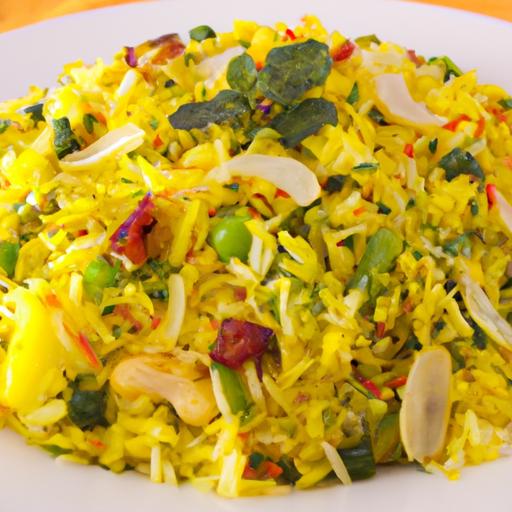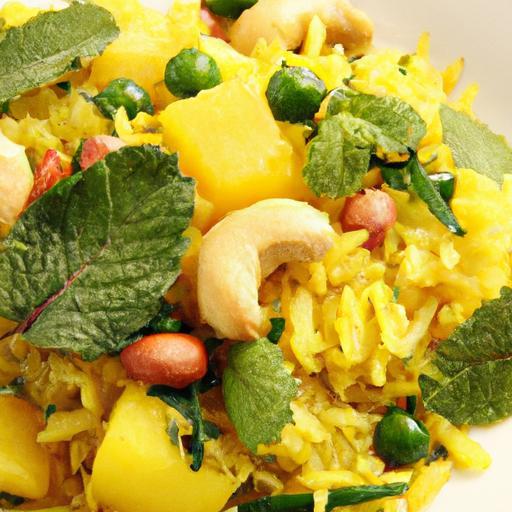
In the vibrant tapestry of Indian cuisine, few dishes boast the humble yet hearty charm of poha. This spiced flattened rice delight, often enjoyed as a comforting breakfast or a swift snack, carries with it a legacy as rich and varied as the regions it hails from.
From the sizzling tempering of mustard seeds and curry leaves to the subtle tang of fresh lemon and the crunch of roasted peanuts, poha is more than just flattened rice-it’s a symphony of textures and flavors that awakens the senses.
In this article, we delve deep into the origins, ingredients, and cultural significance of poha, uncovering the secrets behind its enduring popularity and the simple magic that turns humble grains into a beloved culinary treasure.
Poha Uncovered: Spiced Flattened Rice Delight Explored brings forward a culinary treasure from the heart of Indian kitchens. This iconic dish, made from flattened rice, is more than just a breakfast staple-it’s a cultural emblem that celebrates simplicity, tradition, and vibrant flavors. Originating predominantly in the western and central regions of India, poha carries with it stories of bustling markets, street vendors, and cozy family breakfasts.
Its light, fluffy texture paired with an aromatic blend of spices creates a comforting experience that has resonated through generations. For many, poha is a nostalgic comfort food, evoking mornings filled with warmth and community.
Prep and Cook Time
- Preparation: 10 minutes
- Cooking: 15 minutes
- Total: 25 minutes
Yield
Serves 4 generous portions
Difficulty Level
Easy – Perfect for both beginners and seasoned home cooks
Essential Ingredients and Flavor Profiles to Elevate Your Poha
- 2 cups flattened rice (poha), medium thickness
- 1 medium onion, finely chopped
- 1 medium potato, peeled and diced into small cubes
- 2 tablespoons oil (preferably mustard or peanut oil)
- 1 teaspoon mustard seeds
- 1 teaspoon cumin seeds
- 1-2 green chilies, finely chopped (adjust to taste)
- 10-12 curry leaves fresh
- ½ teaspoon turmeric powder
- 1 teaspoon sugar
- Salt to taste
- ½ cup roasted peanuts
- 2 tablespoons fresh coriander leaves, finely chopped
- Juice of 1 medium lemon
- Optional garnishes: freshly grated coconut, sev (crispy chickpea noodles)
Mastering the Art of Perfectly Fluffed spiced Rice
Before you begin, rinse the flattened rice gently under cold water until it softens but does not become mushy. Drain excess water thoroughly and let it sit covered. This step is crucial to achieving that distinct fluffy, yet tender bite.
When your spices sizzle in heated oil, the fragrance of mustard seeds popping and curry leaves releasing their essence will fill your kitchen, signaling the start of a flavorful journey. incorporate the diced potatoes early on so they cook through, marrying their subtle sweetness with the earthiness of cumin and warmth of turmeric. Gently combine soaked poha with the tempered spices and ingredients off the heat to avoid overcooking. The result? A bright, tender mound of delicately spiced flattened rice, each grain perfectly separate and juicy.
Instructions
- Rinse the poha gently in a colander under cold running water until it softens but remains intact. Drain fully and cover it with a lid to keep warm.
- Heat oil in a non-stick pan over medium heat. Add the mustard seeds and cumin seeds, allowing them to pop and release aroma for about 30 seconds.
- Add the chopped green chilies and curry leaves, sauté for 1 minute until they become fragrant.
- Stir in the diced potatoes and cook for 5-7 minutes, stirring occasionally, until they soften and turn golden brown.
- Add the finely chopped onions and cook until translucent, approximately 3-4 minutes.
- Sprinkle turmeric powder, salt, and sugar. Mix well to coat the vegetables evenly with the spices.
- Reduce heat to low and add the softened poha,stirring gently to combine without breaking the grains.
- Mix in the roasted peanuts and turn off the heat. Cover the pan and let the poha steam in its own warmth for 2 minutes to absorb all flavors.
- Squeeze fresh lemon juice over the poha and garnish generously with chopped coriander leaves. Optional: sprinkle with grated coconut or sev for texture contrast.
- Serve hot for a comforting and authentic experience.
Expert Tips for an Authentic Experience
- Choose medium-thick poha for best texture; thin poha may become mushy,while thick can be chewy.
- If preferred,soak poha for no longer than 2 minutes to prevent sogginess.
- Substitute mustard oil with peanut or sunflower oil if desired, but the distinct pungency of mustard oil is traditional.
- Add a handful of fresh peas or grated carrot while cooking for extra color and nutrition.
- Preparing the poha ahead? Store the cooked poha at room temperature and reheat gently with a splash of water to retain moisture.
- For a vegan twist, omit sev or use homemade chickpea flour crisps.
Serving Suggestions
This spiced flattened rice dish truly shines when served fresh and warm. Pair it with a side of tangy mint-coriander chutney to brighten the palate or a cooling bowl of plain yogurt. Finish with a sprinkle of freshly grated coconut or crunchy sev for a delightful texture contrast. Garnishes of lemon wedges on the side invite guests to tailor acidity to their liking.
Traditionally, poha is enjoyed with a hot cup of chai (Indian spiced tea) that beautifully complements its savory and earthy flavors.

| Nutrient | Per Serving |
|---|---|
| Calories | 180 kcal |
| Protein | 4 g |
| Carbohydrates | 32 g |
| Fat | 5 g |
For a richer dive into Indian street food delights and to complement your poha experience, explore this encyclopedic guide on Indian cuisine. Its culinary tapestry helps deepen thankfulness for how poha fits into the broader gastronomic culture.
Q&A
Q&A: Poha uncovered - Spiced Flattened Rice Delight Explored
Q1: what exactly is Poha?
A1: Poha is a traditional Indian dish made from flattened rice flakes. These delicate flakes are soaked briefly and then cooked with a medley of spices, vegetables, and sometimes nuts or seeds, resulting in a light, fluffy, and flavorful meal that can be enjoyed any time of day.
Q2: where does Poha originate from?
A2: Poha has roots in the Indian subcontinent, especially popular in regions like Maharashtra, Madhya Pradesh, and Gujarat.Each region offers its own twist, making Poha a versatile and beloved staple across India.
Q3: What makes Poha different from other rice dishes?
A3: Unlike traditional rice, poha uses flattened rice flakes which require no extensive cooking-just a quick soak or rinse to soften.This unique texture combined with savory spices and fresh ingredients creates a dish that’s lighter and quicker to prepare than typical rice meals.
Q4: What are the common ingredients used in Poha?
A4: Fundamental ingredients include flattened rice, mustard seeds, turmeric, green chilies, curry leaves, and fresh herbs like coriander. Many recipes also incorporate onions, potatoes, peas, groundnuts, and a squeeze of lemon for tanginess, harmonizing simple, everyday pantry staples.
Q5: How is Poha typically seasoned?
A5: Poha’s charm lies in its spicing. Mustard seeds, cumin, ginger, and fresh green chilies spark it with warmth and earthiness. A pinch of asafoetida and a dusting of turmeric add depth and color, while fresh coriander and lemon juice brighten the dish at the end.
Q6: can Poha be adapted for different dietary preferences?
A6: Absolutely! Poha is naturally gluten-free and vegan when prepared without dairy or ghee. You can boost its nutrition by adding mixed vegetables or roasted nuts and seeds,making it a wholesome breakfast,snack,or light meal for any diet.
Q7: What occasions are perfect for enjoying Poha?
A7: Poha shines as a breakfast favorite but also works beautifully as a mid-morning snack or a quick, satisfying meal when time is short. Its simplicity and gentle flavors invite cozy mornings and vibrant street food-style indulgence alike.
Q8: Are there interesting regional Poha variations worth exploring?
A8: Yes! In Maharashtra, Kanda Poha-with sautéed onions-is iconic. in Indore (Madhya Pradesh), the dish often features spicy sev and a splash of tangy raw mango. In the southern parts of India, Poha might get a coconut twist or a drizzle of mustard oil, highlighting regional palates.
Q9: What tips can help make the perfect Poha at home?
A9: Rinse the flattened rice gently and drain well to avoid sogginess.Use fresh spices and temper them in hot oil to release maximum aroma. Balance the flavors with tangy lemon and a bit of sweetness if desired. a sprinkle of roasted peanuts or fresh coriander leaves adds delightful texture and freshness.
Q10: Why has Poha remained a beloved dish through generations?
A10: Poha’s enduring popularity stems from its simplicity, adaptability, and comforting flavors. It’s easy to prepare, uses minimal ingredients, and offers a satisfying blend of textures and spices. This humble yet vibrant dish continues to unite families and communities around the breakfast table and beyond.
Wrapping Up
As our journey through the world of poha comes to a close, it’s clear that this humble dish is far more than just flattened rice tossed with spices. Poha embodies a rich tapestry of culture, flavor, and tradition, weaving together regional nuances and personal stories in every bite. Whether enjoyed as a comforting breakfast or a flavorful snack, poha’s versatility and spirited character continue to delight palates across generations and geographies.
So next time you savor this spiced flattened rice delight, remember-you’re not just tasting a meal, but uncovering a flavorful chapter of culinary heritage waiting to be explored again and again.