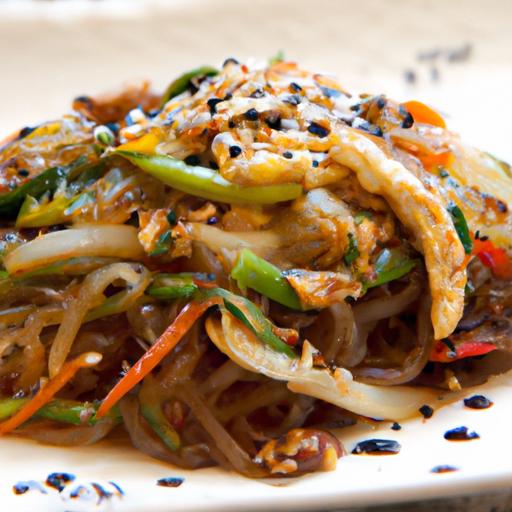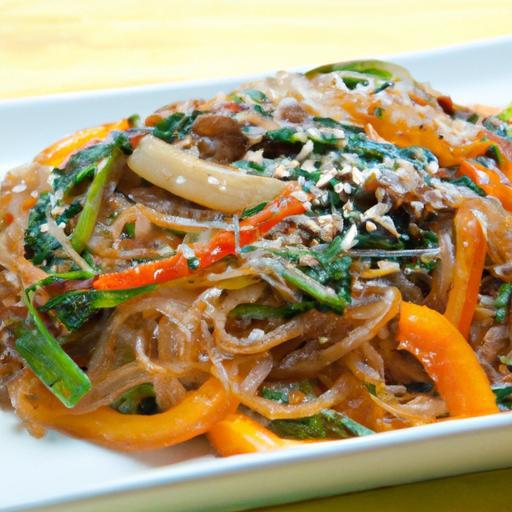
In the vibrant tapestry of Korean cuisine, few dishes captivate both the eye and palate quite like japchae.This shimmering medley of stir-fried glass noodles, infused with a harmony of colors, textures, and flavors, is more than just a meal-it’s a party on a plate. Japchae Unveiled: The Art of Korean Stir-Fried Glass Noodles invites you on a sensory journey into the origins, techniques, and cultural importance of this iconic dish.
From the delicate dance of sweet potato starch noodles to the crisp medley of vegetables and savory touches of soy and sesame,discover how japchae transforms humble ingredients into a masterpiece of culinary craftsmanship. Whether you’re a curious foodie or an aspiring home cook, this exploration promises to illuminate the secrets behind one of Korea’s most beloved traditional treasures.
Japchae Unveiled: The Art of Korean Stir-Fried Glass Noodles begins with a journey into the heart of Korea’s culinary heritage, where this celebrated dish transcends simple sustenance to embody celebration, harmony, and artistry. Originating during the Joseon Dynasty, japchae was traditionally served at royal banquets and festive occasions, symbolizing joy and prosperity. Its unique combination of chewy, translucent noodles and vibrant vegetables creates a sensory experience that is as visually captivating as it is flavorful.
Mastering japchae means understanding the delicate balance between technique and the essence of Korean flavor profiles-sweet soy, toasted sesame, and a touch of umami-all nestled within translucent glass noodles known for their signature texture. This dish not only highlights Korea’s tradition of stir-frying with precision but invites home cooks to elevate their skills through meticulous ingredient preparation and vibrant presentation.
Prep and Cook Time
- Preparation: 25 minutes
- Cooking: 15 minutes
- Total: 40 minutes
Yield
Serves 4 generous portions
Difficulty Level
Medium – Perfect for those ready to refine stir-frying technique and layering flavors
Ingredients
- 8 oz sweet potato starch glass noodles (dangmyeon)
- 2 tbsp sesame oil, divided
- 3 cloves garlic, minced
- 1 medium carrot, julienned
- 1 small yellow onion, thinly sliced
- 1 cup spinach, blanched and drained
- 4 shiitake mushrooms, stems removed and thinly sliced
- 1 red bell pepper, thinly sliced
- 3 green onions, cut into 2-inch pieces
- 3 tbsp soy sauce (use low sodium for better balance)
- 2 tbsp granulated sugar
- 1 tsp freshly ground black pepper
- 1 tbsp toasted sesame seeds, for garnish
- Cooking oil (preferably vegetable or canola oil), as needed
Instructions
- Prepare the noodles: Soak the sweet potato starch noodles in warm water for 20 minutes until pliable, then drain. Bring a large pot of water to a boil, and cook the noodles for about 6-7 minutes until they are just tender but still slightly chewy. Drain and rinse under cold water to stop cooking. Toss with 1 teaspoon sesame oil to prevent sticking and set aside.
- Vegetable prep: Heat a large skillet or wok over medium-high heat with 1 tablespoon vegetable oil. Sauté carrots and onions separately until just softened, about 3 minutes each, setting them aside on a plate to maintain texture and color.
- Mushrooms & spinach: In the same pan, add a little oil and briefly stir-fry the shiitake mushrooms until golden, about 4 minutes. Quickly sauté the blanched spinach with a pinch of salt and ½ teaspoon sesame oil, then set aside.
- Combine aromatics & seasoning: Reduce heat to medium, add 1 tablespoon sesame oil to the pan, and sauté the minced garlic until fragrant but not browned, about 30 seconds. Stir in soy sauce and sugar, stirring continuously until the sugar dissolves.
- assemble the japchae: Return all prepared vegetables to the pan. Add the cooked noodles and toss gently but thoroughly to blend all ingredients with the seasoning. Cook for an additional 2-3 minutes, adjusting seasoning with black pepper and extra soy sauce if needed. The goal is a glossy, well-coated noodle that glistens with flavor.
- Final touches: Toss in green onions just before removing from heat for a fresh bite and sprinkle generously with toasted sesame seeds for an inviting crunch.
Tips for Success
- For perfect glass noodles texture, avoid overcooking-they should remain slightly chewy, never mushy.
- Prep and sauté each vegetable individually to preserve its unique texture and radiant colors, which makes the dish visually stunning.
- Adjust sweetness and saltiness gradually; the balance of sweet soy and sesame is subtle but critical to authentic flavor.
- Use fresh sesame oil rather than toasted oil when frying garlic to keep garlic from burning and turning bitter.
- For a vegan variation, omit eggs (if used traditionally) or replace with thinly sliced firm tofu strips lightly pan-fried for protein.
- Make-ahead tip: Prepare noodles and vegetables separately and combine just before serving to keep textures fresh.
Serving Suggestions
Serve japchae as a stunning main or side dish paired with fragrant steamed rice and kimchi for a true Korean feast.Garnish with a scattering of finely chopped green onions, a sprinkle of toasted sesame seeds, and if desired, thin strips of egg crepe (without pork) for color contrast. Present japchae on a wide platter to display its vibrant medley of colors and noodles’ shimmering translucence-inviting your guests to savor every bite.

Nutritional information
| Nutrient | Per Serving |
|---|---|
| Calories | 280 kcal |
| Protein | 6 g |
| Carbohydrates | 45 g |
| Fat | 6 g |
For readers eager to explore further, consider pairing this recipe with our guide to classic Korean side dishes. To deepen your understanding of Korean culinary history, visit the Wikipedia entry on Japchae, a trusted resource with detailed cultural insights.
Q&A
Q&A: Japchae Unveiled – The Art of Korean Stir-Fried Glass Noodles
Q1: What exactly is Japchae, and why is it so beloved in Korean cuisine?
A1: Japchae is a delicious Korean dish made from sweet potato starch noodles-known as glass noodles-stir-fried with a vibrant mix of vegetables, marinated beef or tofu, and a savory-sweet sauce. Its allure lies in the perfect harmony of textures: chewy noodles, crisp veggies, and tender proteins, all wrapped in a glossy, flavorful coating. It’s cherished not only for its delightful taste but also as a festive dish frequently enough served during celebrations and special occasions.
Q2: What makes glass noodles unique compared to other types of noodles?
A2: Glass noodles, or dangmyeon, are made from sweet potato starch, giving them a translucent, glass-like appearance after cooking. Unlike wheat or rice noodles, they have a pleasantly chewy texture that holds up well under stir-frying. Their neutral flavor acts like a sponge, soaking up sauces beautifully, which is key to Japchae’s signature taste.
Q3: Which vegetables are traditionally used in Japchae, and why?
A3: Classic Japchae features a rainbow of vegetables-carrots, spinach, shiitake mushrooms, onions, and bell peppers are staples.Each adds its own texture and flavor dimension: crisp carrot slices contrast with tender spinach, while earthy mushrooms bring umami depth. The combination not only delivers a colorful presentation but also balances sweetness, earthiness, and freshness.
Q4: How does the marinade or sauce elevate the dish?
A4: The sauce is a delicate blend of soy sauce,sesame oil,sugar,garlic,and sometimes a touch of black pepper-simple ingredients that create a rich umami backbone without overpowering the ingredients. The balance between salty and sweet elements gives Japchae its addictive flavor, while sesame oil imparts a toasty, aromatic finish that truly elevates every bite.
Q5: Can Japchae be made vegetarian or vegan-friendly without losing its essence?
A5: Absolutely! Replacing beef with firm tofu or extra mushrooms keeps the protein element intact while enhancing the dish’s umami character. Omitting eggs or substituting them with thinly sliced marinated tofu also works beautifully. The heart of Japchae lies in the harmonious blend of textures and flavors, so thoughtful substitutions maintain its soul.
Q6: What are some tips for achieving the perfect texture and flavor balance in Japchae?
A6: Key tips include cooking the glass noodles just right-soft but resilient-then cooling and tossing them with sesame oil to prevent sticking. Stir-fry vegetables separately to preserve their crispness and vibrant colors, then combine everything gently. Lastly, adjust seasoning gradually, tasting often, to balance sweetness, saltiness, and nuttiness perfectly.
Q7: How has Japchae evolved over time, and how is it enjoyed today?
A7: While Japchae originated as a royal court delicacy, its popularity has spread across Korea and beyond, inspiring countless variations. Contemporary versions often incorporate new vegetables or plant-based proteins,catering to modern tastes and dietary needs.Regardless of tweaks, Japchae remains a beloved dish-served at family gatherings, street markets, and festive tables, uniting people through its captivating flavors and textures.
Q8: What cultural significance does Japchae hold in Korean society?
A8: Japchae is more than just food; it symbolizes celebration, harmony, and hospitality in Korean culture. Traditionally served during holidays and vital milestones, it represents the coming together of diverse ingredients-much like community and family. Sharing Japchae is a way to honor heritage, express care, and create joyful memories around the dining table.
Closing remarks
As the translucent strands of japchae glisten on your plate, you’re not just savoring a dish-you’re experiencing a vibrant tapestry woven from centuries of Korean tradition, flavor, and artistry.
This delicate balance of textures and colors, from the tender glass noodles to the crisp vegetables and savory sauce, reveals the meticulous craft behind every stir-fried bite.
Whether enjoyed during festive celebrations or as a comforting everyday meal, japchae invites you to explore the harmony of ingredients that elevate a simple dish into a culinary masterpiece. So next time you twirl those glossy noodles around your chopsticks, remember: you’re indulging in more than food-you’re tasting a story.