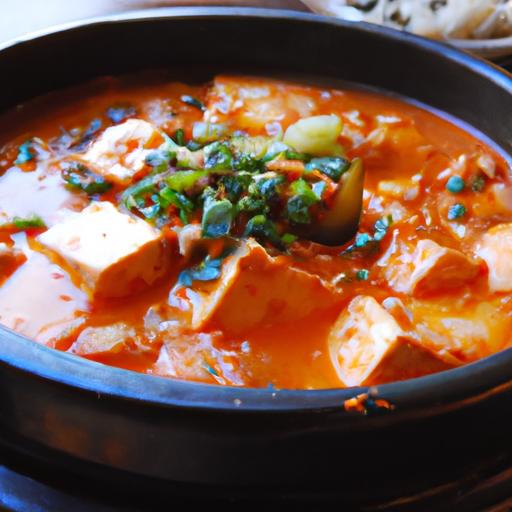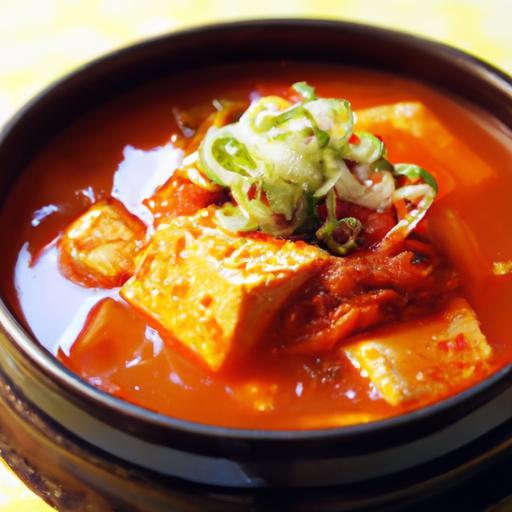
There’s a certain magic in the comforting embrace of a steaming bowl of sundubu jjigae-a Korean stew that transforms the humble soybean into a silken, velvety sensation. Known for it’s vibrant red broth and delicate, cloud-like tofu, sundubu jjigae is more than just a dish; it’s a cultural experience that captures the essence of Korea’s culinary soul. In this article, we’ll dive into the origins, ingredients, and savor-worthy nuances of this beloved soft tofu stew, inviting you to discover why sundubu jjigae has become a cherished comfort food for generations and a must-try for adventurous palates around the world.
Savoring sundubu Jjigae: Korea’s Silky Soft Tofu Stew Delight
Savoring Sundubu Jjigae brings you into the heart of Korean culinary tradition with its warm, comforting, and velvety soft tofu stew. This dish perfectly balances delicate textures and bold, spicy flavors to create a harmony that has captivated food lovers for generations. Originating from the southern coastal regions of Korea, Sundubu Jjigae (순두부찌개) celebrates silken tofu as the star ingredient, simmered in a fiery yet savory broth that reflects both simplicity and sophistication.
Prep and Cook Time
- Prep time: 15 minutes
- Cook Time: 25 minutes
- Total Time: 40 minutes
Yield
Serves 4 hearty portions
Difficulty Level
Medium – Accessible for cooks with some experience in layering Korean flavors
Ingredients
- 2 cups soft (silken) tofu, freshly unpacked
- 1 tbsp vegetable oil (or sesame oil for extra aroma)
- 3 cloves garlic, minced
- 1 small yellow onion, thinly sliced
- 1 long green chili, sliced thin
- 2 tbsp gochugaru (Korean red chili flakes)
- 1 tbsp gochujang (korean chili paste)
- 4 cups anchovy broth (or vegetable broth for vegetarian option)
- 100g, firm seafood like clams or mussels, cleaned (optional)
- 1 tbsp soy sauce
- 1 tsp sugar
- 2 eggs (optional but traditional)
- 2 stalks green onions, chopped
- Salt, to taste
Instructions
- Prepare the broth: If using dried anchovies and kelp, simmer them in 5 cups of water for 10 minutes than strain. Alternatively, use a high-quality vegetable broth for a lighter version.
- Sauté aromatics: Heat the vegetable oil over medium heat in a Korean earthenware pot or a heavy-bottomed saucepan.Add garlic and sliced onions and sauté until fragrant and translucent, about 3-4 minutes.
- Build the spice base: Stir in gochugaru and gochujang, frying for 1 minute to release thier smoky, deep flavors.This step is crucial for authentic chili depth.
- Add broth and seasonings: Pour in 4 cups of the broth and bring it to a gentle boil. Season with soy sauce and sugar. Taste and adjust salt as needed.
- Add seafood (optional): If using clams or mussels, add them now and cook for about 5 minutes until they open fully.
- Spoon in the soft tofu: Gently break the silken tofu into large spoonfuls directly into the bubbling stew. do not stir vigorously to preserve its silky texture.
- Simmer briefly: Let the stew simmer for 3-5 minutes until the tofu is heated through but still retains its creamy softness.
- Finish with egg and greens: Crack an egg on top of the steaming stew. Cover the pot and let it cook for 1-2 minutes for a delicate poach. Sprinkle chopped green onions as garnish.
- Serve hot: Serve instantly with steaming white rice and an array of banchan (Korean side dishes).
Chef’s Notes: Tips for Success
- Selecting tofu: For the authentic silky-soft texture, choose unpressed silken tofu sold in tubs, not blocks. These hold moisture and melt beautifully in the stew.
- Broth alternatives: If anchovy broth is unavailable, use a combination of mushroom broth and kelp for an umami-rich vegetarian base.
- Adjust spice level: Start with 1 tablespoon of gochugaru, then add more at the end if you like your stew fiery.
- Make ahead: Broth and spice base can be prepared a day in advance for faster assembly.
- Egg variations: Omit the egg for vegan versions or swap with silken tofu “egg” alternatives for plant-based diets.
Serving Suggestions
Present Sundubu Jjigae bubbling hot in traditional korean stone pots to retain heat and enhance the rustic,authentic dining experience. Garnish with fresh green onions, a sprinkle of sesame seeds, and a dash of chili threads for visual drama. Serve alongside warm steamed rice and classic kimchi varieties-baechu kimchi or kkakdugi’s mild crunch contrast beautifully with the stew’s rich and silky texture. To elevate your meal, offer crispy Korean scallion pancakes for an indulgent side. For drinks, pair with a light, chilled rice drink like makkoli or a crisp barley tea to balance the stew’s deep flavors.
| Nutrient | Per Serving |
|---|---|
| Calories | 280 kcal |
| protein | 20 g |
| Carbohydrates | 15 g |
| Fat | 12 g |

For a deeper dive into korean stews and traditional cooking methods, explore our Mastering Korean Stews section. To learn more about the cultural heritage of Korean tofu dishes, visit Korean Food Foundation.
Q&A
Q&A: Savoring Sundubu Jjigae – Korea’s Silky Soft Tofu Stew Delight
Q1: What exactly is Sundubu jjigae?
A1: Sundubu Jjigae is a beloved Korean stew centered around sundubu, which means extra soft tofu. This dish features silky tofu simmered in a spicy, savory broth often enriched with vegetables, seafood, or beef, creating a comforting harmony of textures and flavors that warms the soul.
Q2: What gives Sundubu Jjigae its distinctive silky texture?
A2: The magic lies in the sundubu itself-a special type of unpressed,ultra-soft tofu that is custard-like in consistency.Unlike firmer tofu varieties, sundubu gently melts on the tongue, offering a luscious mouthfeel that makes every spoonful a velvety experience.
Q3: How is Sundubu Jjigae traditionally prepared?
A3: Traditionally, the stew is crafted by sautéing garlic and Korean chili paste (gochujang) or powder (gochugaru) in a hot stone pot, then adding broth and the soft tofu. Ingredients like mushrooms, zucchini, and shellfish or beef are simmered alongside, infusing the stew with layers of umami and spice. a raw egg is often cracked on top,poaching gently in the hot stew for extra richness.
Q4: Can Sundubu Jjigae be made vegetarian or vegan?
A4: Absolutely! While seafood or beef are popular additions, the stew’s soul can shine just as brightly with mushrooms, tofu alone, seaweed, and a vegetable broth base. Replacing any fish sauce with a plant-based seasoning keeps the deep flavor while ensuring it fits vegetarian or vegan diets.
Q5: What makes Sundubu Jjigae different from other Korean stews?
A5: The hallmark is the ultra-soft tofu and the way it’s cooked fresh, bubbling in a stone pot that keeps the stew piping hot throughout the meal. This allows the person enjoying it to savor the stew at their own pace, occasionally stirring in the softly poached egg or dipping spoonfuls of rice to balance the bold heat.
Q6: How should Sundubu Jjigae be eaten for the best experience?
A6: Dive in while it’s still steaming hot! Spoon the tofu and broth over a bowl of steamed rice to mellow out the spice, and enjoy the contrasting textures – creamy tofu, tender vegetables, and the occasional burst of heat from chili paste.Eating from the stone pot creates a cozy, intimate dining experience that invites you to linger over every bite.
Q7: Are there regional variations of Sundubu Jjigae in Korea?
A7: Yes! Coastal regions often feature fresh seafood like clams or mussels,while inland areas might emphasize beef or a heartier vegetable mix. Some versions are milder, allowing the natural sweetness of the tofu to shine, while others pack a fiery punch for those who crave bold spice.
Q8: What drinks or side dishes traditionally accompany Sundubu Jjigae?
A8: Sundubu Jjigae is commonly served alongside an array of banchan – small Korean side dishes like kimchi, pickled radishes, and seasoned spinach – which provide contrasting flavors and textures. Refreshing cold barley tea or makgeolli (a traditional Korean rice drink) complement the stew’s robust warmth perfectly.
Q9: Can I make Sundubu Jjigae at home without special ingredients?
A9: Yes! While authentic Korean chili paste and soft tofu offer the best results, manny grocery stores now carry sundubu and gochujang.Using vegetable broth and common vegetables can get you close to the experience,and experimenting with familiar proteins like seafood or beef will give your stew authentic depth.
Q10: Why has Sundubu Jjigae become such an iconic Korean dish worldwide?
A10: Sundubu Jjigae beautifully balances comfort and complexity – the creamy softness of tofu paired with fiery, flavorful broth. It’s nourishing,customizable,and embodies the essence of Korean home cooking. Its appeal lies in how it can warm the body and heart, making it a beloved ambassador of Korean cuisine around the globe.
Wrapping Up
As the last warm spoonful of sundubu jjigae melts slowly on your tongue, you’re left not just with a satisfied appetite but with a deeper thankfulness for a dish that embodies Korean culinary artistry. This silky soft tofu stew,with its harmonious blend of spice,broth,and texture,is more than comfort food-it’s a flavorful gateway to Korea’s rich food heritage.
Whether enjoyed in a bustling seoul eatery or recreated in your own kitchen, savoring sundubu jjigae invites you to experience the soul of Korean cuisine, one gentle, steaming bowl at a time. So next time you seek a meal that’s both nourishing and evocative, remember this delicate stew, where tradition and taste intertwine in perfect harmony.