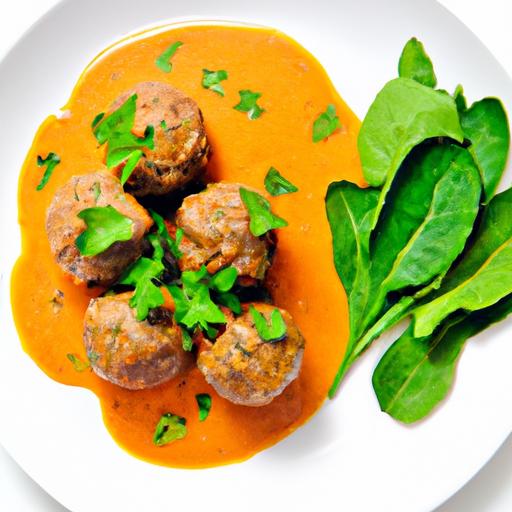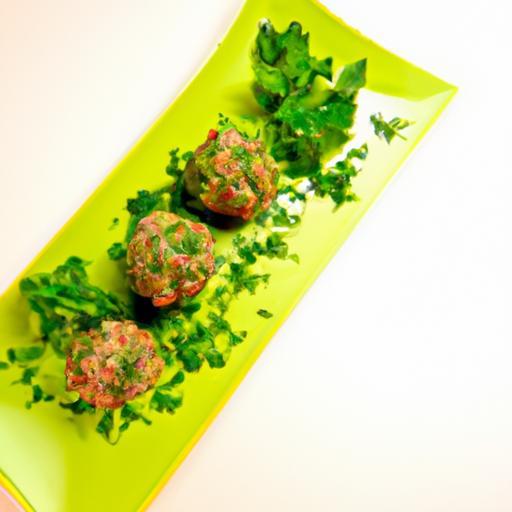
Swedish meatballs have long held a cherished place on dinner tables around the world,their rich,comforting flavors evoking cozy family gatherings and classic Nordic heritage.
But what if this beloved staple could be transformed into something both familiar and entirely new-deliciously plant-based, lasting, and kind to the planet? Enter the world of Swedish meatballs reimagined: where conventional spices and savory sauces meet innovative ingredients, crafting a culinary experience that honors the past while embracing the future.
In this article, we’ll explore how these iconic bites are being reinvented, delivering the same hearty satisfaction with a modern, plant-powered twist.
Exploring the Roots of Swedish Meatballs and Their Modern Plant-Based Twist
Swedish Meatballs, Reimagined: A plant-Based Delight transports you on a culinary journey that honors the iconic dish’s rich history while celebrating a vibrant, vegan transformation. Originating in the 18th century, traditional Swedish meatballs embody comfort through tender, seasoned meat paired with a luscious gravy.
This plant-based rendition captures that nostalgic essence by incorporating hearty ingredients and aromatic spices, ensuring every bite is as satisfying as the original.
When I first encountered Swedish meatballs, the harmony of flavors and textures left an indelible impression. Transforming that classic recipe into a plant-based creation has been a joyous challenge-proving that you don’t need animal products to achieve that irresistible creaminess and tender bite. This recipe invites you to savor a luxurious Swedish feast, replete with the umami depth of traditional seasonings and a lush, creamy sauce.
Prep and Cook Time
- Preparation: 25 minutes
- Cooking: 20 minutes
- Total Time: 45 minutes
Yield
- 4 servings (approximately 24 meatballs)
Difficulty Level
- Medium – approachable for home cooks with some experience in vegan cooking
Key Ingredients That Bring Authentic Flavor to Vegan Swedish Meatballs
- 1 cup cooked brown lentils – lending earthiness and protein
- 1/2 cup cooked quinoa – adds structure and a slightly nutty flavor
- 3/4 cup finely chopped yellow onion – caramelized for sweetness
- 2 cloves garlic, minced - aromatic depth
- 1/2 cup panko breadcrumbs – for light, tender texture
- 1/4 cup rolled oats, ground into flour – natural binder and subtle chew
- 2 tablespoons finely chopped fresh parsley – fresh herbaceous note
- 1 teaspoon ground allspice – signature Swedish spice
- 1 teaspoon ground nutmeg – warm undertone
- 2 tablespoons soy sauce or tamari – umami boost
- 1 tablespoon ground flaxseed mixed with 3 tablespoons water – egg replacer
- Salt and freshly ground black pepper – to season meticulously
- Oil for frying – neutral oil such as sunflower or avocado
Step by Step Guide to Creating Perfectly Tender Plant-Based Meatballs
- Prepare the flax egg: In a small bowl, combine ground flaxseed with water and let it thicken for 5 minutes.
- Sauté the aromatics: Heat a tablespoon of oil in a skillet over medium heat. Add the chopped onion and sauté until golden and translucent, about 7 minutes. Stir in the garlic and cook for 1 more minute until fragrant. set aside to cool slightly.
- Combine base ingredients: In a large bowl, mash the cooked lentils with a fork or potato masher until mostly smooth but with some texture remaining.
- Mix all components: Add the cooked quinoa, cooled onion-garlic mixture, panko breadcrumbs, ground oat flour, parsley, allspice, nutmeg, soy sauce, flax egg, salt, and pepper.Mix thoroughly but gently until everything comes together into a moist, pliable dough.
- Form meatballs: Wet your hands slightly and shape the mixture into small, uniform balls about 1.5 inches in diameter, placing them on a lined baking sheet.
- Cook to perfection: Heat 2 tablespoons of oil in a large skillet over medium heat. Fry the meatballs in batches, turning occasionally, until golden brown and crisp on all sides, about 8-10 minutes total. Remove and drain on paper towels.
- Simmer in sauce: Transfer browned meatballs to your preferred plant-based cream sauce (recipe linked below) and simmer gently for 5 minutes to infuse flavor and ensure tenderness.
Chef’s Notes: Tips for Success
- Consistency is key: If the mixture feels too wet, add more breadcrumbs or oat flour a tablespoon at a time.If too dry, add a splash of vegetable broth or non-dairy milk.
- Oven-baking option: For a lighter version, bake meatballs at 375°F (190°C) on a parchment-lined tray for 15-18 minutes, flipping halfway through.
- Make ahead: Prepare meatballs up to forming stage and freeze before cooking. Thaw completely before frying or baking.
- Substitutions: Chickpeas or black beans work in place of lentils, and millet can replace quinoa for a different texture.
Serving Suggestions and Sauces to Elevate Your Plant-Based Swedish Feast
For a truly authentic experience, serve these plant-based Swedish meatballs over a bed of creamy mashed potatoes, ideally made with vegan butter and a splash of almond or oat milk for richness. Fresh lingonberry jam or a tangy homemade cranberry sauce provides a vibrant, sweet counterpoint that perfectly balances the savory spices.
Don’t overlook the power of a luscious sauce – a dairy-free creamy gravy crafted from mushrooms, onions, vegetable broth, and plant-based cream is ideal. Pour generously over the meatballs to envelop each bite in silky comfort.
For color and freshness, garnish with finely chopped parsley and a sprinkle of cracked black pepper. A side of steamed green beans or sautéed mushrooms adds earthiness and texture contrast, rounding out the meal beautifully.
Fast Vegan Cream Sauce for Swedish Meatballs
- Sauté 1/2 cup finely chopped onion and 1/2 cup mushrooms in 1 tablespoon vegan butter until soft and caramelized.
- Whisk in 2 tablespoons all-purpose flour; cook 2 minutes.
- Slowly add 1 1/2 cups vegetable broth, whisking continuously to avoid lumps.
- Stir in 1/2 cup unsweetened plant-based cream, 1 tablespoon soy sauce, salt, and pepper.
- Simmer until thickened, about 5 minutes.
| Nutrient | Per Serving |
|---|---|
| Calories | 320 kcal |
| Protein | 15 g |
| Carbohydrates | 40 g |
| Fat | 8 g |
discover more vegan-amiable sauces to complement your plant-based Swedish meatballs for a dazzling dining experience.
For historical context and the origins of this beloved dish, visit Britannica’s Swedish meatball overview.

Q&A
Q&A: Swedish Meatballs, Reimagined: A Plant-Based Delight
Q1: What inspired the creation of plant-based Swedish meatballs?
A1: The idea was sparked by a desire to honor the beloved flavors of classic Swedish meatballs while embracing a more sustainable and compassionate approach to cooking. By reimagining this traditional dish with plant-based ingredients, we open up new possibilities for those seeking nutritious, tasty, and environmentally friendly meals.
Q2: How do plant-based Swedish meatballs replicate the texture of the original?
A2: The key lies in combining hearty ingredients like cooked lentils, chickpeas, or textured vegetable protein (TVP) with finely chopped mushrooms, oats, and flaxseed or chia egg substitutes. These components create a satisfying bite with just the right balance of firmness and tenderness, mimicking the familiar mouthfeel of meatballs.
Q3: What flavors are essential to capturing the classic Swedish meatball taste?
A3: A rich blend of warming spices such as allspice and nutmeg is essential, along with sautéed onions and garlic to build depth. The savory umami notes frequently enough come from mushrooms or a touch of soy sauce or tamari. A creamy, tangy gravy-traditionally made with vegetable broth and plant-based cream-rounds out the dish perfectly.
Q4: Are there any special tips for cooking plant-based Swedish meatballs to perfection?
A4: Absolutely! Chill the mixture before forming the meatballs; this helps them hold their shape during cooking. Pan-sear them over medium heat to achieve a golden crust, then finish cooking gently in the sauce to infuse them with flavor and keep them moist.
Q5: Can this plant-based recipe accommodate dietary restrictions?
A5: Yes! This recipe can easily be adapted for gluten-free diets by using gluten-free oats or breadcrumbs. It’s naturally free from dairy and eggs when utilizing plant-based substitutes, making it suitable for vegans and those with lactose intolerance.
Q6: What side dishes pair well with plant-based Swedish meatballs?
A6: Traditional accompaniments like creamy mashed potatoes or buttery vegan mashed cauliflower complement the meatballs beautifully. Lingonberry jam or a tart berry compote adds a bright, sweet contrast. steamed vegetables or a fresh green salad can provide balance and color to the plate.
Q7: How does choosing plant-based Swedish meatballs impact the environment?
A7: Opting for plant-based ingredients substantially reduces greenhouse gas emissions and water usage compared to animal agriculture. It also encourages a diet rich in whole foods that supports personal health and planetary wellbeing-making each bite a small act of kindness toward the Earth.
Q8: Where can someone find ingredients for plant-based Swedish meatballs?
A8: Most ingredients are widely available at regular grocery stores. Specialty items like textured vegetable protein or vegan cream alternatives might be found at health food stores or online. fresh mushrooms, lentils, and spices are staple pantry items, ensuring this recipe is accessible and convenient.
This Q&A aims to inspire and inform anyone curious about bringing a plant-based twist to a Swedish comfort food classic-delivering flavor and tradition without compromise.
In Conclusion
As the kitchen fills with the comforting aroma of these plant-based Swedish meatballs, it becomes clear that tradition and innovation can dance on the same plate. By reimagining a beloved classic through the lens of plant-based ingredients, we not only honor the rich culinary heritage of Sweden but also embrace a more sustainable and inclusive future.
whether your a devoted carnivore curious about new flavors or a seasoned plant-based eater seeking familiar comforts, these Swedish meatballs invite everyone to savor a dish where nostalgia meets nourishment-with a compassionate twist. So why not roll up your sleeves and give this delightful recipe a try? Your taste buds-and the planet-will thank you.