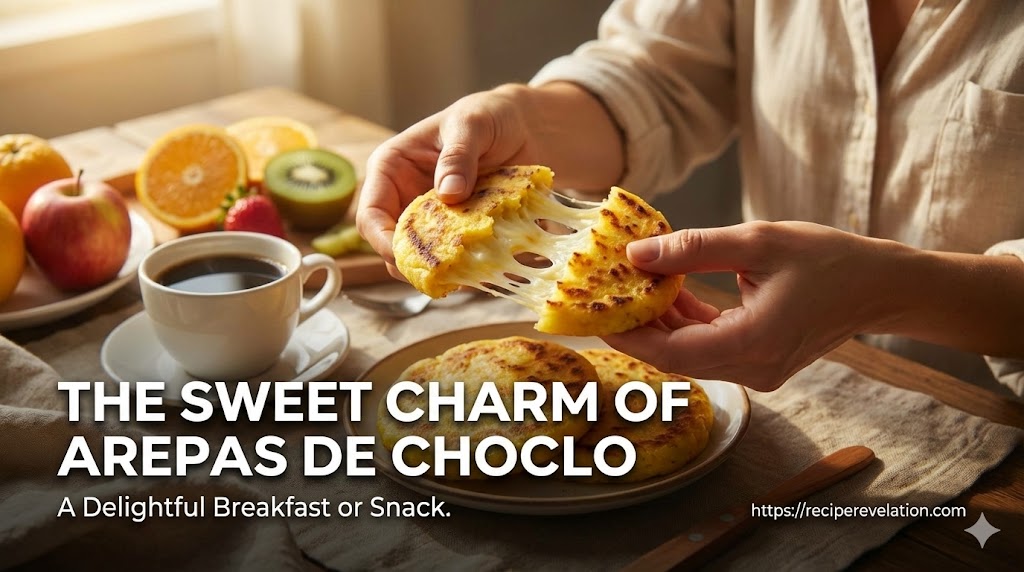
In the vibrant mosaic of Latin American cuisine,few treats capture the heart and palate quite like the beloved arepa. Among its many regional variations, the Arepa de Choclo shines with a golden glow-both literally and figuratively-offering a sweet, comforting bite that tells a story of tradition, nature’s bounty, and culinary artistry.
These “Golden Bites” invite food lovers on a sensory journey through the lush cornfields where fresh kernels meet the warmth of a griddle, transforming simple ingredients into a dish that’s as rich in flavour as it is in cultural significance. Join us as we explore the sweet charm of Arepas de Choclo, uncovering the secrets behind their irresistible taste and the heritage they embody.
Discovering the Sweet Charm: The Origins and Cultural Significance of Arepas de choclo
Golden Bites: Exploring the Sweet Charm of Arepas de Choclo invites you on a flavorful journey through the rich culinary traditions of Colombia and Venezuela.
These tender, golden corn cakes-known as arepas de choclo-carry centuries of indigenous heritage and the vibrant soul of Latin American street food culture. unlike their savory counterparts, these arepas celebrate the natural sweetness of fresh corn, transforming simple ingredients into a comforting symbol of family gatherings, local festivals, and morning markets bustling with life.
Rooted in the Andean regions, arepas de choclo blend the lushness of sweet corn with a touch of fresh cheese, giving them an irresistibly creamy texture and a caramelized golden crust. This dish is more than just a meal-it’s a warm embrace of history, community, and the joyful simplicity of rustic cooking.
Key Ingredients That Define the Flavor Profile
The enchanting taste of arepas de choclo hinges on the freshness and balance of a handful of star ingredients. Here’s what makes their flavor irresistibly unforgettable:
- Fresh corn kernels: The cornerstone, providing natural sweetness and moisture.
- Queso fresco (or mozzarella): Adds soft, melted creaminess that pairs beautifully with the corn.
- All-purpose flour: Just enough to bind the batter and give structure without overpowering.
- Butter: For richness and to achieve the hallmark golden crust.
- Sugar: A subtle hint that enhances the corn’s natural sweetness.
- Salt: Balances flavors and intensifies the sweet-savory harmony.
Prep and Cook Time
- Readiness: 15 minutes
- Cooking: 12 minutes
- Total: 27 minutes
Yield
About 6 medium-sized arepas
Difficulty Level
Easy – Perfect for home cooks eager to explore Latin American flavors.
Step-by-Step Guide to Making Perfect Arepas de Choclo at Home

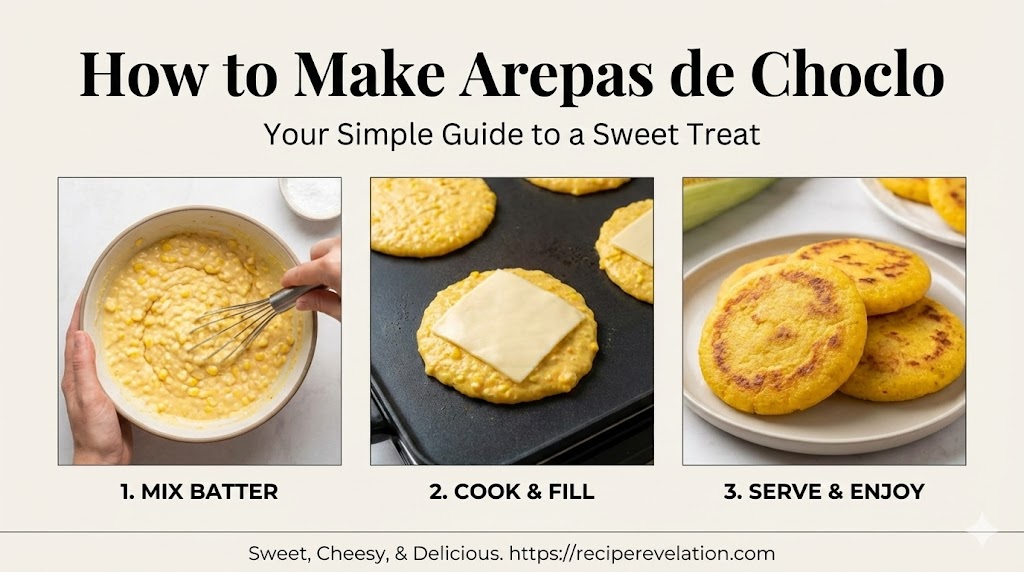
- Prepare the corn: Using fresh ears of corn, carefully shave off the kernels with a sharp knife. For a silky batter,pulse the corn in a food processor until coarsely ground but still textured.
- create the batter: In a mixing bowl, combine the ground corn with 1 cup all-purpose flour, sifted, 1 tablespoon sugar, and 1/2 teaspoon salt. mix well.
- Add cheese and butter: Fold in 1 cup crumbled queso fresco or shredded mozzarella and 3 tablespoons melted butter to give the batter that luscious, creamy finish.
- Consistency check: The batter should be thick but spoonable. If too wet, add a touch more flour.
- Preheat the pan: Heat a non-stick skillet or griddle over medium heat, greasing it lightly with butter or oil.
- Shape and cook: Using wet hands, shape the batter into small, flat rounds about 4 inches wide and ¾-inch thick.
- Golden crust formation: Cook each arepa for about 5-6 minutes per side, until a golden, caramelized crust forms, flipping carefully to maintain shape.
- Rest before serving: Remove from the pan and let cool slightly to set the texture and allow the cheese to meld perfectly.
Tips for Success
- Freshness is key: Whenever possible, use freshly shucked corn as the natural sweetness and moisture elevate the dish immeasurably.
- Dairy variations: If queso fresco isn’t available, mild mozzarella or farmer’s cheese offers a great substitute.
- Batter texture: Avoid thinning the batter too much; a dense, slightly sticky consistency ensures tender yet structurally sound arepas.
- Cooking temperatures: Maintain medium heat to prevent burning while achieving a perfect crust.
- Make-ahead: Batter can be refrigerated up to 12 hours; bring to room temperature before cooking.
- Vegan option: Replace cheese and butter with plant-based alternatives and increase a bit of oil for richness.
Pairing Suggestions and Serving Ideas for an Elevated Experience
Arepas de choclo are delightfully flexible, pairing beautifully with a variety of accompaniments that enhance their natural sweetness and creamy texture.
- Fresh fruit salsa: Diced mango, pineapple, and mint add a refreshing, tropical contrast.
- Avocado slices: Creamy avocado brings a smooth,buttery balance.
- Herb-infused sour cream or crema: A cool, tangy drizzle cuts through the sweetness perfectly.
- Spicy ají or cilantro chimichurri: Add a bold, herbal kick for those who love a little heat.
- A side of black beans or lentil stew: Complements the arepas with protein and earthiness for a filling meal.
For a visually stunning presentation, garnish with edible flowers or finely chopped fresh herbs like chives or cilantro. Serve on rustic wooden boards or colorful ceramic plates to honor the dish’s vibrant cultural roots.
| Nutritional Info (per arepa) | Calories | Protein | Carbs | Fat |
|---|---|---|---|---|
| Arepa de Choclo | 140 kcal | 4 g | 22 g | 4 g |

For more culinary adventures with Latin American flavors, check out our detailed guide on Ultimate Empanada Recipes. To deepen your understanding of corn’s cultural importance, visit National Geographic’s feature on corn.
Q&A
Q&A: Golden Bites – Exploring the Sweet Charm of Arepas de Choclo
Q1: What exactly are Arepas de Choclo?
A1: Arepas de Choclo are delightful corn pancakes originating from Latin America, especially popular in countries like Colombia and Venezuela. Unlike the customary savory arepas made from white or yellow cornmeal,these golden treats use fresh,sweet corn kernels blended into a batter,offering a naturally sweet and tender bite that’s quite irresistible.
Q2: How do Arepas de Choclo differ from regular arepas?
A2: while traditional arepas rely on pre-cooked corn flour and have a more neutral, slightly savory flavor, Arepas de Choclo lean into the natural sweetness of fresh corn. This gives them a softer, more luscious texture, almost custard-like inside, and a subtle honeyed flavor, making them the perfect snack or dessert canvas.
Q3: What ingredients bring arepas de Choclo to life?
A3: The magic ingredients include fresh corn kernels, sugar to enhance sweetness, a touch of butter, and sometiems a sprinkle of cheese like mozzarella or queso fresco which adds creaminess and a hint of saltiness to balance the sweet corn. some versions also add a dash of cinnamon or vanilla for extra warmth and aroma.
Q4: How are Arepas de Choclo traditionally cooked?
A4: Traditionally, the batter is cooked on a hot griddle or skillet, forming small, thick pancakes with a golden crust.Once cooked, they develop a caramelized exterior while maintaining a soft, moist interior. In some regions, they’re finished with a speedy broiling to melt the cheese on top, creating a gooey, inviting finish.
Q5: What makes Arepas de Choclo so beloved in their home countries?
A5: Beyond their sweet,comforting taste,Arepas de Choclo carry cultural significance. They evoke family gatherings, street festivals, and the warmth of home kitchens. Their vibrant yellow hue reflects the sunny cornfields of Latin America, while their flavor bridges generations, inviting people to share simple joy over a humble yet deeply satisfying bite.
Q6: Can Arepas de Choclo be enjoyed beyond traditional settings?
A6: Absolutely! These golden bites have transcended their roots, inspiring chefs worldwide to experiment with fillings like fresh fruit, honey, or even savory accents such as avocado or smoked meats. their versatility makes them perfect for breakfast, dessert, or a snack that invites creativity.
Q7: What drink pairs perfectly with Arepas de Choclo?
A7: The naturally sweet and rich profile of Arepas de Choclo pairs beautifully with a cup of fresh coffee or a creamy hot chocolate. For a refreshing twist, try them alongside a cool glass of fruit-infused agua fresca or a lightly spiced chai tea to complement their warmth and sweetness.
Q8: If I want to try making Arepas de Choclo at home, any tips?
A8: Go for the freshest corn you can find to capture that sweet, juicy flavor. Blend the kernels carefully into a slightly chunky batter to retain texture. Don’t rush the cooking-low and slow on the griddle ensures a nicely caramelized crust without drying out the tender inside.And remember, a sprinkle of cheese on top before finishing adds an irresistible gooey touch.
Q9: How does Arepas de Choclo reflect wider culinary traditions?
A9: These corn cakes encapsulate the essence of Latin American cooking-celebrating local ingredients,blending sweet and savory,and creating dishes rooted in community and sharing. They stand as a testament to corn’s central role in the region’s history and cuisine, transforming a simple grain into a golden symbol of cultural pride and comfort.
Q10: why call them “Golden Bites”?
A10: The name captures both their radiant golden color and the joyful experience of savoring each bite. Arepas de Choclo are little nuggets of sunshine-nourishing, warm, and sweetly inviting, offering a moment of golden pleasure in every mouthful.
Key Takeaways
As we close the chapter on our flavorful journey through the world of Arepas de Choclo, it’s clear that these golden bites hold more than just corn and cheese-they carry a rich heritage and a promise of comfort with every warm, slightly caramelized mouthful.
Whether enjoyed on bustling street corners or in the heart of a family kitchen, Arepas de Choclo invite us to savor tradition in its sweetest form. So next time you crave a snack that’s both simple and enchanting, let the charm of these delicate corn cakes transport you to sunlit fields and vibrant markets where culture and flavor intertwine.Golden bites, indeed-each one a flavorful story waiting to be told.