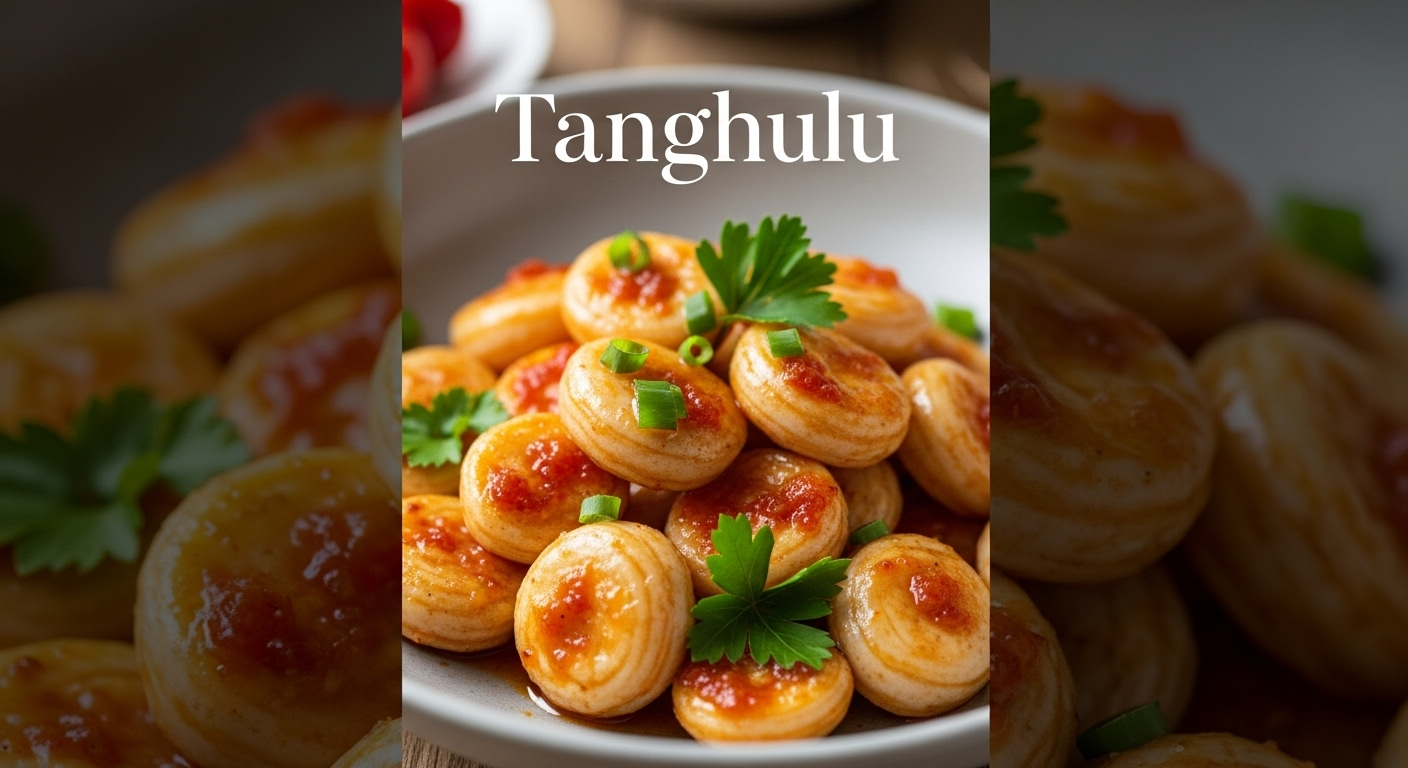
Imagine biting into a jewel-like orb, its glossy, crimson surface crackling delightfully beneath your teeth, revealing the juicy, tart fruit within. This is tanghulu-a conventional Chinese treat that transforms humble fruits into a dazzling spectacle of sweetness and crunch. More than just a street snack, tanghulu is a vibrant expression of culinary artistry, where the perfect balance of crisp caramelized sugar and fresh fruit creates a sensory experience both nostalgic and novel. In this article, we’ll delve into the enchanting world of tanghulu, uncovering its rich history, the secrets behind its irresistible glaze, and why this simple candied fruit skewer continues to captivate taste buds around the world.
Tanghulu: The Sweet Art of Crispy Candied Fruit Skewers brings a delightful crunch and a burst of natural sweetness to your palate-a beloved Chinese street snack that straddles the line between simple pleasure and cultural icon. Originating centuries ago during the Song Dynasty, tanghulu was traditionally crafted with hawthorn berries, prized not only for their tartness but also for their medicinal properties.This candied fruit skewer transcended generations, becoming a nostalgic symbol of childhood winters and bustling market scenes across China. Its shimmering, translucent sugar shell encases juicy fruit, offering a perfect balance of tangy and sweet with every bite.
Prep and Cook Time
- Planning: 15 minutes
- Cooking: 10 minutes
- Total: 25 minutes
Yield
Serves 6 skewers (about 24 pieces of fruit)
Difficulty Level
Easy to Medium – requires attentive candying
Ingredients
- 24 fresh hawthorn berries (or substitute with strawberries, grapes, or cherry tomatoes)
- 1 cup granulated sugar
- 1/3 cup water
- Optional: 1 tbsp light corn syrup (for smoother sugar texture)
- 6 bamboo skewers
- Vegetable oil (for lightly oiling surfaces and hands)
Instructions
- prepare the fruit: Rinse hawthorn berries (or chosen fruit) thoroughly and pat dry with paper towels. Insert 4 berries per skewer,leaving a small gap between each for even coating.
- Oil your workspace: Lightly grease a baking sheet or marble slab where the skewers will rest-this prevents sticking once dipped in sugar syrup.
- Make the sugar syrup: In a medium saucepan, combine granulated sugar, water, and corn syrup (if using). Stir gently over medium heat until sugar dissolves.
- Boil to hard crack stage: Clip a candy thermometer to the saucepan. Without stirring, let the syrup boil until it reaches 300°F (150°C). This ensures a crisp, glassy shell.
- Dip the skewers: Working quickly, hold each skewer by the bottom and dip it fully into the syrup, slowly twisting to coat each berry evenly with a shiny glaze.
- Cure the coating: Place the coated skewers on the oiled surface and let cool at room temperature. The sugar hardens swiftly,creating that signature crackling shell.
- Store or serve: Once hardened, serve promptly for optimal crispness. If storing, keep in an airtight container to prevent humidity from softening the sugar shell.
Chef’s Notes & Tips for Success
- use fresh, dry fruit to avoid moisture compromising the candy shell’s crispness.
- The hard crack stage is crucial; syrup under 300°F may result in a sticky coating.
- Try option fruits like kiwi slices, pineapple chunks, or even bite-sized marshmallows for a playful twist.
- If your glaze hardens too quickly on the spoon or pan, lower the heat slightly next time to maintain fluidity.
- For added flavor, sprinkle crushed sesame seeds or chili flakes onto the syrup before it sets.
- The use of light corn syrup smooths sugar crystallization, enhancing that clean, glossy finish.
- Make ahead and store skewers uncoated; dip just before serving for freshest texture.
Serving Suggestions to elevate Your Tanghulu Experience
Present your tanghulu skewers elegantly on a wooden board or bamboo tray, garnished with edible flowers or fresh mint leaves to highlight vibrant colors. Pair with a cup of Chinese jasmine or oolong tea to refresh the palate between bites.For casual gatherings, serve tanghulu alongside steamed buns (baozi) or savory dumplings to balance sweet and savory tastes.
for an Instagram-worthy display, drizzle a light dusting of powdered sugar or crushed pistachios atop the skewers for extra texture. For kids or adventurous eaters, create mini tanghulu “bouquets” by arranging skewers in a glass vase.
origins and Cultural Significance of Tanghulu in Chinese Cuisine
Rooted deeply in northern Chinese culinary traditions, tanghulu is more than just a snack-it’s a cultural emblem steeped in history. The hawthorn fruit was historically valued not only for its tart, antioxidant-rich profile but also for its medicinal benefits according to Traditional Chinese Medicine. During winter festivals and temple fairs, hawthorn candies were handed out to symbolize health and vitality. Today,tanghulu festivals,especially in Beijing,celebrate this sweet treat as a bridge between old-world charm and modern street food culture.
Mastering the Perfect Crunch: Exploring Ingredients and Techniques
Achieving the perfect crunchy shell hinges on the meticulous preparation of the sugar syrup. The hard crack temperature (300°F/150°C) ensures the coating solidifies like glass, delivering that signature snap.Equally crucial is the fruit choice; hawthorn berries offer ideal firmness with a pleasantly sharp tartness that contrasts beautifully with the sweet candy shell. However, experimenting with seasonal fruits brings new textures and flavor profiles. Using corn syrup or glucose helps reduce sugar crystallization, giving tanghulu a professional finish.
Creative Twists on Traditional Tanghulu flavors to Try at Home
Unleash your culinary creativity by infusing the sugar syrup with rose water or fresh ginger for aromatic notes. Swap hawthorn berries for kiwi slices dusted with chili powder for a piquant kick. For a festive variation, dip fruit in white chocolate before the sugar glaze or sprinkle with crushed nuts for crunch. Another inspired option is coating tropical fruits like mango or starfruit skewers, brightening your tanghulu with tropical flair. Each twist invites a new sensory journey, making tanghulu endlessly versatile.
| Nutrient | Amount per Skewer |
|---|---|
| Calories | 120 kcal |
| Protein | 0.5 g |
| Carbohydrates | 30 g |
| Fat | 0 g |

For more inspiration on traditional Chinese sweets, explore our detailed guide on Chinese Desserts and Their Stories.
Q&A
Q&A: Tanghulu – The Sweet Art of Crispy Candied Fruit Skewers
Q1: What exactly is Tanghulu?
A1: Imagine the perfect harmony of crisp, crackling sugar coating paired with juicy, ripe fruit-a traditional Chinese street snack known as Tanghulu. These colorful skewers feature fresh fruit, typically hawthorn berries, dipped in a glistening, hardened sugar syrup. The result is a sweet, tangy, and texturally delightful treat that’s as mesmerizing to eat as it is to behold.
Q2: Where does Tanghulu come from?
A2: Tanghulu’s roots wind back through centuries of Chinese culinary history, dating to the Northern Song Dynasty (960-1127 AD). Originally popular in northern China, especially Beijing, this candy was a winter favorite, cherished for its ability to preserve fruit in a dazzling sugar shell, making it an enduring symbol of festive cheer and nostalgic street-side joy.
Q3: What kind of fruit is traditionally used for Tanghulu?
A3: The classic star of Tanghulu is the hawthorn berry,prized for its tartness that contrasts beautifully with the sugary glaze.though, modern variations frequently enough showcase a rainbow of fruits-from strawberries and grapes to kiwi, mandarin slices, and even cherry tomatoes-each bringing unique flavors and colors to this sugary spectacle.
Q4: How is Tanghulu made?
A4: Crafting tanghulu is an art form in its own right. fresh fruit is carefully skewered, then dipped into a boiling sugar syrup heated to just the right temperature to create a glassy, crunchy shell. Once coated, the skewers cool quickly, locking in freshness and creating that signature satisfying crunch. Timing and temperature control are key to achieving the perfect snap!
Q5: Why does the sugar coating on tanghulu crack so crisply?
A5: The secret lies in the sugar syrup’s precise cooking stage-known as the “hard crack” stage (around 300°F or 150°C). At this point, the syrup cools into a transparent, rigid candy shell that shatters pleasantly under pressure. This crispness elevates the eating experience, providing a contrast to the juicy softness inside.
Q6: Can Tanghulu be made at home?
A6: Absolutely! While it might seem intimidating, making Tanghulu at home is a fun, rewarding process. With careful attention to sugar temperature and rapid dipping,you can create your own colorful skewers. It’s a delightful way to engage with traditional Chinese culture and put a glossy, crunchy twist on your favorite fruits.
Q7: What makes Tanghulu culturally important?
A7: Beyond its sugary allure, Tanghulu is steeped in cultural symbolism. It’s often enjoyed during Chinese New year and winter festivals, embodying wishes for sweetness and prosperity in the year ahead. Its radiant colors and shiny glaze also make it an edible celebration of vibrancy and joy, bridging generations through shared street-side moments.
Q8: Are there any variations or modern twists on Tanghulu?
A8: Indeed! Contemporary chefs and vendors have pushed Tanghulu’s boundaries by experimenting with different fruits, adding sprinkles, nuts, or even drizzling chocolate over the candy coating. Some have introduced savory or spicy elements to intrigue adventurous palates, proving that this ancient snack still has plenty of room to evolve.
Q9: Where can I find authentic Tanghulu outside China?
A9: Thanks to global culinary exchanges,Tanghulu has popped up in Asian street food markets,specialty dessert shops,and cultural festivals around the world. In cities with vibrant Chinese communities, such as San Francisco, New york, or London, you’re likely to find vendors serving these shimmering fruit skewers that invite you to experience a sweet taste of tradition.
Q10: Why should I try Tanghulu?
A10: Tanghulu is more than just a sugary snack-it’s a delightful play on texture, flavor, and color that tells a story of history and cultural celebration. Each bite offers a nostalgic crunch and fruity freshness, taking you on a sensory journey. Whether as a festive treat or a unique dessert, Tanghulu promises a moment of joy wrapped in a brilliant candy shell. Give it a try and discover why this simple street food has captured hearts for centuries!
Final Thoughts
As the glossy sheen of Tanghulu’s crystalline coating catches the light, it reminds us that simple ingredients-fresh, vibrant fruit and sparkling sugar-can come together to create a sensory delight that transcends cultures and generations. More than just a street-side snack,Tanghulu is a delightful dance of textures and flavors: the satisfying snap of candied shell giving way to the juicy burst of fruit within. Whether you’re strolling through a bustling Chinese night market or crafting your own skewers at home, this sweet art invites you to slow down and savor the moment. So next time you crave a treat that’s both nostalgic and novel, let Tanghulu’s crispy candied charm be your guide into a world where tradition meets irresistible crunch.