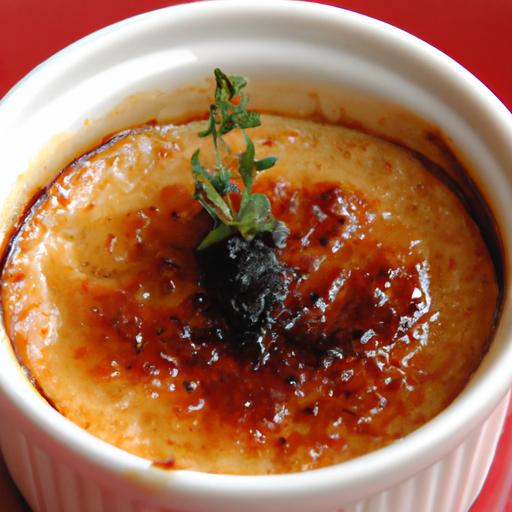
Beneath a delicate,caramelized shell lies a dessert that has enchanted palates for centuries-classic crème brûlée. This timeless confection, with its silky custard heart adn crackling sugar crown, offers more than just a sweet finish; it embodies a perfect harmony of texture, flavor, and tradition. As we delve into the origins, techniques, and enduring appeal of crème brûlée, we uncover why this elegant dessert continues to captivate chefs and dessert lovers alike, proving that true culinary artistry never goes out of style.
The timeless elegance of classic Crème Brûlée is rooted in centuries of culinary artistry, making it a dessert that transcends borders and time. This luscious custard topped with a perfectly caramelized sugar crust delivers an exquisite contrast of creamy and crisp textures, inviting both nostalgia and admiration. Originating perhaps from France or even Spain, depending on which culinary historian you ask, crème Brûlée has become a symbol of sophistication and indulgence in many cultures worldwide.
In my own kitchen, crafting the perfect Crème Brûlée is always a special ritual – the tender custard that melts on your tongue beneath a brittle, caramelized shell is nothing short of magical. The key lies in mastering time-honored techniques and using the ideal ingredients to create that flawless balance.
Prep and Cook Time
- Preparation: 15 minutes
- Baking: 40 minutes
- Cooling/Chilling: 2 hours minimum
Yield
4 generous servings
Difficulty Level
Medium – requires attention to detail but rewarding for any home cook
Ingredients
- 2 cups heavy cream
- 1 vanilla bean (split and seeds scraped) or 1 ½ tsp pure vanilla extract
- 5 large egg yolks
- ½ cup granulated sugar (plus extra for caramelizing)
- Pinch of fine sea salt
Instructions
- Preheat your oven to 325°F (160°C). Place four 6-ounce ramekins in a deep baking dish.
- warm the cream in a saucepan over medium heat with the vanilla bean seeds and pod (or vanilla extract). Heat until just below boiling – small bubbles will appear around the edges. Remove from heat and let infuse for 10 minutes.
- Whisk the egg yolks and ½ cup granulated sugar in a bowl until the mixture lightens to a pale yellow and is slightly frothy. Add a pinch of sea salt to amplify flavor.
- Gradually temper the egg yolks by slowly pouring the warm cream into the yolk mixture while constantly whisking - this prevents scrambled eggs and creates a silky custard base.
- Strain the custard through a fine mesh sieve into a clean bowl to ensure an ultra-smooth texture.
- Pour the custard evenly into the ramekins. carefully pour hot water into the baking dish until it reaches halfway up the sides of the ramekins, creating a water bath (bain-marie).
- Bake for 35-40 minutes or until the custard is just set but still slightly wobbly in the centre.
- Remove ramekins from water bath and cool to room temperature, than refrigerate for at least 2 hours or overnight. Chilling is essential for the custard to fully develop its silky texture.
- Before serving, sprinkle a thin, even layer of granulated sugar atop each custard. Use a kitchen torch to caramelize the sugar until golden brown and crisp – hold the torch about 2-3 inches away and move in circular motions to avoid burning.
Chef’s Notes
- Vanilla Bean vs Extract: using a fresh vanilla bean elevates the aroma and authenticity but pure vanilla extract is a convenient alternative without compromising flavor.
- Custard Texture: If your custard cracks or curdles, ensure the tempering step is gradual and avoid overheating cream or eggs.
- Sugar for Caramelizing: Use turbinado sugar or raw cane sugar for a richer, crunchier crust, or classic white granulated sugar for a clean, crisp bite.
- Make-Ahead Tip: Crème Brûlée can be prepared up to 2 days in advance, but caramelize the sugar just before serving to maintain the perfect crack.
- Oven Water Bath: Be careful when pouring hot water; use hot water rather than cold to avoid shocking the custards and causing cracks.
serving Suggestions
serve your Crème Brûlée chilled with a perfectly torched crust. For a festive presentation, garnish with a few fresh berries like raspberries or blueberries and a light dusting of edible gold flakes or finely chopped mint leaves for contrast and color.
Pair this classic dessert with a delicate cup of jasmine tea or rich espresso to complement the sweetness and creaminess. For a seasonal twist, add a sprinkling of cinnamon or citrus zest to the custard mixture – just a whisper to not overpower the luxurious vanilla base.

| Nutrient | Per Serving |
|---|---|
| Calories | 310 |
| Protein | 6g |
| Carbohydrates | 30g |
| Fat | 20g |
For those interested in experimenting further with this elegant dessert, check out our collection of classic custard recipes. To deepen your understanding of custard science, Serious Eats offers an in-depth look at what makes this dessert so special.
Q&A
Q&A: The Timeless Elegance of Classic Crème Brûlée Unveiled
Q1: What makes crème brûlée such an enduring dessert classic?
A: Crème brûlée’s charm lies in the perfect harmony of textures-its luxuriously creamy custard base contrasts beautifully with the crackling, caramelized sugar crust.This exquisite balance between smooth and crisp delights the senses and creates a sophisticated experience that has captivated dessert lovers for centuries.
Q2: How did crème brûlée get its name?
A: The name “crème brûlée” translates from French as “burnt cream,” a reference to the signature caramelized sugar layer that is gently torched to a golden, crackly finish. This simple yet evocative name hints at the appetizing contrast that defines the dessert.
Q3: What are the essential ingredients in a classic crème brûlée?
A: The heart of crème brûlée is a rich custard made from heavy cream, egg yolks, sugar, and pure vanilla. These ingredients combine to create a silky base that’s both indulgent and subtly flavored, letting the pure essence of vanilla shine through.
Q4: Why is vanilla so crucial to crème brûlée?
A: Vanilla imparts warmth and depth to the custard without overpowering its delicate nature. The gentle floral and sweet notes elevate the simple custard, making each bite fragrant and unforgettable.Pure vanilla beans or high-quality vanilla extract are ideal choices for an authentic flavor.
Q5: What is the secret to achieving the perfect caramelized sugar crust?
A: achieving that iconic crunchy topping requires an even layer of granulated sugar sprinkled over the custard surface, then melted and caramelized with a kitchen torch or under a broiler. The key is to apply heat carefully to create a glassy, golden-brown crust without burning the sugar or cooking the custard beneath further.
Q6: Can crème brûlée be prepared ahead of time?
A: Absolutely! In fact, crème brûlée benefits from some resting time. After baking the custards gently in a water bath and chilling them thoroughly, they can be refrigerated for up to two days before caramelizing the sugar topping. This advance preparation allows the custard to set perfectly and makes serving easier.
Q7: How has crème brûlée remained relevant in modern culinary culture?
A: Its timeless appeal is rooted in both tradition and versatility. While the classic vanilla version reigns supreme, chefs often reinvent crème brûlée by infusing the custard with unique flavors such as citrus zest, coffee, or exotic spices-without overshadowing the beloved creamy texture and iconic caramelized crust.
Q8: What utensils and techniques are essential for making crème brûlée at home?
A: To craft crème brûlée, a sturdy ramekin, a fine whisk, and a precise kitchen torch are your best allies. Baking the custard in a water bath ensures gentle, even cooking, which is critical for achieving that silky texture. Patience during chilling and careful caramelization of sugar complete the process for a flawless result.Q9: Is crème brûlée suitable for special occasions?
A: Definitely! Its elegant presentation and exquisite flavor profile make crème brûlée a perfect finale for celebratory meals, romantic dinners, or any gathering where a touch of refinement is desired. Serving it in individual ramekins adds a personalized touch that impresses guests.
Q10: What is the best way to enjoy crème brûlée once it’s served?
A: The magic begins the moment your spoon cracks through the caramelized sugar, releasing a subtle crunch followed by the creamy custard melting in your mouth. To savor crème brûlée at its best, take small bites to appreciate the contrast of textures and the gentle warmth of vanilla infused custard beneath that shiny, brittle topping.
In Conclusion
As we close the caramelized lid on the enchanting world of crème brûlée,one truth remains clear: its timeless elegance is no mere dessert trend,but a culinary classic that continues to captivate palates across generations. From its silky custard depths to its signature brittle crown of burnt sugar, crème brûlée invites us to savor not just a treat, but an experience-a harmonious blend of texture, flavor, and tradition. Whether enjoyed in a quaint Parisian café or recreated in your own kitchen, this exquisite dessert reminds us that sometiems, the simplest pleasures endure the longest, leaving a lasting impression one crack of the spoon at a time.