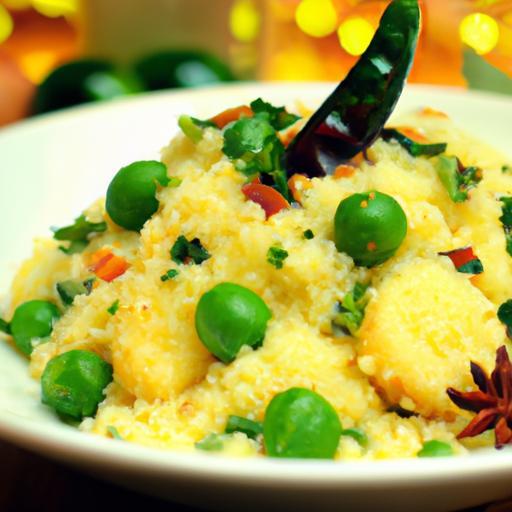
In the bustling kitchens and street corners of india, a humble yet hearty dish has quietly woven itself into the fabric of daily life-Upma. This savory semolina delight, often overlooked in favor of flashier fare, carries with it centuries of tradition, regional nuances, and a comforting simplicity that resonates across generations. ”Upma Uncovered: The Art of India’s Savory Semolina Delight” invites you on a flavorful journey to explore the origins, techniques, and cultural significance behind this beloved breakfast staple.
From its aromatic tempering to the perfect fluffy texture, discover how Upma transforms basic ingredients into a soulful dish that nourishes both body and spirit.
Upma Uncovered is an immersive journey into one of South India’s most beloved breakfast treasures, cherished for its comforting warmth and subtle, intricate flavors. This savory semolina delight, traditionally crafted from roasted semolina and tempered spices, has evolved over centuries from a humble peasant dish to a versatile culinary canvas embraced across Indian households. The beauty of this dish lies not just in its nourishing simplicity,but in how the mastery of texture and balance of seasonings elevate it from ordinary to extraordinary.
Prep and Cook Time
- Preparation: 10 minutes
- Cooking: 15 minutes
- Total Time: 25 minutes
Yield
Serves 4 hearty portions
Difficulty Level
Easy – perfect for beginners and seasoned cooks alike
Ingredients
- 1 cup semolina (sooji/rava)
- 2 tablespoons ghee or vegetable oil
- 1 teaspoon mustard seeds
- 1 teaspoon urad dal (split black gram)
- 1 teaspoon chana dal (split chickpeas)
- 2 green chilies, finely chopped
- 1 inch ginger, finely grated
- 8-10 curry leaves
- 1 medium onion, finely chopped
- 2 1/2 cups water, hot
- Salt to taste
- 2 tablespoons chopped fresh coriander leaves
- 1/4 cup diced carrots (optional, for color and crunch)
- 1/4 cup green peas (optional)
- 1/2 teaspoon lemon juice (optional, for brightness)
Instructions
- Roast the Semolina: In a dry pan over medium heat, roast the semolina until it turns light golden and releases a fragrant aroma. Stir continuously to prevent burning; this typically takes 4-5 minutes. Set aside to cool slightly.
- Temper the Spices: Heat ghee or oil in the same pan. Add mustard seeds and wait until they crackle. Then add urad dal and chana dal, sautéing until they turn golden brown.
- Add Aromatics: Toss in chopped green chilies, grated ginger, and curry leaves. sauté for 1 minute until fragrant, then add finely chopped onions and cook until translucent and soft.
- Incorporate Vegetables (Optional): Add the diced carrots and green peas. Sauté for 2-3 minutes until vegetables soften slightly. This adds texture and vibrant color to your dish.
- Bring Water to Boil: Pour in hot water carefully,add salt,and bring it to a rolling boil.
- Add Semolina: Gradually sprinkle the roasted semolina into the boiling water while stirring continuously to avoid lumps. Keep stirring until the mixture thickens.
- Cook Until Fluffy: Reduce heat to low, cover the pan, and let the upma cook for 3-4 minutes until fully absorbed and fluffy.
- Finish and Garnish: turn off the heat, add chopped coriander and lemon juice to brighten flavors. Fluff gently with a fork before serving.
Tips for Success
- control the water ratio carefully. To little water results in dry upma; too much leads to a mushy texture.Use 2 1/2 cups water for 1 cup semolina as a reliable starting point.
- Keep stirring gently when adding semolina to prevent lumps from forming – think of it as slowly knitting the grains into a soft blanket.
- Experiment with nuts. Cashews or roasted peanuts added during tempering add delightful crunch and richness.
- For a vegan version, replace ghee with vegetable oil or coconut oil.
- Make ahead: Upma can be refrigerated for a day; reheat with a splash of water to restore its fluffy charm.
Serving Suggestions
Serve your upma piping hot, adorned with fresh coriander leaves and a wedge of lemon on the side for an added zing.Accompany it with a dollop of coconut chutney or tangy tomato chutney to awaken the palate. For a South Indian twist, pair with crispy medu vada or a bowl of sambar to create a hearty breakfast spread. A sprinkling of toasted grated coconut on top adds a lovely textural contrast and visual appeal.
| Nutrient | Per Serving |
|---|---|
| Calories | 230 kcal |
| Protein | 5 g |
| Carbohydrates | 38 g |
| Fat | 6 g |

To deepen your culinary exploration, check out our related guide on Idli and Dosa: The Pillars of South Indian Breakfast. For historical context on Indian grains and traditional foods, the Encyclopedia Britannica’s overview of Indian cuisine is an excellent resource.
Q&A
Upma Uncovered: The Art of India’s Savory Semolina Delight – Q&A
Q1: What exactly is Upma, and where did it originate?
A1: Upma is a beloved South Indian breakfast staple made primarily from semolina (also known as rava or sooji). it’s a savory porridge that’s both comforting and quick to prepare. While its roots trace back to South India, Upma has transcended regional boundaries, becoming a national favorite enjoyed in homes and street stalls across India.
Q2: What makes Upma different from other semolina dishes?
A2: What sets Upma apart is its aromatic tempering and the balance of textures. Unlike sweet semolina puddings, Upma is savory, typically seasoned with mustard seeds, curry leaves, and a vibrant mix of spices. The semolina is toasted before cooking, lending a nutty depth, and the dish frequently enough boasts burst of freshness from chopped vegetables and herbs.
Q3: What are the essential ingredients in a classic Upma?
A3: The foundation lies in dry-roasted semolina, tempered with mustard seeds and cumin. Aromatics like chopped green chilies,ginger,and curry leaves elevate its flavor profile.Adding finely chopped onions and mixed vegetables such as carrots, peas, or beans introduces sweetness and crunch. Fresh coriander leaves and a squeeze of lemon brighten the final dish.
Q4: How is Upma traditionally cooked?
A4: Frist, semolina is dry-roasted until fragrant and lightly golden. Meanwhile, a tempering of mustard seeds, urad dal (split black gram), curry leaves, and chilies is prepared in hot oil. Onions and vegetables are sautéed in this seasoning. Boiling water is then added, followed by the roasted semolina, stirring continuously to prevent lumps. The mixture simmers until it thickens into a soft, fluffy pudding.
Q5: Can upma be customized for different tastes and occasions?
A5: Absolutely! Upma is wonderfully versatile. Some add roasted cashews or peanuts for crunch,others toss in grated coconut or fresh tomato for tanginess. vegan versions can include assorted veggies for nourishment,while festive versions might feature exotic spices like asafoetida or dried ginger. Upma can also be made with coarse or fine semolina, or even millet flours for a health twist.
Q6: What’s the secret to making Upma perfectly fluffy and not sticky?
A6: the key lies in the ratio of water to semolina and the way semolina is added. Roasting ensures the grains don’t clump, and adding semolina gradually to boiling water while stirring constantly prevents lumps. Cooking on low heat once combined allows the semolina to swell gently, resulting in a soft, airy texture rather of a sticky paste.
Q7: How is Upma typically served?
A7: Upma is frequently enough paired with spicy coconut chutney or tangy tomato chutney that cuts through its mild savoriness beautifully. A dollop of butter or ghee on top adds richness, while a wedge of lemon on the side offers a fresh zing. It’s enjoyed piping hot,often accompanied by a steaming cup of South indian filter coffee or chai.
Q8: Is Upma a nutritious option for breakfast?
A8: Definitely! Semolina is a good source of carbohydrates and protein, providing sustained energy. When paired with fresh vegetables, the fiber, vitamins, and minerals profile increases substantially.Light on oil and quick to digest, Upma makes an excellent way to start the day balanced and satisfied.
Q9: Are there regional variations of Upma across India?
A9: Yes,regional interpretations abound.In Karnataka, Rava upma is regal with a generous handful of peanuts and curry leaves. Tamil Nadu might add green peas and grated coconut, while Maharashtra’s “Sajjige” variant sometimes includes jaggery and coconut for a sweet twist.Each regional recipe reflects local ingredients and palate preferences, making Upma a truly diverse dish.
Q10: can Upma be enjoyed beyond breakfast?
A10: Certainly! Its versatility allows Upma to be a comforting snack or light dinner. Packed in lunchboxes,it stays fresh and filling. Creative cooks have even transformed Upma into baked or stuffed dishes, showcasing its adaptability.Whether a quick nibble or a wholesome meal, Upma meets the occasion with grace.
Discovering Upma is like taking a flavorful journey through India’s kitchens-simple ingredients woven into a dish that’s as much about tradition as it is about innovation.Whether you’re a novice or a seasoned cook, mastering the art of Upma opens doors to endless culinary delights.
Wrapping Up
As we close the pot on our flavorful journey through Upma, it’s clear that this humble semolina dish holds a special place in India’s culinary tapestry.More than just a breakfast staple, Upma is a canvas for regional creativity-each grain infused with history, culture, and the artful balance of spices. Whether enjoyed piping hot in a bustling South Indian home or reinvented with modern twists, Upma invites us to savor simplicity with every bite.
So next time you seek comfort in a bowl, remember: beneath its unassuming surface lies the rich story of India’s savory semolina delight, patiently waiting to be uncovered again and again.