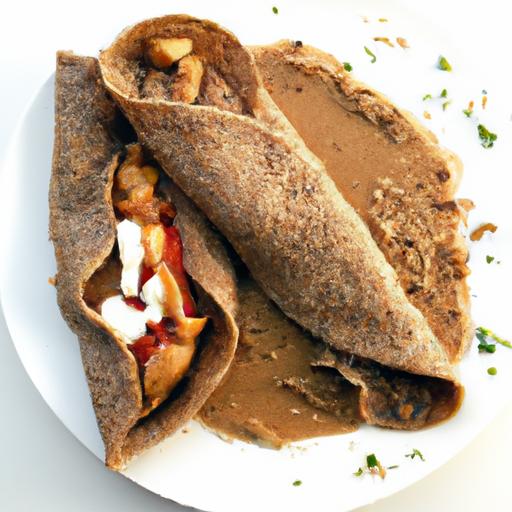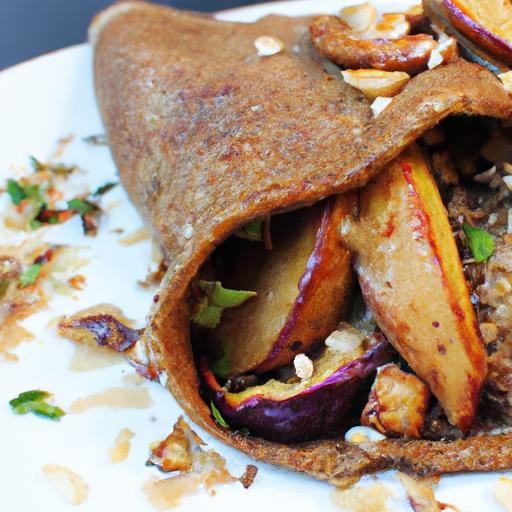
Nestled in the heart of Brittany, France, lies a culinary treasure that has long delighted taste buds with its simplicity and rustic charm: the Breton buckwheat crepe. Traditionally savory, humble, and steeped in history, this crepe is now undergoing a delightful transformation. Enter the delicious vegan Breton buckwheat crepe-a classic twist that honors tradition while embracing plant-based innovation.
Made from earthy buckwheat flour and free from animal products, these crepes offer a wholesome, versatile canvas for savory fillings and sweet finishes alike. Join us as we explore the origins, preparation secrets, and vibrant flavors of this timeless dish reimagined for the modern vegan palate.
Exploring the Authentic Flavors of Breton Buckwheat Crepes
Delicious Vegan Breton Buckwheat Crepes bring the rustic soul of Brittany right to your kitchen with thier delicate, nutty aroma and lacy, light texture. Originating from the rugged coastlines of northwest France, these crepes showcase buckwheat flour’s robust, earthy taste-a perfect canvas for plant-based fillings that celebrate seasonal vegetables and vibrant herbs. My first encounter with Breton buckwheat crepes was at a small crêperie nestled along the cliffs of Cancale, and ever since, their unique simplicity has inspired countless vegan adaptations that invite culinary creativity without sacrificing tradition.
Prep and Cook Time
- Preparation: 15 minutes
- Resting Batter: 1 hour
- Cooking: 20 minutes
Yield
Serves 4 (about 8-10 crepes)
Difficulty Level
Medium – requires attention to batter consistency and pan temperature
Ingredients
- 1 cup (120g) buckwheat flour, sifted
- 1 ½ cups (360ml) cold water (adjust as needed)
- 2 tbsp chickpea flour (for binding)
- 1 tbsp ground flaxseed mixed with 3 tbsp water (flax egg)
- ½ tsp sea salt
- 2 tbsp neutral oil (sunflower or light olive oil), plus extra for cooking
- Optional: 1 tbsp nutritional yeast for a subtle umami boost
Instructions
- Prepare the flax egg by combining ground flaxseed with water in a small bowl. Let it gel for 5-10 minutes until thickened.
- In a large mixing bowl, whisk together buckwheat flour, chickpea flour, sea salt, and nutritional yeast (if using).
- Slowly pour in cold water while continuously whisking to avoid lumps, achieving a thin, pourable batter.
- Stir in the flax egg and 2 tbsp of oil, blending until smooth and glossy.
- Cover the bowl and refrigerate the batter for at least 1 hour to hydrate the flour and develop flavor.
- Heat a non-stick skillet or traditional crepe pan over medium heat. Brush lightly with oil.
- Pour about ¼ cup of batter into the pan, swirling quickly to create a thin, even layer.
- Cook the crepe until edges lift and the bottom is golden brown, about 1-2 minutes. Flip carefully and cook the other side for 30 seconds.
- Transfer to a plate and repeat with remaining batter, adding oil as needed to prevent sticking.
- Serve promptly or keep warm wrapped in a clean kitchen towel.
Tips for Success
- Consistency is key: Your batter should glide off your spatula easily but not be watery. Add water gradually to achieve this.
- Resting the batter improves texture tremendously, allowing buckwheat to fully hydrate for tender crepes.
- Use a well-seasoned or non-stick pan for effortless flipping and even browning.
- Don’t rush the first crepe-it’s a test crepe and may be imperfect; adjust your heat accordingly.
- For gluten-free crepes, verify that your chickpea flour is certified gluten-free.
- Make-ahead: Batter can be refrigerated overnight and gently re-whisked before use.
Creative Plant-Based Fillings to Elevate Your Crepe Experience
Breton buckwheat crepes are naturally savory and slightly nutty, perfectly ready to be stuffed with vibrant, wholesome vegan ingredients. Consider a classic sauté of caramelized onions, fresh spinach, and smoky smoked tofu tossed in freshly ground black pepper. Or indulge in a rich, creamy filling of avocado, sun-dried tomato, and fresh chives brightened with a squeeze of lemon. For heartier fare, try mushroom ragout with garlic and thyme, the earthy layers pairing beautifully with the crepes’ rustic character.
Tips and Techniques for Mastering the Art of Cooking Vegan Crepes
- Control your heat: Medium heat is optimal-too high, and the crepes will burn; too low, and they’ll turn rubbery.
- Use the right pan: A flat crepe pan or non-stick skillet around 8-10 inches in diameter works best for thin, even cooking.
- Swirl, don’t pour: Pour the batter in the center, then tilt and swirl the pan quickly to coat the surface evenly.
- Flip with confidence: use a thin spatula to ease under the edge before flipping smoothly in one quick motion.
- keep crepes warm: Stack cooked crepes on a plate covered with foil or a clean kitchen towel to retain moisture and heat.
Serving Suggestions
Serve your vegan buckwheat crepes folded into quarters or roulades, garnished with freshly chopped herbs like parsley or chives for a fresh pop of color. Drizzle with a touch of vegan garlic aioli or a simple, zesty tahini lemon dressing to add a creamy zing. Pair with a crisp mixed green salad dressed in a light mustard vinaigrette, or explore sweet options like fruit compote and coconut yogurt for a delightful brunch twist.

| Nutrient | Per Crepe (approx.) |
|---|---|
| Calories | 90 kcal |
| Protein | 3 g |
| Carbohydrates | 15 g |
| Fat | 2 g |
For further inspiration on vegan French dishes, check out our comprehensive vegan French cuisine guide. To deepen your understanding of buckwheat’s nutritional profile, visit the detailed resource at Healthline.
Q&A
Q&A: Delicious Vegan Breton Buckwheat Crepes – A classic Twist
Q1: What makes Breton buckwheat crepes unique compared to regular crepes?
A1: Breton buckwheat crepes, also known as galettes, hail from Brittany, France, and are traditionally made with nutty, earthy buckwheat flour rather of the usual wheat flour. This gives them a heartier texture and a subtle, wholesome flavor that perfectly complements both savory and sweet fillings. Unlike classic crepes, they’re naturally gluten-free (provided that pure buckwheat flour is used) and more robust, making them ideal as a meal base.
Q2: How can I make these crepes entirely vegan without compromising on taste or texture?
A2: The magic lies in simple plant-based swaps! Replace eggs with flaxseed or chia seed “eggs,” which bind the batter just as well and add a slight nuttiness. Non-dairy milk such as oat or almond milk keeps the crepes tender and light, while a touch of oil or vegan butter provides the perfect balance of moisture and browning. These adjustments maintain the authentic, delicate structure of Breton crepes while keeping them entirely vegan.
Q3: Are there any special tips for cooking vegan buckwheat crepes so they hold together and don’t become fragile?
A3: Absolutely! Letting your batter rest for at least one hour (or even overnight) allows the buckwheat flour to fully hydrate, resulting in more pliable crepes. Use a non-stick pan and a light brush of oil before cooking to avoid sticking. Pour batter thinly and spread quickly with a crepe spreader or the back of a spoon. Cook on medium heat - high enough to brown slightly but gentle enough to prevent crisp edges from cracking.
Q4: What are some delicious vegan fillings that pair well with these buckwheat crepes?
A4: the world is your oyster when it comes to filling these crepes! Savory options like sautéed mushrooms with garlic and thyme, spinach with vegan feta or tofu ricotta, and caramelized onions with roasted veggies are all winners. For a hint of coastal Breton inspiration, try seaweed salad or grilled artichokes. On the sweeter side, fresh berries with coconut cream or a drizzle of maple syrup and toasted nuts offer a delightful contrast to the earthy crepe base
.Q5: Can I prepare the batter in advance, and how should I store it?
A5: Yes! Making the batter ahead of time actually enhances the flavor and texture.Simply store it covered in the fridge for up to 24 hours. Give it a gentle stir before cooking. If it thickens too much, add a splash of your chosen plant-based milk to loosen it up.
Q6: Why is buckwheat an ideal flour choice for vegan crepes?
A6: Buckwheat is a nutrient-dense seed (not a true wheat) rich in fiber,protein,and minerals like magnesium and iron,making it a wholesome base. Its natural gluten-free status also makes it accessible for those with gluten sensitivities. The robust, slightly nutty flavor adds complexity and depth to each crepe without overpowering fillings, bridging savory and sweet with ease.
Q7: How can I veganize traditional Breton galette toppings for a fully plant-based meal?
A7: Swap out butter for vegan margarine or olive oil when finishing crepes. Replace traditional cheese with cashew-based or almond-based ”cheeses,” or try crumbled tofu seasoned with nutritional yeast, lemon, and herbs to mimic savory creaminess. For protein, grilled tempeh or marinated mushrooms make excellent hearty fillings. Fresh herbs and a squeeze of lemon juice add brightness and balance.
Q8: Is it possible to make gluten-free vegan buckwheat crepes that still hold their shape well?
A8: Definitely! Pure buckwheat flour is naturally gluten-free, but without gluten’s elasticity, crepes can be fragile. To boost elasticity, some recipes incorporate a small amount of chickpea flour or a flaxseed gel as a binder. These help provide structure while keeping the recipe allergy-friendly and 100% vegan.
Q9: What’s a creative theme or occasion where vegan Breton buckwheat crepes would shine?
A9: Picture a cozy weekend brunch with friends where each guest customizes their crepes from a vibrant spread of seasonal veggies,smoky roasted peppers,sweet caramelized pears,and fragrant fresh herbs. These crepes also make a charming centerpiece for a plant-based autumn picnic or a festive harvest dinner, where their rustic simplicity invites communal joy and culinary exploration.
Q10: Any final tips for someone new to making vegan Breton buckwheat crepes?
A10: Embrace the process with patience and playfulness! Don’t be dismayed if your first crepes aren’t perfect-they tend to improve with practice. Experiment with batter consistency and fillings.Most importantly,savor the comforting ritual of creating a classic French dish reimagined through a compassionate,plant-based lens. The more you make them,the more delicious memories you’ll cook up!
The Way Forward
As we draw the batter to a close,it’s clear that these delicious vegan breton buckwheat crepes are more than just a meal-they’re a playful dance of history and innovation on your plate. By embracing the earthy richness of buckwheat and the vibrant flavors of plant-based ingredients, you not only honor a timeless French tradition but also invite a fresh, compassionate twist to your culinary repertoire.So next time you crave something both classic and creative, let these crepes be your passport to a Breton-inspired adventure that’s as kind to the planet as it is to your taste buds. Bon appétit!