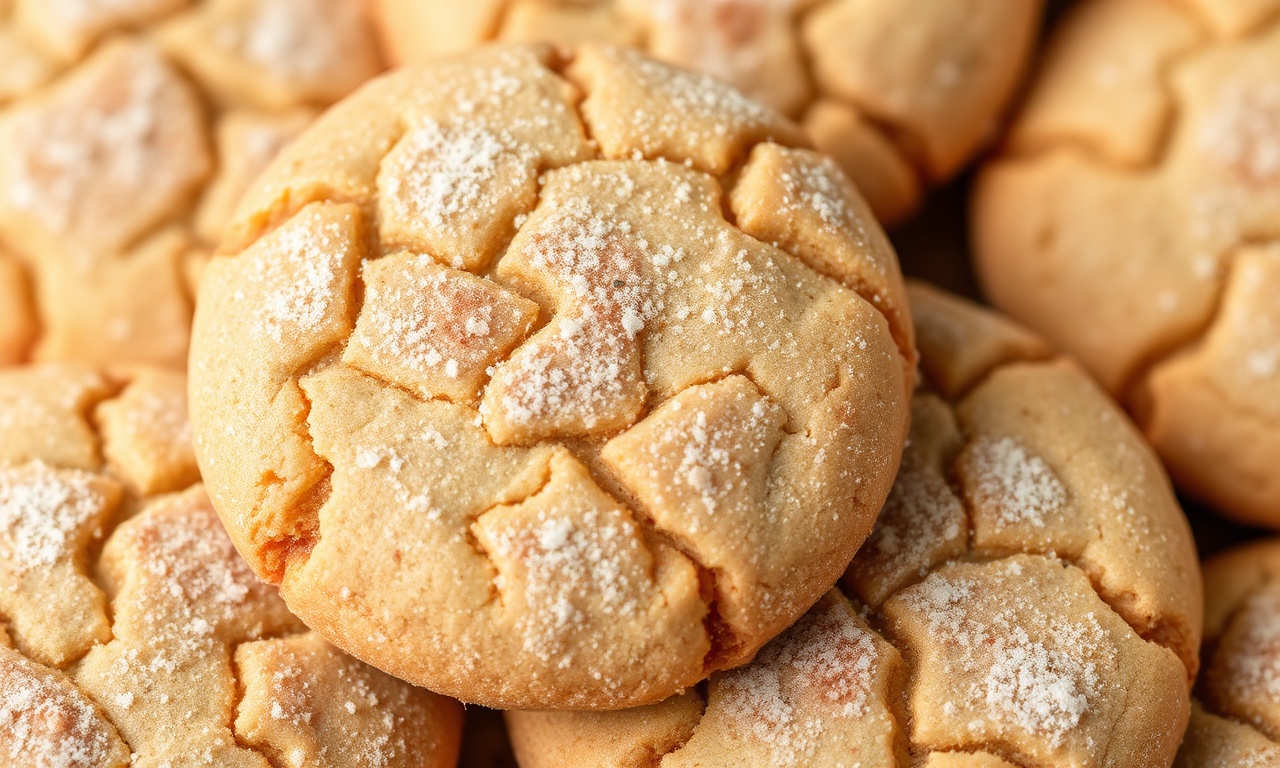
Snickerdoodles Uncovered is a guided look at how snickerdoodle flavor and texture form—step by step. You’ll see why cinnamon, sugar, and cream of tartar work together to create that classic tang, crackled top, and tender bite.
- Prep and cook Time
- Yield
- Difficulty Level
- Ingredients
- Instructions
- Chef’s Notes: Tips for Success
- Serving Suggestions
- Understanding Cinnamon’s Role in Flavor and Aroma
- Mastering the Perfect Sugar and Spice Balance
- Tips for Elevating Your Snickerdoodle Experience at Home
- FAQ
- What exactly is a snickerdoodle?
- Why do snickerdoodles have a tangy flavor?
- How do I get that crackled top?
- Can I customize the spice blend?
- What should I do if my cookies spread too much?
- Wrapping Up
- Snickerdoodle tang comes mainly from cream of tartar and its acid role.
- Cinnamon-sugar rolling builds the signature crust and aroma layer.
- Proper mixing and baking time protect chewiness and prevent over-spread.
- Small ingredient ratios change spread, texture, and spice intensity.
Snickerdoodles are often described as simple cookies, but the method matters. The dough chemistry changes as the acid meets baking soda, and the sugar coating behaves differently as it heats. When you understand those mechanics, you can bake more reliably—and improve every batch.
In this recipe-style guide, you’ll learn the science behind the spice, then apply it to a practical method. You’ll also get troubleshooting tips for cracks, spread, and flavor strength, plus easy ways to adjust the cinnamon profile.
Prep and cook Time
Set aside about 15 minutes for prep and another 10–12 minutes for baking. If you chill the dough, add 30 minutes for best shape and texture.
Your total time usually lands around 40–45 minutes depending on chilling and oven recovery time. For even results, bake one tray at a time and keep the oven fully preheated.
Yield
This recipe yields about 24 medium-sized snickerdoodles. The exact count depends on how large you portion the dough balls.
Portion size also affects baking time. If you make larger cookies, extend baking by 1–2 minutes and watch for edge set with light color.
Difficulty Level
Difficulty: Easy to Medium. Most steps are standard cookie technique—creaming, combining dry and wet, rolling, then baking.
The medium part comes from timing and texture control. If you overmix or overbake, you lose chew; if you underbake, the center stays doughy.
Ingredients
Gather your ingredients before you start. Cold eggs, softened butter, and measured flour all make the method easier to execute.
For the science to hold, measure accurately and use fresh baking soda and cream of tartar. You can review chemical reactions to understand why the acid-base step changes cookie structure.
- 1 cup (227g) unsalted butter, softened
- 1 ½ cups (300g) granulated sugar
- 2 large eggs
- 2 ¾ cups (345g) all-purpose flour, sifted
- 2 teaspoons cream of tartar
- 1 teaspoon baking soda
- ¼ teaspoon salt
- ¼ cup (50g) granulated sugar, for rolling
- 2 tablespoons ground cinnamon, divided
Instructions
Preheat your oven to 375°F (190°C). Line two baking sheets with parchment or silicone mats for consistent heat transfer.
Then follow the method in order. Small changes in mixing and baking time shift spread and chew, especially for cookies rolled in sugar.
- Cream butter and sugar in a large bowl on medium speed until light and fluffy, about 2–3 minutes. This step traps air and supports lift.
- Add eggs one at a time, beating after each addition until smooth. Keep the mixture well emulsified.
- Whisk dry ingredients in a separate bowl: flour, cream of tartar, baking soda, and salt. Distributing leavening helps prevent weak spots.
- Combine wet and dry on low speed until no dry flour remains. Stop as soon as the dough looks cohesive to avoid toughness.
- Make the cinnamon coating by mixing ¼ cup sugar with 1 tablespoon cinnamon in a shallow bowl.
- Portion and roll dough into walnut-sized balls. Roll each ball generously so the coating fully covers the surface.
- Place and space balls about 2 inches apart. For more cracks, lightly press each ball once to help the top set in the oven.
- Bake 10–12 minutes until edges look set and tops show light cracking. Avoid deep browning; snickerdoodles bake fast.
- Cool correctly for 5 minutes on the tray, then move to a rack. Cooling firms the sugar crust while the interior finishes setting.
Chef’s Notes: Tips for Success
Use these adjustments to tune flavor and texture without changing the core method. Most fixes come down to temperature, timing, and ingredient freshness.
For more on how browning and flavor develop as temperature rises, see the Maillard reaction. Snickerdoodles rely less on browning than many cookies, but heat still shapes aroma.
- Chill the dough: Refrigerate at least 30 minutes to reduce spread and improve chew.
- Use fresh cinnamon: Old cinnamon loses aroma. Choose a fragrant jar for stronger top notes.
- Adjust sugar ratios: For less sweetness, reduce dough sugar by ¼ cup and add 1 teaspoon to the rolling mixture.
- Try browned butter: Browning adds nutty notes. Cool it briefly before creaming so it doesn’t melt the dough.
- Make-ahead: Freeze rolled dough balls on a tray, then transfer to a freezer bag for up to 1 month. Bake from frozen and add 2 minutes.
For crackled tops, don’t skip the roll. The sugar coating melts, then re-sets as water leaves, which creates that signature surface.
Serving Suggestions
Serve snickerdoodles warm or fully cooled depending on your preference. Warm cookies feel softer inside, while cooled cookies give a firmer crust.
Classic pairings work because they echo cinnamon’s warmth. Try with cold milk, a chai tea, or even a spoon of vanilla ice cream for contrast.
Understanding Cinnamon’s Role in Flavor and Aroma
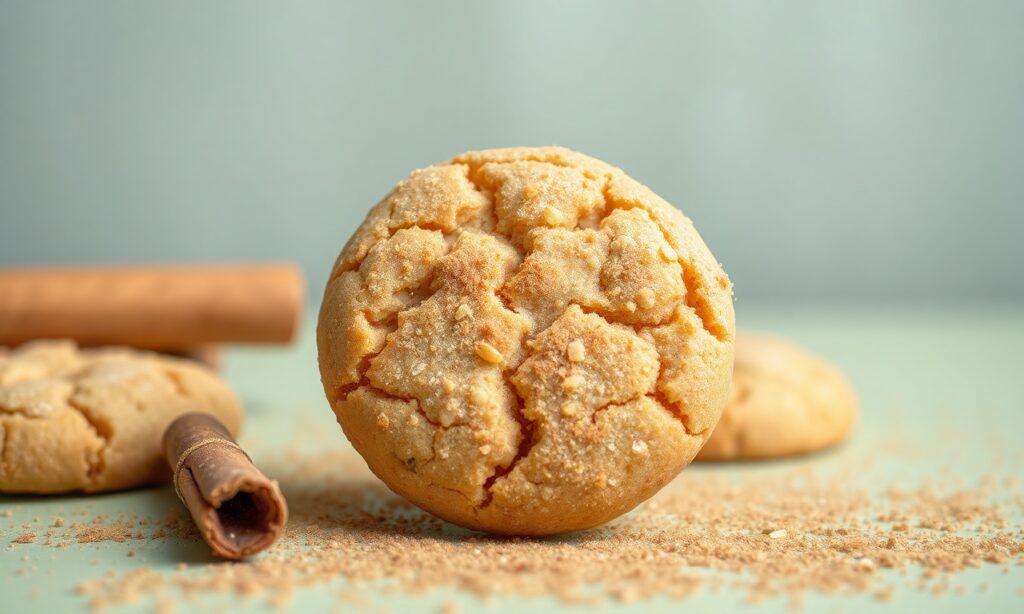
Cinnamon does more than season. It delivers aroma compounds that rise as the cookie heats, then linger on the tongue as the sugar coating caramelizes lightly.
If you want to understand spice chemistry at a practical level, review cinnamon and how it differs by type. These differences influence how “warm” or “pungent” your final cookie tastes.
Use Ceylon cinnamon when you want a gentler, more layered profile. Choose Cassia if you want a bolder, slightly sharper note. Either way, split the cinnamon between dough and rolling for balanced flavor.
While snickerdoodles are not primarily about browning, sugar and spice still respond to oven heat. Managing bake time keeps the crust crisp without turning bitter.
Next, focus on the balance that creates the cookie’s signature chew. That balance depends on how sugar, acid, and baking soda interact during bake.
Mastering the Perfect Sugar and Spice Balance
Snickerdoodles rely on a tight ratio between sweet graininess and aromatic spice. Too much cinnamon can read as bitter, especially if you bake past the cracking stage.
Also remember that sugar affects spread. Granulated sugar melts, then recrystallizes as the cookie cools, which helps form the crackled crust. For a broader look at sugar behavior, see sugar.
The coating step matters because it adds a concentrated layer on the outside. That layer melts first, then sets, giving you texture contrast with a softer center.
Adjust your method instead of guessing at the end. If spice feels weak, increase the rolling cinnamon slightly. If flavor feels sharp, bake 1 minute less or reduce total cinnamon by 1 tablespoon.
After balance, work on your technique so each batch produces consistent cracks and chew.
Tips for Elevating Your Snickerdoodle Experience at Home
You can refine snickerdoodles without changing the identity of the cookie. Use small changes that target aroma, moisture retention, and texture.
For example, citrus zest adds bright top notes that pair with cinnamon. If you want background on zest ingredients, you can review citrus fruit flavor profiles.
- Experiment with cinnamon varieties: Blend Ceylon and Cassia for a layered aroma.
- Add a hint of citrus zest: Use orange or lemon zest for freshness.
- Incorporate texture variations: Mix chopped toasted pecans or fine crystallized ginger.
- Swap coating sugar: Try turbinado for larger crystals and crunch.
- Serve with contrast: Pair with ice cream or fruit compote to balance warmth and sweetness.
These upgrades work best when you keep baking time tight. A few extra minutes can dry the cookie and reduce the tender center you want.
FAQ
Below are quick answers to common snickerdoodle questions. Use them when you troubleshoot flavor, cracks, or spread.
If you adjust one variable, change just one thing at a time. That way, you learn what causes the result.
What exactly is a snickerdoodle?
A snickerdoodle is a classic cookie rolled in cinnamon sugar and baked until the surface crackles. It typically uses cream of tartar and baking soda to create a slight tang and tender texture.
Why do snickerdoodles have a tangy flavor?
The tang comes largely from cream of tartar, an acid in the dough. When it reacts with baking soda during baking, it helps drive lift and adds that signature sour note.
How do I get that crackled top?
Cracks form when the cinnamon-sugar coating melts, the cookie spreads, and the sugar re-sets as it cools. Rolling evenly and avoiding overbake time improve crackle and prevent bitterness.
Can I customize the spice blend?
Yes. Add small amounts of nutmeg or cardamom if you want more complexity, but keep cinnamon as the anchor. Start with tiny changes so cinnamon stays dominant.
What should I do if my cookies spread too much?
Chill the dough for at least 30 minutes and confirm your butter isn’t too warm. Also measure flour accurately and avoid overmixing, which can weaken dough structure.
Wrapping Up
Snickerdoodles Uncovered shows that this cookie’s charm comes from a sequence of controlled reactions. Cinnamon builds aroma on the outside, while cream of tartar and baking soda shape lift and tang throughout the crumb.
When you respect the method—accurate measurements, proper mixing, a generous roll, and tight bake time—you get a repeatable result. Every tray then becomes a clean test of your own adjustments, from cinnamon intensity to crackle level.
See also: snickerdoodle