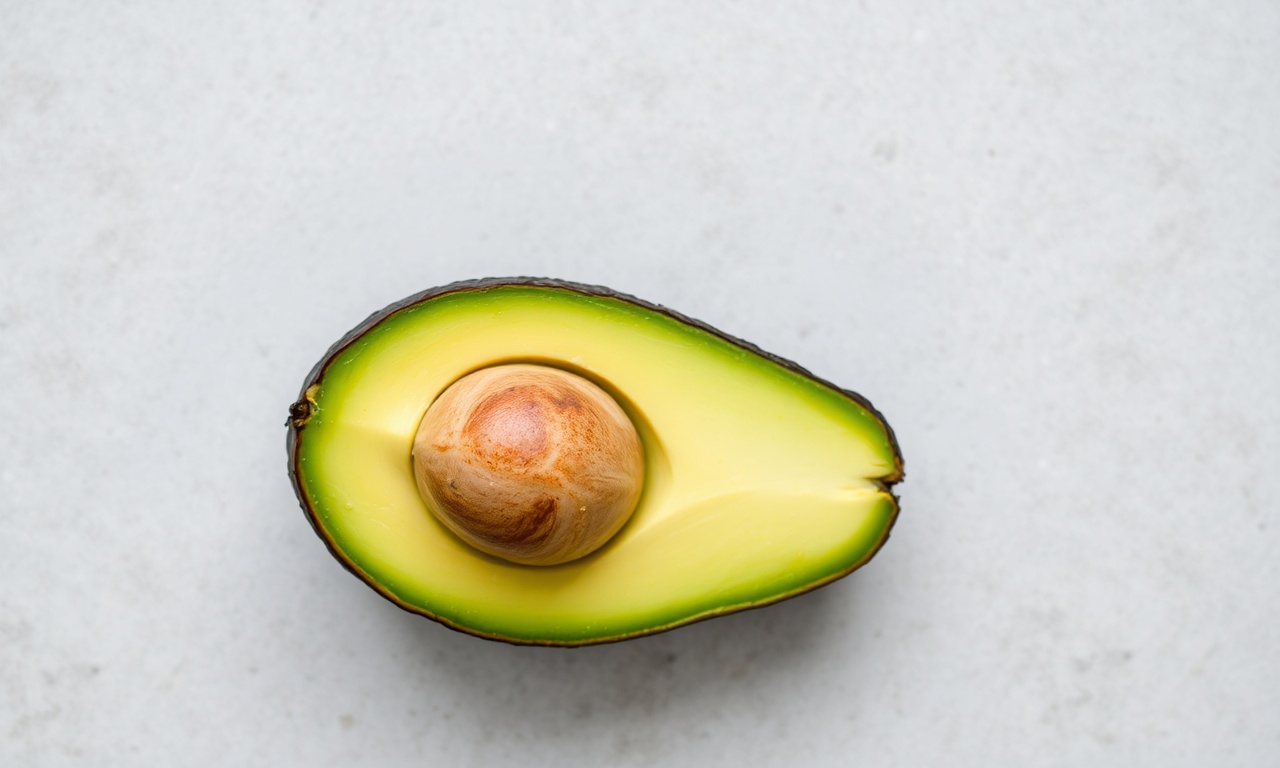
Beneath the rough green skin, the avocado holds a smooth, creamy center that food lovers and science-minded eaters keep returning to. Avocado uncovered is more than a catchy idea—it describes how this fruit earned its place in everyday meals through nutrition, taste, and flexible use in the kitchen.
- Avocado Uncovered: What the Fruit Really Is
- Prep and Cook Time (No-Cook Friendly)
- Yield and Difficulty
- Ingredients for a Creamy Avocado Bowl
- Instructions (Step-by-Step, Texture First)
- Tips for Success: Ripeness, Browning, and Make-Ahead Use
- Serving Suggestions That Keep Avocado Interesting
- Unlocking the Health Benefits: Why Avocados Fit Well in Daily Eating
- Culinary Creativity with Avocados: Simple Ideas for Every Meal
- Choosing and Storing Avocados Like a Pro
- Q&A: Avocado Uncovered
- What makes the avocado different from most fruits?
- Why do people call avocados a “superfood”?
- How can I keep avocado from turning brown?
- Are avocados good for weight management?
- What is the best way to ripen an avocado at home?
- Key Takeaways
At a Glance
- Avocados supply healthy fats and fiber that support fullness.
- They deliver key micronutrients like potassium and vitamins.
- You can use them daily from salads to breakfast smoothies.
- Storage matters to keep texture creamy and flavor clean.
The common “nature’s creamy superfood secret” phrase fits for one reason: avocados concentrate nutrients in a form people actually enjoy eating. They also work as a practical ingredient for swapping out less favorable fats and adding a satisfying mouthfeel to meals.
In this guide, you will learn what an avocado really is, what it contains, and how to prepare it with better results. You will also get clear tips on ripeness, browning, and serving ideas that keep flavors bright.
Avocado Uncovered: The Creamy Superfood Secret
Avocado Uncovered: What the Fruit Really Is
Avocado is a fruit that grows on trees and ripens off the plant. Its creamy texture comes from naturally high fat content, mainly monounsaturated fats, which differ from many other fruits.
Historically, people cultivated avocados in the Americas long before modern nutrition science. Today, research links avocado consumption with improvements in lipid profiles when used as part of a balanced diet.
For background on the broader plant group, see Persea. Understanding the plant family helps you see why avocados behave like fruits that require ripening to reach peak texture.
Prep and Cook Time (No-Cook Friendly)
Most avocado dishes need minimal prep because you mainly scoop, slice, or mash. That speed makes avocados an easy option for lunch bowls and quick snacks.
If you make a warm topping, you may add cooking time, but the base prep still stays short. Keep your focus on handling ripe fruit gently so you preserve a creamy bite.
Preparation: 10 minutes
Cook Time: 0 minutes (no cooking required)
Yield and Difficulty
This recipe approach yields about 4 servings, depending on how thick you spoon the mixture. You can treat it as a starter, side, or topping that scales up for a crowd.
Difficulty stays low because the steps rely on simple cutting and mixing. Even first-time cooks can nail the texture when they choose properly ripe avocados.
Yield: Serves 4
Difficulty Level: Easy
Ingredients for a Creamy Avocado Bowl
Use ripe avocados for the best result. When the flesh gives slightly to pressure, you get a creamy texture without turning the fruit into mush.
Fresh ingredients keep the flavor bright, especially lime juice and herbs. This also helps control browning while you prep.
- 2 ripe avocados, peeled, pitted, and diced
- 1 cup cherry tomatoes, halved
- 1/4 cup red onion, finely chopped
- 1 small jalapeño, seeded and finely minced (optional)
- 1/4 cup fresh cilantro, chopped
- Juice of 1 lime, freshly squeezed
- 1 tablespoon extra virgin olive oil
- Salt to taste
- Freshly ground black pepper to taste
Instructions (Step-by-Step, Texture First)
Start with clean, ripe avocados. Then dice them into small cubes so every bite tastes balanced.
As you mix, fold gently. Over-stirring can break down the avocado and reduce the creamy texture you want.
- Prepare the avocados: Scoop the flesh into a medium bowl and dice into bite-sized cubes.
- Add fresh produce: Fold in cherry tomatoes, red onion, jalapeño (optional), and cilantro. Avoid mashing.
- Dress the mixture: Add olive oil and lime juice. Lime brightens flavor and slows browning.
- Season to perfection: Add salt and pepper in small amounts, then taste and adjust.
- Chill and serve: Cover and refrigerate for 10–15 minutes to help flavors blend.
Tips for Success: Ripeness, Browning, and Make-Ahead Use
Choose avocados that yield to gentle pressure but do not feel overly soft. Firm fruit ripens over a few days; bruised fruit often tastes off.
To prevent browning, keep lime juice in the bowl and minimize time exposed to air. If you store leftovers, keep them tightly covered.
Selecting Avocados for a Creamy Texture
Look for skin that darkens and feels slightly springy. When you press lightly, the avocado should indent without collapsing.
If you want deeper ripening guidance, read about ripening. Fruit ripening affects texture, flavor, and how easily you can scoop the flesh.
Preventing Browning with Simple Habits
Avocado browns when enzymes react with oxygen after cutting. Lime juice helps, but it cannot fully stop the process.
Keep the pit in contact with the cut flesh when possible, then cover quickly. The less air you trap, the slower browning typically moves.
For a plant-food science refresher, see polyphenol oxidase. It explains why cut produce can darken over time.
- Variations: Swap jalapeño for smoked paprika, or add diced mango for a sweet heat twist.
- Make-ahead: Chill up to 24 hours for best quality, then taste before serving.
- Flavor pairing: Use citrus or vinegar in dressings to keep avocado tasting fresh.
Serving Suggestions That Keep Avocado Interesting
Avocado bowl toppings shine on toasted sourdough, rice bowls, or crisp tortilla chips. Add a final pinch of salt right before eating to lift flavors.
For a heartier plate, pair with lean protein like grilled shrimp or chicken. Avocado adds richness, while protein supports meal balance.
If you want variety, explore guacamole ideas and remix flavors with your own spice profile.
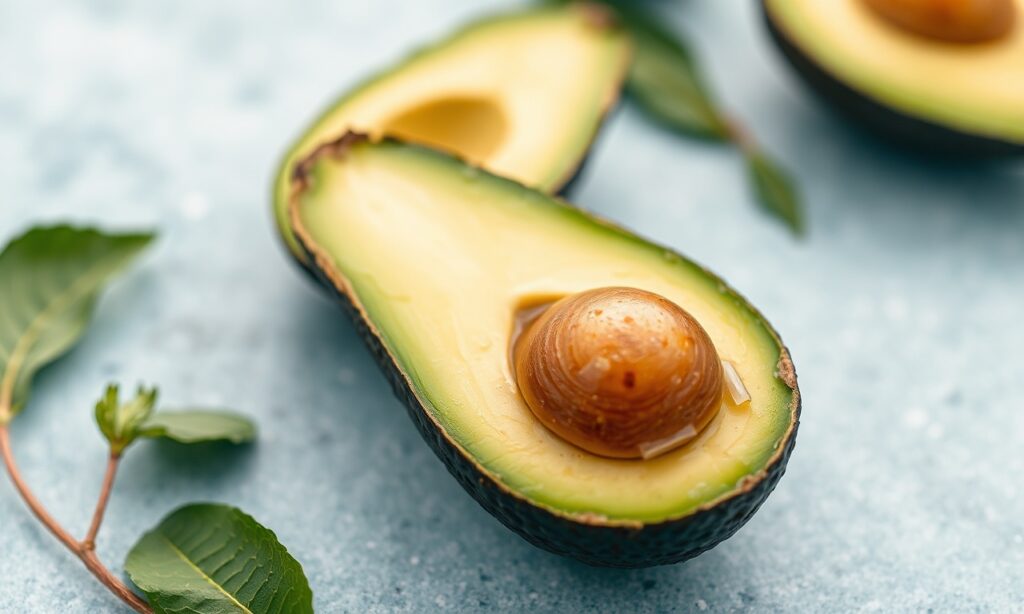
| Nutrient | Per Serving |
|---|---|
| Calories | 180 kcal |
| Protein | 3 g |
| Carbohydrates | 12 g |
| Fat | 15 g (mostly healthy monounsaturated) |
| Fiber | 7 g |
Unlocking the Health Benefits: Why Avocados Fit Well in Daily Eating
Avocado uncovered often starts with taste, then turns into diet support. Avocados offer monounsaturated fats and fiber, both of which can help you feel satisfied after meals.
They also provide potassium, vitamin E, and folate, supporting everyday body processes. For more on potassium in foods, review potassium and how it functions in the body.
Research on dietary fats shows that replacing less favorable fats with unsaturated fats can improve blood lipid markers for many people. The practical win: you can make that swap using an ingredient that tastes great.
Cholesterol Support and Heart Health (How to Think About It)
When people choose avocado as a fat source, they often replace saturated-fat-heavy foods. That pattern matters more than any single food acting alone.
To understand the broader topic, read cholesterol. Then apply the key habit: build meals around whole foods most days.
Use avocado strategically: pair it with vegetables, beans, or whole grains so fiber stays high. This keeps the meal balanced and supports steady energy.
Culinary Creativity with Avocados: Simple Ideas for Every Meal
Avocados handle both savory and sweet flavor directions. Their neutral taste lets you use them in dressings, spreads, and even creamy desserts.
For breakfast, blend avocado with cocoa and a small sweetener for a dairy-free style mousse. For lunch, mash avocado with lime and salt for a fast salad topper.
Sweet and Savory Pairings That Work
Acid keeps avocado tasting “alive.” Use lime, lemon, vinegar, or even pickled elements to brighten every bite.
Spice also boosts flavor without adding many calories. Try chili flakes, cumin, or smoked paprika to make avocado bowls feel restaurant-level.
For foundational knowledge on nutrition basics, explore dietary fiber. Fiber helps you understand why avocado can improve satiety in many eating patterns.
Choosing and Storing Avocados Like a Pro
Ripeness drives everything: creaminess, flavor, and even how easily the pit releases. If the avocado feels hard, wait; if it feels mushy, use it quickly in a mash.
To speed ripening, place avocados in a paper bag with an apple or banana. After they ripen, move them to the fridge to slow further softening.
When you cut an avocado, squeeze citrus and cover promptly. For leftovers, store airtight and keep the pit inside when possible to reduce oxidation.
Ripening Speed and Shelf Life
Paper-bag ripening supports natural fruit chemistry as ethylene rises during ripening. For general context, see ethylene.
Once ripe, refrigeration slows changes that lead to over-softening. You get a longer window to enjoy the fruit at its best.
Cut Storage That Preserves Texture
Use an airtight container and limit air contact. Press plastic wrap directly onto the cut surface when you do not have a lid that seals well.
If browning appears, scrape the surface layer and smell it. Mild oxidation usually affects color more than safety, but spoilage smells mean discard.
For food safety principles, review food safety at a high level and follow local guidelines.
Q&A: Avocado Uncovered
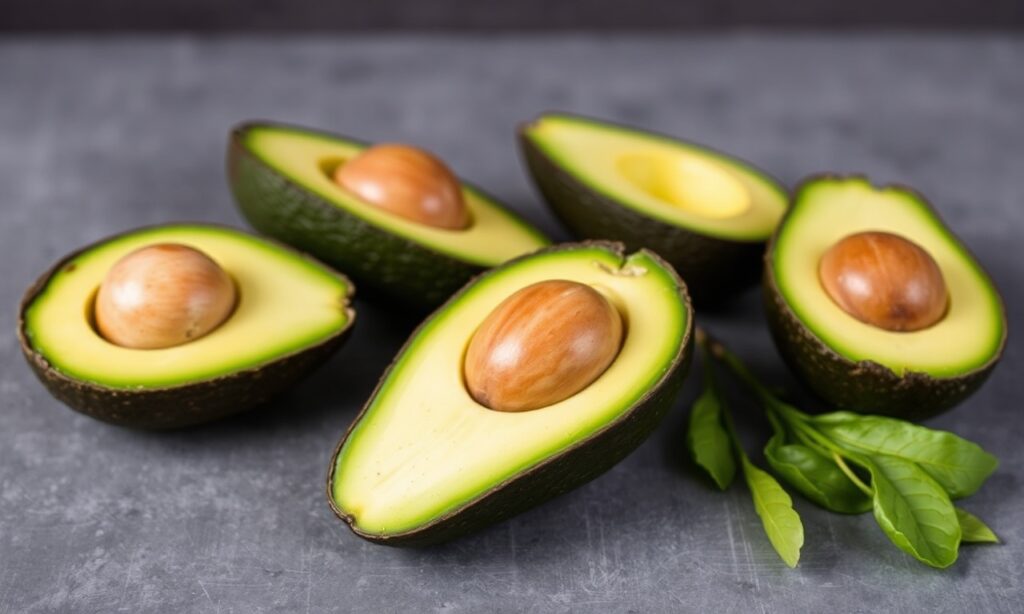
Avocado uncovered gets better when you answer practical questions. Below, you will find clear, experience-based guidance for the most common concerns.
Use these answers as you shop, prep, and store. Then adjust seasoning and portion size to match your taste and health goals.
What makes the avocado different from most fruits?
Avocados contain more fat than most fruits, which gives them a creamy texture. Their fat profile mainly includes unsaturated fats, so the eating experience feels rich rather than sweet.
Why do people call avocados a “superfood”?
The label reflects nutrient density, not magic. Avocados supply fiber, healthy fats, potassium, and vitamins, which supports a high-quality diet.
How can I keep avocado from turning brown?
Cut avocado quickly, add lime or lemon juice, and store it airtight. Less air exposure slows oxidation and helps you keep a fresh look and taste.
Are avocados good for weight management?
They often support satiety because they combine fiber with healthy fats. That can make it easier to control portions when you build balanced meals.
What is the best way to ripen an avocado at home?
Use a paper bag with an apple or banana for faster ripening, then refrigerate once ripe. Check firmness daily so you avoid going from ripe to overripe.
Avocado uncovered reveals more than a creamy fruit. It gives you a flexible ingredient that supports balanced eating through nutrition, texture, and easy daily use.
Key Takeaways
Avocado uncovered starts with choosing the right ripeness. Then you add simple seasoning, control browning, and store it correctly to keep flavor clean.
Because avocados work in both savory and sweet meals, they fit real routines. Use them as a topping, blend them into dressings, or turn them into a creamy base for snacks.
See also: Avocado Uncovered