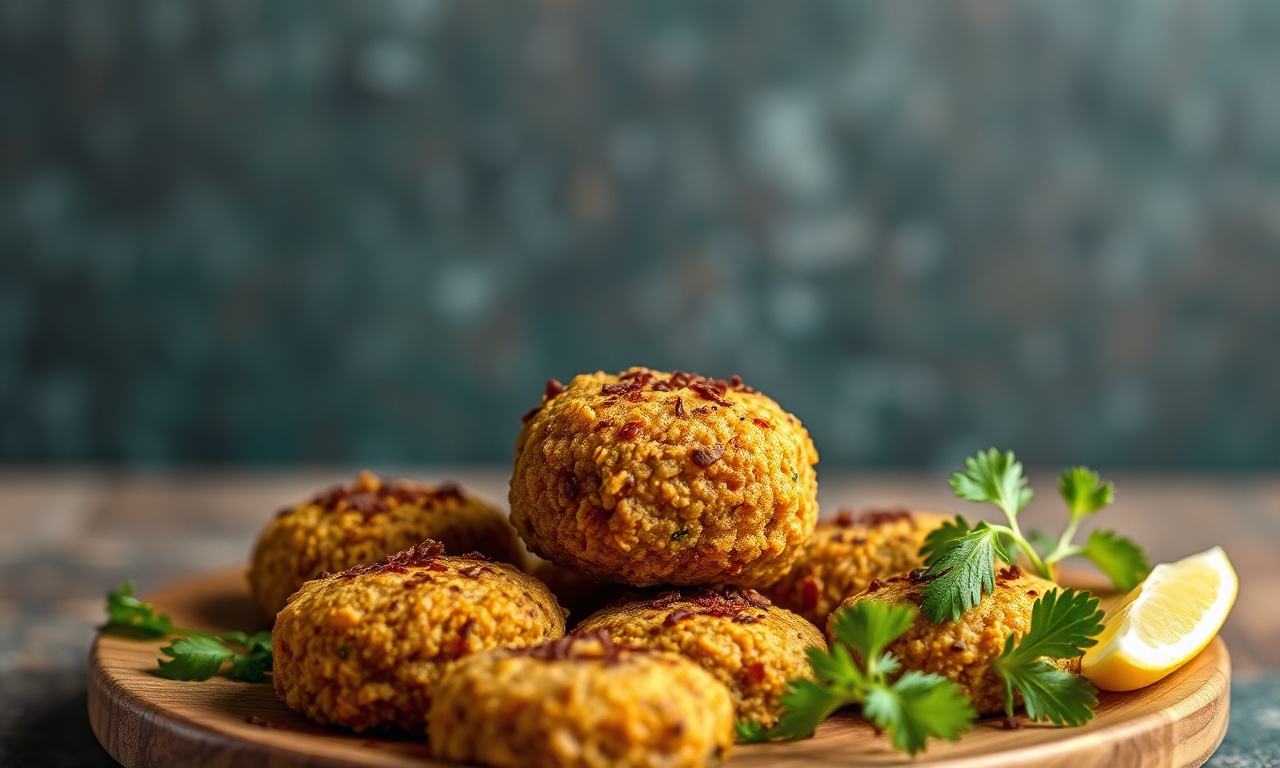
In the vibrant tapestry of Middle Eastern cuisine, few dishes capture the heart and palate quite like Egyptian falafel. Known locally as ta’amiya, this golden, crispy delight transcends mere street food status to become a beloved symbol of culture and flavor. What sets Egyptian falafel apart is not just its mouthwatering taste, but also its naturally gluten-free composition—making it a perfect treat for those seeking both authenticity and dietary mindfulness. Join us as we explore the rich history, unique ingredients, and irresistible charm of Egyptian falafel, a flavorful gluten-free treasure that continues to enchant food lovers around the world.
The Allure of Egyptian Falafel: A Gluten-Free Middle Eastern Delight
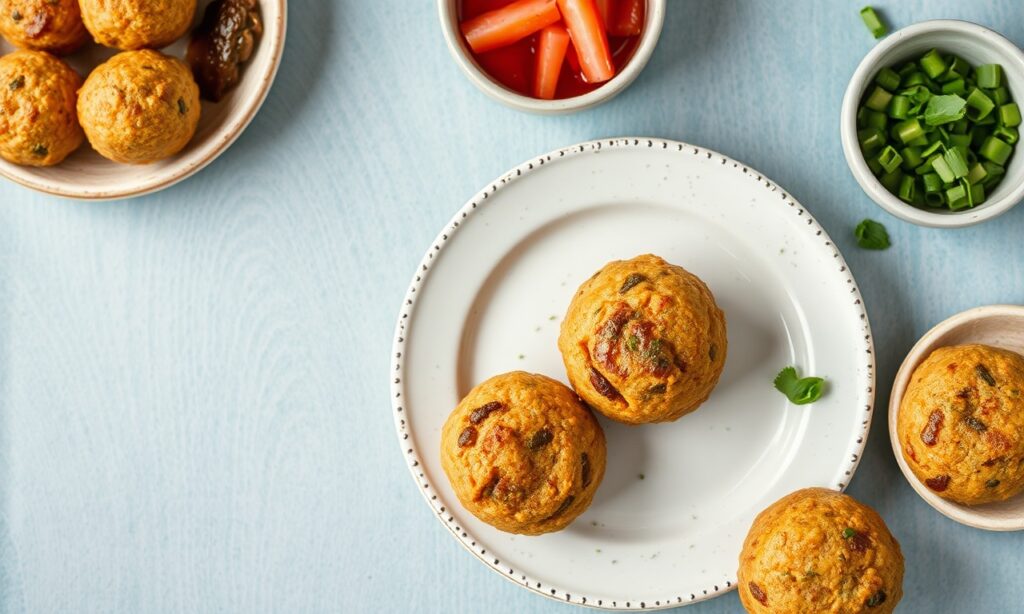
Egyptian falafel is a culinary gem that offers a wonderful blend of history, culture, and healthful goodness, all wrapped in a crispy, golden exterior. This gluten-free delight, deeply rooted in the daily life of Egypt, has transcended borders to charm food lovers worldwide. Unlike the chickpea-based falafel found elsewhere, Egyptian falafel stars fava beans, giving it an irresistible flavor and a tender bite that sets it apart. I still recall the first time I savored Egyptian falafel on the bustling streets of Cairo—each crunchy morsel exploded with fresh herbs and spices, a true testament to tradition and vibrant Middle Eastern flavors.
Prep and Cook Time
- Preparation: 30 minutes (plus 12 hours soaking time)
- Cooking: 10-15 minutes
- Total: Approximately 12 hours 45 minutes
Yield
- Serves 4-6 people (about 20 falafel balls)
Difficulty Level
- Medium – Requires soaking and frying, but easy to master with practice
Ingredients
- 1 cup dried fava beans, soaked overnight and drained
- 1 small onion, finely chopped
- 4 cloves garlic, minced
- 1 cup fresh parsley leaves, packed
- 1 cup fresh cilantro leaves, packed
- 1 teaspoon ground cumin
- 1 teaspoon ground coriander
- ½ teaspoon baking powder
- Salt and freshly cracked black pepper to taste
- Vegetable oil for frying (about 2 cups)
- Water as needed (for smoothing the batter)
Step by Step Guide to Preparing Perfectly Crispy Egyptian Falafel
- Prepare the Fava Beans: After soaking the dried fava beans for at least 12 hours, drain thoroughly. The beans should be soft but not mushy.
- Process the Ingredients: In a food processor, combine the soaked fava beans, chopped onion, garlic, parsley, and cilantro. Pulse until the mixture turns into a coarse paste but not a puree. The texture should be grainy enough to hold its shape.
- Season and Bind: Transfer the mixture to a bowl. Stir in cumin, coriander, baking powder, salt, and pepper. If needed, add a teaspoon or two of water to achieve a thick batter-like consistency.
- Chill the Mixture: Cover and refrigerate for at least 30 minutes. This rest helps the flavors meld and the falafel hold firm during frying.
- Heat the oil: Fill a heavy-bottomed pan with ~2 inches of vegetable oil and heat to 350°F (175°C). Use a thermometer for accuracy—too hot will burn the falafel, too cool will make them greasy.
- Shape the Falafel: With wet hands or a falafel scoop, form the mixture into small balls or patties about 1 ½ inches in diameter. Avoid compacting them too tightly.
- Fry in Batches: Carefully lower falafel balls into the hot oil. Fry for 3-4 minutes per side, until a deep golden brown crust forms. Use a slotted spoon to turn and remove falafel.
- Drain and Serve: Place the fried falafel on a paper towel-lined plate to remove excess oil.
Top Tips for Serving and Enjoying Egyptian Falafel Like a Local
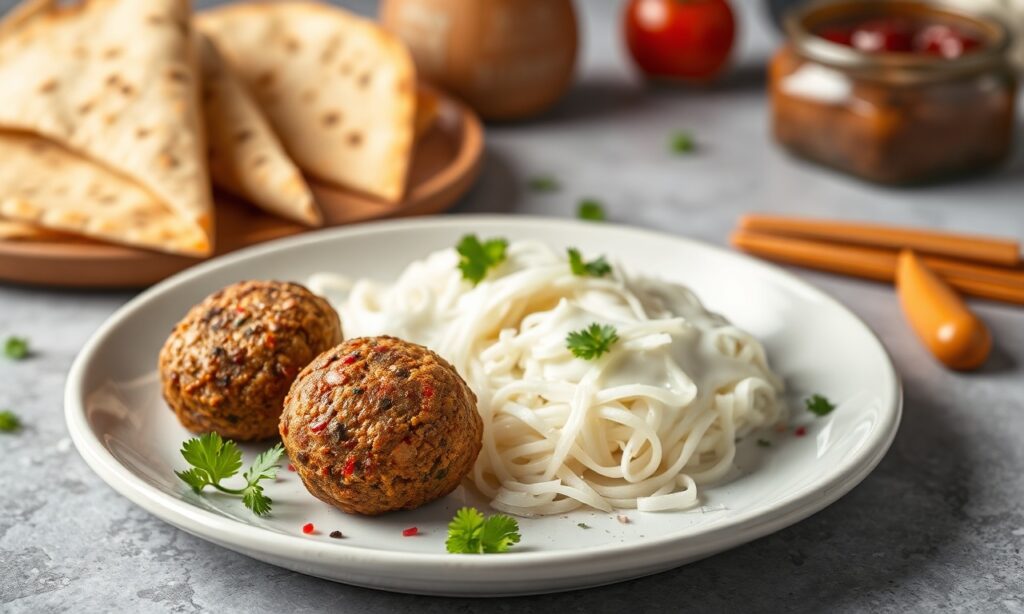
- Serve falafel fresh and hot with a sprinkle of finely chopped parsley and a drizzle of tahini sauce or a cooling cucumber-yogurt dip.
- Traditionally paired with warm pita or baladi bread (gluten-free alternatives like lettuce wraps work wonderfully).
- Add simple pickled vegetables like turnips, sliced tomatoes, and onions dressed with lemon juice for that authentic street-food vibe.
- Accompany with a side of fresh herbs and a splash of lemon juice to brighten the deep, earthy flavors.
- For a vegan twist, skip dairy-based dips and serve with a zesty tomato salad or baba ganoush.
Chef’s Notes
- Soaking Beans: Do not substitute canned fava beans for soaking recipes; the texture will be too soft and fall apart when frying.
- Herb Variations: Try adding a handful of dill or mint for a personal touch that echoes the diverse herb use across Egypt.
- Baking Powder: This ingredient is crucial for a light, fluffy falafel texture and crisp exterior.
- Make-Ahead: Form falafel balls and freeze on a baking sheet. Once solid, transfer to zip-lock bags and fry frozen; this retains freshness and convenience.
- Oil Temperature: Always confirm your oil heat to avoid greasy falafel. Medium-high heat works best.
| nutrient | Per Serving (3 falafel balls) |
|---|---|
| Calories | 210 kcal |
| Protein | 9g |
| Carbohydrates | 22g |
| Fat | 9g |
Discover more gluten-free Middle Eastern recipes to broaden your culinary repertoire.
For deeper cultural insights, visit Wikipedia’s Falafel Entry, a high-authority source exploring the history of this beloved dish.
Q&A
Q&A: Egyptian Falafel – A Delicious Gluten-Free Middle Eastern treat
Q1: What exactly is Egyptian falafel, and how does it differ from the more common falafel varieties?
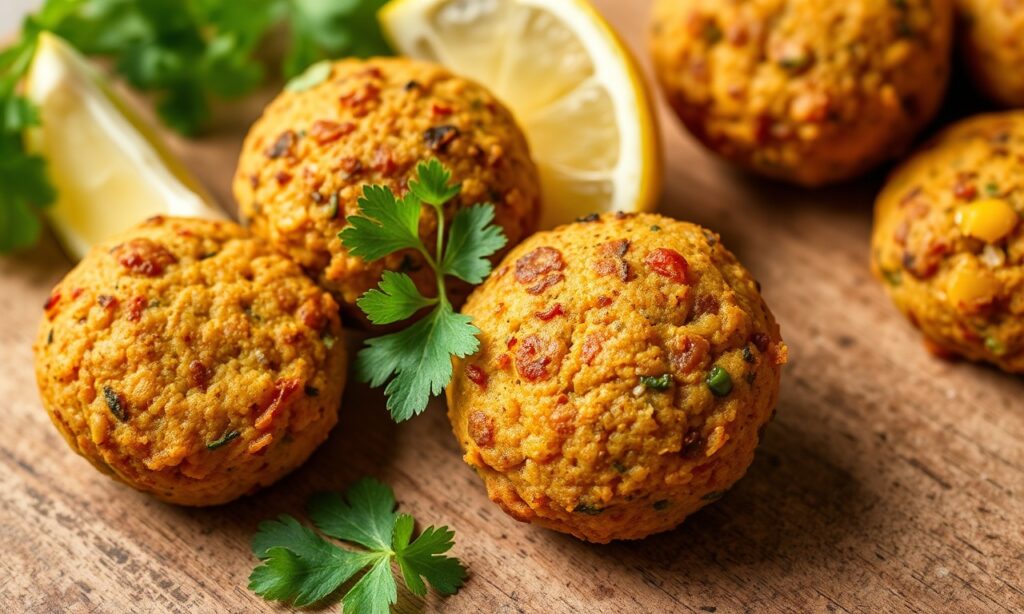
A1: Egyptian falafel, also known as ta’ameya, is a traditional Middle Eastern snack made primarily from fava beans rather than chickpeas, which are popular in other regions. This switch gives Egyptian falafel a uniquely vibrant green interior and a slightly earthier flavor. It’s a beloved street food, crispy on the outside and soft inside, offering a fresh twist while staying delightfully gluten-free.
Q2: Why is Egyptian falafel considered gluten-free?
A2: Unlike many falafel recipes that sometimes incorporate flour or breadcrumbs as a binder, Egyptian falafel relies on ground fava beans combined with fresh herbs, onions, and spices. This natural combination holds together beautifully without the need for gluten-containing ingredients, making it a perfect snack for those avoiding gluten.
Q3: What spices and herbs give Egyptian falafel its distinctive flavor?
A3: Egyptian falafel is flavored with a fragrant blend of parsley, dill, cilantro, and green onions, mingling with ground coriander, cumin, and sometimes a hint of chili for a subtle kick. These fresh and earthy notes set ta’ameya apart, creating a herby, savory profile that bursts with each bite.
Q4: How is Egyptian falafel traditionally cooked and served?
A4: Traditionally, Egyptian falafel is deep-fried until golden and crisp. It’s commonly served in warm pita pockets or flatbreads, drizzled with tahini sauce, topped with fresh vegetables such as tomatoes, cucumber, and pickled turnips, and frequently accompanied by a side of salad or hot sauce. The interplay of textures and flavors makes every mouthful a vibrant experience.
Q5: Can Egyptian falafel be enjoyed by those following a vegan or vegetarian diet?
A5: Absolutely! Egyptian falafel is naturally vegan and vegetarian since it’s made entirely from plant-based ingredients. It’s a wholesome, protein-rich treat that fits perfectly into plant-centric diets without any compromise on taste or texture.
Q6: What makes Egyptian falafel a great option for a healthy diet?
A6: Beyond being gluten-free and plant-based, Egyptian falafel is packed with fiber, protein, and essential nutrients from the fava beans and fresh herbs. When prepared with a moderate amount of oil and paired with fresh vegetables, it becomes a nutritious, satisfying choice that supports digestive health and provides lasting energy.
Q7: How can I make Egyptian falafel at home? Any tips for beginners?
A7: To make authentic Egyptian falafel at home, start by soaking dried fava beans overnight, then grind them with fresh herbs and spices until you achieve a coarse paste. Keep the mixture slightly wet so it sticks together when forming patties. Fry in hot oil until crispy and golden. For a gluten-free, crispy texture, avoid adding flour—rely on the natural starch of the beans. Don’t be discouraged if your first batch isn’t perfect; with practice, you’ll master the balance of herbs and frying temperature for perfect ta’ameya.
Q8: Where can I find Egyptian falafel outside of Egypt?
A8: Egyptian falafel has gained worldwide acclaim and is frequently available in Middle Eastern or Mediterranean restaurants globally. Look for eateries specializing in Egyptian cuisine or Middle Eastern street food. Some specialty grocery stores also sell frozen or ready-made Egyptian falafel, making it easier than ever to enjoy this gluten-free delight at home.
Enjoy the vibrant flavors and wholesome goodness of Egyptian falafel, a culinary jewel that beautifully bridges ancient tradition and modern dietary needs!
To Conclude
From the bustling streets of Cairo to your own kitchen, Egyptian falafel—known locally as ta’ameya—offers more than just a meal; it’s a crispy, flavorful journey steeped in tradition and wholesome ingredients. This gluten-free Middle Eastern delight not only satisfies the palate but also invites us to savor a rich cultural heritage with every bite. Whether you’re a seasoned foodie or new to plant-based flavors, embracing Egyptian falafel promises a delicious adventure that’s both nourishing and memorable. So next time you crave a snack that’s crunchy, vibrant, and naturally gluten-free, let ta’ameya transport you straight to the heart of Egypt’s culinary magic.
See also: Egyptian Falafel