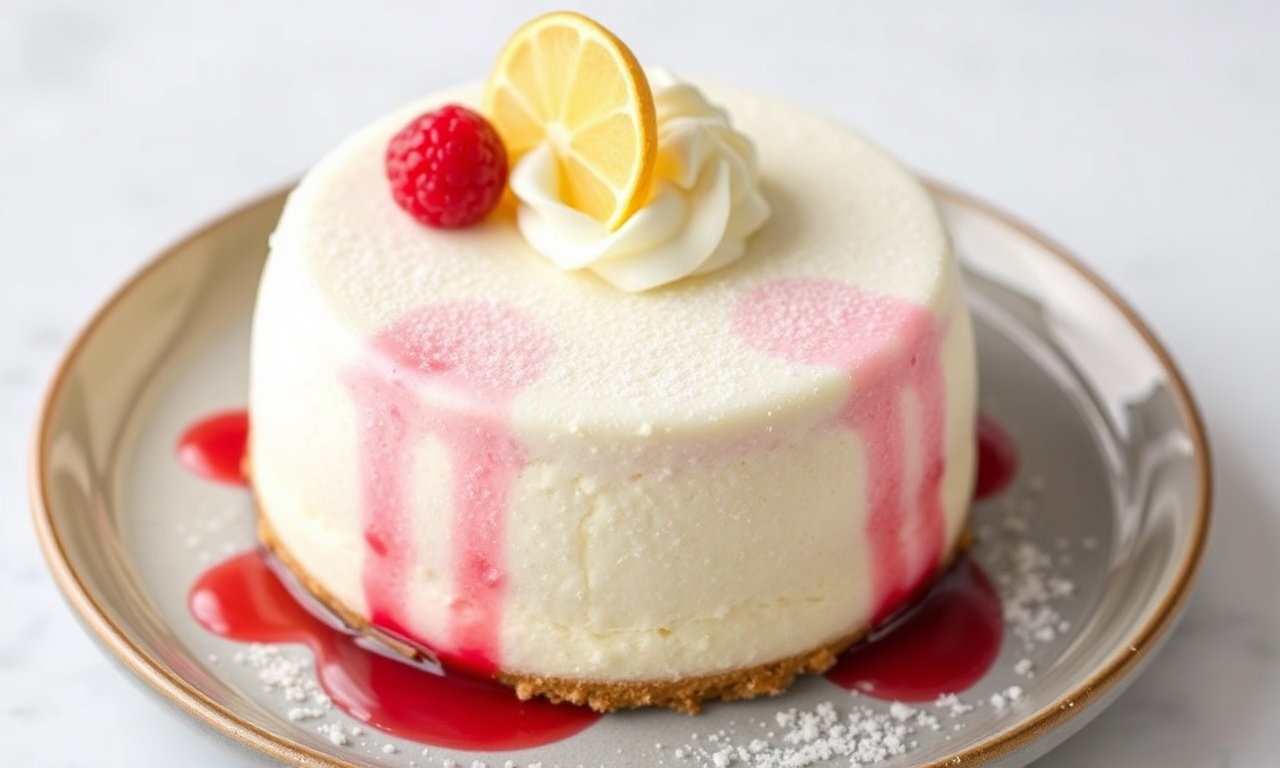
in desserts, few creations manage to balance lightness and indulgence quite like the Japanese cotton cheesecake. Frequently enough described as a cloud on a plate, this ethereal treat captivates with its billowy texture and subtle sweetness, inviting dessert lovers to experience a new dimension of flavor and finesse.
“Fluffy Delight: Unveiling the Magic of Japanese Cotton Cheesecake” explores the origins, techniques, and cultural charm behind this unique confection, revealing why it has captured hearts-and palates-around the world. Prepare to start where science meets artistry, and every bite promises a melt-in-your-mouth moment of pure delight.
The Art of Achieving Perfect Fluffiness in Japanese Cotton Cheesecake
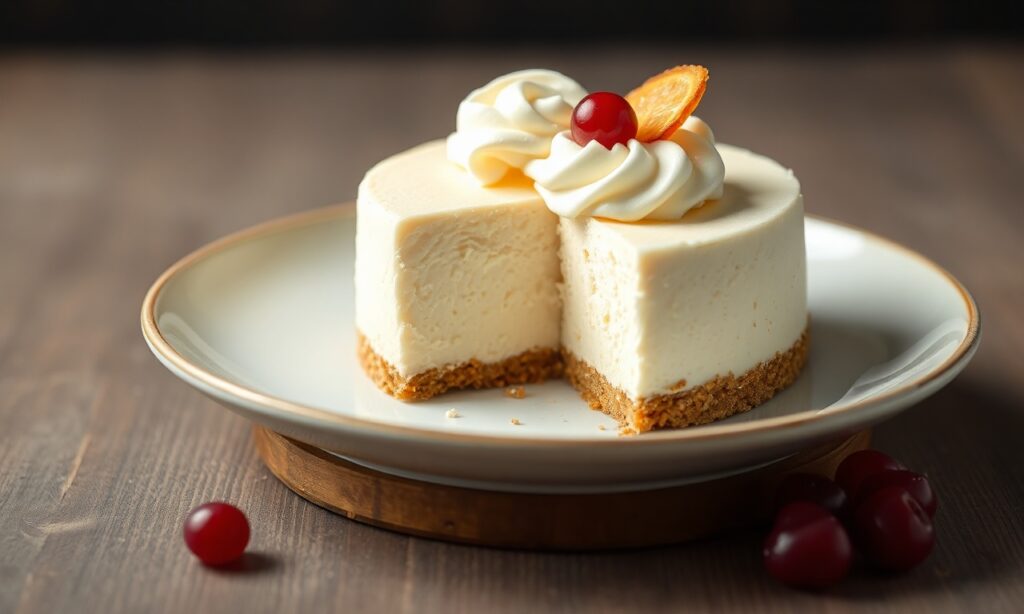
Fluffy Delight is more than just a dessert-it’s an experience that awakens the senses with its ethereal texture and subtle sweetness. Originating from Japan, the cotton cheesecake is renowned for its cloud-like consistency, a delicate balance achieved through the harmony of carefully selected ingredients and meticulous technique. My first encounter with this cheesecake was unforgettable-a slice so airy it nearly melted on my tongue,leaving behind a lingering,creamy flavor that felt both comforting and refined.
Japanese Cotton: Prep and Cook Time
- Preparation Time: 20 minutes
- Cooking Time: 50 minutes
- Cooling Time: 2 hours (recommended)
Yield
Serves 8 generous slices
Difficulty Level
Medium – requires careful folding and temperature control, but achievable with patience
Ingredients
- 250g cream cheese, softened to room temperature
- 50g unsalted butter, melted and cooled
- 100ml whole milk, warmed
- 6 large eggs, separated (whites and yolks)
- 140g granulated sugar, divided (70g + 70g)
- 60g cake flour, sifted
- 20g cornstarch, sifted
- 1/4 tsp cream of tartar (optional, to stabilize egg whites)
- 1 tsp vanilla extract
- Pinch of salt
Instructions
- Preheat your oven to 320°F (160°C). Prepare an 8-inch round springform pan by lining the base with parchment paper and lightly greasing the sides. Set a large roasting pan aside for the water bath.
- Warm the cream cheese in a heatproof bowl over simmering water until softened and smooth.Remove from heat and whisk in the unsalted butter, then gradually add the warmed milk, mixing until fully combined and glossy.
- Whisk the egg yolks and 70g sugar until light and creamy. Stir in the vanilla extract and the cream cheese mixture, blending to a smooth batter.
- Sift together cake flour, cornstarch, and salt. Gently fold the dry ingredients into the wet mix in two batches, maintaining an airy texture without overmixing.
- In a large, clean bowl, beat the egg whites with cream of tartar (if using) until foamy. Gradually add the remaining 70g sugar and continue beating to form glossy, stiff peaks.
- Carefully fold one-third of the meringue into the batter to lighten it. Then fold in the remaining egg whites gently but thoroughly, preserving as much air as possible to ensure fluffiness.
- Pour the batter into the prepared pan. Place the pan inside the roasting pan. Pour hot water into the roasting pan until it reaches halfway up the sides of the springform pan, creating a water bath.
- Bake for 50 minutes. The center should be set but slightly jiggly. If the surface browns too quickly, tent loosely with foil.
- Turn off the oven and leave the cheesecake inside with the door ajar for 15 minutes to prevent sudden temperature changes that cause cracks.
- Remove from oven and water bath. Run a thin knife around the edge to loosen, then cool completely on a wire rack. Chill in the refrigerator for at least 2 hours before unmolding and serving.
Why Japanese Cotton Matters: Tips for success
- Room temperature ingredients are essential to achieve a uniform batter and prevent lumps.
- Do not overfold the meringue into the batter; use gentle folding strokes to preserve air bubbles that create fluffiness.
- Water bath baking ensures even heat distribution, preventing cracks and giving the cheesecake its signature soft texture.
- Use a springform pan for easy release while maintaining shape stability.
- If unavailable, soak cream cheese in a warm water bath before mixing to achieve a buttery smooth blend.
- for a dairy-free alternative, substitute milk with full-fat coconut milk and use vegan cream cheese-texture may vary.
- make-ahead: The cheesecake holds beautifully in the fridge for up to 3 days,sealed well to preserve its fluffy delight.
Serving Suggestions
Serve slices chilled or at room temperature. For an elegant presentation, dust with powdered sugar or garnish with fresh berries like raspberries and blueberries. A light drizzle of honey or a spoonful of whipped cream enhances the creamy layers beautifully.Pair with a cup of green tea or a subtle floral tea like chamomile to complement the dessert’s delicate sweetness.
| Nutrient | Per Serving |
|---|---|
| Calories | 210 kcal |
| Protein | 6 g |
| Carbohydrates | 21 g |
| Fat | 12 g |
For further inspiration on fluffy desserts, explore our related recipes and deepen your passion for ethereal baking. Embrace the magic of lightness and let every bite of this cotton cheesecake become a moment of pure, fluffy delight.
Q&A
Q&A: Fluffy Delight – Unveiling the Magic of Japanese Cotton Cheesecake
Q1: what makes Japanese cotton cheesecake so different from traditional cheesecakes?
A1: Japanese cotton cheesecake is a marvel of texture and technique. Unlike dense, rich Western cheesecakes, it boasts a light, airy structure that almost floats on the tongue. This cake combines the creaminess of cream cheese with the delicate lift of whipped egg whites, creating a cloud-like experience that feels like biting into a sweet, velvety puff of air.
Q2: How is the signature fluffiness achieved in Japanese cotton cheesecake?
A2: The secret lies in the careful folding of meringue-whipped egg whites stiff and glossy-into the cream cheese batter. This method traps air bubbles, which expand during gentle baking, allowing the cake to rise gracefully without cracking or sinking. The baking process itself is often done in a water bath, ensuring even, moist heat that enhances tenderness.
Q3: What ingredients are essential for authentic Japanese cotton cheesecake?
A3: Simplicity and quality reign supreme.Key ingredients include cream cheese, eggs, sugar, milk, butter, and a touch of flour or cornstarch for structure. Each component matter significantly: the cream cheese provides a subtle tang, eggs create the meringue base, and flour lends just enough body to hold the airy form.
Q4: Can Japanese cotton cheesecake be flavored in creative ways?
A4: Absolutely! While the classic cake shines with its pure, delicate taste, variations incorporating yuzu zest, matcha powder, or even a hint of vanilla are popular. These subtle additions complement the cake’s gentle sweetness without overwhelming its signature fluffiness.
Q5: What’s the best way to serve this delightful dessert?
A5: Japanese cotton cheesecake is frequently enough enjoyed chilled or at room temperature, allowing its soft texture to fully reveal itself. It pairs wonderfully with fresh berries, a dusting of powdered sugar, or a light drizzle of fruit compote. Because it’s not overly sweet, it’s a versatile partner for a variety of accompaniments.
Q6: Is Japanese cotton cheesecake difficult to make at home?
A6: Though it requires attention to detail,especially when whipping and folding the egg whites,it’s very much achievable with patience. The key is gentle mixing and a low-temperature bake that nurtures the cake’s rise. With practice, home bakers can capture the ethereal magic of this Japanese classic.
Q7: How does the baking technique influence the outcome?
A7: Using a water bath (bain-marie) is traditional and critical. The steam creates a humid oven environment, preventing the cake from drying out or cracking. This gentle heat also ensures even cooking, resulting in the cheesecake’s signature jiggly, tender texture.
Q8: Can Japanese cotton cheesecake be stored, and how should it be kept?
A8: Yes, it can be stored in the refrigerator for up to three days, ideally covered to preserve moisture and prevent absorption of other odors. As of its delicate texture,it’s best eaten sooner rather than later. When ready to serve, letting it sit at room temperature for a short time enhances its softness.
This Q&A captures the enchanting qualities of Japanese cotton cheesecake,inviting readers to explore and appreciate the delicate science and art behind this luscious,airy dessert.
Insights and Conclusions
As the final forkful of japanese cotton cheesecake melts effortlessly on your tongue, you begin to understand why this delicate dessert has captured the hearts of sweet lovers around the world. Its airy texture, subtle sweetness, and cloud-like embrace are more than just a treat-they are an experience, a party of culinary artistry that transforms simple ingredients into pure delight.
Whether enjoyed in a bustling Tokyo café or crafted lovingly in your own kitchen, the magic of the Japanese cotton cheesecake lies in its ability to turn every bite into a moment of lightness and joy. So next time you crave somthing both fluffy and remarkable, remember this enchanting dessert that invites you to savor sweetness as soft as a whisper and as uplifting as a gentle breeze.
See also: Japanese Cotton