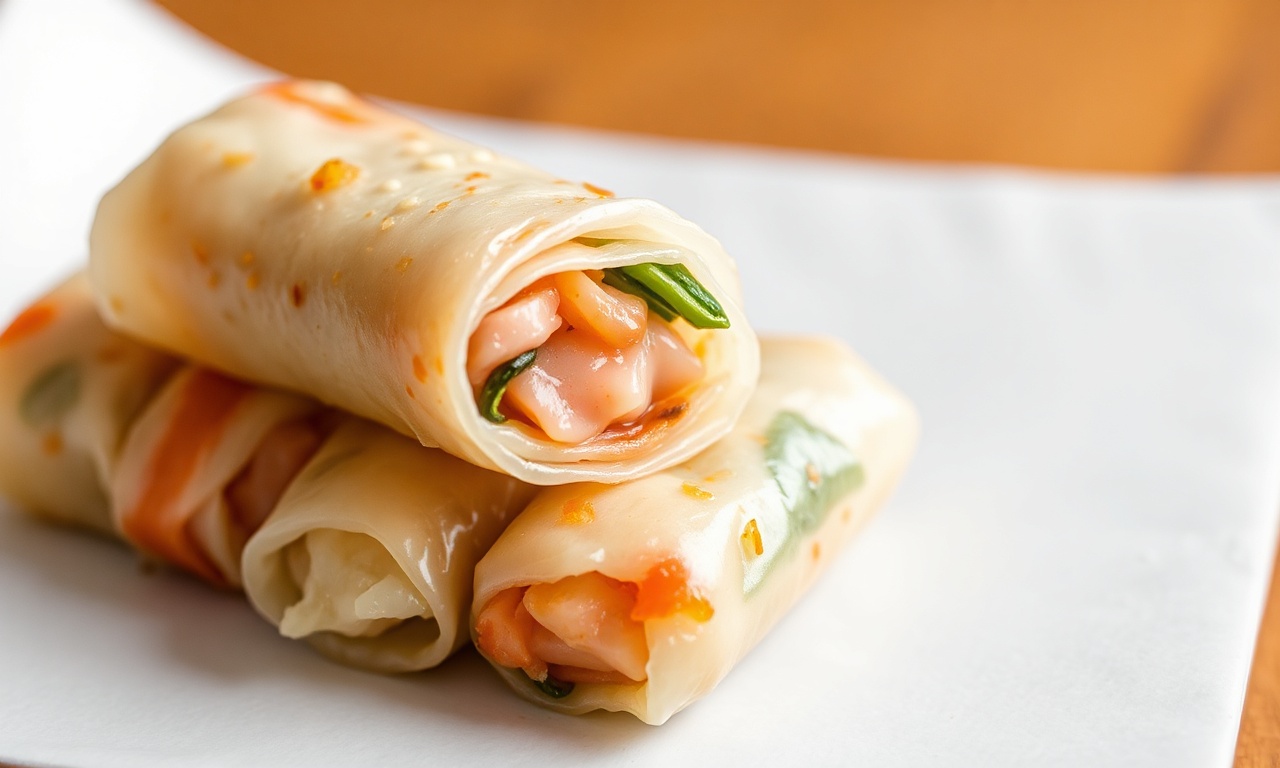
There’s a universal pleasure in the first bite of something perfectly crispy-an irresistible crackle followed by layers of rich, savory delight. Few dishes embody this sensation quite like Cha Gio,the iconic Vietnamese spring roll that has won hearts far beyond its homeland.
- Crispy Delight: Exploring the Art of Cha Gio Spring Rolls
- Cha Gio: Prep and Cook Time
- Yield
- Difficulty Level
- Choosing the Right Ingredients for Authentic Flavor Profiles
- Mastering the Perfect Wrapping Technique for Ultimate crispiness
- Expert Tips for Frying Cha Gio to Golden Perfection
- Ingredients
- Instructions
- Tips for Success
- Serving Suggestions
- Q&A
- Concluding Remarks
But behind its golden, crunchy exterior lies an art form honed through generations: a delicate balance of ingredients, technique, and patience that transforms humble rice paper and filling into a symphony of texture and flavour. we embark on a flavorful journey to explore the history, craftsmanship, and secrets behind Cha Gio-inviting you to discover why this crispy delight remains a beloved classic in Vietnamese cuisine and a tantalizing treat for food lovers worldwide.
Crispy Delight: Exploring the Art of Cha Gio Spring Rolls
crispy Delight: Exploring the art of Cha Gio spring Rolls offers a captivating journey into one of Vietnam’s most beloved appetizers. Originating from the southern regions of Vietnam, cha gio (Vietnamese fried spring rolls) carry a rich history rooted in family traditions and festive gatherings. These golden, crunchy delights bring a harmonious union of textures and savory flavors, making them an irresistible treat at every table.
Growing up watching my grandmother hand-roll each spring roll with care, I quickly learned that mastering the perfect cha gio means balancing crispiness with a deeply aromatic filling – a culinary art that I’m excited to share with you.
Cha Gio: Prep and Cook Time
- Preparation: 35 minutes
- Cooking: 15 minutes
- Total Time: 50 minutes
Yield
- Serves 6 (about 24 rolls)
Difficulty Level
- Medium – Ideal for keen home cooks ready to explore authentic wrapping and frying techniques
Choosing the Right Ingredients for Authentic Flavor Profiles
The foundation of phenomenal cha gio lies in carefully selecting fresh, vibrant ingredients that bring out authentic textures and aromas. The star performers include that provide a subtle chew, fragrant shiitake mushrooms for an earthy depth, and crisp carrots and jicama to lighten and add crunch. Umami-rich shrimp or ground chicken enhance the filling with succulent flavors, while aromatic garlic, onion, and a splash of fish sauce perfectly season the mixture.
Using rice paper wrappers guarantees that signature blistered crispiness after frying.
Mastering the Perfect Wrapping Technique for Ultimate crispiness
Wrapping cha gio might seem daunting at first, but practice transforms it into a graceful, satisfying rhythm. Lay a sheet of rice paper briefly on a damp cloth to soften – just enough to make it pliable but not soggy.
Place your filling slightly offset on the wrapper, then fold the bottom edge over the filling. Fold in the sides snugly and roll upward like a delicate package, sealing the edges with a dab of water. This tight wrap ensures the filling is compact and that the edges seal firmly, creating those coveted crisp pockets once fried. Visualize a neat, elongated cylinder that holds its shape without gaps.
Expert Tips for Frying Cha Gio to Golden Perfection
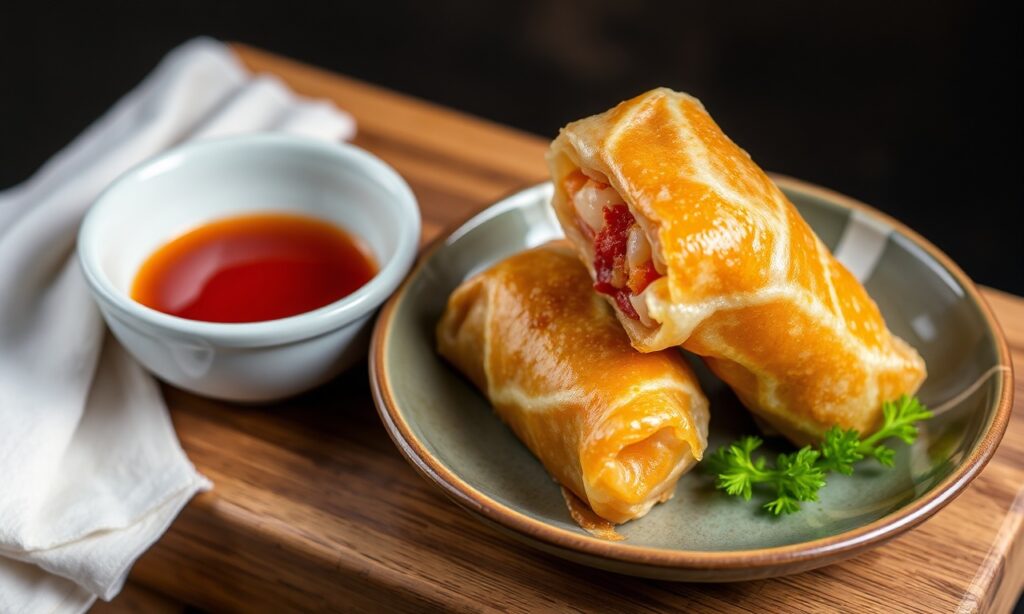
For that iconic crunch, frying technique is everything.Heat your oil to a precise 350°F (175°C) – too cool and the rolls absorb excess oil,too hot and they burn prematurely. Gently lower cha gio in small batches to prevent temperature drops, and fry for 4-6 minutes, turning occasionally until they transform into a glorious golden brown.
The sizzling sound is music to your ears, signaling the exterior’s crisp shell locking in juicy filling. Use a wire rack or paper towels to drain excess oil immediately, preserving that perfect texture. For healthier alternatives while maintaining crispness,try shallow frying with careful attention to timing and flipping.
Ingredients
- 24 sheets rice paper wrappers (about 7 inches diameter)
- 1 cup glass noodles (soaked and chopped)
- 1 cup dried shiitake mushrooms (rehydrated and finely chopped)
- 1 cup carrots (julienned or grated)
- 1 cup jicama (julienned, optional but highly recommended for crunch)
- 12 medium shrimp (peeled, deveined, chopped)
- 1 cup ground chicken (or substitute with firm tofu for vegetarian option)
- 3 cloves garlic (minced)
- 1 small yellow onion (finely diced)
- 2 tbsp fish sauce (or tamari for vegetarian)
- 1 tsp black pepper
- 2 tbsp vegetable oil (for sautéing filling)
- Enough vegetable oil for frying
Instructions
- prepare Filling: Heat vegetable oil in a large skillet over medium heat. Sauté garlic and onions until fragrant and translucent, about 3 minutes. Add ground chicken and shrimp; cook until opaque and just set, roughly 4-5 minutes.
- Add Vegetables: Stir in chopped shiitake mushrooms, carrots, jicama, and glass noodles. Season with fish sauce and black pepper. Cook,stirring occasionally,until vegetables are tender but still vibrant,about 4 minutes. Remove from heat and let cool slightly.
- Soften Wrappers: Briefly dip one rice paper sheet in warm water, lay flat on a clean damp cloth or cutting board – soften until pliable but not soggy (about 5 seconds).
- Assemble Rolls: Place 2-3 tbsp of filling about 2 inches from the bottom center of the wrapper. Fold bottom edge over filling, then fold in sides snugly. Roll tightly toward the top edge, sealing the edge with a dab of water.
- Heat Oil: In a deep frying pan or wok, heat vegetable oil to 350°F (175°C).Use enough to submerge at least half the rolls.
- Fry Rolls: Carefully add rolls in batches, frying until golden and crisp, turning occasionally for even color, about 4-6 minutes. Remove and drain on wire racks or paper towels to remove excess oil.
- Serve Warm: Serve immediately with traditional dipping sauce (nuoc cham) or a peanut hoisin dip for maximum flavor impact.
Tips for Success
- Maintain precise oil temperature for consistent crispiness and to prevent greasy rolls.
- Do not over-soak rice paper wrappers – brief dipping keeps them firm enough for rolling.
- Wrap rolls tightly to avoid splitting or open edges during frying.
- For a vegetarian twist, replace shrimp and chicken with firm tofu and mushrooms only.
- Make filling ahead and refrigerate; assemble right before frying to maintain freshness.
Serving Suggestions
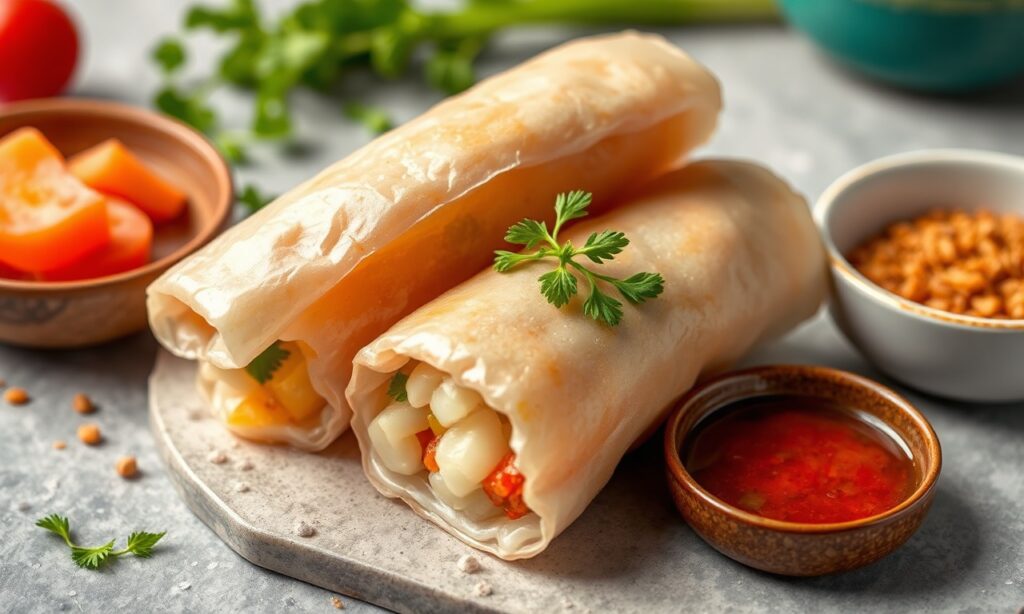
Present your cha gio on a large platter lined with crisp lettuce leaves and fresh herbs such as mint, coriander, and thai basil. Offer small bowls of nuoc cham dipping sauce – a tangy blend of lime juice, fish sauce, sugar, and chili – or a sweet and savory hoisin-peanut dip for a luscious complement.
Garnish with thinly sliced fresh chili and julienned carrots for added color and a hint of heat. Pairing these rolls with a fresh papaya salad or steamed jasmine rice makes for a well-rounded, memorable meal.
| Nutrient | Per Serving (4 rolls) |
|---|---|
| Calories | 280 |
| Protein | 18 g |
| Carbohydrates | 24 g |
| fat | 10 g |
Explore related: Authentic vietnamese Fish Sauce Dip
For further insight on Vietnamese culinary culture, visit Vietnamese cuisine.
Q&A
Q&A: Crispy Delight – Exploring the Art of Cha Gio Spring Rolls
Q1: What makes Cha Gio spring rolls uniquely flavorful?
A1: Cha Gio spring rolls stand out thanks to thier perfect balance of textures and flavors. The magic lies in the ultra-crispy exterior contrasted with a juicy,savory filling. The delicate rice paper wrapper crisps beautifully when fried, sealing in a vibrant mix of fresh vegetables, aromatic herbs, and seasoned proteins, creating a flavorful bite that dances on the palate.
Q2: What are the essential ingredients in a classic Cha Gio filling?
A2: A classic Cha Gio filling frequently enough features a harmonious blend of minced chicken, shrimp, or tofu, combined with glass noodles, mushrooms, carrots, and diced taro or jicama for a subtle crunch.Fresh garlic, shallots, and fish sauce (or a vegetarian substitute) add depth and umami, while a touch of black pepper and a hint of sugar balance the flavors.
Q3: How important is the wrapping technique in making Cha Gio spring rolls?
A3: Wrapping is an art form in itself. The rice paper must be handled gently but firmly to avoid tearing, ensuring the filling is tightly sealed to keep the spring roll intact during frying. Proper rolling technique also helps achieve a uniform shape, which promotes even cooking and that signature crunch all around. Practice and patience turn wrapping into a mindful, satisfying ritual.
Q4: What frying tips ensure a perfect crispy cha Gio?
A4: Temperature control is key! The oil should be hot enough-around 350°F (175°C)-to crisp the rice paper quickly without absorbing excess oil.Fry in small batches to maintain oil temperature. Turning spring rolls gently and consistently helps achieve an even golden color. once out, draining on paper towels prevents sogginess and keeps them irresistibly crisp.
Q5: Can Cha Gio spring rolls be enjoyed beyond the traditional dipping sauces?
A5: Absolutely! While the classic nuoc cham dipping sauce-a blend of lime, sugar, fish sauce, garlic, and chili-is iconic, Cha Gio can shine with other accompaniments too. Try spicy peanut sauce for a creamy kick, tangy tamarind glaze for a hint of sour sweetness, or even a zingy mango-chili relish. Each sauce adds its own character, enhancing the spring rolls in delightful ways.
Q6: Are there creative variations of Cha Gio suitable for different dietary preferences?
A6: definitely! Vegetarian and vegan versions swap out animal proteins for hearty mushrooms, tofu, or tempeh, infused with the same vibrant herbs and spices. there are also gluten-free renditions using alternative wrappers or flours.Experimenting with different fillings opens a world of flavors while honoring the crisp, golden essence of Cha gio.
Q7: What cultural significance do Cha Gio spring rolls hold?
A7: Cha Gio are more than just street food; they embody hospitality and party in Vietnamese culture. Often served during Lunar New Year and family gatherings, they symbolize prosperity and togetherness. Sharing these crispy delights invites warmth and connection, making every bite a delicious tradition.
Concluding Remarks
As the golden layers of a perfectly crafted Cha Gio spring roll dissolve into a symphony of textures and flavors, we are reminded that this beloved dish is more than just food-it’s an art form steeped in tradition and innovation.
Whether you’re a seasoned chef or an eager home cook, exploring the nuances of wrapping, frying, and seasoning unveils a world where crispy delight meets cultural heritage. So next time you savor that satisfying crunch,take a moment to appreciate the delicate balance and rich history rolled into every bite of Cha Gio-a true testament to the timeless joy of culinary craftsmanship.
See also: Cha Gio