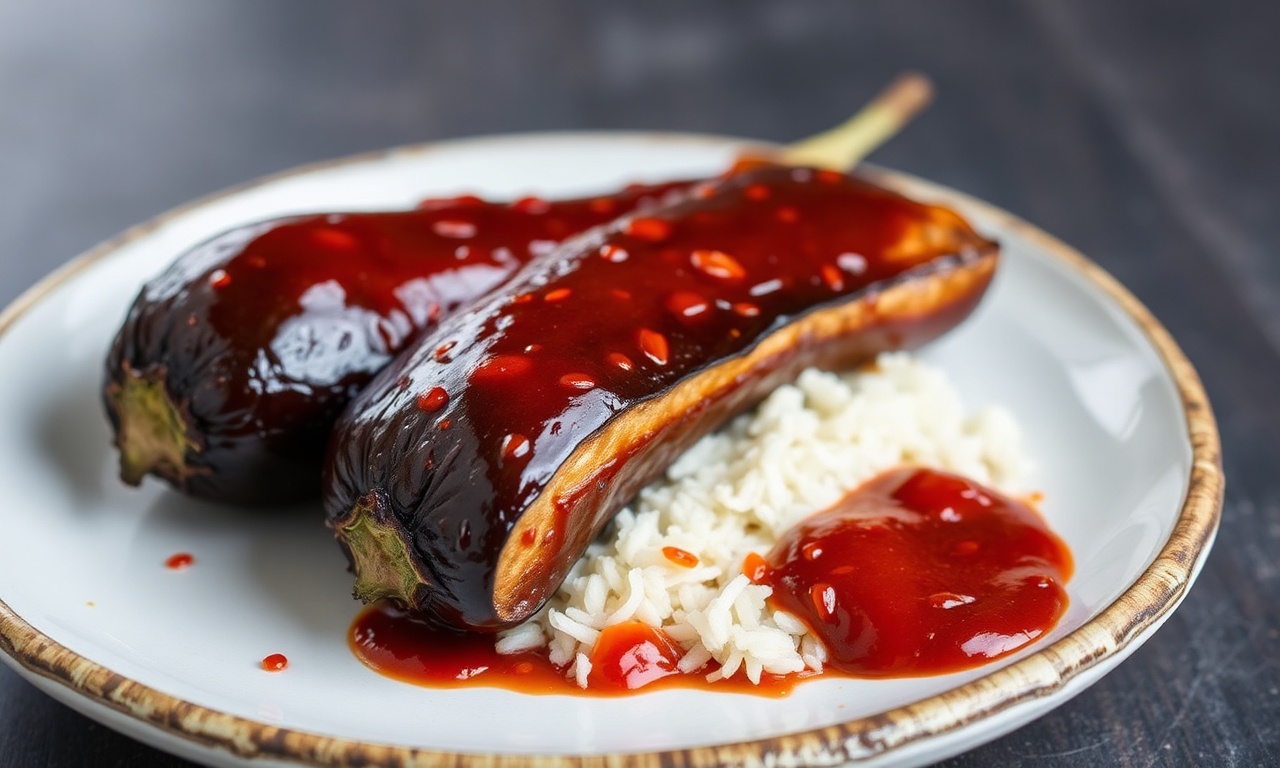
In the vibrant world of flavors, few ingredients capture the imagination quite like gochujang-a fiery, fermented Korean chili paste that dances between spicy, sweet, and savory with every bite. When this bold condiment meets the humble eggplant, magic happens: a delectable fusion of textures and tastes that transforms ordinary produce into an unforgettable culinary experience. Welcome to “Spicy Sweet Harmony: Gochujang-Glazed Eggplant Delight,” where tender, caramelized eggplant slices are cloaked in a tantalizing glaze that sings with warmth and depth. This dish not only celebrates the rich heritage of Korean cuisine but also invites home cooks to explore a symphony of flavors that’s as comforting as it is exciting.
When it comes to Spicy Sweet, Whether served as a vibrant appetizer or a satisfying main, this recipe promises to awaken your palate and redefine the appetizing potential of eggplant.
Spicy Sweet Harmony begins with a close look into the heart of Korean cuisine, where the iconic gochujang sauce transforms bowls, plates, and hearts alike. This fermented red chili paste, rich in umami, heat, and a subtle hint of sweetness, lends an unmistakably vibrant character to dishes. Rooted in centuries of tradition, gochujang’s origins trace back to ancient Korea when fermentation was not just preservation but a culinary art. Its complex flavor profile-earthy, spicy, subtly sweet, with fermented notes-makes it a perfect partner to the creamy, slightly smoky flesh of eggplant, elevating this vegetable into a sumptuous dish that sings on every bite.
Spicy Sweet: Prep and Cook Time
- Preparation: 15 minutes
- Cooking: 25 minutes
- Total Time: 40 minutes
Yield
Serves 4 as a delicious appetizer or side dish
Difficulty Level
Medium – approachable for confident home cooks ready to explore bold flavors
Ingredients
- 2 medium Japanese eggplants (about 10-12 ounces each), sliced lengthwise into ½-inch thick pieces
- 3 tablespoons gochujang (korean fermented chili paste)
- 2 tablespoons honey or maple syrup for a pure plant-based alternative
- 1 tablespoon soy sauce (check gluten-free if needed)
- 1 tablespoon toasted sesame oil
- 2 cloves garlic, finely minced
- 1 teaspoon freshly grated ginger
- 1 tablespoon rice vinegar
- 3 tablespoons vegetable oil (for frying)
- 1 teaspoon toasted sesame seeds, for garnish
- 2 scallions, thinly sliced for garnish
Instructions
- Prepare the Eggplant: Rinse the eggplants and pat dry. Slice each eggplant lengthwise into roughly ½-inch thick pieces to ensure maximum surface area for caramelization and glaze absorption.
- Salt the Eggplant Slices: Lightly sprinkle both sides with salt and let them rest for 10 minutes. This draws out excess moisture and prevents sogginess. Rinse off the salt and pat dry with paper towels.
- Make the Gochujang Glaze: In a small bowl, whisk together the gochujang, honey, soy sauce, toasted sesame oil, garlic, ginger, and rice vinegar until smooth and vibrant. This glaze balances heat with sweet and tangy notes that embody Spicy Sweet Harmony.
- Heat the Pan: Warm a large skillet over medium-high heat and add the vegetable oil. Once shimmering, add eggplant slices in a single layer without crowding.
- Cook the Eggplant: Sauté until the bottom side is golden brown and tender, about 4-5 minutes. Flip gently and cook the other side similarly. The eggplant should be creamy inside with a slightly crispy exterior.
- Glaze the Eggplant: Reduce heat to medium-low. Brush or spoon the gochujang glaze over each slice, allowing it to caramelize lightly-about 2 minutes per side. Use a spatula to turn carefully, preventing the glaze from burning while letting it thicken luxuriously.
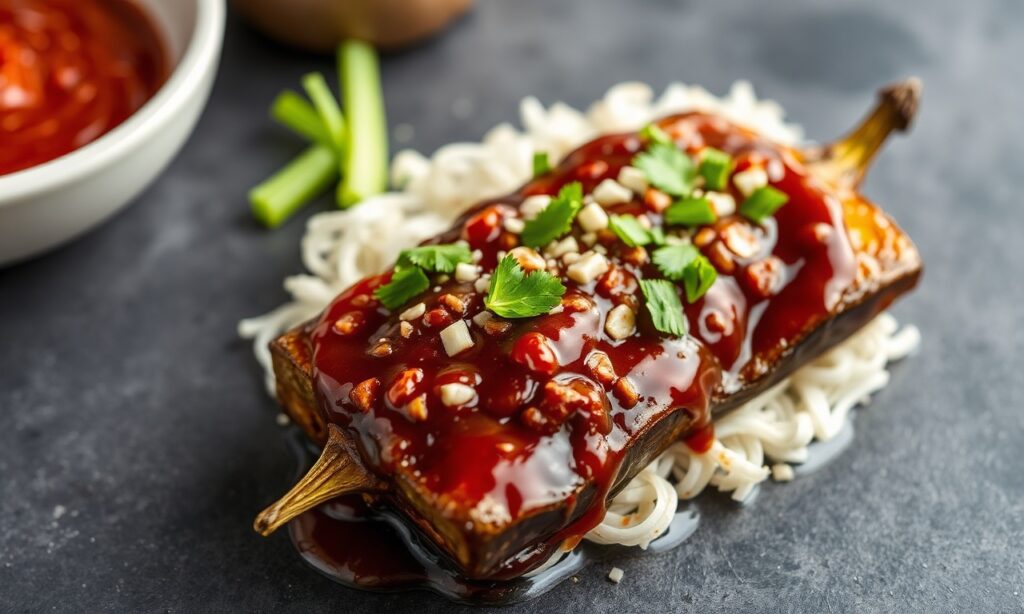
- Plate and Garnish: Arrange the glazed eggplant on a serving platter. Sprinkle with toasted sesame seeds and sliced scallions for a fresh finish and visual contrast.
Tips for Success: Mastering Spicy Sweet Harmony
- Choosing Eggplant: Seek out Japanese or Chinese eggplants-they’re thinner and sweeter with fewer seeds, producing the best texture and flavor contrast for this glaze.
- Controlling Heat: Adjust the heat level by modifying the quantity of gochujang or balancing with extra honey. Remember, the paste is spicy but also deeply savory.
- Glaze Consistency: If your glaze feels too thick, add a splash of water or rice vinegar to loosen it slightly for perfect coating.
- Make-Ahead: The glaze keeps refrigerated for up to one week. Prepare in advance for easier assembly and more developed flavor infusion.
- Oven Finishing: For a hands-off approach, consider broiling the glazed eggplants for 1-2 minutes on each side to caramelize.
Why Spicy Sweet Matters: Serving Suggestions to Elevate Your Creation
In the context of Spicy Sweet, Present this dish on a rustic wooden board or minimalist white plate to let the glossy red glaze dazzle the eyes. Pair with steamed jasmine rice or a chilled cucumber salad to cut through the spicy richness effortlessly. For garnish, sprinkle extra toasted sesame seeds and a few shards of fresh chili if you want an added kick.
Complement the flavors with a light Korean-inspired side dish such as kimchi fried rice-the acid and fermented notes elevate the spicy sweet harmony beautifully.
| Nutrient | Per Serving |
|---|---|
| calories | 180 kcal |
| Protein | 3 g |
| Carbohydrates | 22 g |
| Fat | 8 g |
For a deeper understanding of gochujang’s unique fermentation process, visit Wikipedia’s article on Gochujang. Exploring these roots enriches thankfulness of this bold, spicy sweet harmony on your plate.
Q&A
Q&A: Spicy Sweet Harmony: Gochujang-Glazed Eggplant Delight
Around Spicy Sweet, Q1: What makes the Gochujang-Glazed Eggplant Delight so special?
A1: This dish is a symphony of flavors where the bold, smoky heat of gochujang – a Korean red chili paste – partners beautifully with the natural sweetness and creamy texture of tender eggplant. The glaze caramelizes to a perfect sticky sheen, creating layers of spicy-sweet harmony that dance on your palate.
Regarding Spicy Sweet, Q2: Can you describe the flavor profile of gochujang?
A2: Gochujang is a fermented chili paste with complex notes of umami, sweetness, and vibrant heat. Unlike straightforward hot sauces, it blends red chili peppers, glutinous rice, fermented soybeans, and salt, resulting in a mellow but deeply savory spice that adds depth and character to any dish.Q3: Why choose eggplant as the star of this recipe?
A3: Eggplant’s spongy flesh acts like a flavor magnet, soaking up the rich gochujang glaze with ease. When roasted or grilled, it develops a luscious, smoky softness that contrasts beautifully with the sticky, punchy sauce.
When it comes to Spicy Sweet, It’s also a hearty vegetable that makes this dish satisfying and considerable.Q4: How do you prepare the gochujang glaze for the eggplant?
A4: The glaze typically combines gochujang with ingredients like honey or brown sugar for sweetness, soy sauce for saltiness, garlic and ginger for aromatic punch, and a splash of sesame oil to round out the flavor. Gently simmering these together creates a luscious, thick sauce that clings seductively to the eggplant slices.
In the context of Spicy Sweet, Q5: What cooking methods work best for this dish?
A5: Roasting or grilling the eggplant is ideal. Both methods soften the eggplant and bring out its natural sweetness while adding a subtle char that complements the smoky notes in the glaze. After cooking, the glaze is brushed on generously and can be broiled briefly for that enticing caramelized finish.
Around Spicy Sweet, Q6: Are there any garnishes or accompaniments you’d recommend?
A6: Absolutely! Toasted sesame seeds add a nutty crunch, fresh scallions bring a sharp bite, and a sprinkle of finely chopped cilantro or mint brightens the dish with herbal freshness. serving it alongside steamed jasmine rice or fluffy quinoa balances the intensity and rounds out the meal.
Q7: Is this dish suitable for special diets or meal preferences?
A7: Yes – this eggplant delight is naturally vegan and gluten-free if gluten-free tamari or soy sauce variant is used. It’s a great choice for plant-based diets and those seeking bold flavors without animal products, making it both inclusive and delicious.
Q8: Can I adapt this recipe if I don’t have gochujang on hand?
A8: While gochujang’s unique fermented flavor is central to this dish’s identity, you can experiment with a mix of chili paste or sauce diluted with a bit of miso and sweetener to mimic the depth and sweetness. However, sourcing authentic gochujang will yield the most authentic and layered results.
Q9: How do you achieve the perfect balance between spicy and sweet in this glaze?
A9: It’s all about tasting as you go! Start with a base ratio of gochujang to sweetener (like honey or maple syrup) around 2:1, then adjust according to your heat tolerance and sweetness preference. Adding a splash of acid, like rice vinegar or lime juice, can also brighten the glaze and balance richness.
Q10: What occasions is this dish best suited for?
A10: Whether you’re hosting a casual weeknight dinner or an elegant dinner party, this gochujang-glazed eggplant shines as a vibrant appetizer, side dish, or even a main course for vegetarians. Its impressive flavor and elegant presentation make it perfect for sharing and sparking conversation around the table.
Future Outlook
In the world of flavor, sometimes the most unexpected pairings create the most unforgettable experiences. The spicy-sweet dance of gochujang with tender, caramelized eggplant showcases just that-a harmony that delights the palate and elevates a humble vegetable into a culinary star. Whether served as a vibrant side dish or a satisfying main, this gochujang-glazed eggplant invites you to savor the bold contrasts and subtle nuances of Korean-inspired cuisine. So next time you crave a meal that’s both comforting and exciting, let this dish be your gateway to a world where heat and sweetness coexist in perfect balance.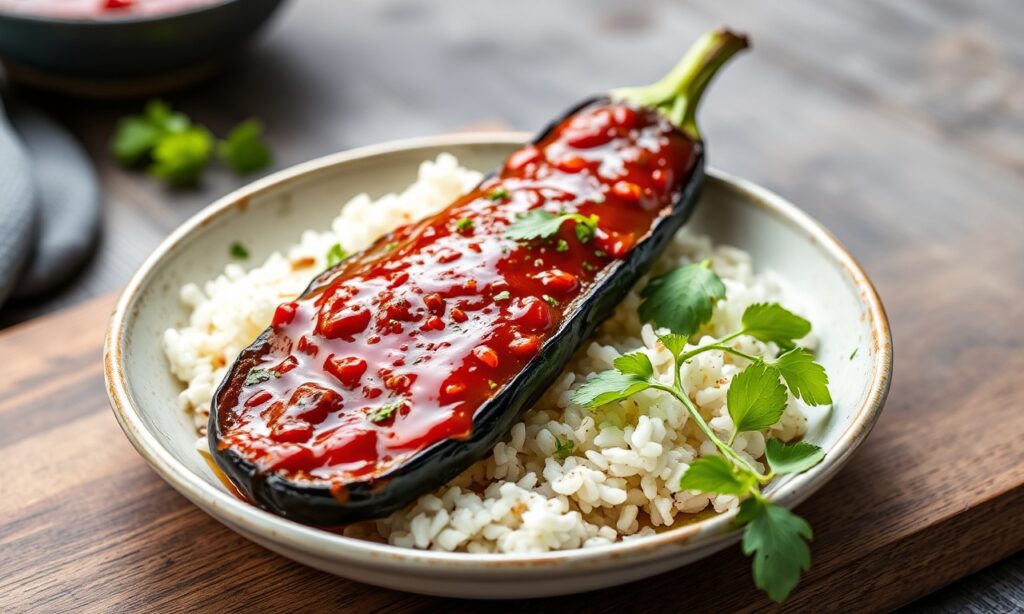
See also: Spicy Sweet