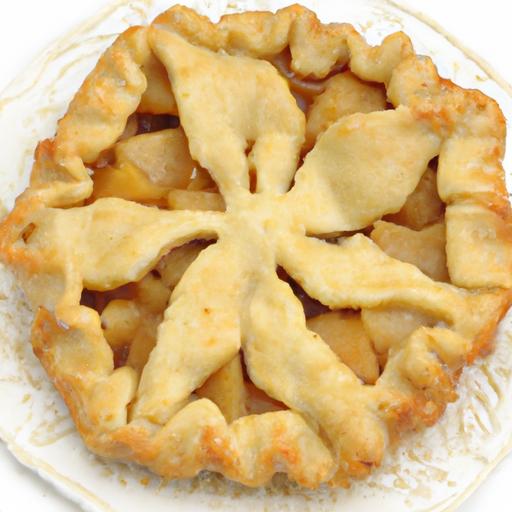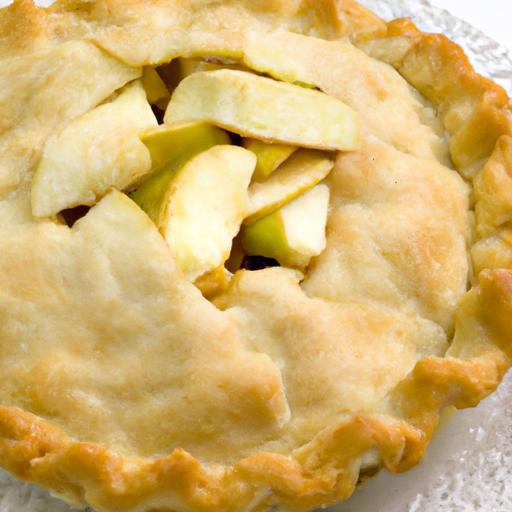
Few desserts capture the heart and hearth of a home quite like the classic apple pie. With its golden, flaky crust encasing tender, cinnamon-spiced apples, this beloved treat is more than just a sweet indulgence-it’s a slice of history, culture, and artistry baked into every bite.
From humble beginnings in ancient orchards to its iconic status on American tables, the apple pie tells a story that blends tradition with innovation. In this article, we delve into the rich tapestry of flavors, techniques, and tales that have shaped the timeless appeal of apple pies, exploring how this quintessential dessert continues to delight palates and inspire cooks around the world.
The Art and History Behind Classic Apple Pie Delights
The art and history behind classic apple pie delights is a journey into a cherished dessert that embodies comfort, tradition, and the perfect balance of sweet and tart flavors.
Originating from humble beginnings in Europe and evolving through American ingenuity, this timeless treat has become a symbol of home and celebration.whether it’s the scent of cinnamon spiced apples baking to golden perfection or the flaky, buttery crust that shatters with every bite, apple pie evokes nostalgia and an irresistible craving few can resist.
Prep and Cook Time
- Preparation: 30 minutes
- Chilling: 1 hour
- Cooking: 50 minutes
- Total Time: 2 hours 20 minutes
yield
One 9-inch pie (8 generous slices)
Difficulty Level
Medium – Perfect for confident home bakers ready to level up their pie skills!
Ingredients
- For the crust:
- 2 ½ cups all-purpose flour, sifted
- 1 teaspoon salt
- 1 tablespoon granulated sugar
- 1 cup (2 sticks) unsalted butter, cold and cubed
- 6-8 tablespoons ice water
- For the filling:
- 6 large apples (a mix of Granny Smith and Honeycrisp), peeled, cored, and sliced thinly
- ¾ cup granulated sugar
- ¼ cup packed dark brown sugar
- 1 teaspoon ground cinnamon
- ¼ teaspoon ground nutmeg
- 1 teaspoon lemon juice
- 3 tablespoons all-purpose flour
- 2 tablespoons unsalted butter, cut into small pieces
- 1 large egg, beaten (for egg wash)
- Coarse sugar for sprinkling (optional)
Instructions
- Make the crust: In a large bowl, whisk together flour, salt, and sugar. Add the cold, cubed butter and use a pastry blender or your fingertips to cut the butter into the flour until mixture resembles coarse crumbs with pea-sized pieces.
- Slowly add ice water, one tablespoon at a time, mixing gently with a fork until the dough begins to come together. Do not overwork; the dough should just hold together when pressed.
- divide the dough in half, shape each into a disk, wrap tightly in plastic wrap, and refrigerate for at least 1 hour to relax and chill.
- Prepare the filling: In a large bowl, toss the sliced apples with lemon juice. Add granulated sugar, brown sugar, cinnamon, nutmeg, and flour. Toss gently to combine, ensuring every slice is coated in the fragrant spice mixture.
- Preheat the oven to 425°F (220°C). Remove one dough disk from the refrigerator and roll out on a floured surface into a 12-inch circle. Carefully place in a 9-inch pie dish, letting the edges hang over the sides.
- Pour the apple filling evenly into the crust, mounding slightly in the center. Dot the surface with small pieces of butter for extra richness.
- Roll out the second dough disk into a similar circle. Cover the filling with the top crust, trimming excess dough and crimping edges to seal.
- Brush the top crust with beaten egg for a golden finish and sprinkle with coarse sugar for sparkle and crunch.
- Cut several small slits in the top to vent steam during baking.
- Bake at 425°F for 15 minutes, then reduce temperature to 350°F (175°C) and bake for another 35 minutes or until the crust is golden and the filling is bubbly.
- Allow the pie to cool for at least 2 hours before slicing to let the juices thicken and settle.
Tips for Success: Crafting the Perfect Apple Pie Crust
- Keep everything cold: Chilled butter and ice water prevent the dough from becoming too soft, resulting in a flaky, tender crust.
- Use the right apples: Combine tart Granny Smith for structure with sweet Honeycrisp for complexity.This balance brightens the filling and prevents mushiness.
- Don’t overmix the filling: Toss apples gently with the sugars and spices to preserve the integrity of the slices.
- Shield the crust edges: If browning too quickly, cover edges with foil halfway through baking to avoid burning.
- Make ahead: Pie dough can be made and refrigerated up to 2 days ahead or frozen for up to 1 month.
Serving Suggestions: Elevate Every Slice
Serve your apple pie warm or at room temperature with a scoop of vanilla bean ice cream or a dollop of freshly whipped cream. A drizzle of salted caramel sauce adds indulgence and depth. Garnish each slice with a light dusting of cinnamon or crushed toasted walnuts for a delightful crunch.
Pair with a hot cup of spiced apple cider or bold black coffee to complete the experience.

| Nutrient | Per Serving (1 slice) |
|---|---|
| Calories | 350 |
| Protein | 3g |
| Carbohydrates | 55g |
| Fat | 12g |
For a deeper dive into fruit pie baking techniques, check out our related article on perfect fruit pies. To learn the historical roots and variations of apple pie worldwide, visit the History Channel’s apple pie feature.
Q&A
Q&A: The Art and History Behind Classic Apple Pie Delights
Q1: What makes apple pie such an iconic dessert?
A1: Apple pie is more than just a dessert; it’s a symbol of comfort, tradition, and home.
Its iconic status stems from its simple yet perfect combination of sweet,tart apples and buttery,flaky crust-an edible embodiment of nostalgia that resonates across cultures,especially in America,where it’s often equated with wholesome values and family gatherings.
Q2: Where and when did apple pie originate?
A2: While apple pie is often dubbed “America’s favourite,” its roots reach back to medieval Europe. The earliest recorded recipe dates to 1381 in England, featuring apples, figs, raisins, and pears wrapped in a crust. Over centuries, the recipe evolved-crossing oceans with settlers and adapting to local ingredients until the apple pie we cherish today took shape in colonial America.
Q3: What defines a classic apple pie filling?
A3: The art lies in balancing flavors and textures. Classic filling combines tart apples (like Granny Smith or Northern Spy) with sugar,a pinch of cinnamon,and sometimes nutmeg or cloves.The apples need to be tender yet firm after baking,maintaining a slight bite,while the spices add a warm complexity that transforms simple fruit into a harmonious symphony of flavor.
Q4: How has the crust influenced the apple pie’s enduring appeal?
A4: The crust is the pie’s golden armor-it must be buttery, flaky, and sturdy enough to hold the luscious filling without becoming soggy. Mastering the art of pie dough involves cold butter,minimal handling,and precise rolling. Whether top-and-bottom or lattice, the crust isn’t just a vessel; it’s a textural delight that elevates the entire eating experience.
Q5: Are there regional variations of apple pie that tell different stories?
A5: Absolutely! In New England, you might find apple pies with a crumb topping rather of a second crust, showcasing a rustic touch. Appalachian versions often add molasses or sorghum syrup for depth. Even internationally,the concept shifts: in Dutch apple pie,a streusel topping reigns supreme,while French tarte Tatin flips the pie upside down,caramelizing the apples for a rich twist.
Q6: How has apple pie influenced popular culture and traditions?
A6: Apple pie’s influence permeates far beyond the kitchen.It’s ingrained in Americana-referenced in songs, literature, and even political rhetoric as a metaphor for simplicity and wholesomeness. Holiday tables and family reunions wouldn’t be complete without it, reinforcing bonds and invoking memories baked into each slice.
Q7: Can the art of apple pie be modernized without losing its essence?
A7: Certainly! Modern takes might incorporate choice crusts (think almond flour or gluten-free versions), inventive fillings with caramel or cranberries, or creative presentations like mini hand pies. Yet, the essence remains: honoring the apple’s flavor, balancing sweetness and spice, and crafting a crust that invites you to savor every bite.
Q8: what tips can home bakers use to perfect their classic apple pie?
A8: Patience and precision are key. Use a mix of apple varieties for complexity, chill your dough thoroughly, and don’t overload the filling-too much moisture can lead to a soggy bottom. Vent your top crust well to release steam, and bake until the crust is golden and the filling bubbles enticingly. Remember,each pie tells a story-take your time to craft it lovingly.
This Q&A beautifully blends the art, history, and culinary secrets behind classic apple pie, inviting enthusiasts to appreciate the depth behind this beloved dessert.
Concluding Remarks
As we close the chapter on the storied journey of classic apple pie, it becomes clear that this humble dessert is far more than just a sweet treat. It is a tapestry woven from centuries of tradition, regional twists, and countless kitchens where family recipes were born and perfected. Each flaky crust and tender, spiced slice carries with it whispers of history and a celebration of craftsmanship.
Whether enjoyed on a sunlit autumn afternoon or a festive holiday table, apple pie remains a appetizing emblem of comfort and heritage-an enduring symbol that reminds us how food can connect us across time and culture. So, the next time you savor a warm slice of this timeless delight, remember you’re tasting a piece of living history, lovingly baked and endlessly cherished.