There’s something timeless about the warm, golden crust of a well-baked focaccia-a humble bread that carries with it centuries of Italian tradition. When infused with the piney, fragrant essence of fresh rosemary, this classic flatbread transforms into an aromatic masterpiece that delights both the senses and the soul. In “Aromatic Rosemary-Infused Focaccia: Flavor Meets Tradition,” we’ll explore how this simple yet elegant infusion elevates focaccia beyond ordinary bread, weaving together heritage, flavor, and the art of baking into every irresistible bite.
Whether you’re a seasoned baker or a curious food lover, prepare to discover the magic of rosemary’s fragrant touch and the stories baked right into the crust.
aromatic Rosemary-Infused Focaccia captures the rustic spirit of Mediterranean baking,marrying fragrant herbs with the warm,pillowy texture of golden bread. This traditional recipe evokes the sun-drenched coasts of Italy, where rosemary groves thrive and every household treasures the art of crafting the perfect focaccia dough. From the moment you roll out the dough until the final drizzle of olive oil embellishes the crust, you’ll be enveloped in an inviting aroma that speaks of heritage, comfort, and unforgettable flavor.
Prep and Cook Time
Preparation: 20 minutes | Rising: 1 hour 30 minutes | Baking: 25 minutes
Yield
Serves 6 generous portions
Difficulty Level
Medium – Perfect for those familiar with basic bread-making and eager to elevate their skills
Ingredients
- 3 ½ cups all-purpose flour, sifted
- 1 tbsp active dry yeast
- 1 ¼ cups warm water (about 105°F)
- 2 tsp fine sea salt
- ⅓ cup extra virgin olive oil, divided
- 2 tbsp fresh rosemary, finely chopped (reserve sprigs for garnish)
- 1 tbsp coarse sea salt (for topping)
- Optional: Lemon zest for an uplifting citrus note
Instructions
- activate the yeast: In a small bowl, dissolve the yeast in warm water. Let it sit for 5 to 10 minutes until frothy, indicating the yeast is active.
- Mix dry ingredients: In a large bowl, combine the sifted flour and fine sea salt. Create a well in the center to pour the yeast mixture and 2 tablespoons of olive oil.
- Form the dough: Using a wooden spoon or your hands, gradually incorporate the flour into the liquid until a rough dough forms. Transfer to a lightly floured surface and knead for 8-10 minutes until smooth and elastic. Tip: The dough should be soft but not sticky; dust lightly with flour if necessary.
- First rise: Lightly oil a large bowl with olive oil, place the dough inside, and cover with a clean damp towel. Let rise in a warm spot until doubled in size, about 1 hour to 1 hour 15 minutes.
- Prepare the baking pan: Generously oil a 9×13-inch baking pan with 1 tablespoon of olive oil. Transfer the risen dough and gently stretch it to fit the pan,avoiding tearing.
- Second rise: Cover the dough loosely and let it rest for 20-30 minutes so it puffs slightly.
- Create dimples and infuse flavor: Using your fingertips, press deep dimples all over the dough’s surface. Drizzle the remaining olive oil evenly and scatter the chopped rosemary and coarse sea salt on top. For a subtle twist, zest fresh lemon over the surface.
- Bake: Preheat your oven to 425°F (220°C). Bake the focaccia for 22-25 minutes, or until golden brown with crispy edges. Oven tip: Rotate the pan halfway through to ensure even browning.
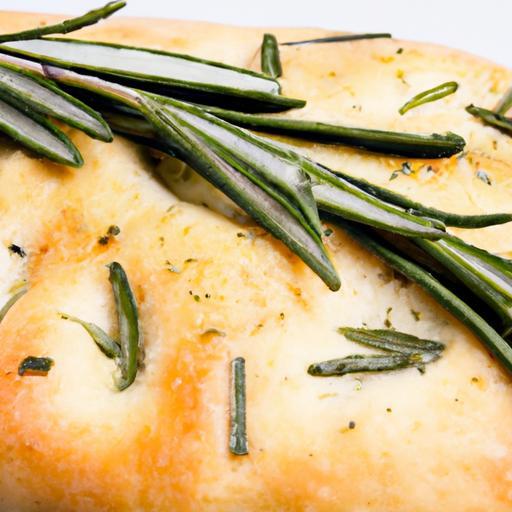
- Finish and cool: Remove the focaccia from the oven and instantly brush lightly with extra virgin olive oil. Garnish with fresh rosemary sprigs for a beautiful, aromatic presentation. Cool slightly before slicing.
Tips for success with aromatic Rosemary-Infused Focaccia
- Hydration matters: A slightly wetter dough yields an airy and open crumb. If your dough feels stiff, add water a teaspoon at a time during kneading.
- Olive oil choice: Use a high-quality extra virgin olive oil for both kneading and topping-this makes a noticeable difference in aroma and taste.
- Herb variations: While rosemary is the star, try adding cracked black pepper, thyme, or even a light dusting of smoked paprika for a mediterranean twist.
- Make ahead: After the first rise, refrigerate the dough overnight. Bring to room temperature before continuing with the second rise and baking.
- Crunchy crust tip: Place a shallow pan of water in the oven for steam during baking to develop a beautifully crisp crust.
Elevating Your Aromatic Rosemary-Infused Focaccia: Serving Suggestions and Pairings
This focaccia’s fragrant, herbaceous notes invite a world of pairing possibilities. Serve warm as a standalone snack, accompanied by a robust, aged olive oil or a creamy ricotta spread to enhance the texture contrast.
For a Mediterranean feast, complement with marinated olives, sun-dried tomatoes, and fresh mozzarella. Add a drizzle of balsamic glaze or a sprinkle of flaky sea salt just before serving to accentuate depth.Pair perfectly with a chilled glass of sparkling water with a splash of lemon or your favorite herbaceous tea to round out the sensory experience.
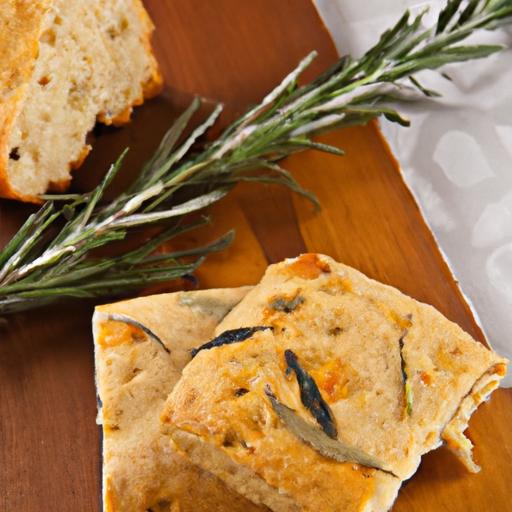
Slice the focaccia into thick squares and present on rustic wooden boards, garnished with sprigs of fresh rosemary and edible flowers for a vibrant, inviting display at your next gathering.
| Nutritional Info (per serving) | Calories | Protein | Carbs | Fat |
|---|---|---|---|---|
| Aromatic Rosemary-Infused Focaccia | 280 | 7g | 38g | 9g |
For further inspiration on Mediterranean herbs that work beautifully in baking,explore our mediterranean Herbs in Cooking article,or deepen your knowledge about rosemary’s culinary history with this Britannica entry on Rosemary.

Q&A
Q&A: Aromatic Rosemary-Infused Focaccia: flavor Meets Tradition
Q1: What makes rosemary such a perfect herb for focaccia?
A1: Rosemary carries a piney,slightly citrusy aroma that cuts through the bread’s richness with elegance. Its fragrant oils infuse the dough during baking, creating an earthy yet bright flavor profile that elevates the rustic charm of focaccia.
Q2: How does traditional focaccia differ from other types of flatbreads?
A2: Unlike thinner flatbreads,focaccia boasts a pillowy,airy crumb achieved through a well-hydrated dough and ample resting time. It combines the crusty exterior of artisan bread with the tenderness of a savory cake, often dimpled to cradle olive oil and herbs.
Q3: When should rosemary be added during the focaccia-making process for the best flavor?
A3: For maximum fragrance, fresh rosemary is best scattered atop the dough right before baking. Lightly pressing the sprigs into the surface ensures the flavor permeates each bite without overpowering the bread’s delicate crumb.
Q4: Can dried rosemary be used if fresh isn’t available?
A4: Absolutely! While fresh rosemary provides a brighter aroma, dried rosemary can still contribute a lovely piney warmth. Just crush the dried leaves gently before sprinkling to release their oils, and use a bit less as it’s more concentrated.
Q5: What role does olive oil play in rosemary focaccia?
A5: Olive oil is the heart and soul of focaccia-it tenderizes the dough, yields a golden crust, and acts as a flavor carrier for rosemary and salt.Generous drizzles before and after baking create luscious pockets of richness and a glossy finish.
Q6: Are there any tips for achieving the perfect focaccia texture?
A6: Patience is key. Allow the dough to rise slowly, preferably overnight in the refrigerator, which deepens flavor and improves structure. Also, don’t forget to create dimples with your fingertips before baking; they trap olive oil and herbs, resulting in that signature moist, chewy bite.
Q7: What are some aromatic toppings or additions that complement rosemary in focaccia?
A7: Ingredients like thinly sliced garlic, flaky sea salt, caramelized onions, or cherry tomatoes work beautifully alongside rosemary. These elements enhance the bread’s savory notes without stealing the spotlight from its herbal star.
Q8: How can rosemary focaccia be served to highlight its flavors?
A8: Serve it warm or at room temperature alongside soups, fresh salads, or as the base for vibrant bruschetta. Its aromatic, herbaceous quality also shines when paired with marinated vegetables or creamy cheeses like fresh mozzarella or ricotta.
Q9: Is rosemary focaccia suitable for dietary restrictions?
A9: Yes! Rosemary focaccia is naturally vegetarian and vegan when prepared without dairy or animal-based toppings. It’s a wholesome, flavorful option that can be enjoyed by many, whether as a snack or part of a larger meal.
Q10: Can rosemary focaccia be made ahead of time? How should it be stored?
A10: Definitely. After cooling, wrap focaccia tightly and store at room temperature for up to two days or refrigerate for extended freshness. to revive its just-baked magic, warm it briefly in the oven-this rekindles the aroma and restores that irresistible crust.
concluding Remarks
As the golden crust of your rosemary-infused focaccia emerges from the oven, it carries more than just the rich aroma of fresh herbs-it carries centuries of tradition woven into every tender crumb. This humble yet flavorful bread reminds us that the simplest ingredients,when treated with care and reverence,can transform into something exceptional. whether enjoyed alongside a rustic meal or savored on its own, aromatic rosemary focaccia invites you to experience a taste that transcends time, celebrating the enduring bond between flavor and heritage. So next time you bake or bite into a slice, remember: you’re not just eating bread-you’re partaking in a story as fragrant and lasting as rosemary itself.