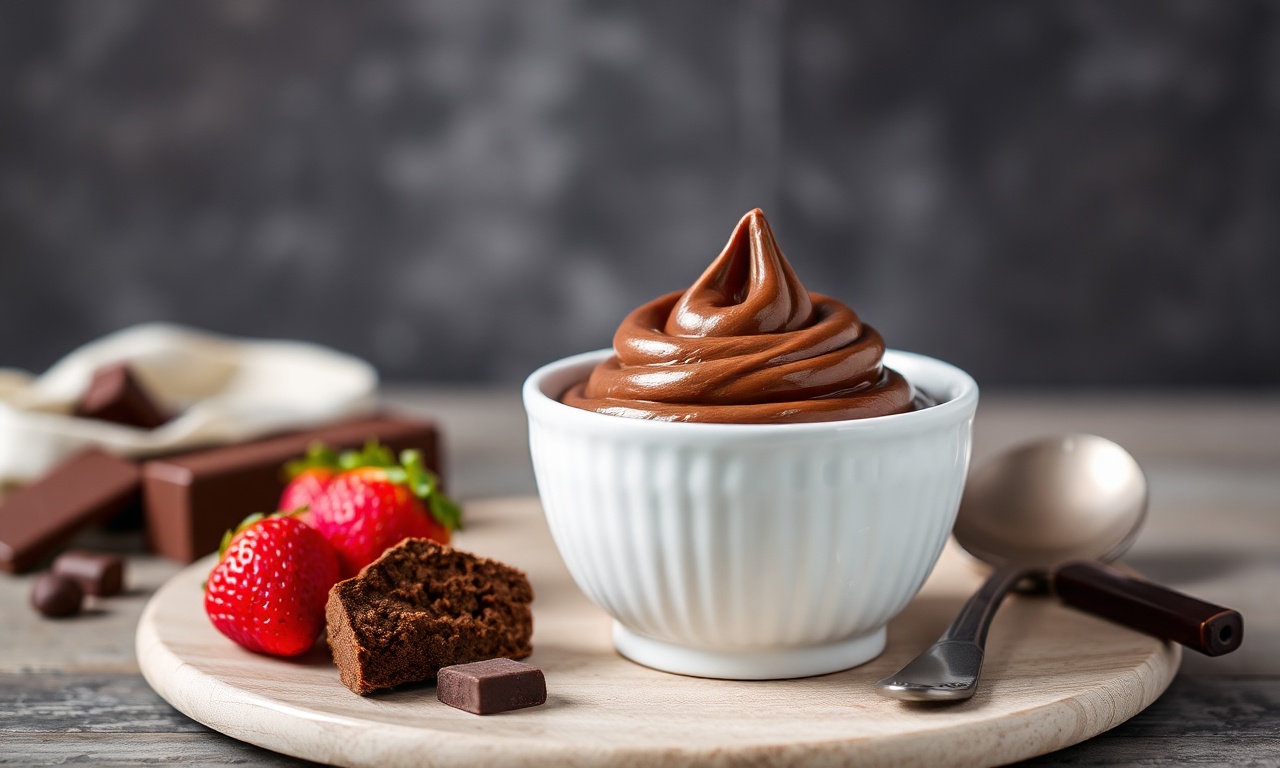
Chocolate pudding earns its reputation for comfort and elegance because it balances starch thickening, cocoa flavor, and dairy fat. When you control heat and temper egg yolks (if using), you get a pudding that stays smooth and spoonable.
- Why Chocolate Pudding Turns Silky (The Science)
- Chocolate Pudding Prep and Timing Guide
- Ingredients for Decadent Chocolate Pudding
- Step-by-Step: How to Make Chocolate Pudding
- 1) Combine the Dry Mix
- 2) Add Milk Without Lumps
- 3) Cook to the Right Thickness
- 4) Temper Egg Yolks for a Stable Custard
- 5) Combine and Finish Cooking
- 6) Melt Chocolate, Then Chill
- Tips for Success: Consistent Texture Every Time
- Flavor Enhancers and Creative Variations
- Serving Suggestions and Presentation Tips
- Nutritional Snapshot
- FAQ
At a Glance
- Heat activates starch to thicken and set a creamy body.
- Cocoa compounds shape flavor and color, especially as it blooms in dairy.
- Slow mixing prevents lumps and protects texture.
- Chilling refines mouthfeel as fats firm and flavors mellow.
Beyond taste, chocolate pudding follows repeatable food science. Cocoa powder contains flavor molecules and natural solids that disperse well in warm, fatty liquids. At the same time, starch granules absorb liquid and swell, which increases viscosity.
Craft then refines that foundation. You whisk for even dispersion, cook until the mixture thickens, and chill so the structure stabilizes. Together, these steps turn simple ingredients—milk, sugar, cocoa, and a thickener—into a reliable dessert.
In other words, chocolate pudding is not magic—it is measured technique. Once you understand how each ingredient behaves, you can adjust sweetness, thickness, and flavor intensity with confidence.
Why Chocolate Pudding Turns Silky (The Science)
Most chocolate pudding relies on starch thickening, usually cornstarch. When heated, starch granules swell and thicken the liquid. If the heat runs too high for too long, thickening can weaken or the texture can turn grainy.
Dairy fat also matters. Fat coats the tongue and carries cocoa aromas, which makes the flavor feel richer. Because milk fat firms slightly during chilling, the pudding gains a smooth, creamy set.
Egg yolks (when included) add emulsifiers and proteins. Those components help bind water and fat into a stable custard-like texture. If you skip tempering, yolks can scramble from sudden heat exposure.
For background on how starch behaves during cooking, see starch. For egg-based custard structure, review egg and how proteins respond to heat.
How Cocoa Powder Shapes Flavor and Color
Cocoa powder provides deep chocolate flavor thanks to compounds formed during cocoa processing. In warm pudding, these compounds dissolve and disperse more evenly, which improves aroma perception. Cocoa also contributes dark color that appears richer in a thick, opaque base.
Cocoa’s bitterness balances well with sugar, but sweetness also affects perceived thickness. When sugar dissolves, it changes how the dessert tastes at different temperatures. If you reduce sugar too much, the pudding may taste flatter and feel thinner.
For a trusted overview of cocoa types and processing, consult cocoa. For why some foods thicken and gel, pair that with viscosity concepts.
Chocolate Pudding Prep and Timing Guide
Good chocolate pudding starts with timing that protects texture. Your stovetop phase needs steady stirring, and your chilling needs enough time for the set to stabilize.
Also plan your workflow. If you temper yolks, keep the hot base nearby and pour slowly. This prevents curdling and maintains the smooth custard network.
Prep, Cook, and Chill Windows
- Preparation: 10 minutes
- Cooking: 15 minutes
- Chilling: 2 hours minimum
Yield and Difficulty
Serves: 4–6
Difficulty: Medium—best for cooks who can whisk steadily and temper yolks calmly.
Ingredients for Decadent Chocolate Pudding
Choose ingredients that support a smooth mouthfeel. Whole milk makes a richer base, while fine cocoa and fresh vanilla improve flavor clarity. If your cocoa feels clumpy, sift it for better dispersion.
Use cornstarch for a classic silky set. Cornstarch thickens at a relatively clear temperature range, which makes results consistent when you stir and cook to the right thickness.
Shopping List
- 2 ½ cups whole milk
- ½ cup granulated sugar
- ⅓ cup unsweetened cocoa powder, sifted
- 3 tbsp cornstarch
- 4 oz bittersweet chocolate, finely chopped
- 4 large egg yolks
- ½ tsp pure vanilla extract
- Pinch salt
- 2 tbsp unsalted butter, softened
Step-by-Step: How to Make Chocolate Pudding
Follow these steps in order. Each one builds toward a creamy, stable texture and a clean chocolate flavor.
If you’ve made custard before, you’ll recognize the tempering logic. If you haven’t, focus on slow pouring and constant whisking.
1) Combine the Dry Mix
- Whisk cocoa powder, sugar, cornstarch, and salt in a medium saucepan until blended.
- Cook nothing yet—this step simply prevents dry cocoa streaks and cornstarch lumps.
2) Add Milk Without Lumps
- Gradually whisk in cold milk. Stir until the mixture looks uniform and glossy.
- Stop when smooth. Overmixing at this stage won’t harm, but it’s unnecessary.
3) Cook to the Right Thickness
- Cook over medium heat, stirring continuously, until thickened and gently bubbling, about 6–8 minutes.
- When ready, the pudding should coat the back of a spoon.
4) Temper Egg Yolks for a Stable Custard
- Remove the pan from heat. Whisk egg yolks in a bowl.
- Temper: slowly drizzle about ½ cup of hot pudding into yolks while whisking.
5) Combine and Finish Cooking
- Pour tempered yolks back into the saucepan.
- Cook over low heat for 2 more minutes, stirring constantly until thick and smooth.
6) Melt Chocolate, Then Chill
- Stir in chopped bittersweet chocolate and butter until fully melted and glossy.
- Whisk in vanilla extract.
- Pour into ramekins or a bowl. Cover with plastic wrap pressed directly onto the surface.
- Chill at least 2 hours before serving.
Tips for Success: Consistent Texture Every Time
Chocolate pudding improves when you reduce variables. Small process tweaks—like sifting cocoa, stirring evenly, and tempering slowly—create large texture gains.
Also, remember that thickness changes as the pudding cools. It will set further in the fridge, so judge doneness by coating, not by a final countertop thickness.
Key Techniques
- Sift dry ingredients: cocoa powder and cornstarch clump easily.
- Stir gently but constantly: hot spots can cause graininess or early thickening.
- Temper yolks: slow heat transfer protects proteins from scrambling.
- Chill thoroughly: chilling lets the pudding structure stabilize.
Simple Variations (Still On-Brand)
If you want a stronger cocoa punch, add 1–2 extra teaspoons of cocoa powder (and reduce milk by 1–2 tablespoons to keep viscosity balanced). For a deeper, more grown-up flavor, use a pinch of espresso powder.
For spice, cinnamon and chili add warmth without changing the core technique. If you add fruit, keep it minimal and well-drained so extra water doesn’t thin the set.
For broad background on how flavor compounds behave in cooking, reference flavor. For emulsions that help custards stay smooth, see emulsion.
Flavor Enhancers and Creative Variations
Once the base pudding is smooth, you can tune flavor. Start small, then adjust after chilling. Cold desserts can taste less sweet, so test with the final serving temperature in mind.
For espresso notes, stir in cocoa-first so the bitterness distributes evenly. For cinnamon or chili, add early so their aroma carries through the warming phase.
Boost Cocoa Depth
- Add a pinch of espresso powder to intensify chocolate notes.
- Use cinnamon for warm sweetness and aroma.
- Consider a tiny pinch of sea salt to sharpen flavor contrast.
Texture and Theme Ideas
For contrast, layer pudding with crushed cookies or biscotti. Swirl in peanut butter for a marbled look, or add caramel ribbons for glossy sweetness pockets.
In seasonal months, fold in pureed raspberries or top with toasted coconut. Keep watery fruit under control; you can strain puree to protect thickness.
Serving Suggestions and Presentation Tips
Presentation matters because it increases perceived richness. Serve chocolate pudding in clear ramekins so diners see the dark, glossy color through the spoonful.
Then finish with textures that match the creamy base. Whipped cream adds airiness, shaved chocolate adds snap, and berries add bright acidity.
Easy Plating
- Top with fresh whipped cream or a small quenelle.
- Add shaved dark chocolate for texture.
- Finish with berries or a light cocoa dusting.
- Use shortbread or toasted nuts on the side for crunch.
If you want a restaurant look, chill the ramekins first so the surface firms quickly. After chilling, remove plastic wrap carefully to avoid condensation droplets on top.
Nutritional Snapshot
Below is a typical estimate per serving. Exact numbers vary based on chocolate brand, milk fat level, and portion size.
Use this as a planning guide, not a strict label.
| Nutritional Info (per serving) | Calories | Protein | Carbs | Fat |
|---|---|---|---|---|
| Chocolate Pudding | 280 kcal | 6 g | 35 g | 12 g |
FAQ
Why is my chocolate pudding grainy?
Graininess usually comes from overboiling or uneven heating. Stir continuously and cook only until you see gentle bubbling and a spoon-coating thickness.
Can I make chocolate pudding without eggs?
Yes. You can rely more on cornstarch for structure, then cook slightly longer to ensure thickening. Egg-free versions often taste a touch lighter, but texture can still be silky.
How do I prevent lumps in chocolate pudding?
Sift cocoa and cornstarch, then whisk milk in gradually. Once cooking starts, keep stirring so starch disperses evenly.
How long can I store chocolate pudding?
Chill it in covered ramekins. Most homemade pudding stays best for about 3 days, with quality highest in the first 48 hours.
Why do I need to press plastic wrap onto the surface?
It reduces air exposure, which helps prevent a skin from forming. It also keeps the top smooth and glossy when you serve.
See also: Chocolate pudding