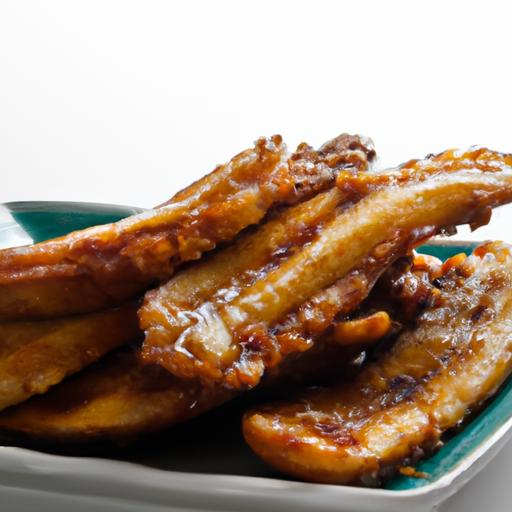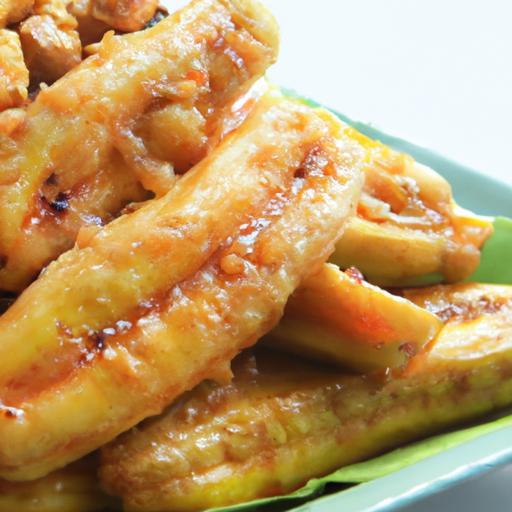
Golden, crispy, and irresistibly fragrant-pisang goreng holds a special place in the hearts and markets of Indonesia. More than just a simple fried banana snack, this beloved treat weaves together history, culture, and community in each crunchy bite.From humble street carts to festive gatherings, pisang goreng tells a story of tradition, innovation, and the shared joy of comfort food. Join us as we peel back the layers of this crispy delight to discover how a humble fruit transformed into an iconic symbol of Indonesia’s vibrant culinary landscape.
Crispy Delight: The Story Behind Indonesian Pisang Goreng begins with a humble yet beloved street food that captures the heart of Indonesian culture through its golden, crisp exterior and sweet, tender banana center. This iconic snack doesn’t merely satisfy cravings; it unfolds stories from bustling markets to family kitchens where tradition pervades every bite. Its irresistible crunch and comforting warmth make pisang goreng a timeless treat celebrated across generations and regions.
Prep and Cook Time
- preparation: 15 minutes
- Cooking: 10 minutes
- Total: 25 minutes
Yield
Serves 4 – Approximately 12 pieces
Difficulty Level
Easy to Intermediate
Ingredients
- 4 ripe plantains or saba bananas (firm but fragrant)
- 1 cup all-purpose flour, sifted
- 1/4 cup rice flour (for extra crunch)
- 2 tbsp granulated sugar
- 1/2 tsp baking powder
- 1/4 tsp salt
- 3/4 cup cold coconut milk
- 1/2 tsp vanilla extract
- Vegetable oil, for deep frying
- Optional garnish: powdered sugar, grated coconut, or palm sugar syrup
Instructions
- Prepare the bananas: Peel and slice each banana diagonally into 1/2 inch thick pieces. Set aside.
- Mix the batter: In a bowl,combine all-purpose flour,rice flour,sugar,baking powder,and salt. Gradually whisk in the cold coconut milk and vanilla extract until a smooth, slightly thick batter forms. Avoid overmixing to keep the batter light.
- Heat the oil: Pour vegetable oil into a deep frying pan until it’s about 2 inches deep. Heat over medium-high heat until the temperature reaches 350°F (175°C). Use a thermometer for accuracy.
- Coat the bananas: Dip each banana slice into the batter,ensuring an even coat without excess dripping.
- Fry to perfection: Carefully drop coated bananas into hot oil in small batches. Fry for 3-4 minutes, flipping halfway, until golden brown and crispy on all sides. Avoid overcrowding for even cooking.
- Drain excess oil: Remove with a slotted spoon and place on a wire rack or paper towels to drain. This step keeps your pisang goreng wonderfully crisp.
- Serve warm: Garnish with a light dusting of powdered sugar, or drizzle with palm sugar syrup for a traditional touch.
Tips for Mastering the Art of Crispy Pisang Goreng
- Use cold coconut milk in the batter to help create a crisp outer layer when fried.
- The blend of all-purpose and rice flour is key to achieve that perfect crunch.
- Avoid slicing bananas too thin; 1/2 inch ensures they remain creamy inside.
- Maintain oil temperature consistently to prevent sogginess or burning.
- For a natural sweetness boost, select ripe but firm saba bananas, favored in Indonesian kitchens for their texture.
Regional Variations and Unique Ingredient Twists
Across Indonesia’s vast archipelago, pisang goreng adapts with fascinating local twists. In Java, you might find palm sugar-infused batter delivering caramel notes alongside a sprinkle of grated coconut. Simultaneously occurring, Bali introduces a subtle ginger hint, offering a warm aroma that complements the crispy texture. In Sumatra, some street vendors add glutinous rice flour or even pandan essence to the batter, producing a vibrant green tint and floral fragrance.
Serving Suggestions
In true Indonesian fashion,pisang goreng shines best when served hot,straight from the fryer. Pair it with a small bowl of thick palm sugar syrup (gula merah) for dipping. For an indulgent touch,offer a scoop of coconut ice cream on the side. Garnish with a sprinkle of toasted sesame seeds or a dusting of cinnamon to elevate the snack’s earthy sweetness.For those enjoying a savory contrast, a cup of robust Indonesian black tea cleanses the palate beautifully.
| Nutrient | Per Serving (3 pcs) |
|---|---|
| Calories | 210 kcal |
| Protein | 2 g |
| Carbohydrates | 30 g |
| Fat | 8 g |

Crispy Delight: The Story Behind Indonesian Pisang goreng continues beyond aesthetics and flavor into its social significance. Traditionally, it’s a communal snack enjoyed around wet markets or family gatherings, frequently enough sold by cheerful street vendors whose carts fill the air with the tempting aroma of freshly fried banana. Its role as a comfort food during rainy days or a swift afternoon pick-me-up cements pisang goreng as a cultural icon that transcends age and social class.
For more culinary adventures into Indonesian favorites, explore our article on Indonesian Spices and Flavors. To understand the broader significance of bananas in global cuisine, visit Britannica’s banana plant overview.
Q&A
Q&A: Crispy Delight – The Story Behind Indonesian Pisang Goreng
Q1: What exactly is Pisang Goreng?
A1: Pisang Goreng, which translates to “fried banana,” is a beloved Indonesian snack made by deep-frying battered bananas until golden and crispy. It’s a simple yet magical treat that transforms humble bananas into a crunchy, sweet delight enjoyed by all ages across Indonesia.
Q2: How did Pisang Goreng originate?
A2: Pisang Goreng has roots tracing back centuries, shaped by the abundance of bananas in Southeast Asia and the local culture of fritter-making. While the exact origin story is beautifully hazy, it’s believed that street vendors began frying bananas as an easy, affordable snack to share with travelers and market-goers. Over time, each region in Indonesia infused their own twists, making Pisang Goreng a cultural emblem.
Q3: What makes Pisang Goreng so irresistibly crispy?
A3: The secret lies in the batter and the frying technique. Traditionally, a batter made from rice flour or all-purpose flour, sometimes mixed with coconut milk or palm sugar, coats the banana slices. Frying at just the right temperature creates a shell that’s perfectly crisp on the outside,while the inside stays luscious and soft-this contrast is the hallmark of a great pisang Goreng.Q4: Are there different varieties of Pisang goreng across Indonesia?
A4: Absolutely! From the simple battered versions popular in Java to variants topped with shredded cheese, drizzled with palm sugar syrup, or stuffed with chocolate, Pisang Goreng adapts wonderfully. Each region adds its signature flair, be it through the type of banana used, batter ingredients, or accompaniments-making every bite a unique adventure.
Q5: What kinds of bananas are best for Pisang Goreng?
A5: Typically, smaller, firmer bananas such as the pisang kepok or pisang raja are favored. Their texture holds up well during frying,providing the perfect balance between a soft interior and a slight tang,complementing the crunchy batter.
Q6: Is Pisang Goreng purely a street snack, or does it have a role in Indonesian cultural traditions?
A6: While Pisang Goreng is undeniably a street food favorite, it also carries cultural significance. It’s often served during family gatherings, festive occasions, and as a comforting home snack. Sharing a plate of freshly fried Pisang Goreng evokes a sense of warmth and togetherness that transcends generations.
Q7: Can Pisang Goreng be made at home easily?
A7: Yes! One of Pisang Goreng’s charms is its approachable recipe. With a few simple ingredients-bananas, flour, a touch of sugar, and oil for frying-anyone can recreate the crispy delight in their kitchen. The key is to keep the oil hot enough for a quick fry, ensuring that signature crispness without absorbing excess oil.
Q8: How is Pisang Goreng typically enjoyed in Indonesia?
A8: Often eaten hot and fresh from the fryer, Pisang Goreng is sometimes sprinkled with a pinch of salt or powdered sugar. Some enjoy it with a side of spicy sambal or drizzled with honey or palm sugar syrup. it pairs perfectly with a cup of traditional Indonesian tea or coffee, making it a favorite for breakfast or an afternoon snack.Q9: What makes Pisang Goreng distinct from other banana fritters around the world?
A9: Unlike some international banana fritters that might rely heavily on sweet coatings or heavier batters,Pisang Goreng balances simplicity and flavor. It celebrates the natural sweetness of the banana, lightly enhanced by a crisp, delicate batter that never overwhelms the fruit’s essence. This balance gives Pisang Goreng its unique charm and enduring popularity.
Q10: Why has Pisang Goreng remained a beloved Indonesian snack for generations?
A10: Pisang Goreng’s enduring appeal lies in its comforting simplicity and versatility. It’s a humble snack accessible to many, yet it carries layers of cultural identity, flavor, and memory.Each crispy bite tells a story of community, history, and the joy of everyday Indonesian life-a true crispy delight that resonates far beyond the plate.
To Conclude
From humble street stalls to bustling cafés, the crispy delight of Pisang Goreng carries with it more than just the sweet aroma of fried bananas-it embodies a rich tapestry of Indonesian culture, history, and community. Each golden, crunchy bite tells a story passed down through generations, a testament to the island nation’s culinary creativity and love for simple pleasures. So the next time you savor this beloved snack,remember you’re not just tasting fried banana-you’re experiencing a delicious chapter of Indonesia’s vibrant heritage,crispy on the outside and warm at heart.