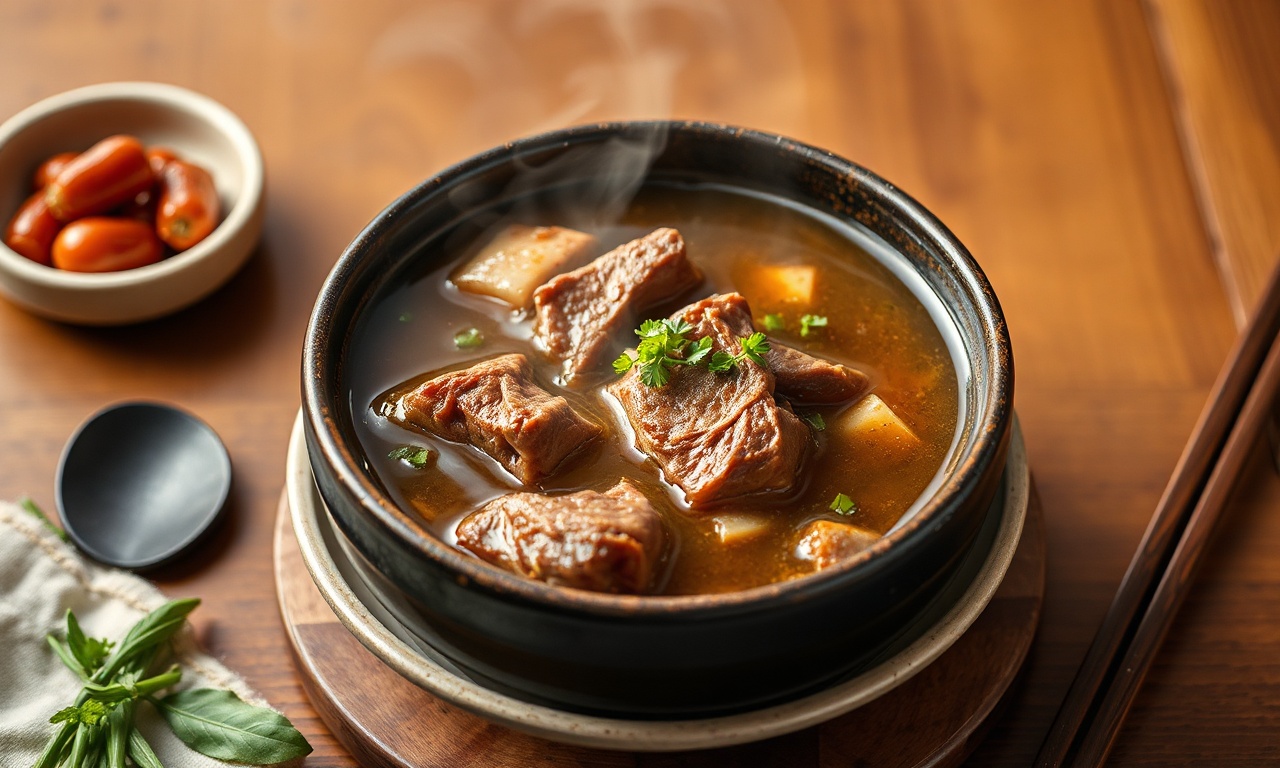
In the heart of Korean cuisine lies a dish that quietly champions comfort, tradition, and nourishment: Galbitang, a rich and savory beef soup that has warmed generations. More than just a meal, Galbitang is a culinary journey—each simmered bone and tender slice of beef telling a story of patience, skill, and heritage. This hearty broth, infused with subtle aromatics and the deep, robust flavors of beef short ribs, unlocks secrets not only of taste but of cultural connection and wellness.
- Discovering the Rich Heritage and Cultural Importance of Galbitang
- Galbitang: Mastering the Art of Simmering Perfect Beef Short Rib Broth
- Essential Ingredients and Flavor Enhancers for Authentic Taste
- Prep and Cook Time
- Yield
- Difficulty Level
- Step-by-Step Instructions
- Tips for Success
- Serving Suggestions and Pairing Ideas to Elevate Your Galbitang Experience
- Q&A
- To Conclude
Join us as we dive into the essence of Galbitang, exploring how this humble soup transcends ordinary fare to become a beloved symbol of Korean warmth and vitality.
Discovering the Rich Heritage and Cultural Importance of Galbitang
Galbitang, a soul-soothing Korean beef soup, has tantalized taste buds for centuries. Rooted deeply in Korean culinary tradition, this hearty broth made from beef short ribs embodies warmth, family, and celebration. Passed down through generations, the dish is more than nourishment—it’s a symbol of comfort and resilience, often served during special occasions and cold winter days to bring loved ones together around the table. The delicate yet robust flavors arise from careful simmering and balanced seasoning that honor time-tested techniques, creating a dish both humble and regal.
Galbitang: Mastering the Art of Simmering Perfect Beef Short Rib Broth
make the most of a crystal-clear, deeply flavorful broth starts with patience and respect for quality ingredients. Begin with fresh, meaty beef short ribs, ideally with a bit of marrow and fat to lend richness. Skimming impurities as the broth gently bubbles will ensure a clean taste and a gorgeous appearance. Incorporate aromatics like Korean radish and whole garlic bulbs to infuse natural sweetness without overpowering the umami depth.
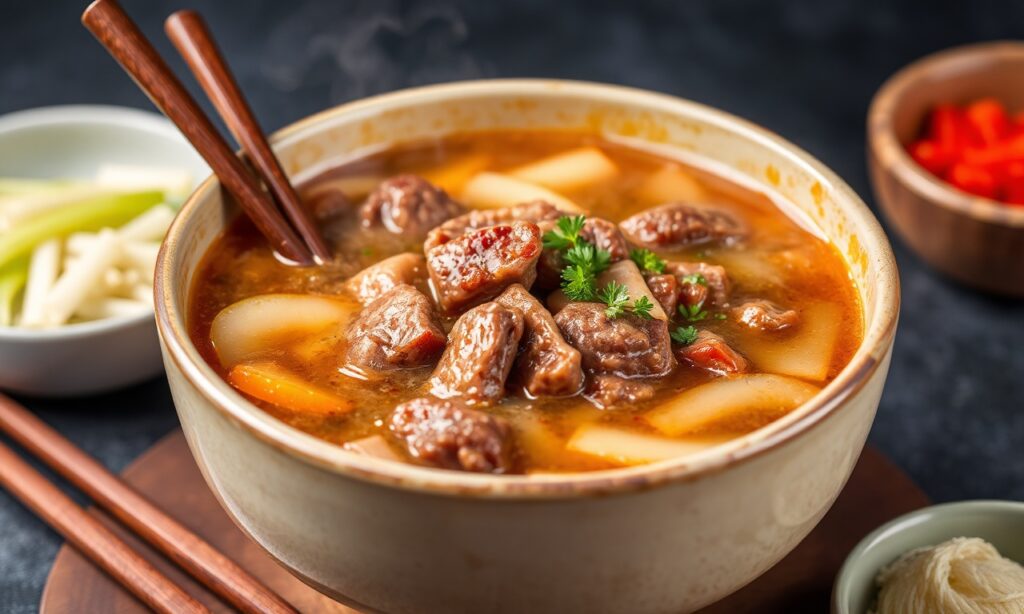
Slow simmering over low heat for at least 2-3 hours lets the marrow release gelatin, creating a soothing mouthfeel. This simmering process is truly an art—practice restraint, steady temperature, and intermittent skimming to master a broth that is silky and vibrant.
Essential Ingredients and Flavor Enhancers for Authentic Taste
- 2 lbs beef short ribs, cut into manageable pieces
- 1 medium Korean radish (mu), peeled and sliced into chunks
- 1 whole head garlic, halved horizontally
- 8 cups cold water
- 2 green onions, trimmed and halved
- 1 tablespoon sea salt, or to taste
- 1 teaspoon black peppercorns
- 1 tablespoon Korean soy sauce (Guk-ganjang) for depth
- Optional garnish: chopped scallions and toasted sesame seeds
Prep and Cook Time
- Prep Time: 20 minutes
- Cook Time: 3 hours
Yield
Serves 6 hearty bowls
Difficulty Level
Medium – suitable for those familiar with slow simmering techniques and comfortable with layering Korean flavors.
Step-by-Step Instructions
- Blanch the beef short ribs. Place ribs in a large pot and cover with cold water. Bring to a rolling boil over high heat. Boil for 5 minutes to release impurities. Remove ribs and rinse under cold water; discard the blanching liquid.
- Prepare the broth base. Return cleaned short ribs to a clean pot and add 8 cups of fresh cold water. Bring to a boil, then reduce to a gentle simmer.
- Add aromatics. Add the Korean radish chunks, garlic halves, green onions, and peppercorns. Skim foam and scum frequently during the first 30 minutes to maintain clarity.
- Simmer low and slow. Let the broth simmer gently for 2 to 3 hours uncovered or partially covered, allowing flavors to concentrate and marrow to enrich the soup.
- Season the broth. Stir in Korean soy sauce and sea salt to taste once the meat is tender and gelatinous. Adjust seasoning gradually.
- Remove solids. Take out the short ribs and aromatics, then slice the tender meat away from bones. Return the meat to the broth, discard the radish and garlic or save for a side dish.
- Final touches. Ladle soup into bowls and garnish with freshly sliced scallions and a sprinkle of toasted sesame seeds for that nutty aroma and pop of texture.
Tips for Success
- Choose quality beef: Look for short ribs with a good ratio of meat to bone and some marbling to enrich the broth.
- Skimming is key: Regularly skimming foam prevents cloudy broth, elevating the dish’s visual appeal.
- Don’t rush the simmer: Low and slow extraction yields the richest, clearest broth and tender meat.
- Make-ahead bonus: Galbitang flavors deepen overnight; refrigerate and reheat gently the next day for an elevated experience.
- Substitutions: If Korean radish isn’t available, daikon is a fine alternative; avoid adding strong root vegetables like carrots to keep the clean profile.
Serving Suggestions and Pairing Ideas to Elevate Your Galbitang Experience
Serve Galbitang steaming hot in deep bowls surrounded by steamed white rice and traditional Korean banchan such as kimchi for a burst of spicy crunch. A side of scallion pancakes or lightly sautéed spinach salad complements the soup’s mild savoriness perfectly. Garnish with fresh scallions and a few drops of toasted sesame oil to brighten each spoonful visually and aromatically. For an authentic touch, accompany the meal with Korean green tea, known for its gentle palate-cleansing effect.
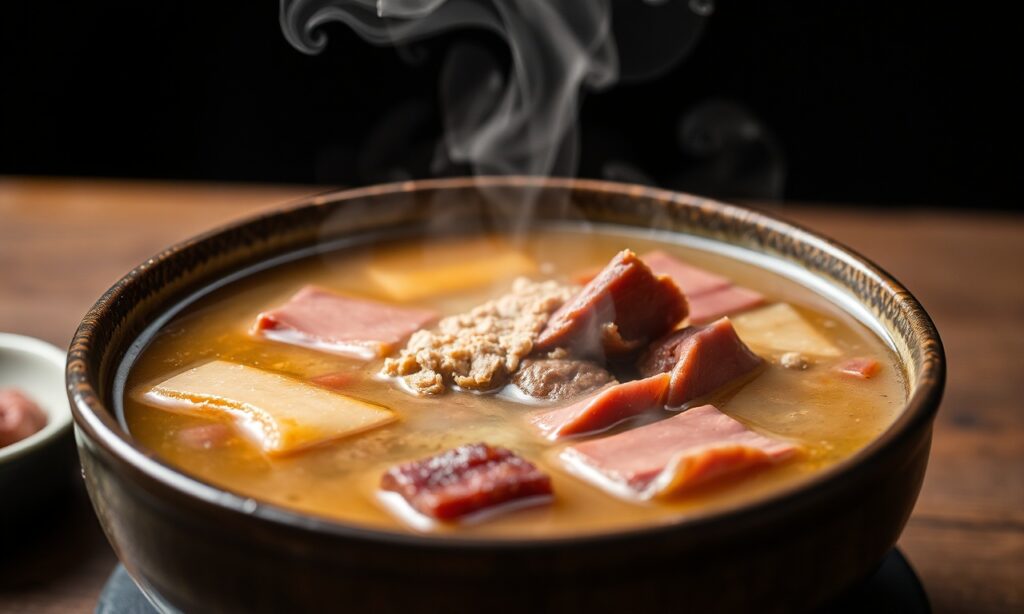
| Nutrient | Per Serving |
|---|---|
| Calories | 320 kcal |
| Protein | 28 g |
| Carbohydrates | 7 g |
| Fat | 18 g |
Q&A
Q&A: Galbitang – Unlocking the hearty Secrets of Korean beef Soup
Q1: What exactly is Galbitang, and why is it so beloved in Korean cuisine?
A1: Galbitang is a traditional Korean beef short rib soup, celebrated for its rich, clear broth and deep, comforting flavors. It’s beloved for its hearty warmth and nourishing qualities—perfect for family meals and special occasions. The slow simmering of beef ribs with fragrant ingredients unlocks a complex umami profile that’s both elegant and soul-satisfying.
Q2: What are the key ingredients that make Galbitang so distinctive?
A2: At the heart of Galbitang are beef short ribs, carefully simmered for hours until tender and flavorful. Complementing the meat are aromatics like garlic, green onions, and radish, which add subtle sweetness and depth. A touch of ginger and white pepper often rounds out the seasoning, while clear broth clarity is maintained by skimming off impurities during cooking—resulting in a soup that feels pure yet robust.
Q3: How does the preparation of Galbitang differ from other Korean soups?
A3: Unlike quicker broths, Galbitang demands patience. The beef ribs are blanched first to remove excess blood, then simmered gently with sturdy vegetables and seasonings for several hours. This slow simmering extracts rich collagen and marrow, giving the broth its silky texture and amber clarity. The process emphasizes depth without heaviness, distinguishing Galbitang as both luxurious and approachable.
Q4: Can Galbitang be considered a nutritious meal?
A4: Absolutely. Thanks to the bone marrow and meat, Galbitang is a fantastic source of protein, collagen, and minerals like calcium and phosphorus extracted from simmering bones. It’s often enjoyed as a restorative dish post-illness or during colder months, beloved for its balancing qualities and ability to fill both stomach and spirit with wholesome goodness.
Q5: What makes Galbitang a comforting dish beyond its taste?
A5: Beyond flavor, Galbitang carries cultural significance as a symbol of care and togetherness. In Korean households, preparing Galbitang frequently means gathering loved ones around the table to share warmth and tradition. The slow-cooked aroma, the tender ribs that melt in your mouth, and the clear broth’s subtle richness all combine to create a sensory experience that comforts not just the body, but the heart as well.
Q6: How is Galbitang traditionally served? Are there any customary side dishes?
A6: Galbitang is typically served piping hot, accompanied by steamed white rice and an array of banchan—Korean side dishes such as kimchi, seasoned spinach, and spicy pickled radish. These sides offer vibrant contrasts in flavor and texture, enhancing the soup’s hearty simplicity with bursts of brightness and spice.
Q7: Is Galbitang suitable for special occasions, or is it more of an everyday dish?
A7: Galbitang transcends everyday dining, often reserved for celebrations, vital family meals, or moments when something truly nourishing is desired. Its labor-intensive preparation and luxurious ingredients make it a standout dish for gatherings, symbolizing abundance and care.
Q8: Are there regional variations of Galbitang within Korea?
A8: While the foundational recipe remains consistent, some regions might incorporate variations in vegetable choices or seasoning levels. For example, some might add scallions more generously or use different varieties of radish to subtly shift flavor profiles. However, the soul of Galbitang—slow-simmered beef ribs in clear, delicate broth—remains a unifying theme.
Q9: Can Galbitang be made in advance, and if so, how does its flavor change?
A9: Galbitang actually benefits from resting overnight. As the soup cools and reheats, the flavors meld deeper, and the broth often thickens slightly from gelatin released by the bones. It’s a perfect make-ahead dish, ready to provide warmth and comfort whenever needed.
Q10: What tips would you give to someone trying to make Galbitang at home for the first time?
A10: Patience is your best friend. Start with quality beef short ribs, and be diligent about skimming the broth to keep it clear. Don’t rush the simmering—it’s the slow extraction that builds the characteristic depth. Also, taste and adjust seasoning gradually, focusing on balance rather than intensity. Lastly, serve it fresh with simple sides to let the soup’s purity shine. Your effort will reward you with a bowl of Korean tradition that soothes both body and soul.
To Conclude
As the final steam rises from a bowl of Galbitang, we are reminded that this humble Korean beef soup carries more than just rich flavors—it embodies a tradition of warmth, nourishment, and comfort. Unlocking the hearty secrets of Galbitang reveals a dish where patience meets purpose, as tender beef ribs and delicate broth create a symphony that soothes both body and soul.
Whether savored in a bustling Seoul eatery or crafted at home with care, Galbitang invites us to slow down, savor simplicity, and connect with a culinary heritage that warms hearts across generations. So next time you seek a taste of Korea’s soulful cuisine, let Galbitang be your flavorful guide to nourishment in its purest, most comforting form.
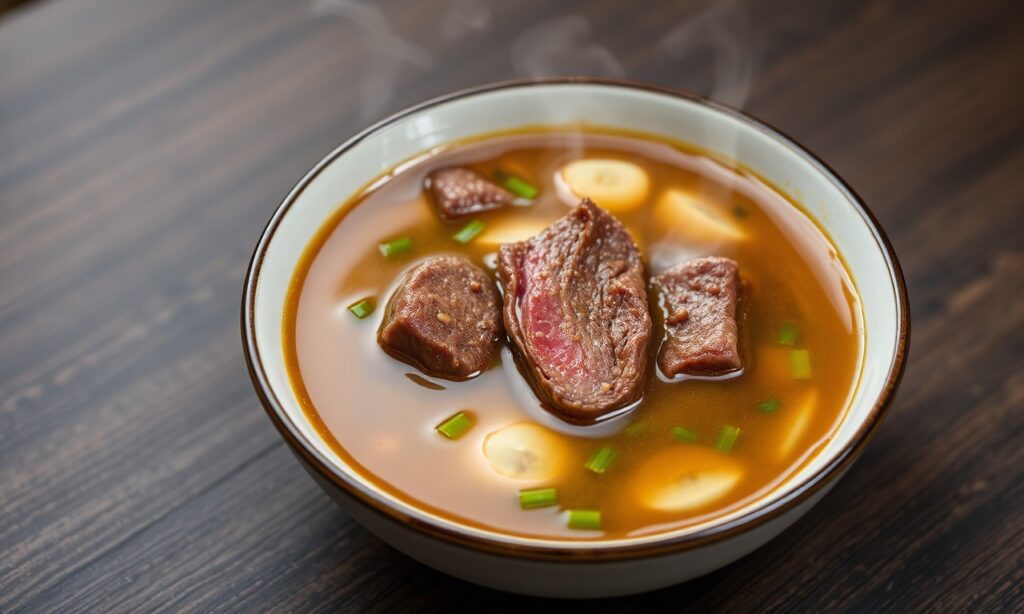
See also: Galbitang