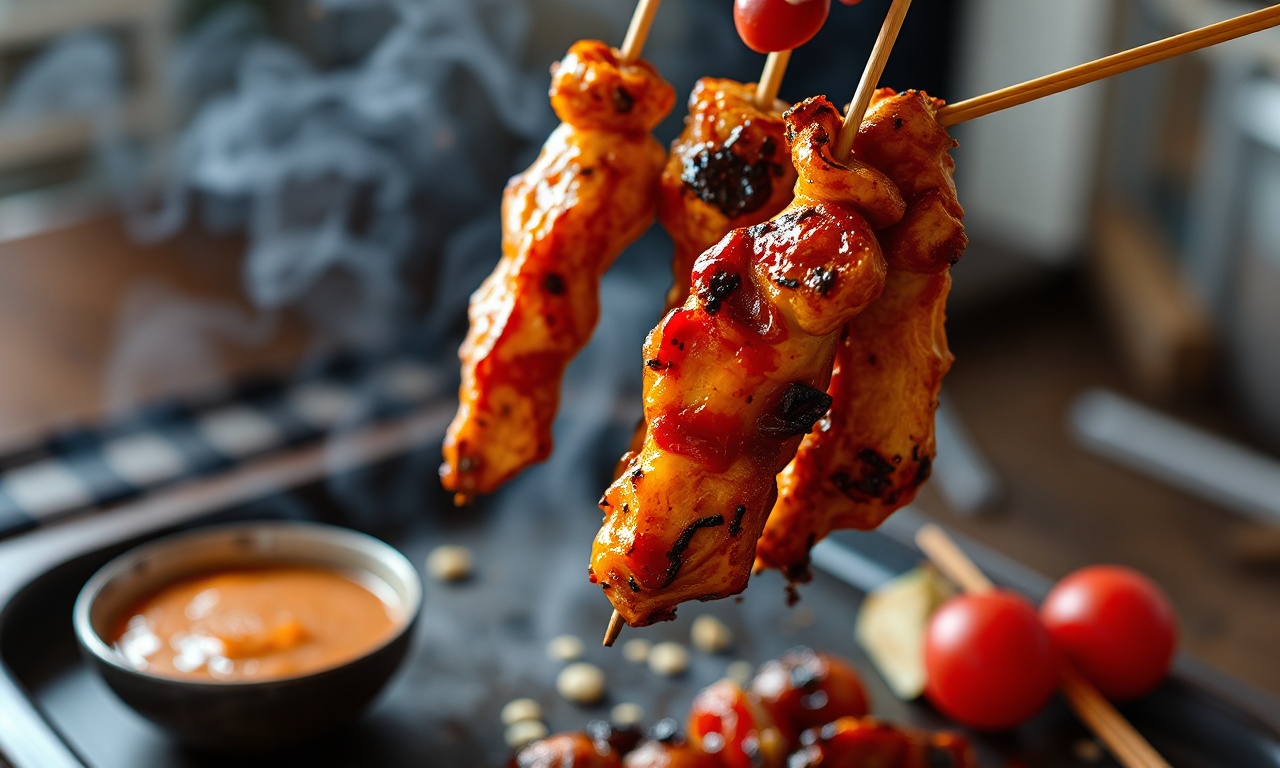
When it comes to Japanese cuisine, few dishes capture the heart and hearth of the culture quite like yakitori – those irresistible, savory grilled chicken skewers that have sizzled their way from humble street stalls to elegant izakayas across the globe. More than just a snack or appetizer, yakitori is a culinary ritual, a delicate balance of flame, seasoning, and skill that transforms simple cuts of chicken into bite-sized bursts of smoky, juicy perfection. we peel back the bamboo skewers and uncover the rich history, diverse varieties, and timeless techniques behind yakitori, inviting you to savor the story behind every deliciously charred morsel of this incredible grilled chicken.
Yakitori Unveiled invites food lovers to discover the magic behind Japan’s iconic grilled chicken skewers, a dish steeped in history yet beloved worldwide for its sizzling simplicity and umami depth. This culinary treasure effortlessly balances tradition and technique, offering flavors that range from subtly sweet to boldly savory, all grilled to perfection over an open flame. The allure of yakitori lies not only in its taste but in the soulful ritual of preparation, the intimacy of skewering bite-sized pieces, and the communal joy of sharing these smoky morsels with friends.
Prep and Cook time for Grilled Chicken Skewers
- Preparation: 20 minutes
- Marinating (optional but recommended): 30 minutes to 1 hour
- Grilling: 10-15 minutes
- total Time: Approximately 50 minutes to 1.5 hours
Yield
Serves 4 (about 16 skewers)
Grilled Chicken Snack Wrap — Wikipedia
Difficulty Level
When it comes to Grilled Chicken, Medium – basic grilling skills required with attention to timing and temperature
Ingredients for Grilled Chicken
- 600g boneless, skin-on chicken thighs, trimmed and cut into 1.5-inch cubes
- 12 bamboo skewers, soaked in water for at least 30 minutes
- Salt and freshly ground black pepper to taste
- For the Tare Sauce:
- 1/2 cup soy sauce (preferably Japanese)
- 3 tbsp mirin
- 3 tbsp sake (optional for depth, can be replaced with water)
- 2 tbsp granulated sugar
- 1 clove garlic, minced (optional)
- 1 tsp fresh ginger, grated
- 1 cup scallions, cut into 1-inch pieces (optional garnish and skewer option)
- Lemon wedges for serving
Instructions
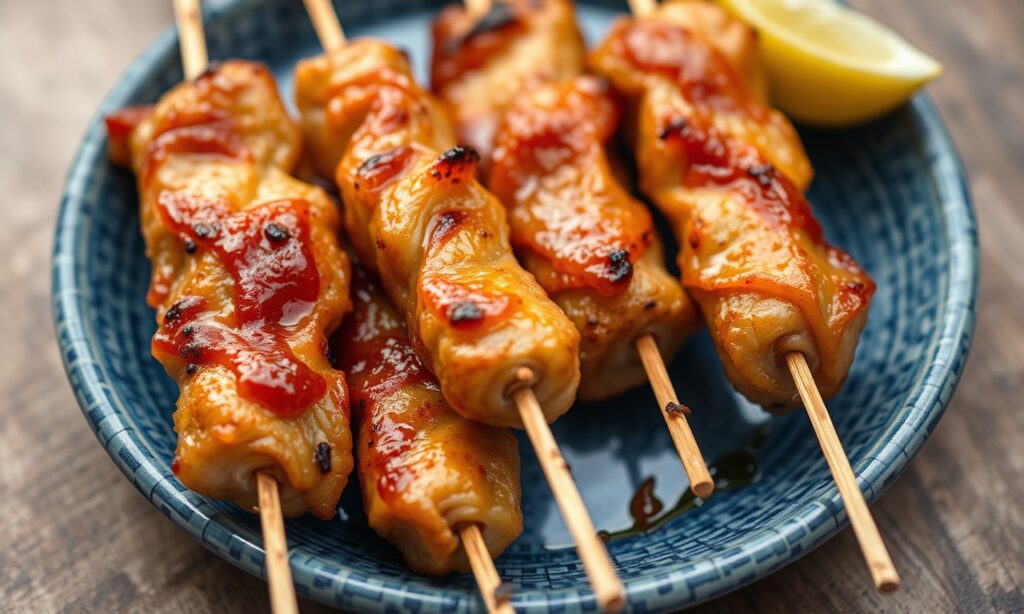
- prepare the Tare Sauce: In a small saucepan, combine soy sauce, mirin, sake (or water), sugar, garlic, and ginger. Bring to a simmer over medium heat and cook gently, stirring until the sugar dissolves, about 5-7 minutes. reduce heat to low and simmer until slightly thickened, then remove from heat and let cool.
- Thread the Chicken: Drain the soaked bamboo skewers. Thread 3-4 pieces of chicken onto each skewer, alternating with scallions if using. Leave a small space between pieces to ensure even cooking and smoke penetration.
- Season the Chicken: Lightly sprinkle skewers with salt and black pepper.
- Preheat the Grill: Use a charcoal grill or gas grill set to medium-high heat (around 350°F/175°C). If using charcoal,aim for hot,glowing embers without large flames.
- Grill the Skewers: Place the skewers on the grill. cook for about 4-5 minutes,then turn and brush with the tare sauce for a glossy glaze. Repeat turning and brushing every 2 minutes, cooking until the chicken is cooked through and caramelized, approximately 10-15 minutes total.
- Finish and Serve: Remove skewers from grill and brush with any remaining sauce. Serve immediately with lemon wedges to squeeze over for a fresh, tangy lift.
Tips for Success with Grilled Chicken
- Marinating: While not necessary,letting the chicken sit in a little tare sauce for 30 minutes before skewering deepens flavor wonderfully.
- Charcoal Grill preferred: For authentic smokiness, use a charcoal grill. A cast-iron grill pan or outdoor gas grill can work as well when charcoal isn’t available.
- Even Sizing: Cut chicken into uniform pieces to ensure even cooking and tenderness.
- Bamboo Soak: Soaking skewers prevents burning during grilling and makes cleanup easier.
- Variations: Swap chicken thighs with chicken breast if preferred for a leaner option-just be careful not to overcook as breasts dry out faster.
- Vegetable Options: Incorporate shiitake mushrooms, shishito peppers, or bite-sized leeks for added regional flair.
Serving Suggestions
In the context of Grilled Chicken, Present yakitori skewers on a rustic wooden board or traditional Japanese platters.Garnish with freshly sliced scallions, a sprinkle of toasted sesame seeds, and lemon wedges for a luminous contrast. Pair with steamed Japanese rice or light pickled vegetables (tsukemono) to cleanse the palate between bites. A chilled mug of Japanese beer or a simple cup of green tea complements the smoky richness perfectly.
Exploring Regional variations of Yakitori
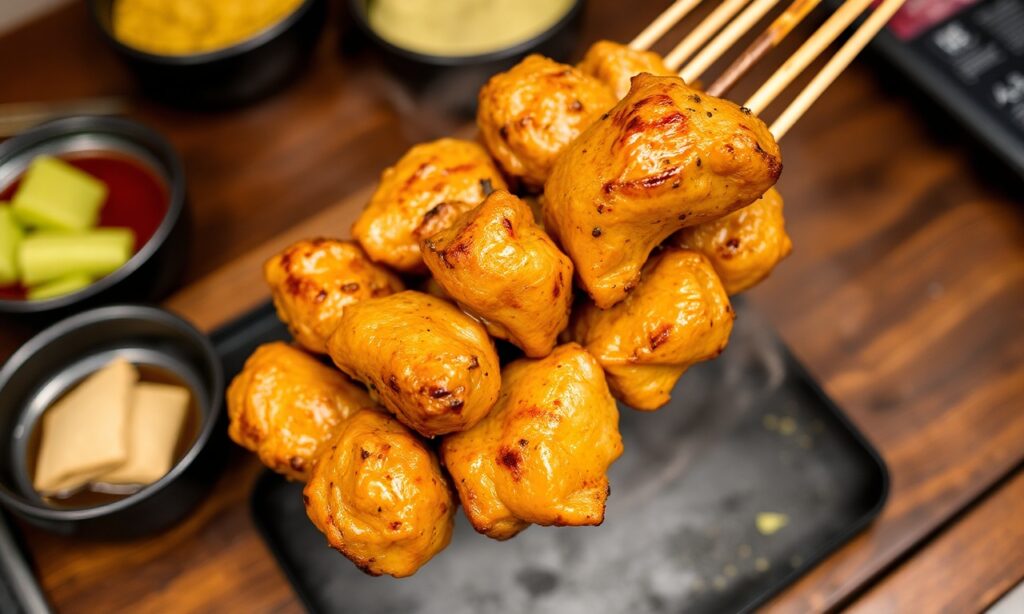
Around Grilled Chicken, Across Japan, yakitori showcases endless creativity. In Tokyo, tare (sweet soy glaze) reigns supreme, while in Osaka, the shio (salt-only) method highlights pure poultry flavors. The Kansai region frequently enough includes offal cuts such as rebā (liver) and sunagimo (gizzard), offering a distinct texture and taste profile. Simultaneously occurring, southern regions may infuse local spices or substitute sake with awamori, Okinawa’s rice spirit, adding unique aromas to the sauce.
Mastering Grilling Techniques for Perfect yakitori
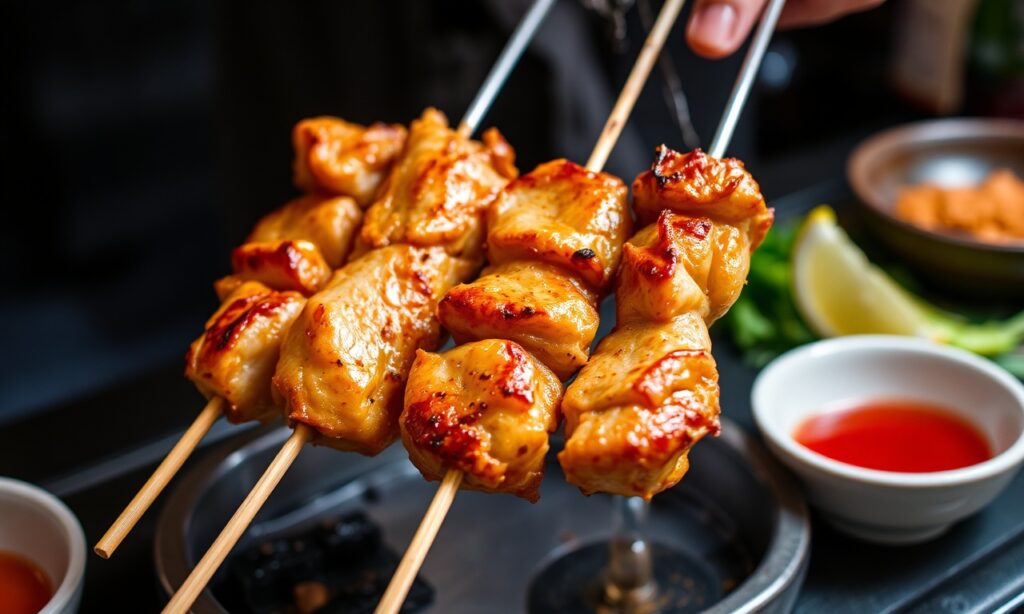
Regarding Grilled Chicken, Patience and control are crucial. Avoid high flames that char the outside but leave the inside raw. Maintain medium heat for gradual cooking, turning skewers frequently to encourage an even caramelization of the sauce. The yakitori grill style, with narrow metal or bamboo skewers and a thin wire rack, allows close contact with coals for that signature smokiness.
| Nutritional info (per serving) | Calories | Protein | carbohydrates | Fat |
|---|---|---|---|---|
| 4 Skewers (approx. 150g chicken) | 320 kcal | 35g | 8g | 12g |
When it comes to Grilled Chicken, Discover more on the art of Japanese grilling in our Japanese Grilling Techniques article. For detailed history and cultural context, visit Japan Guide’s yakitori Overview.
Q&A
Yakitori Unveiled: Japan’s Savory Grilled Chicken Skewers – Q&A
In the context of Grilled Chicken, Q1: What exactly is yakitori?
A1: Yakitori is a beloved Japanese culinary tradition featuring bite-sized pieces of chicken,skewered and grilled over a charcoal flame. The name literally means “grilled bird,” and it’s celebrated for its smoky aroma and savory flavor,frequently enough enjoyed as a casual street food or at cozy taverns called izakayas.
Around Grilled Chicken, Q2: which parts of the chicken are commonly used in yakitori?
A2: Yakitori showcases the versatility of the chicken, using everything from tender breast meat and juicy thighs to flavorful skin, succulent liver, and even cartilage. Each part offers a unique texture and taste, creating a symphony of flavors that delight the palate.
Q3: What makes yakitori’s seasoning special?
A3: Yakitori is typically seasoned in two iconic ways: “shio” (salt) and “tare” (a savory-sweet soy-based glaze). Shio lets the natural flavor of the chicken shine, often sprinkled with a touch of sea salt, while tare is a carefully simmered sauce made from soy sauce, mirin, sake, and sugar that caramelizes beautifully on the grill, giving yakitori its iconic glaze.
Q4: Why is charcoal grilling important in yakitori preparation?
A4: Charcoal grilling is central to yakitori’s irresistible character. The glowing charcoal provides steady heat and infuses the chicken with a subtle smokiness. High-quality binchotan charcoal, prized for its clean burn and consistent temperature, helps achieve the perfect balance of tenderness and slight char without overpowering the chicken’s natural flavors.
Q5: How is yakitori typically enjoyed in Japan?
A5: In Japan, yakitori is more than a dish-it’s an experience. It’s commonly savored alongside a cold beer or refreshing soft drink in bustling izakayas, where friends gather after work to unwind. It’s also popular at festivals and street stalls, offering a quick, delicious bite steeped in tradition.
Q6: Can yakitori be paired with non-chicken ingredients?
A6: Absolutely! While chicken reigns supreme, yakitori skewers often include complementary ingredients like shiitake mushrooms, scallions, or bell peppers.these additions add layers of flavor and texture, enhancing the overall grilling experience without overshadowing the star-chicken.
Q7: Is yakitori difficult to make at home?
A7: Making yakitori at home can be a rewarding adventure. With simple ingredients and some basic grilling skills, you can recreate the magic. The key is to cut the chicken into uniform pieces, marinate or season as preferred, and cook over a hot grill or even a stovetop grill pan to achieve that coveted smoky char.
Q8: What cultural significance does yakitori hold in Japan?
A8: Yakitori isn’t just food; it’s woven into the fabric of Japanese social life. It symbolizes conviviality, relaxation, and craftsmanship-grilling each skewer with care while fostering connections around the table. It reflects the Japanese philosophy of honoring ingredients and communal dining.
Q9: Are there regional variations of yakitori throughout Japan?
A9: Yes! Different regions put their own spin on yakitori. Such as, some areas might emphasize sweeter tare sauces, while others lean into salt seasoning or unique cuts like chicken tail (bonjiri). These local styles highlight japan’s diverse palate and regional pride.
Q10: What’s the best way to serve and eat yakitori?
A10: Yakitori is best served hot off the grill, skewers in hand. Bite by bite, the interplay of tender meat, smoky char, and glistening glaze offers an irresistible harmony. Complementing it with a side of pickled vegetables or steamed rice rounds out the meal, celebrating simplicity and taste in perfect balance.
In Retrospect
As the smoke curls gently from the glowing embers,yakitori reveals itself not just as a simple grilled chicken skewer,but as a flavorful journey through Japan’s rich culinary heritage. Each bite carries the essence of tradition, craftsmanship, and communal warmth – a humble dish elevated to an art form. Whether enjoyed at a bustling street stall or a refined izakaya, yakitori invites us to savor more than just food; it offers a taste of culture, connection, and the timeless joy found in sharing a perfectly grilled skewer. So next time you encounter those glistening morsels threaded on bamboo sticks, remember: you’re holding a delicious story, waiting to be carefully uncovered.
See also: Grilled Chicken