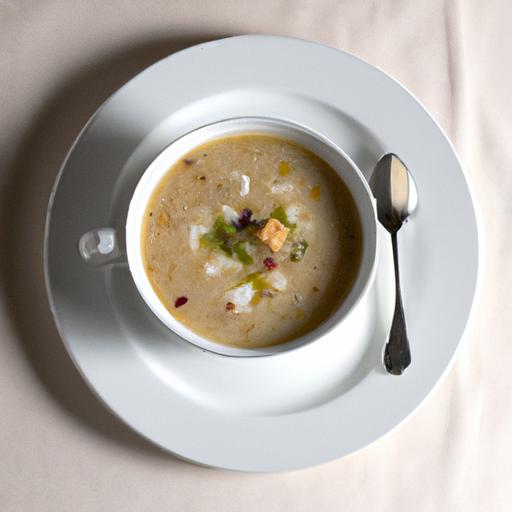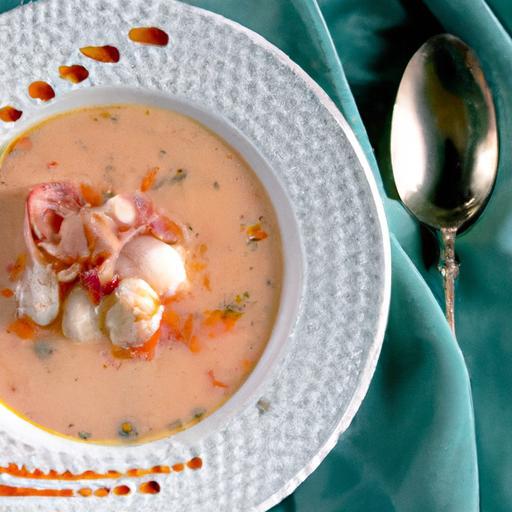
There’s something undeniably magical about a steaming bowl of Irish seafood chowder – a hearty embrace of the sea’s freshest treasures woven into a creamy,comforting broth. Rooted in coastal tradition yet timeless in its appeal,this classic dish invites you to savor the rich flavors of Ireland’s rugged shores with every spoonful. In this guide, we’ll dive into the origins, essential ingredients, and step-by-step readiness of Irish seafood chowder, unlocking the secrets to creating a soul-warming meal that’s as rich in history as it is in taste.
Whether you’re a seasoned cook or a curious food lover, prepare to embark on a culinary voyage that celebrates the bounty of the sea, one luscious ladle at a time.
Savoring the Sea begins with the delicate art of constructing a seafood base that captures the essence of fresh Irish ingredients. This foundation is where the magic unfolds – a symphony of oceanic flavors balanced with creamy textures and aromatic herbs. Drawing from the rugged coastline and pristine waters surrounding Ireland, each element plays a pivotal role in crafting a chowder that sings of salt-kissed breezes and timeless culinary tradition.
Prep and Cook Time
- Preparation: 20 minutes
- Cooking: 45 minutes
- Total: 1 hour 5 minutes
Yield
Serves 6 hearty portions
Difficulty Level
Medium – perfect for adventurous home cooks looking to explore authentic Irish flavors
Ingredients
- 2 tablespoons Irish butter, preferably unsalted
- 1 large onion, finely chopped
- 2 cloves garlic, minced
- 3 medium carrots, diced small
- 2 stalks celery, finely chopped
- 3 medium potatoes, peeled and cubed (Yukon Gold or floury white potatoes work best)
- 4 cups fresh fish stock or homemade seafood broth
- 1 cup whole milk
- 1 cup heavy cream
- 400g fresh white fish fillets (e.g., cod or haddock), skin removed and cut into bite-sized chunks
- 200g fresh mussels, cleaned and debearded
- 150g fresh peeled prawns
- Fresh flat-leaf parsley, chopped, for garnish
- Fresh chives, finely sliced
- Salt and freshly ground black pepper, to taste
- Juice of 1 lemon
Instructions
- Begin by melting the Irish butter in a large heavy-bottomed pot over medium heat. Add the finely chopped onion, garlic, carrots, and celery. Sauté until softened and fragrant, about 7 minutes, stirring occasionally to prevent burning.
- Add the cubed potatoes and stir well to coat with the buttery vegetable mixture. Cook for another 3 minutes,allowing the potatoes to absorb flavor.
- Pour in the fresh fish stock and bring the mixture to a gentle simmer. Partially cover and cook until the potatoes are tender but still hold shape, about 15 minutes.
- In a separate pot, steam the mussels with a splash of water until they just open, about 4-5 minutes. Discard any unopened mussels. Remove the shells, reserving a few for garnish.
- Add the fish chunks, prawns, and steamed mussels meat to the chowder base. Stir gently and cook over low heat until the seafood is opaque and cooked thru, approximately 5-7 minutes. avoid boiling to keep textures tender.
- Stir in the whole milk and heavy cream, warming through gently. Season with salt, freshly ground black pepper, and a squeeze of lemon juice to brighten the flavors.
- Remove from heat and let rest for 5 minutes before serving. This allows the chowder to thicken slightly and flavors to meld beautifully.
tips for Success
- For the fullest Savoring the Sea experiance, source your seafood locally. Irish fresh fish markets or trusted suppliers ensure peak freshness.
- If fish stock isn’t available, this guide on making seafood broth will help you create a flavorful base using fish bones and aromatic vegetables.
- Don’t overcook the seafood – keeping it just tender preserves texture and prevents a rubbery bite.
- For a gluten-free variant, substitute the potatoes with parsnips for added sweetness and earthy complexity.
- Make-ahead tip: Prepare the base (vegetables and stock) a day before; add seafood fresh at serving time to retain peak taste.
Serving Suggestions
Present your chowder in rustic deep bowls, garnished with vibrantly chopped flat-leaf parsley and chives for color and freshness.Place a few whole mussel shells atop for dramatic flair and a touch of authenticity. A wedge of lemon on the side invites diners to personalize their tang. Serve alongside warm, crusty Irish soda bread or homemade brown soda farls for dipping – the buttery crumb soaks up the rich, hearty broth perfectly.
| Nutrient | Per Serving |
|---|---|
| Calories | 360 kcal |
| Protein | 35 g |
| Carbohydrates | 20 g |
| Fat | 15 g |

Discover more about Irish seafood dishes and expand your culinary horizons with traditional recipes and inspired twists.
Q&A
Q&A: Savoring the Sea – A Classic Guide to Irish Seafood Chowder
Q1: What makes Irish seafood chowder distinct from other chowders around the world?
A1: Irish seafood chowder is a heartwarming party of the island’s bountiful coastal waters, known for its creamy texture, fresh local seafood, and simple, soulful ingredients. Unlike some chowders that rely heavily on spices or cream, the Irish version embraces the natural flavors of fresh fish, shellfish, and root vegetables, blended with a silky broth infused with herbs like thyme and parsley. It’s comfort in a bowl, where each spoonful tastes like the sea itself.
Q2: What are the essential ingredients to create an authentic Irish seafood chowder?
A2: At its core, Irish seafood chowder features a medley of fresh fish-such as cod, haddock, or hake-and luscious shellfish like mussels, crab, or scallops. The base frequently enough begins with sautéed onion, celery, and leeks, stirred with diced potatoes to add heartiness.Light cream or milk smooths the broth, and fresh herbs lift the flavors. A dash of sea salt and cracked black pepper finishes the dish, letting the ocean’s essence shine through without overpowering it.
Q3: How does one best prepare the seafood to maintain its delicate flavor and texture?
A3: Patience and restraint are key. Seafood should be added to the chowder towards the end of cooking to prevent overcooking and preserve its natural sweetness and tenderness. Start by simmering the broth and vegetables until the potatoes are just tender, then gently fold in the fish and shellfish, allowing them to poach gently in the simmering liquid. This method keeps the seafood flaky and succulent, ensuring each bite bursts with freshness.
Q4: Are there any regional twists or unique variations of Irish seafood chowder?
A4: Indeed! While the classic recipe remains beloved across Ireland, coastal counties add subtle touches that reflect local catch and customs. In western regions, you might find the addition of smoked fish for a whisper of smoky depth, whereas in eastern parts, fresh dill or parsley might take center stage. Some chowders include a squeeze of lemon or a sprinkle of chives for brightness, but the soul of Irish seafood chowder always stays true to its simple, celebratory nature.
Q5: What side accompaniments traditionally pair well with Irish seafood chowder?
A5: A generous slice of freshly baked soda bread or a rustic brown loaf is perfect for dunking into the creamy broth, soaking up all its appetizing juices.A crisp garden salad with seasonal greens can provide a refreshing contrast, while lightly steamed vegetables add wholesome balance. The accompaniment should be hearty yet uncomplicated, allowing the chowder to remain the star of the meal.
Q6: Can Irish seafood chowder be made in advance and reheated without losing its texture or flavor?
A6: Absolutely-though with some care. Prepare the base of vegetables and broth in advance, then add the seafood fresh when reheating, as overcooked shellfish or fish can become rubbery. Reheat gently on low heat, stirring frequently, to maintain the chowder’s creamy consistency and vibrant taste. This approach makes it an ideal dish for gatherings where timing and ease matter.
Q7: What cultural significance does seafood chowder hold in Ireland?
A7: Beyond being a beloved comfort food, Irish seafood chowder symbolizes the deep connection between the Irish people and their coastal heritage. It represents resourcefulness and tradition-turning the day’s fresh catch into a meal that nurtures body and soul. This dish has been passed down through generations, often shared among families and communities, embodying a sense of place and the simple joys found in Ireland’s rugged, windswept shores.
Q8: how can one elevate a homemade Irish seafood chowder without straying from its traditional roots?
A8: Elevation comes not from complexity but from quality and sincerity. Choose the freshest seafood available, use homemade fish stock or broth if possible, and finish with a sprinkle of fresh herbs just before serving. A swirl of good butter stirred in at the end lends a luxurious silkiness, while a final crack of black pepper awakens the flavors. The magic lies in honoring simple ingredients and allowing their natural harmony to shine.
Insights and Conclusions
As the last spoonful of creamy, briny chowder warms your palate, you’re reminded that this beloved Irish classic is more than just a dish-it’s a celebration of the sea’s bounty and the rich culinary heritage that surrounds it.
From the rugged coastlines to the cozy hearths of seaside cottages, Irish seafood chowder tells a story of tradition, comfort, and the simple joy of savoring fresh, local ingredients.Whether you’re a seasoned cook or a curious newcomer, embracing this timeless recipe invites you to connect with Ireland’s coastal spirit, one hearty bowl at a time. So gather your ingredients, stir the pot, and dive into the delicious depths of savoring the sea-your taste buds will thank you.