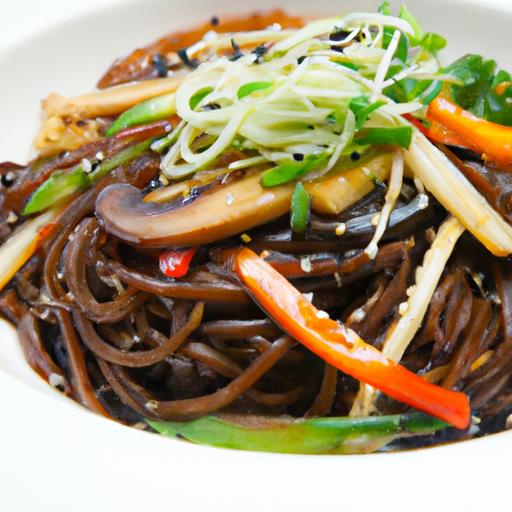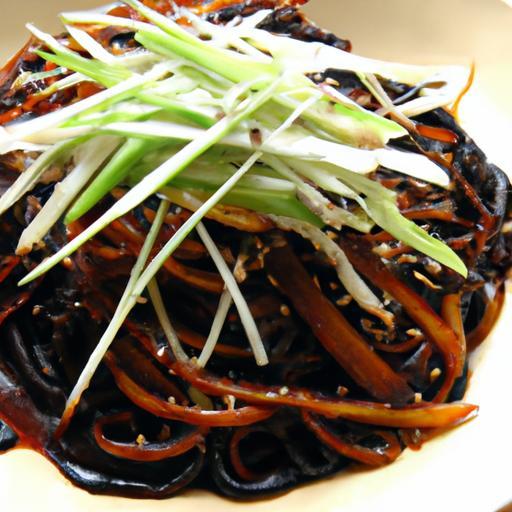
In the bustling streets of East Asia’s culinary landscape, a humble dish cloaked in a glossy, ebony sauce has quietly captured hearts and taste buds alike.Jajangmyeon, frequently enough simply called black bean noodles, is far more than a comforting bowl of tangled noodles and savory sauce – it is indeed a delicious tapestry woven from history, culture, and innovation. From its origins as a cross-cultural fusion to its place as a beloved staple in contemporary cuisine, the story of jajangmyeon unfolds with rich aromas, bold flavors, and intriguing traditions. Join us as we peel back the layers of this iconic dish, unveiling the savory saga behind every slurp and savor of black bean noodles.
Jajangmyeon, a quintessential Korean-Chinese noodle dish, holds a rich history and evokes comforting nostalgia across generations. This beloved meal, brimming with deep savory-black bean sauce, perfectly balances umami and hearty textures, making it a staple for family gatherings and casual meals alike. Rooted in the waves of migration and culinary adaptation, the dish has evolved from humble Chinese influences into a uniquely Korean treasure-an enduring symbol of fusion cuisine and community.
Prep and Cook Time
- Preparation: 15 minutes
- Cooking: 25 minutes
- Total Time: 40 minutes
Yield
Serves 4 generous bowls
Difficulty Level
medium – approachable for intermediate home cooks ready to master layers of flavor
Ingredients
- 200g fresh jajangmyeon noodles (or thick wheat noodles)
- 2 tbsp vegetable oil (neutral cooling oil like canola or sunflower)
- 200g lean ground beef or chicken (optional)
- 1 medium yellow onion,finely diced
- 1 medium zucchini,diced
- 1 small potato,peeled and diced (about ½ cup)
- 4 cloves garlic,minced
- 1 cup korean black bean paste (chunjang) - see step-by-step preparation below
- 2 tbsp sugar
- 2 cups water or vegetable broth
- 1 tbsp cornstarch,dissolved in 3 tbsp cold water (slurry)
- 2 green onions,thinly sliced (for garnish)
- cucumber julienne strips,for topping
- sesame oil,for a finishing drizzle
Instructions
- Prepare the black bean sauce: Heat vegetable oil in a large skillet over medium heat. Add the black bean paste (chunjang) and stir-fry it gently for 2-3 minutes. This step intensifies the aroma and removes any bitterness-be careful not to burn it.
- Add the aromatics: Toss in minced garlic and diced onions. Sauté until onions become translucent and fragrant, about 5 minutes.
- Incorporate vegetables and protein: Add diced potato, zucchini, and ground beef or chicken, if using. Stir frequently, cooking until meat is browned and potatoes start to soften, roughly 7-8 minutes.
- Sweeten and simmer: Sprinkle sugar over the mixture-this balances the saltiness of the black bean paste. Pour in water or broth, bring to a gentle simmer, cover, and cook for 10 minutes, allowing vegetables to become tender and flavors to meld.
- Thicken the sauce: gradually stir in the prepared cornstarch slurry, cooking one minute more until the sauce thickens to a glossy, rich consistency.
- Cook noodles: While the sauce simmers, boil fresh jajangmyeon noodles in generously salted water according to package instructions, usually 3-4 minutes. Drain and rinse briefly with cold water to stop cooking and remove excess starch.
- Assemble: Toss noodles lightly with a drizzle of sesame oil and portion onto plates or bowls. Ladle the luscious black bean sauce generously over the noodles.
- garnish: Top with fresh cucumber juliennes and sliced green onions for coolness and crunch, completing the textural harmony.
Chef’s Notes & Tips for Success
- Use fresh jajangmyeon noodles whenever possible; their firm, chewy bite perfectly matches the thick sauce.
- adjust the amount of sugar in the sauce to suit your palate-some prefer a subtle sweetness, others enjoy a more pronounced balance.
- For a vegetarian version, omit meat and use a rich vegetable broth.Mushrooms like shiitake add wonderful umami.
- frying the black bean paste properly unlocks its full potential-don’t skip or rush this step.
- The sauce thickens quickly with cornstarch; add it slowly and stir constantly to avoid lumps.
- Make the sauce ahead and refrigerate for up to 3 days; reheat gently and add fresh water if too thick.
Serving Suggestions
Pair your jajangmyeon with traditional Korean sides like refreshing kongguksu (cold soybean noodle soup) or crunchy kimchi for a full meal. A simple bowl of clear radish soup also balances the dish’s richness exquisitely.
For garnishes, bright cucumber and green onions add freshness, while a few drops of toasted sesame oil enhance the aroma and mouthfeel. Serve with a side of sweet pickled radish cubes (danmuji) to cleanse the palate between bites.
This dish shines best when enjoyed promptly while noodles remain chewy and sauce is piping hot-each slurp reveals the centuries-old story of culinary adaptation and modern-day delight.
| Nutrient | Per Serving |
|---|---|
| Calories | 480 kcal |
| Protein | 22 g |
| Carbohydrates | 60 g |
| Fat | 12 g |

Q&A
Q&A: Jajangmyeon Unveiled: the Savory Story of Black Bean Noodles
Q1: What exactly is jajangmyeon?
A1: Jajangmyeon is a beloved Korean-chinese noodle dish featuring thick wheat noodles topped with a rich, black bean paste sauce. This savory sauce, known as chunjang, is stir-fried with vegetables like onions, zucchini, and sometimes seafood or beef, creating a hearty and deeply flavorful meal.
Q2: Where did jajangmyeon originate?
A2: The origins of jajangmyeon trace back to early 20th century Incheon, Korea, where Chinese immigrants adapted the northern Chinese dish zhajiangmian to local tastes. Over time, jajangmyeon evolved into a uniquely Korean comfort food, celebrated for its distinctive sweet and savory black bean sauce.
Q3: what makes the black bean sauce so special?
A3: The black bean sauce is crafted from chunjang, a fermented black soybean paste that’s slightly salty and bittersweet. When fried with aromatics and mixed with starchy vegetables, it becomes luscious and complex-balancing umami depth with hints of caramelization, all coated perfectly on slippery noodles.
Q4: Is jajangmyeon typically made with meat?
A4: While beef or seafood are common protein options in jajangmyeon, vegetarian versions have grown popular too. Ingredients like mushrooms,tofu,or an assortment of vegetables offer rich textures and flavors without overshadowing the signature black bean sauce.
Q5: How is jajangmyeon traditionally enjoyed in Korea?
A5: Jajangmyeon is often considered an economical, satisfying meal, cherished for its comforting warmth. It’s a go-to dish for special occasions like “Black Day,” a Korean informal holiday where singles gather to eat jajangmyeon, symbolizing solidarity and good company.
Q6: Can jajangmyeon be made at home easily?
A6: Absolutely! With accessible ingredients like chunjang paste, fresh vegetables, and noodles, home cooks can replicate this dish. the key lies in carefully caramelizing the black bean paste and balancing flavors with a touch of sugar and starch-resulting in a glossy, savory coating for the noodles.
Q7: Are there regional or modern variations of jajangmyeon?
A7: Yes! Some modern takes include seafood versions with mussels or squid, while others blend in fragrant garlic and ginger for added punch. Regional adaptations might experiment with noodle thickness or the sauce’s sweetness, reflecting individual tastes and evolving culinary trends.
Q8: What sides or accompaniments enhance the jajangmyeon experience?
A8: Pickled radish,known as danmuji,is the classic accompaniment. Its bright crunch and mild acidity cut through the richness of the sauce, refreshing the palate between bites. Sometimes, a simple cucumber salad or mild kimchi complements the dish wonderfully.
Q9: What cultural meaning does jajangmyeon hold today?
A9: Beyond being a staple comfort food, jajangmyeon embodies a bridge between Korean and Chinese culinary heritage. It symbolizes adaptation and fusion, celebrated across generations and social occasions, standing as a flavorful testament to Korea’s dynamic food culture.
Q10: Why should food lovers try jajangmyeon?
A10: For its intriguing blend of flavors-from salty and sweet to earthy and savory-jajangmyeon offers a noodle experience unlike any other. It’s a comforting yet exciting dish that invites exploration into Korean taste traditions and the art of black bean sauce mastery.
The Way Forward
As the rich, umami depths of jajangmyeon continue to captivate taste buds around the world, this humble black bean noodle dish stands as a testament to culinary fusion and cultural storytelling. From its origins in the alleys of Chinatown to its beloved status in Korean households,jajangmyeon is more than just a meal-it’s a savory narrative of history,adaptation,and comfort. Whether twirling the glossy noodles with chopsticks or simply savoring the hearty black bean sauce, each bite is a delicious journey through time and tradition. So next time you crave something both familiar and adventurous,let jajangmyeon’s bold flavors remind you that great stories-like great food-are meant to be shared.