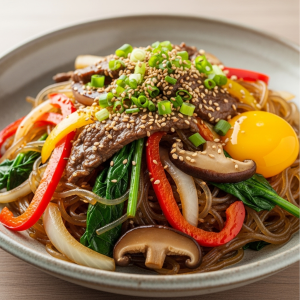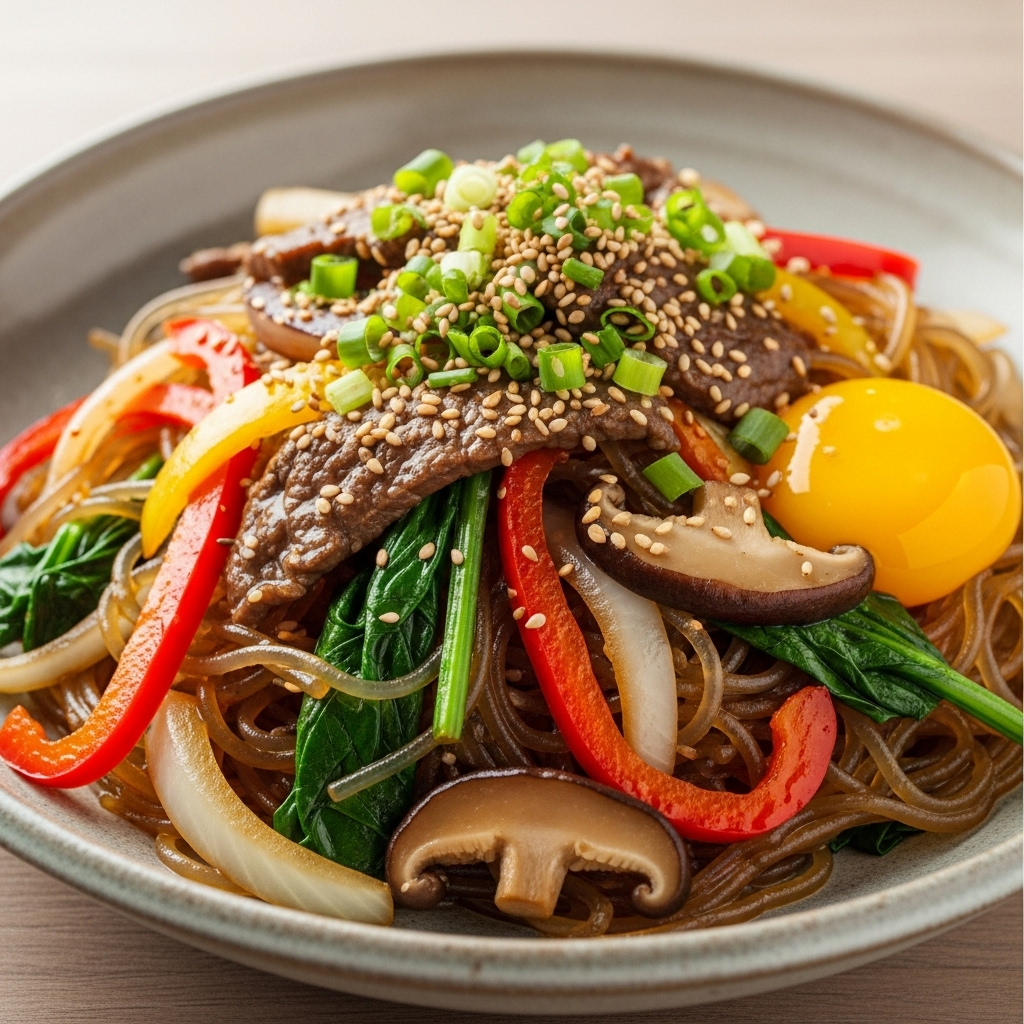
In the vibrant tapestry of Korean cuisine,few dishes capture the perfect harmony of texture,flavor,and tradition quiet like Japchae. This delicate glass noodle stir-fry, with its glossy strands of sweet potato noodles entwined amidst an orchestra of crisp vegetables, tender marinated beef, and fragrant sesame oil, is more than just a meal – it’s a culinary story woven through centuries. “Japchae Unveiled: The Art of Korean Glass noodle Stir-Fry” invites you on a sensory journey to explore the origins, cultural meaning, and masterful techniques behind this beloved dish. Whether you’re a seasoned foodie or a curious kitchen adventurer, discover how Japchae transforms humble ingredients into a vibrant party of Korean heritage and artistry.
japchae Unveiled: The Art of Korean Glass Noodle Stir-Fry
Japchae, a quintessential Korean dish, has long captivated palates with its harmonious blend of sweet-savory seasoning and chewy glass noodles.Originating from the royal courts of the Joseon Dynasty, this dish was traditionally reserved for special occasions, embodying celebration through vibrant colors and balanced textures. As you embark on mastering Japchae,you’re not only recreating a dish but connecting to centuries of Korean culture were each ingredient plays a vital role in the story.
Prep and Cook Time
- Preparation: 25 minutes
- Cooking: 15 minutes
Yield
- Serves 4 as a main or 6 as a side dish
Difficulty Level
- Medium – great for cooks ready to elevate their stir-fry technique
Ingredients
- 200g sweet potato glass noodles (dangmyeon)
- 1 large carrot,julienned
- 1 medium yellow onion,thinly sliced
- 100g spinach,washed and roughly chopped
- 5 shiitake mushrooms,soaked if dried and sliced
- 150g lean beef sirloin,thinly sliced (substitute with tofu for vegetarian)
- 3 cloves garlic,minced
- 3 green onions,chopped
- 3 tbsp soy sauce
- 2 tbsp toasted sesame oil
- 1 tbsp sugar
- 1/2 tsp ground black pepper
- 2 tbsp vegetable oil for stir-frying
- 1 tbsp toasted sesame seeds for garnish
Mastering the Perfect glass Noodle Texture and Seasoning balance
Achieving the ideal Japchae glass noodle texture is the heart of this dish. Sweet potato noodles require boiling until just tender-soft but resilient to the bite. Overcooking results in mushiness, losing their signature chew. Rinse them under cold water immediately to halt cooking and prevent sticking. The seasoning is deceptively simple yet critical: a combination of soy sauce, sugar, minced garlic, and toasted sesame oil creates a delicate balance that clings lovingly to every strand, marrying the ingredients seamlessly.
Selecting the Ideal Vegetables and Proteins for Authentic Flavor
A traditional Japchae gleams with a rainbow of colors and textures – crisp carrots, tender spinach, earthy shiitake mushrooms, and sweet onion slices. The proteins, often beef or mushrooms, provide umami depth. To preserve authenticity while adapting to your taste, thinly slice proteins so they cook evenly and soak dried mushrooms until rich and fragrant before stir-frying. This thoughtful selection boosts flavor complexity and visual appeal.
Step-by-Step Techniques for Stir-Frying Japchae Like a Pro
- Prepare the noodles: Boil sweet potato noodles in rapidly boiling water for 6-7 minutes, until chewy but cooked through. Drain and rinse under cold water. Cut noodles with kitchen scissors for easier eating.
- Sauté vegetables: Heat 1 tbsp vegetable oil over medium heat. Add carrots and onions; stir-fry until softened but still vibrant, about 3 minutes. Remove and set aside.
- Cook mushrooms and spinach: Using the same pan, lightly sauté shiitake mushrooms until fragrant and tender. Add spinach last, cooking just until wilted. Season lightly with salt and pepper.
- Cook the protein: Add the remaining oil, then stir-fry beef slices over high heat until browned but juicy, about 2-3 minutes. Remove from pan.
- Combine and season: return all ingredients to the pan with the noodles. Add soy sauce, minced garlic, sugar, and ground pepper. Stir-fry gently, tossing for 3-4 minutes so seasoning coats evenly without breaking noodles.
- Finish with sesame oil: Drizzle toasted sesame oil and sprinkle chopped green onions. Toss once more and immediately transfer to a serving dish.
Chef’s Notes
- Vegetarian or vegan friendly: Replace beef with marinated tofu or extra shiitake mushrooms for an earthy, satisfying bite.
- Make ahead tip: Prepare noodles and vegetables separately,then combine and stir-fry just before serving to keep textures fresh.
- Flavor adjustments: For deeper umami,add a splash of mushroom soy sauce or a teaspoon of Korean chili paste (gochujang) for a spicy twist.
- Common pitfall: Avoid overcrowding the pan-stir-frying in batches ensures even cooking and prevents steaming.
Serving Suggestions
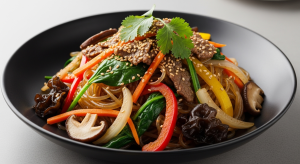
Japchae is traditionally served warm or at room temperature, making it a versatile side or main dish. For a festive touch, garnish with additional toasted sesame seeds and thin strips of red chili for color contrast. Pair it with steamed rice and kimchi to complete your Korean feast. For a more modern presentation, serve in pretty bowls topped with fresh microgreens and a sprinkle of crushed roasted nuts for crunch.

| nutrient | Per Serving |
|---|---|
| Calories | 310 kcal |
| Protein | 18 g |
| Carbohydrates | 45 g |
| Fat | 7 g |
Discover more about Korean culinary heritage and techniques in our Korean side dishes collection. For deeper insight into the cultural roots of Korean noodles, the Encyclopedia Britannica on Japchae is an authoritative resource worth exploring.
Q&A
Q&A: Japchae Unveiled – The Art of Korean Glass Noodle Stir-Fry
Q1: What exactly is Japchae?
Japchae is a vibrant and savory Korean dish that features chewy,translucent sweet potato starch noodles-known as dangmyeon-stir-fried to perfection with a colorful medley of vegetables,tender slices of meat (frequently enough beef),and a subtle,slightly sweet soy-based sauce. it’s a celebration of texture, flavor, and color all in one skillet.
Q2: Where did Japchae originate?
Japchae has royal roots, originating in the Joseon Dynasty’s grand kitchens as a dish served during special occasions and banquets. Over time, it has evolved from a regal delicacy to a beloved comfort food found across Korean households and restaurants worldwide.
Q3: What makes the noodles in Japchae unique?
The noodles, or dangmyeon, are made from sweet potato starch rather than wheat or rice. This gives them their signature translucent appearance and a delightfully chewy, slippery texture that holds onto the sauce beautifully without becoming mushy.
Q4: How does one master the stir-fry technique for Japchae?
mastering Japchae is about balance and timing. Each ingredient is typically cooked separately to preserve individual textures-vegetables remain crisp,meat stays tender,and noodles maintain their ideal chewiness. They come together at the end, gently tossed with sauce over moderate heat to marry the flavors without losing their integrity.
Q5: What are the essential ingredients beyond noodles and soy sauce?
A rainbow of vegetables usually graces Japchae-spinach, carrots, onions, shiitake mushrooms, and bell peppers are common. Eggs are often added as thin omelet strips, and garlic and sesame oil give the dish its aromatic depth. The whole ensemble is topped with toasted sesame seeds for a nutty finish.
Q6: Can Japchae be made vegetarian or vegan?
Absolutely! Simply replace the beef with tofu or omit it altogether, and ensure the sauce contains no fish-based ingredients. The dish’s vibrant vegetables and savory sauce mean it’s just as satisfying without meat, making Japchae a versatile choice for diverse diets.
Q7: Why is Japchae so beloved in Korean culture?
Japchae embodies a harmonious blend of flavors and textures, making it both comforting and celebratory. It symbolizes warmth and hospitality, often served during festivals, family gatherings, and holidays to showcase cooking skill and care.
Q8: Any tips for someone trying Japchae for the first time?
Take your time prepping each component and don’t rush the stir-fry. use fresh, high-quality ingredients, and remember that the magic is in layering flavors. Serve it slightly warm or at room temperature, and enjoy the satisfaction of a dish that’s as visually stunning as it is delicious.
Concluding Remarks
As the savory aroma of japchae lingers in the air and its vibrant colors dance on your plate, it becomes clear that this humble korean glass noodle stir-fry is much more than just a dish-it’s a celebration of balance, tradition, and artistry. From the careful selection of ingredients to the delicate harmony of textures and flavors, japchae invites us to savor not only its taste but also the rich cultural tapestry it represents. Whether enjoyed at a festive gathering or a quiet meal at home, uncovering the secrets behind japchae enriches our appreciation for Korean cuisine and reminds us that sometimes, the simplest ingredients can create the most unforgettable culinary experiences.